

“Labor Omnia Vincit” McKay Law
Mustang, OK Spark Accident Lawyer
Gig drivers working for Walmart’s Spark platform face real risks every day on the road—and when accidents happen in Mustang, OK, whether you were delivering or were struck while doing so, the legal questions get complex fast. McKay Law represents drivers and accident victims involved with Spark deliveries across OK. Spark delivery crashes aren’t like regular auto accidents—gig delivery drivers operate under a hybrid insurance framework, which complicates who pays for what. The driver’s app status—offline, logged on, en route, or actively delivering—controls which insurance applies—these questions can mean the difference between minimal coverage and a $1 million policy. Walmart’s commercial auto coverage for Spark deliveries may unlock major coverage—but accessing it requires proving the driver was actively engaged in a delivery. Our Mustang gig driver accident lawyers know how to navigate these multi-policy claims. When you’ve been hurt while making a Spark delivery, you may have rights against the at-fault driver, Spark’s insurance, your own policy, and potentially Walmart itself. If a Spark delivery vehicle caused your injuries, we pursue every available source of compensation—including the driver’s personal policy, Spark’s commercial coverage, and any other applicable insurance. These crashes typically involve gig-economy pressure to complete more deliveries leading to risky driving, app-related distractions, and overworked drivers. Common harm in Spark delivery accidents include neck and back injuries, fractures, head trauma, and life-altering disabilities. We act quickly to lock in evidence—including order details, route information, and any prior incident records. The gig economy giants and their legal teams have entire legal departments focused on protecting their bottom line—you deserve representation that matches their resources. Every client we represent is handled on a pure contingency arrangement—you pay nothing unless we recover for you. Don’t accept a quick settlement before understanding all your options. Contact McKay Law today for a no-cost case review with a Mustang, OK gig driver accident attorney who will pursue every available source of compensation.
Settlements Won
0
+
Million Dollars Won
0
+
Google 5 Star Reviews
0
+
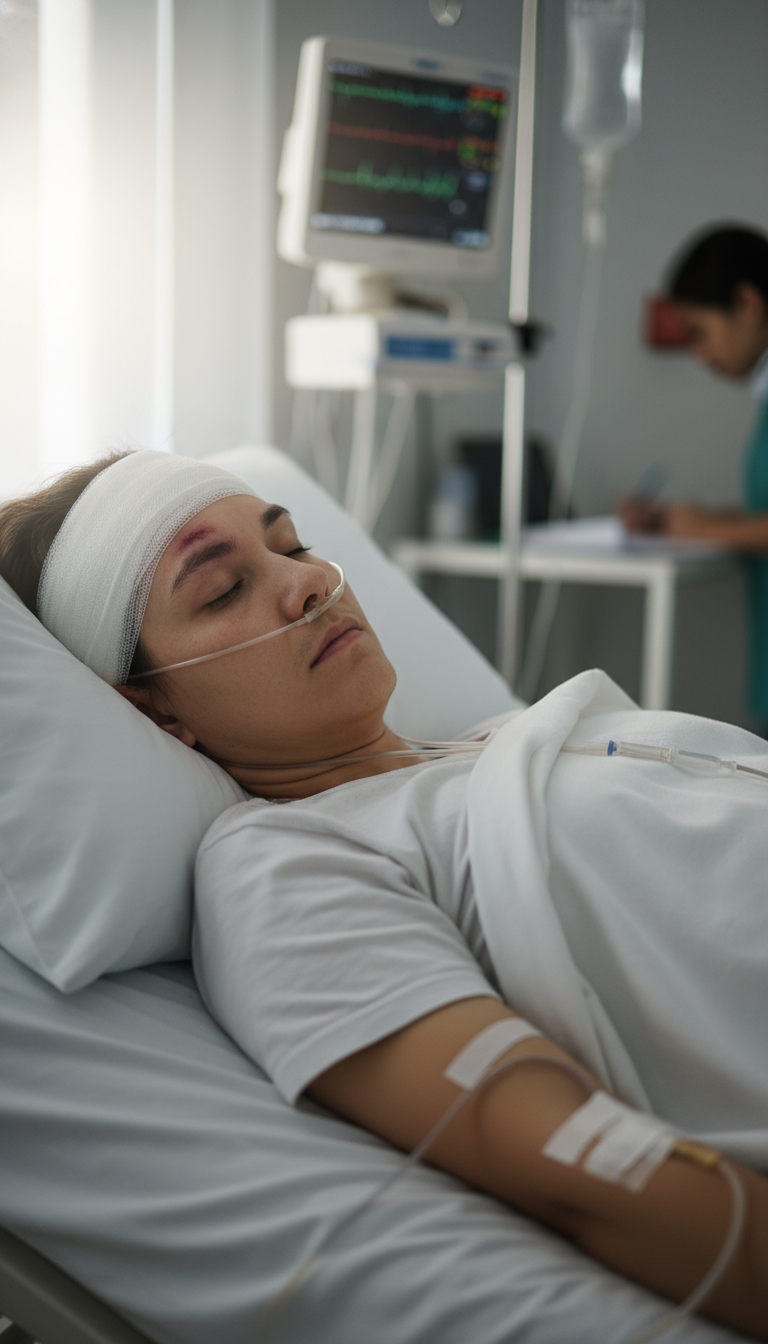
Spark Driver Accident Legal Counsel in Mustang, OK | McKay Law
The Basics of Walmart Spark Crash Cases
Spark is the Walmart-owned delivery network using independent drivers, with drivers operating as contractors using their own cars. Like other gig platforms, insurance turns on the driver’s app status at the time of the wreck. Our firm fights for Spark accident victims in Mustang and in surrounding communities.
Common Causes of Spark Driver Crashes
- App-related distraction
- Drowsy driving
- Time pressure to complete deliveries
- GPS distraction in unknown neighborhoods
- Sudden stops at delivery addresses
- Drunk or impaired driving
- Inexperienced drivers
- Poorly maintained personal vehicles
Coverage Periods
Following the rideshare model, Spark coverage depends on the driver’s app status:
- Not Logged In: Only personal auto insurance applies.
- Period 1 — App On, Waiting for an Order: Some contingent coverage, though personal is typically primary.
- Period 2 — Order Accepted, Active Delivery: Spark’s commercial liability coverage applies, typically up to $1 million.
Who Pays
- The delivery driver
- Walmart’s commercial coverage during Period 2
- The driver of another vehicle
- The car maker in defect cases
- Mechanics
- A government entity in charge of negligently maintained roads
Common Injuries
- Cervical strain
- Spinal trauma
- Traumatic brain injuries and concussions
- Fractures
- Internal bleeding
- Airbag-related facial injuries
- Psychological injuries
- Wrongful death
What Makes Spark Cases Unique
- Several layers of coverage — personal and commercial coverage may both apply
- Independent contractor classification — limits direct claims against Walmart but not insurance access
- Electronic records are key — electronic data drives the case
- Records vanish fast — platform data is routinely overwritten
- Personal carriers often deny — because the driver was working
What You Must Prove
- A Duty of Care — All drivers owe a duty of reasonable care.
- Negligent Conduct — The driver acted unreasonably.
- A Direct Link — The negligence produced the wreck and your injuries.
- Quantifiable Losses — The full financial and personal toll.
- Which Insurance Applies — Decisive for coverage.
What Compensation Looks Like
- Healthcare costs
- Lost income and diminished earning ability
- Vehicle and property loss
- Mental anguish
- The toll on daily life
- Wrongful death damages for surviving family
- Punitive damages when warranted
Filing Deadline
You typically have 2 years from the date of the crash to file (Okla. Stat. tit. 12, § 95). Time matters more here because electronic evidence vanishes fast.
Our Process
We get to work immediately to lock down app data and delivery records, find every layer of insurance, push back against personal carriers denying commercial-use claims, and prepare every case as if it will go to trial.
Frequently Asked Questions
Q: A Spark driver hit me — who pays?
A: Depends on the driver’s app status. Active delivery: Walmart’s commercial policy. App off: personal insurance only.
Q: What does it cost to hire McKay Law?
A: Zero upfront. No fee unless we recover.
Q: I was driving for Spark when another driver hit me — what coverage applies?
A: App status decides. Mid-order: Spark may apply. App off: standard at-fault claim.
Q: Can I sue Walmart directly?
A: Typically tough — drivers aren’t employees. But their commercial insurance still applies.
Q: Should I give the insurance company a recorded statement?
A: Never. Refer them to your attorney.
Q: What is the deadline to file?
A: Two years from the date of the crash (Okla. Stat. tit. 12, § 95). Act fast — app data disappears quickly.
Spark Driver Accident Claims in Mustang, OK
Walmart’s Spark delivery program has put thousands of gig drivers on OK roads. When one of them is involved in a crash, the claim is more complicated than a typical auto accident. A local injury lawyer familiar with Walmart delivery claims knows how to navigate the layered insurance.
What Spark Is — and Why It Matters Legally
The Spark Driver app is Walmart’s gig delivery service. Drivers use their own personal vehicles to deliver Walmart purchases to customers. In contrast to actual Walmart employees, Spark drivers are classified as independent contractors. This legal structure is the entire ballgame for liability questions.
The Three Insurance Layers — Similar to Rideshare, But Different
Coverage works in phases like rideshare apps, though with critical distinctions.
Personal Use (App Off)
With the app off and the driver running personal errands, just the driver’s own policy is available. Walmart has no exposure when the app is off.
App On, Waiting for an Order
The app is open and the driver is available to take orders. This phase is murky. Spark provides limited contingent insurance — but the limits depend on jurisdiction and kicks in when the driver’s own insurance falls short.
Order Accepted Through Delivery Completion
From the moment the driver takes an order until the final drop-off, the full Spark insurance policy applies. Available coverage are typically substantial — but precise limits vary by state and over time. This phase is where most claims live.
The Personal Insurance Problem
There’s a gap many drivers don’t anticipate: the personal policy likely doesn’t apply when the app is on. Drivers often assume the personal policy will respond. If the personal insurer sees the gig work, they often deny coverage outright. This makes the Spark commercial layer essential.
Who Can Bring a Spark Claim?
Multiple categories of victims can pursue compensation:
- Drivers and passengers in vehicles struck by the Spark driver
- Pedestrians and cyclists hit by a Spark driver
- Spark drivers when a third party is at fault
- People accepting Walmart orders injured during the drop-off
Why Suing Walmart Directly Is Difficult
Walmart’s independent contractor model is the firewall using the standard gig economy legal structure. Plaintiffs typically recover through the available insurance policies, not through a direct Walmart lawsuit. However, exceptions exist: systematic failures in driver vetting can create direct corporate liability in rare cases.
Critical Steps If You’re Hit by a Spark Driver
Identify the Spark Status Immediately
Note Walmart-branded delivery materials in the car. Confirm app status at the scene. Phase determination is everything.
Get the Spark Driver ID Information
In addition to the basics, ask for confirmation of the Spark account. Pictures of Walmart delivery materials locks in proof of the work activity.
Document Everything Before the Driver Leaves the Scene
The Spark driver may not appreciate the coverage layers. Make sure law enforcement is called. Crashes where no report is generated often can’t be reconstructed.
Preserve the Digital Trail Quickly
App data shows exactly what the driver was doing. These records aren’t kept indefinitely. Attorney involvement triggers preservation letters before it disappears.
Damages Recoverable in a Spark Crash
Recoverable losses include: hospitalization and ongoing care, past and future earnings loss, permanent occupational limitations, out-of-pocket vehicle costs, non-economic damages, and exemplary damages where gross negligence is shown.
Attorney Costs
Gig-economy injury counsel work on contingency. Initial consultations cost nothing.
Don’t Let the Insurance Layers Defeat Your Claim
The phase-based coverage model only works in your favor if it’s navigated correctly. Spark’s contingent coverage points to the personal policy. Counsel experienced with gig-economy crashes forces the right carrier to respond. OK’s statute of limitations doesn’t pause for coverage debates — reach out without delay.
McKay Law Is Your Mustang Advocate After A Spark Accident
Walmart’s Spark delivery program has sent thousands of independent drivers on the road, scrambling to meet delivery windows in their own personal vehicles — and when one of those drivers triggers a crash, figuring out who pays for your injuries gets messy fast. Is the driver protected by their personal auto policy? Does Walmart’s commercial insurance apply? Was the driver currently making a delivery or between orders when the wreck happened? These questions matter enormously, because personal auto policies regularly exclude coverage for commercial activity, leaving injured victims caught between insurers each attempting to point at the other. At McKay Law, we break down the coverage maze and know how to chase every available source of recovery — the Spark driver, Walmart, the contracted delivery platform, and any other party whose negligence added to your crash. We obtain app activity records, delivery timestamps, GPS data, and driver logs to prove exactly what the driver was doing at the moment of impact.
Spark drivers are commonly driven to take on too many orders in too little time, which produces speeding, distracted driving, running red lights, and rear-end collisions in parking lots and residential streets. Once you’re part of the McKay Law family, we throw the full weight of our investigation against the corporate insurance carriers and their teams of adjusters who would like to settle your claim quickly and quietly. We seek compensation that addresses every layer of harm — ambulance and ER bills, surgeries, physical therapy, prescription costs, future medical care, vehicle damage, time off work, reduced earning capacity, and the pain, frustration, and disruption that follow a crash you never saw coming. Contact us right away at (866) 679-9651 or contact us online to set up your free consultation and let us begin advocating for what you’re owed.
Video Testimonials






