

“Labor Omnia Vincit” McKay Law
Anadarko, OK Uber Eats Accident Lawyer
Uber Eats delivery crashes require specialized legal experience in Anadarko, OK—whether you were a delivery driver who was hurt or someone hit by one, sorting out liability and insurance can be complicated. McKay Law advocates for Uber Eats accident victims across OK. Uber Eats delivery crashes aren’t like regular auto wrecks—Uber Eats drivers are classified as independent contractors, not employees, which complicates who pays for what. The driver’s app status—offline, logged on, en route to pickup, or actively delivering—controls which insurance applies—these facts dictate the entire financial framework of your claim. If the Uber Eats app wasn’t active, only their personal auto insurance applies—and that personal coverage may even deny the claim because of the delivery use. During the period before an order is accepted, Uber Eats provides limited contingent liability coverage. Once an order is accepted, during pickup, and through delivery, Uber Eats’ full $1 million policy is in effect. Our Anadarko delivery driver crash attorneys know how to navigate these layered insurance disputes. Whether you’re an Uber Eats driver injured on the job, you may be eligible for occupational accident coverage benefits plus a third-party claim against whoever caused the crash. If an Uber Eats driver crashed into you, we go after every responsible party and policy—including the driver’s personal policy, Uber’s commercial coverage, and any other applicable insurance. Uber Eats driver collisions often happen during rear-end collisions during restaurant pickup, intersection crashes from rushing between deliveries, distracted driving accidents from checking the app or navigation, fatigue-related wrecks during long shifts, pedestrian and cyclist collisions in busy areas, and parking lot crashes at restaurants or customer addresses. Injuries from these crashes include neck and back injuries, fractures, head trauma, and life-altering disabilities. We move fast to secure critical proof—including delivery logs, GPS data, app status records, and electronic evidence. Uber and its insurers will work hard to minimize your claim—using complexity as a shield against accountability. We won’t be outmatched. Every Uber Eats accident case is handled on a contingency basis—zero upfront cost. Don’t try to navigate Uber Eats’ insurance maze alone. Reach out to McKay Law right away for a no-cost case review with a Anadarko, OK food delivery accident attorney who will pursue every available source of compensation.
Settlements Won
0
+
Million Dollars Won
0
+
Google 5 Star Reviews
0
+
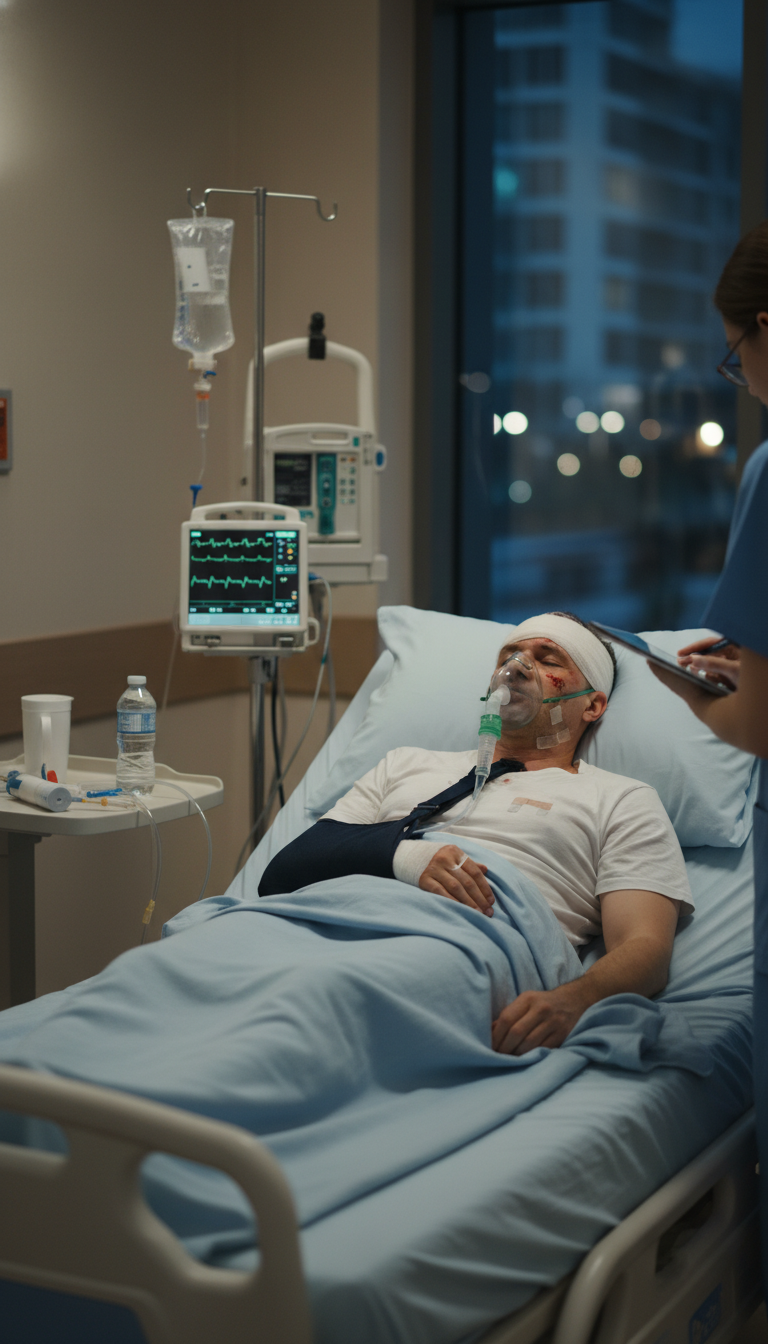
Uber Eats Driver Wreck Legal Counsel in Anadarko, OK | McKay Law
Understanding Uber Eats Accident Claims
Uber Eats is one of the largest food delivery platforms in Oklahoma, with drivers using personal vehicles to deliver meals. Like other gig delivery platforms, Uber Eats drivers are independent contractors, which makes determining coverage harder than ordinary crashes. Whether you were hit by an Uber Eats driver, were a driver injured by someone else, or were a pedestrian, insurance turns on what the driver was doing on the app. McKay Law advocates for Uber Eats accident victims in Anadarko and across the state.
The Uber Eats Delivery Model
Independent Uber Eats drivers:
- Use their personal vehicles
- Work as independent contractors
- Pick up jobs through the mobile app
- Pick up orders from restaurants
- Deliver meals to customers
- Frequently bundle deliveries
Common Causes of Uber Eats Accidents
- App-related distraction
- Drowsy driving
- Time pressure to complete deliveries
- Constant navigation distraction
- Quick pull-offs to find houses
- Drivers double-parked or stopped unsafely
- Drunk or impaired driving
- Inexperienced drivers
- Mechanical problems in driver-owned cars
Coverage Periods
Following the gig economy model, Uber Eats coverage depends on the driver’s app status:
- Not Logged In: No Uber coverage.
- Period 1 — App On, Waiting for an Order: Limited contingent liability coverage may apply.
- Active Delivery: Uber’s commercial liability coverage applies, generally with a $1 million limit.
Potential Defendants
- The delivery driver
- The Uber platform during active delivery
- Another at-fault driver
- The car maker in defect cases
- Service providers
- A road authority liable for hazardous roadways
Common Injuries From Uber Eats Crashes
- Soft-tissue neck damage
- Spinal trauma
- Traumatic brain injuries and concussions
- Bone breaks
- Internal bleeding
- Airbag-related facial injuries
- Seatbelt-related trauma
- Knee, hip, and leg injuries
- Psychological injuries
- Wrongful death
How These Cases Differ From Ordinary Crash Claims
- Multiple insurance policies in play — personal and commercial coverage may both apply
- Independent contractor classification — limits direct claims against Uber but not insurance access
- App data is critical evidence — electronic data drives the case
- Records vanish fast — electronic records vanish without legal action
- Personal policies may refuse — because the driver was working
Elements of Your Claim
- A Duty of Care — All drivers owe a duty of reasonable care.
- Negligent Conduct — Basic safety rules weren’t followed.
- A Direct Link — The negligence produced the wreck and your injuries.
- Concrete Harm — The full financial and personal toll.
- Which Insurance Applies — The most important coverage fact.
What Compensation Looks Like
- Medical bills, past and future
- Lost income and reduced earning capacity
- Property damage
- Pain and suffering
- Diminished quality of life
- Wrongful death compensation when the wreck was fatal
- Punitive damages in DUI or gross negligence cases
Time Limits to Be Aware Of
You typically have two years from the date of the crash to file (Okla. Stat. tit. 12, § 95). Quick action is critical because app data and delivery records can be deleted within days.
How McKay Law Approaches Uber Eats Cases
We act fast to send preservation letters to Uber, map all available coverage, defeat coverage disputes between insurers, and build each file for the courtroom.
Frequently Asked Questions
Q: An Uber Eats driver hit me — who pays?
A: App status decides. Active delivery: Uber’s commercial policy. App off: personal insurance only.
Q: What does it cost to hire McKay Law?
A: Nothing upfront. No recovery, no fee.
Q: I was driving for Uber Eats when another driver hit me — what coverage applies?
A: Depends on your app status. Active delivery: Uber coverage may stack with the at-fault driver’s policy. App off: just the at-fault driver and your personal insurance.
Q: Can I sue Uber directly?
A: Usually difficult — drivers are 1099 contractors. Insurance access remains.
Q: Should I give the insurance company a recorded statement?
A: No. Call us first.
Q: What’s the difference between an Uber Eats case and a regular Uber rideshare case?
A: Insurance coverage tiers work differently between the two platforms.
Q: What is the deadline to file?
A: 2 years from the date of the crash (Okla. Stat. tit. 12, § 95). Move quickly — electronic evidence vanishes fast.
Compensation After an Uber Eats Delivery Crash in Anadarko, OK
Uber Eats drivers are everywhere. When an Uber Eats driver is involved in a wreck, the case looks like an Uber accident but isn’t quite the same. An attorney familiar with these specific claims knows how the coverage actually works for delivery drivers.
Uber Eats Is Delivery, Not Rideshare — And It Matters
Uber owns both platforms, but the operations are distinct. The two services use comparable but different insurance setups.
Why the Distinction Matters
Cargo replaces a fare. This affects the duty of care analysis.
The mode of transportation varies enormously across Uber Eats. Different vehicle types create different coverage questions. Bike-mode Uber Eats crashes may not access most of the rideshare-style coverage at all.
The Insurance Framework for Car-Mode Uber Eats Drivers
The structure parallels Uber’s passenger transportation model, with wrinkles unique to food delivery.
Period 0 — Not Using the App
If the Uber Eats app is closed, Uber Eats provides no coverage.
Personal carriers often won’t cover any delivery activity. Even when the app was off at impact, once Uber Eats use is discovered, carriers may pull back from the claim.
Period 1 — App On, Waiting for a Delivery Request
The driver is logged in and looking for orders. A lower-limit coverage layer applies:
- Per-person bodily injury limits (typical figures; vary by state)
- $100,000 per accident bodily injury
- Property loss coverage
This coverage is contingent and only fills gaps in the driver’s personal policy.
Period 2 — Delivery Accepted, En Route to Pickup
Once the driver accepts an order. Full Uber Eats commercial limits activate. Significant commercial coverage is available.
Period 3 — Food Picked Up, En Route to Customer
During the actual delivery run. High-limit coverage stays active.
During Periods 2 and 3, Uber Eats typically also provides uninsured/underinsured motorist coverage.
Bicycle and Scooter Uber Eats Drivers — A Different Story
Non-motor-vehicle Uber Eats, the rules are very different.
Most auto insurance policies don’t apply to bicycles or low-speed scooters. The auto coverage framework doesn’t always extend to bicycles.
Bicycle delivery crashes may require recovery through:
- Their residential liability coverage
- Limited platform coverage for non-auto modes
- The injured party’s own coverage, including health insurance and disability
This is one of the most uncertain areas of food delivery law, and coverage availability varies by jurisdiction.
Who Can Make a Claim?
Different parties can pursue Uber Eats accident compensation:
Other Drivers Hit by Uber Eats Drivers
Motorists struck by Uber Eats vehicles can pursue claims through the applicable coverage layer based on the delivery driver’s period.
Pedestrians and Cyclists
Non-motorists injured by the delivery driver are increasingly common claimants, given how often delivery drivers operate in urban areas with significant pedestrian traffic.
Restaurant Employees and Customers
Restaurant staff and patrons are particularly common for parking lot crashes at pickup locations.
Customers Receiving Deliveries
Recipients hurt during the drop-off process can pursue claims, though these are the smaller subset of these cases.
Uber Eats Drivers Themselves
When the Uber Eats driver was not at fault, the driver has options through both personal and Uber Eats UM/UIM coverage.
Issues Distinctive to Uber Eats Cases
Distraction From the App
Drivers regularly look at their phones. The interface requires drivers to accept orders, navigate, communicate with restaurants and customers, and confirm pickups and drop-offs. App interaction is frequently a contributing cause.
Time Pressure
Delivery speed is metric-tracked. The platform’s economics encourage hurry. Showing the platform’s pressure can strengthen the case.
Multiple Apps Simultaneously
Many Uber Eats drivers run multiple delivery apps at once. This can complicate the coverage analysis. Whose delivery was being performed at the moment of the crash becomes critical.
Vehicle-Mode Disputes
How the driver signed up with Uber Eats sometimes becomes contentious. Mode misrepresentation generates difficult coverage questions.
Critical Steps After an Uber Eats Crash
Identify the Uber Eats Status Immediately
Note any visible delivery context. Capture the visible delivery materials.
Determine the Delivery Phase
Determine which phase the driver was in. The phase controls everything in the coverage analysis.
Get the Receipt or Order Information
Anyone with order documentation has potentially case-critical evidence.
Document Quickly
Phones with the Uber Eats app open need to be photographed immediately.
Get Medical Attention
Even with apparently minor injuries, getting checked out protects the claim.
Don’t Negotiate Directly With Uber Eats or Its Insurers
Insurers move quickly. Recorded statements or negotiations without counsel can permanently damage the claim.
Damages Available
These claims can pursue hospitalization and ongoing care, lost wages, diminished earning capacity, property damage, non-economic damages, survivor damages in fatal cases, and exemplary damages where gross negligence is shown.
Attorney Costs
Counsel in this area charge no upfront fees. Free consultations are standard.
Move Quickly on the Digital Trail
These claims depend on platform records. Platform records need to be locked down through legal demands. Multi-apping issues require records from multiple platforms. OK’s statute of limitations applies regardless of these complications. Getting an attorney involved promptly positions the case for the recovery the framework actually allows.
McKay Law Is Your Anadarko Advocate After A Uber Eats Accident
Uber Eats drivers are all over the road — racing between restaurants and customers in their own personal vehicles, often juggling multiple orders, mounted phones, GPS apps, and tight delivery windows that push speed over safety. When one of those drivers triggers a crash, the question of who pays for your injuries gets murky fast. Personal auto policies routinely exclude coverage for commercial delivery activity, while Uber’s contingent and liability coverage only kicks in under specific conditions — was the driver logged in, en route to a restaurant, or actively carrying an order? The wrong answer can mean tens of thousands of dollars in coverage simply disappearing. At McKay Law, we have mastered how to maneuver through these overlapping policies, and we secure the app activity, delivery timestamps, GPS routes, and driver logs needed to prove exactly what the driver was doing when the wreck happened.
Whether you were another motorist, a pedestrian, a cyclist, or a passenger in the Uber Eats driver’s vehicle, the rideshare giant and its insurance partners will act fast to limit what they owe you. When you join the McKay Law family, we move just as quickly to push back. We confront the driver’s personal carrier, Uber’s commercial policy, and any other party whose negligence contributed to the crash, so you can focus on healing instead of fighting insurance adjusters. We demand full compensation for emergency care, surgeries, hospital stays, rehabilitation, prescription costs, future medical needs, vehicle damage, lost income, diminished earning ability, and the enduring trauma of a crash you never saw coming. Phone us today at (866) 679-9651 or reach out online to arrange your free consultation and place a firm that knows rideshare law behind you.
Video Testimonials






