

“Labor Omnia Vincit” McKay Law
Henryetta, OK Uber Accident Lawyer
Collisions involving Uber drivers are far more complex than typical car accidents in Henryetta, OK—no matter how you were involved, figuring out who pays for your injuries can be overwhelming. McKay Law handles the complexity and fights for the maximum settlement available under the law. These cases differ from typical auto collisions—there are often multiple layers of insurance in play, but coverage depends on the driver’s app status at the time of the crash. Was the driver logged into the app? Were they en route to a passenger? Did they have a rider in the vehicle?—these facts dictate how much coverage is available. When the driver wasn’t logged in, only their personal auto insurance applies. When the driver is online but hasn’t accepted a trip, partial commercial coverage applies. When the driver is en route or actively transporting a passenger, the full liability protection is available. Our Henryetta Uber accident attorneys advocate for pedestrians and cyclists struck by Uber drivers across OK. We dig into every detail—getting trip details, prior incidents, and electronic evidence—to establish liability and unlock the right coverage. Common injuries from Uber crashes include concussions, herniated discs, lacerations, and long-term disabilities—leading to expensive treatment, missed work, and ongoing suffering. Uber and its insurers deploy strategies designed to reduce payouts—you need legal counsel who understands their playbook. Every Uber accident case is handled on a no-win, no-fee basis—you owe nothing unless we recover for you. Don’t try to take on Uber and its insurance companies alone. Contact McKay Law today for a complimentary evaluation with a Henryetta, OK rideshare accident attorney who will pursue every available source of recovery.
Settlements Won
0
+
Million Dollars Won
0
+
Google 5 Star Reviews
0
+
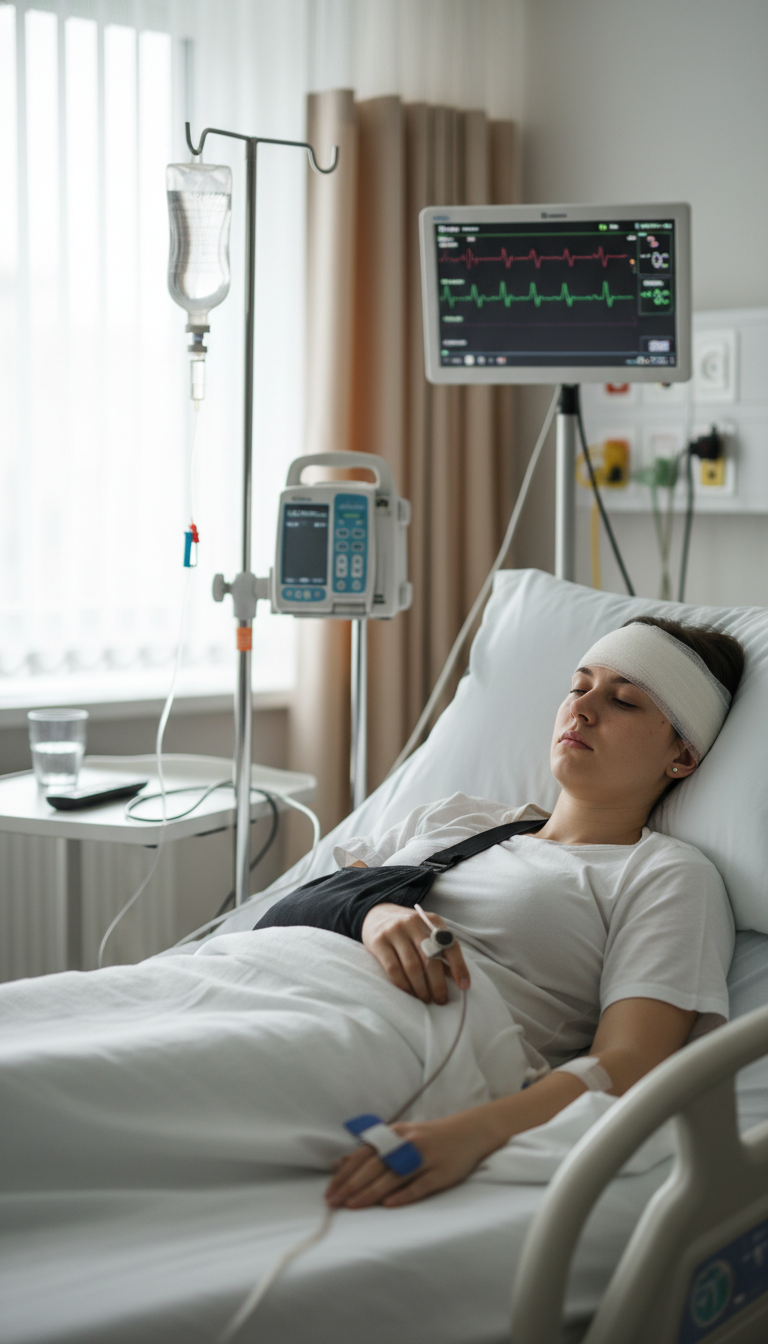
Uber Wreck Attorney in Henryetta, OK | McKay Law
What Is an Uber Accident Claim?
Millions of Oklahomans use Uber every year, but when an Uber driver causes a wreck. Insurance issues turn on the driver’s app status at the time of the crash. Whether you were a passenger, another driver, a pedestrian, or the Uber driver, the available insurance turns on whether the app was on, off, or mid-ride. McKay Law advocates for Uber accident victims in Henryetta and throughout Oklahoma.
How These Wrecks Occur
- Distracted driving from app usage
- Drowsy driving
- Following GPS through unfamiliar areas
- Abrupt maneuvers
- Rushing to maximize fares
- Inexperienced drivers
- Drunk or impaired driving
- Ignoring basic traffic rules
- Mechanical problems in driver-owned cars
How Uber Insurance Works
App status decides which insurance applies:
- Period 0 — Off Duty: Personal coverage only.
- Phase 1 — Available but Unmatched: Reduced coverage (typically $50,000/$100,000/$25,000).
- Period 2 — En Route to Passenger: Uber’s $1 million liability policy applies.
- Period 3 — Passenger in Vehicle: The $1 million policy plus UM/UIM is in force.
Identifying the right period is usually the key fight.
Potential Defendants
- The driver behind the wheel
- Uber, through their commercial coverage
- Another at-fault driver
- The car maker where mechanical defects contributed
- Service providers
- A road authority responsible for dangerous road conditions
Who Can File an Uber Claim
- Uber riders — usually carry no fault and benefit from the full coverage
- Third-party motorists hit by an Uber driver
- Pedestrians and cyclists hit while crossing or biking
- Uber drivers hurt by other motorists — can pursue the at-fault party and tap Uber UM/UIM
- Wrongful death beneficiaries when a loved one dies
Common Injuries From Uber Crashes
- Cervical strain
- Back and spinal cord injuries
- Head trauma
- Bone breaks
- Damage to internal organs
- Airbag-related facial injuries
- Seatbelt-related upper-body trauma
- Leg, knee, and pelvic injuries
- Psychological injuries
- Death from catastrophic crashes
What You Must Prove
- Legal Obligation — All drivers must drive with reasonable care.
- Violation of That Duty — The driver failed to drive reasonably.
- A Direct Link — The breach produced the wreck and harm.
- Quantifiable Losses — Medical bills, lost income, pain and suffering, and other losses.
- Which Insurance Applies — Most important for figuring out which policy responds.
Key Evidence in These Claims
- The Uber driver’s trip records and app data
- Police accident reports
- Scene and damage photos
- Every available video angle
- Testimony from people who saw the crash
- Phone data tied to the moment of impact
- Black box data
- Treatment documentation
- Uber’s internal records
What Compensation Looks Like
- Healthcare costs
- Physical therapy and rehabilitation
- Lost income and loss of earning power
- Vehicle and property loss
- Non-economic damages
- Diminished quality of life
- Damages for impact on relationships
- Survivor damages in fatal crashes
- Exemplary damages in DUI or gross negligence cases
Oklahoma’s Statute of Limitations
Oklahoma generally gives 2 years from the date of the crash to file (Okla. Stat. tit. 12, § 95). Uber cases demand fast action because app data, trip records, and video footage can be deleted within days.
How McKay Law Approaches Uber Cases
We get to work immediately to lock down Uber app data and trip records, pull app data and driver files, identify every applicable insurance policy, coordinate with treating providers, and build each file for the courtroom.
FAQ
Q: I was a passenger in an Uber when we crashed — who pays?
A: The Uber commercial policy.
Q: What does it cost to hire McKay Law?
A: Nothing. No fee unless we recover.
Q: I was driving for Uber when another driver hit me — what coverage applies?
A: Depends on your app status. Periods 2 and 3: $1 million plus UM/UIM. Period 1: reduced contingent coverage. Period 0: personal insurance only.
Q: What if the Uber driver was off-duty when they hit me?
A: Just the driver’s personal policy.
Q: Should I give Uber or any insurance company a recorded statement?
A: Don’t. Call us first.
Q: Can I sue Uber directly?
A: Generally hard, since drivers are 1099 contractors. Insurance access remains.
Q: What is the deadline to file?
A: Two years from the date of the crash (Okla. Stat. tit. 12, § 95). Act fast — Uber app data disappears quickly.
Uber Accident Claims in Henryetta, OK
Getting hurt in or by an Uber raises questions a normal auto accident doesn’t. The wrong move early in the claim can cost you tens of thousands of dollars in available coverage. A local attorney experienced with Uber crashes navigates Uber’s insurance architecture.
Uber’s Insurance Is Tiered — And the Tier Matters Enormously
The available coverage shifts based on what the driver was doing at the moment of the crash. This is the most important concept in any Uber case.
Period 0 — App Off
If the app is closed at the time of the crash, Uber’s coverage doesn’t activate.
There’s a major complication here. Most personal auto insurance doesn’t cover ride-hailing. If there’s any ambiguity about app status, coverage disputes arise.
Period 1 — App On, Waiting for a Ride Request
The app is on but no ride is in progress. Uber provides contingent liability coverage at lower limits:
- $50,000 per person for bodily injury (typical, though limits vary by state)
- $100,000 per accident for bodily injury
- Vehicle and property loss limits
This Period 1 coverage is contingent the personal insurance has denied. This is the layer that generates the most fighting between insurers.
Period 2 — Ride Accepted, En Route to Pickup
The phase between accepting a ride and starting the trip. Full Uber commercial coverage applies.
Period 3 — Passenger in the Vehicle
The passenger has entered the vehicle and the trip is in progress. The high-limit policy continues.
During active ride phases, additional coverage includes:
- Uninsured/underinsured motorist coverage
- First-party physical damage coverage
Who Can Pursue an Uber Accident Claim?
Multiple categories of claimants can pursue Uber cases.
Uber Passengers
Passenger claims face the easiest path to recovery. Passenger fault is essentially impossible to establish. The only question is which driver caused the crash.
Other Drivers and Their Passengers
Other drivers involved in Uber crashes can access Uber’s commercial coverage in Periods 2 and 3.
Pedestrians and Cyclists
Vulnerable road users can pursue claims through the relevant policy based on driver status at impact.
Uber Drivers
Rideshare drivers in not-at-fault scenarios have specific coverage paths depending on the period.
Common Issues That Hurt Uber Claims
Disputed Period Status
“Was the app on?” disputes are common. Platform records typically establish the truth, Uber doesn’t volunteer this information.
The Independent Contractor Wall
Uber’s contractor classification shields Uber from most vicarious liability. Recovery typically comes through the insurance policies with exceptions for company-level failures.
Personal Insurance Disclaimers
Personal insurance gaps create coverage disputes. This creates particular challenges during the waiting phase.
Quick Settlement Pressure
The carrier handling Uber’s coverage often pushes quick settlements. Quick offers are quick because they’re low.
Critical Steps After an Uber Crash
Screenshot the Trip Immediately
If you were an Uber passenger: screenshot the ride request, driver info, and trip status. App data can become harder to access.
Document the Driver and Vehicle
Capture identifying information.
Note the Driver’s App Status
If you can determine whether the app was on, whether a ride was active. App status drives the entire coverage question.
Get Medical Attention Immediately
Same-day medical evaluation establishes the injury timeline.
Report the Crash Through the App
Reporting through Uber’s system creates a record but limit statements.
Don’t Speak With Uber’s Insurer Without Counsel
Uber’s insurance carriers reach out quickly. Recorded statements before legal advice create problematic admissions.
What Damages Can Be Recovered?
Uber accident damages mirror other auto claim categories:
- Hospitalization, surgical, and rehabilitation costs
- Earnings affected by the injury
- Reduced ability to work
- Personal property loss
- Loss of enjoyment of life
- Loss of consortium
- Punitive damages where the driver’s conduct was egregious
Attorney Costs
Rideshare crash lawyers work on contingency. Case reviews cost nothing.
Time Pressure Is Real
Uber’s trip data and electronic records have retention windows. Cell phone records, driver communications, and platform logs require formal preservation letters. Witness contact information requires prompt investigation. The filing deadline continues running regardless of insurance disputes. Engaging counsel right away triggers the preservation steps.
McKay Law Is Your Henryetta Advocate After A Uber Accident
A simple Uber ride can turn into a life-changing event in a matter of seconds — and when it does, the questions stack up fast. Whose insurance pays? Does Uber’s policy apply, or just the driver’s personal coverage? What if you were in another car, on a bike, or walking when an Uber driver hit you? The answers depend on details most people never think about: whether the driver had the app open, whether they were on the way to a pickup, and whether a passenger was already in the vehicle. Each phase of an Uber trip engages different layers of coverage, and Uber has battalions of attorneys dedicated to making sure you don’t get full access to those policies. At McKay Law, we understand how rideshare cases work from the inside out. We pull trip data, app logs, GPS records, driver activity history, and prior complaints to nail down exactly what coverage applies and what the driver was doing when the crash happened.
Whether you were a passenger trusting your safety to the driver, a motorist struck by an Uber making a careless turn, or a pedestrian hit in a pickup or drop-off zone, you deserve more than a quick lowball offer from a corporate insurance carrier. When you come into the McKay Law family, we start fighting immediately — confronting the driver’s personal insurer, Uber’s commercial policy, and any third-party defendants whose negligence contributed to the wreck. We fight for full compensation for ambulance and ER costs, surgeries, hospitalization, ongoing rehabilitation, future medical needs, prescription costs, time away from work, diminished earning capacity, vehicle replacement, and the physical and emotional suffering of surviving a crash that should have never happened. Contact us right away at (866) 679-9651 or reach out online to arrange your free consultation and bring a real advocate in your corner.
Video Testimonials






