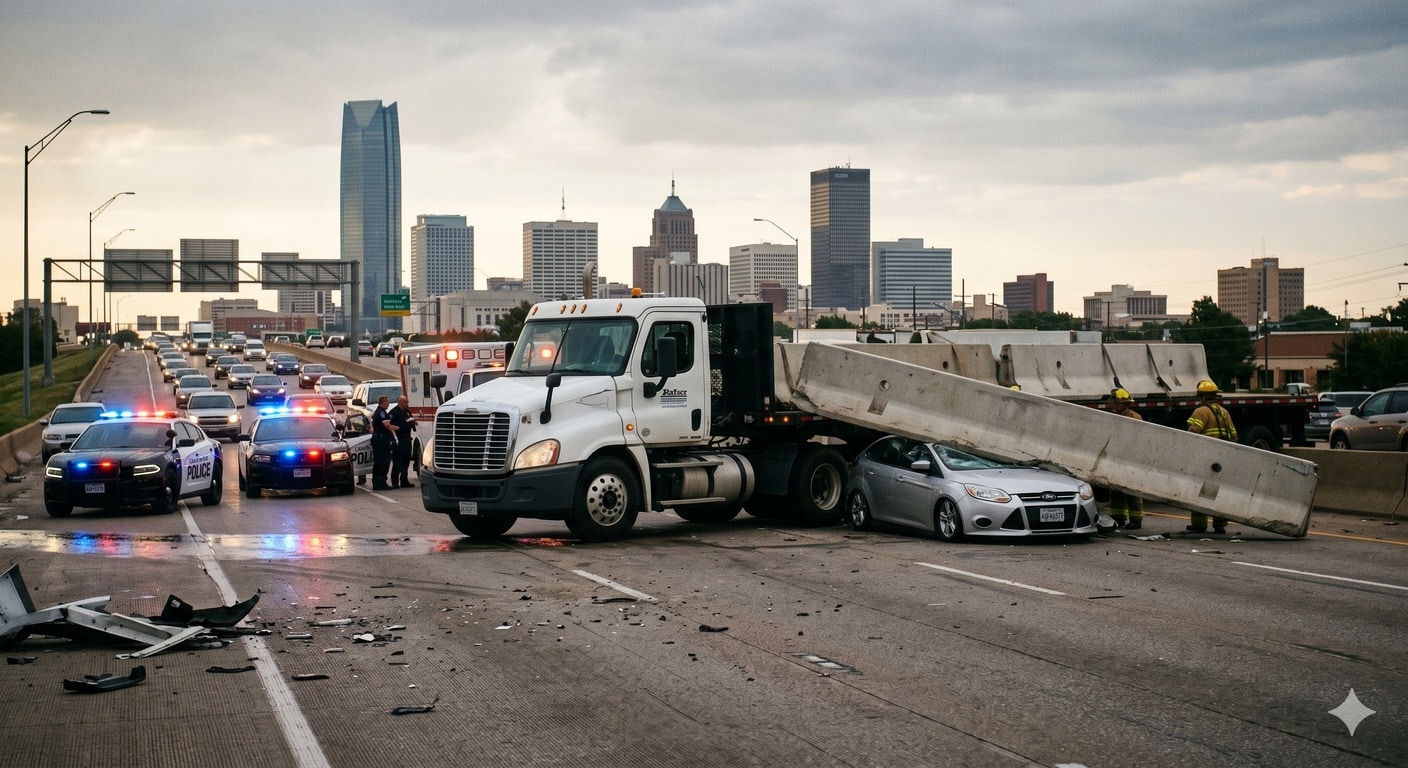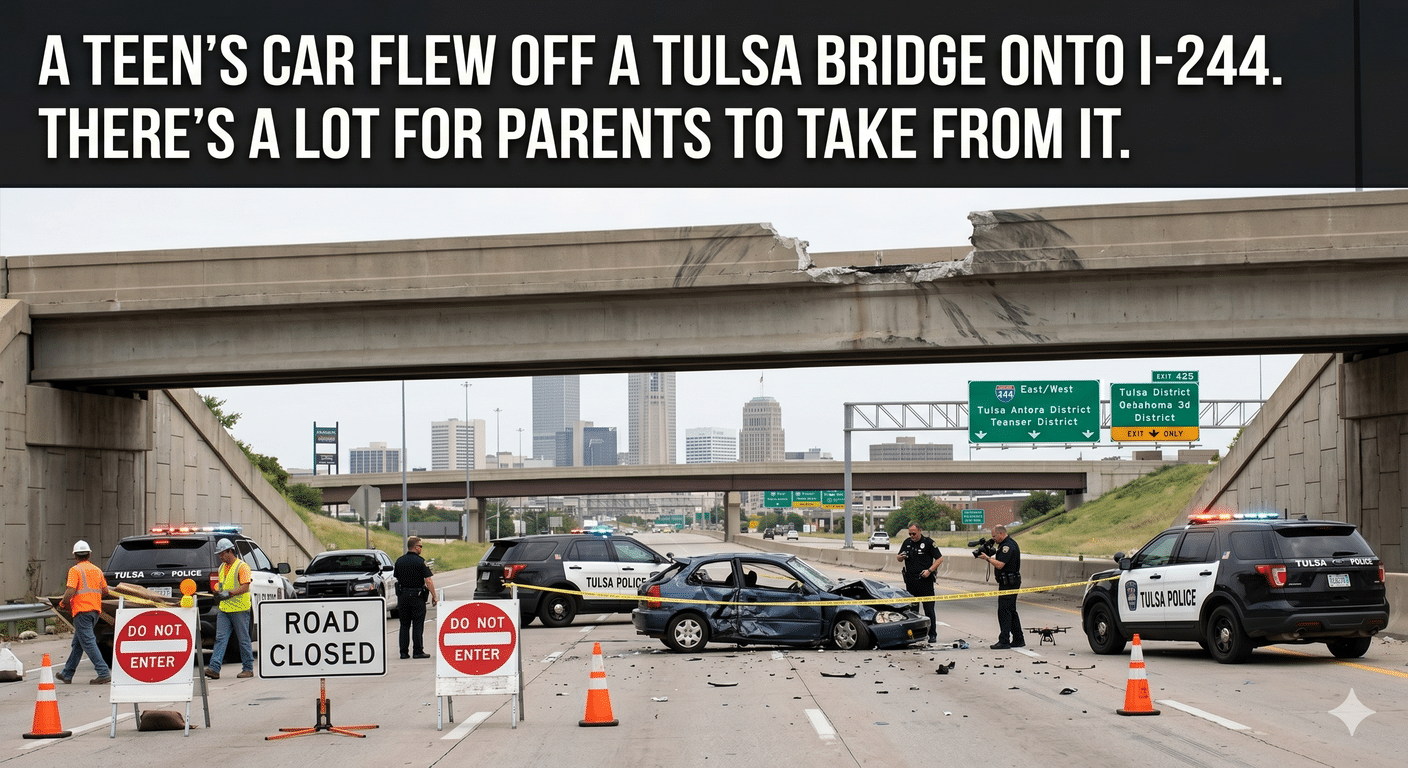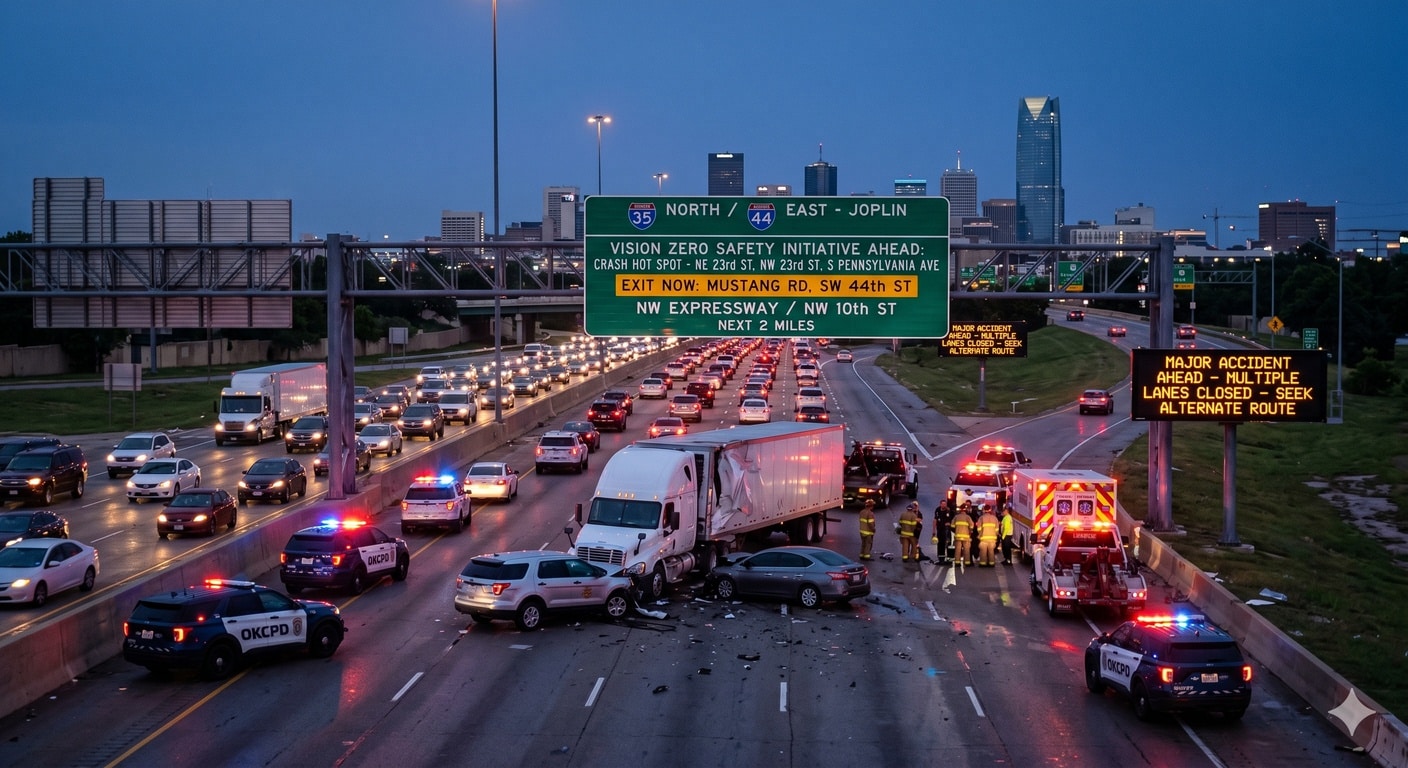
Anyone who drives in Oklahoma City knows traffic isn’t what it used to be. The freeways feel tighter. The intersections feel meaner. And the numbers tell the same story most drivers are already living: OKC has been on a steady upward climb in crashes for years now, with one recent year clocking around 1,700 injury or fatal wrecks inside city limits alone.
The first three months of 2026 didn’t slow that trend down. A multi-vehicle crash on the Broadway Extension. A deadly head-on out in southwest OKC. Hit-and-runs scattered across the same handful of corridors that keep showing up on the police blotter. If you commute through any part of the metro, you’re driving past these spots every day — most people just don’t realize how often the ambulances are coming back to the same patches of pavement.
So here’s where things are actually going wrong, why, and what you need to know if you end up tangled in one of these wrecks.
Where the Crashes Keep Happening
A few names come up over and over in the city’s accident data.
I-40, between Council Road and N. MLK. This stretch is brutal. You’ve got freight, commuter traffic, and an endless rotation of construction zones competing for the same lanes. It’s been a hot spot for years and 2026 hasn’t changed that.
NW Expressway and Belle Isle. The whole NW Expressway corridor is rough, but Belle Isle in particular sees more than its share. A lot of it comes down to the volume of cars combined with people darting across lanes to make a retail entrance or an exit ramp.
Memorial Road — at Rockwell, and again at North May. Two intersections, same corridor, both stacked with commercial development. Constant turning traffic plus drivers trying to beat lights equals a lot of collisions.
N. May at the Kilpatrick Turnpike. This one spiked sharply early in 2026. The merging traffic near those exit ramps moves fast, and the geometry doesn’t give anybody much room to react.
Downtown, from Research Park down to the Convention Center. Crash activity here jumped this year too. Pedestrians, frequent stops, dense traffic — it adds up.
N. Rockwell (between OK-3 and W. Britton) and S. Mustang Rd. (between SW 15th and Reno). Both stretches have absorbed a lot of new residential and commercial growth, and both saw clear accident spikes in early 2026.
If you want to track this stuff yourself, the City of OKC’s Response & Accident Tracker shows live calls, and the Oklahoma Highway Safety Office’s crash dashboard has the historical data.
Why the Numbers Keep Climbing
None of the reasons are surprising. They’re just stacking up faster than the roads can absorb them.
Distracted driving is still the big one. Phones, navigation screens, infotainment systems — Oklahoma City logged around 180 distracted-driving crashes in a single recent year, and that’s only the ones the police could pin down at the scene.
Speeding is right behind it, with more than 200 speed-related crashes in the city in a recent year. The Kilpatrick especially is a place where the posted limit and the actual flow of traffic don’t always agree, and it shows up in the wreck reports.
Drunk driving accounted for roughly 100 OKC crashes in that same window, with another 60 or so involving drugs. These are usually the most catastrophic, and depending on where the at-fault driver was drinking, there can be a dram shop case against the bar or restaurant that kept serving them.
Hit-and-runs are a category of their own. Around 175 a year in OKC, ten or so of them fatal. Oklahoma takes fleeing the scene seriously — it’s a crime, and the law allows for triple damages on property loss in some hit-and-run cases.
And then there’s the weather. Ice in January and February, severe storms in spring, the occasional flash flood — every one of those events spikes the multi-vehicle wrecks on I-35, I-40, and I-44.
What to Actually Do in the First Hour After a Crash
The decisions you make in that first hour will shape everything that comes after. A few things matter more than people realize:
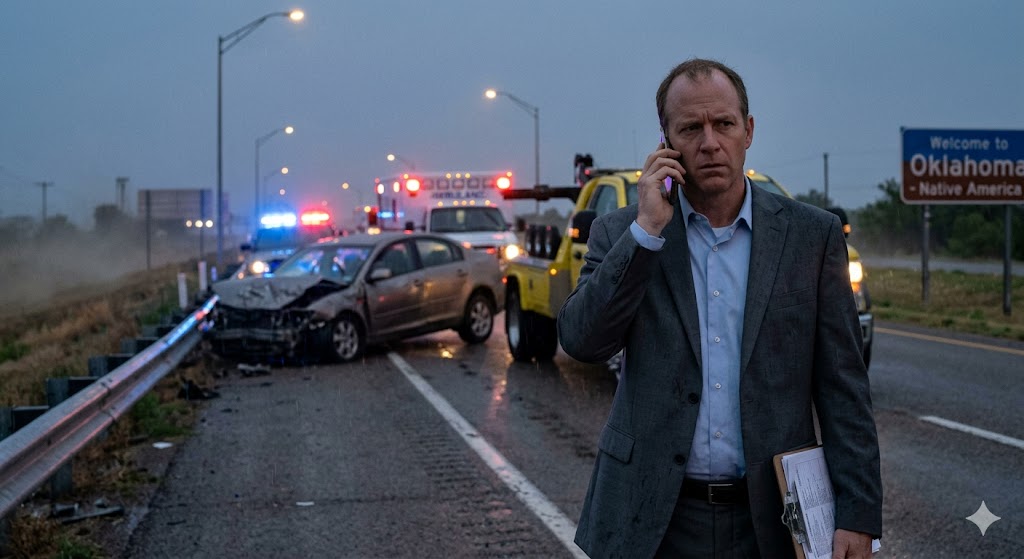
Call 911, even if it looks minor. The police report becomes one of the most important documents in any later claim, and you don’t want to be the one trying to recreate the scene from memory two months down the road.
See a doctor, even if you feel okay. Adrenaline is a liar. Whiplash, concussions, soft-tissue damage, internal injuries — none of these announce themselves the way a broken bone does. They show up in the days and weeks after.
Take photos. Vehicles, the scene, traffic signals, road conditions, your injuries — anything you can safely capture. And get contact info from witnesses while they’re still standing there. Witnesses scatter fast.
Don’t give a recorded statement to the other driver’s insurance company. That call usually comes within 48 hours, and the adjuster on the line is friendly, sympathetic, and trained to ask questions designed to minimize what they pay you.
And don’t sign anything until you’ve talked to a lawyer. The first settlement offer is almost never close to what the case is worth. Once you sign, you’re done.
Oklahoma’s Laws Are Not on Your Side If You Wait
A few things about Oklahoma law that catch people off guard:
You generally have two years from the date of the crash to file a personal injury lawsuit (12 O.S. § 95). Miss that window and the case is gone — no second chances, no exceptions for “I didn’t know.”
Oklahoma uses modified comparative negligence with a 51% bar (23 O.S. § 13). If you’re 50% or less at fault, you can still recover, but your award gets reduced by your percentage of fault. Hit 51% and you walk away with nothing. This is exactly why insurance companies work so hard to push your fault percentage upward — they’re not just trying to lower the payout, they’re trying to zero it out.
If a city vehicle, school bus, or any government employee was involved, the deadline is even shorter. One year for a notice of tort claim under 51 O.S. § 156. People miss this one all the time.
The pattern in all of these is the same: the system rewards moving quickly and punishes people who try to handle things on their own.
How We Help
McKay Law has recovered over $500 million for personal injury clients across Oklahoma. The cases we see most often on these OKC corridors include:
- Car accidents
- Rear-end accidents in Oklahoma City
- T-bone crashes at intersections
- Multi-car pile-ups
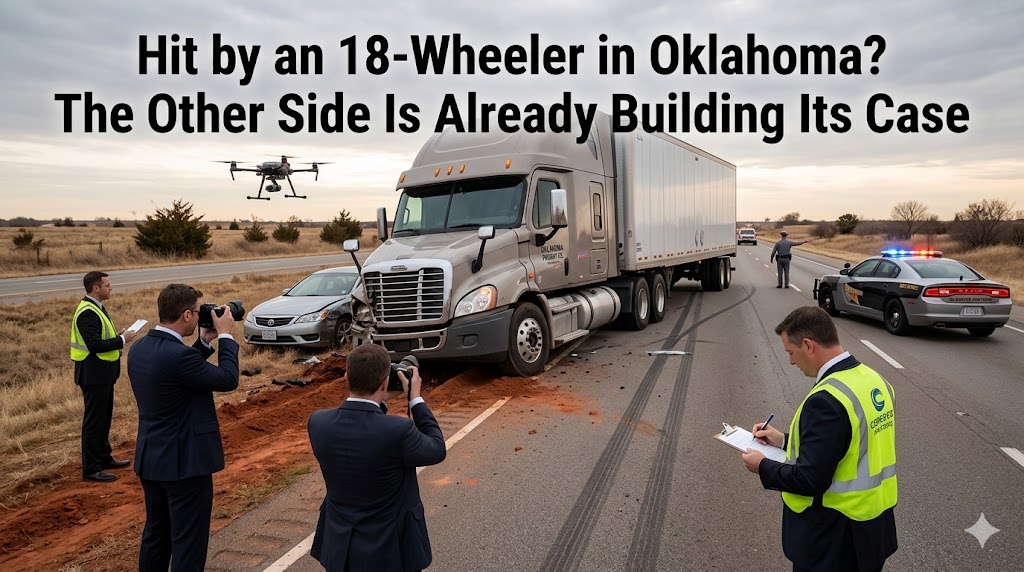
- Truck and 18-wheeler wrecks
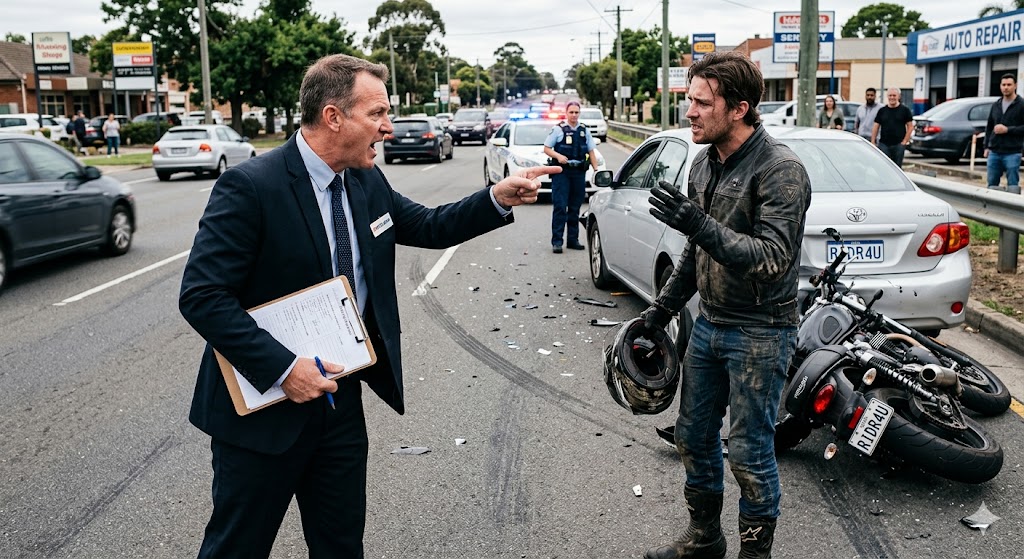
- Motorcycle accidents
- Rideshare crashes (Uber and Lyft)
- Wrongful death claims
We work on contingency, which means you don’t pay us anything unless we win your case. Start a free case evaluation here, or call 866-679-9651 any time — somebody’s available 24/7.
Resources Worth Bookmarking
- OKC Response & Accident Tracker — live map of active calls
- Oklahoma Highway Safety Office Crash Data — annual crash facts and dashboards
- Oklahoma Department of Transportation — road conditions and construction info
- Oklahoma Department of Public Safety — how to pull your crash report
- NHTSA Road Safety — national data and prevention resources
- Oklahoma Insurance Department — file a complaint or verify a policy
The Honest Bottom Line
OKC isn’t getting any easier to drive. The same handful of corridors keep producing the same kinds of wrecks, and 2026 looks like another year of climbing numbers. If you’ve been hit, the clock is already ticking — and the other side’s insurance company is already three steps ahead of you.
You don’t have to figure this out alone. Reach out to McKay Law for a free consultation. We’ll look at what happened, walk you through what Oklahoma law actually says about your situation, and fight for what you’re owed.