

“Labor Omnia Vincit” McKay Law
Bacone, OK Structural Defect Accident Lawyer
When a structure collapses, breaks, or gives way, the results can be devastating or fatal. Throughout Bacone, OK, McKay Law represents victims injured by collapsed decks, broken stairs, faulty railings, and structural failures. These incidents are never truly “accidents”—they’re the result of negligence, cut corners, or defective design. When that failure causes injury, the responsible parties can be held accountable. These claims often involve deck collapses at apartment complexes, balcony failures at restaurants and bars, stairway collapses, railing breakaways, and construction-related building failures. These failures are often caused by improper design or engineering, substandard construction materials, code violations, shortcuts during construction, lack of inspection, deferred maintenance, water damage and rot, corrosion, defective products like fasteners and connectors, and improper modifications by property owners. Structural defect cases are more complex than basic property claims—fault may rest with several defendants. All parties involved in the design, construction, inspection, and maintenance of the structure may all share legal responsibility. Our Bacone building collapse lawyers investigate every angle. We partner with construction experts, engineering specialists, and inspection professionals to identify exactly what failed and who’s responsible. We move fast to preserve key proof—the physical evidence of the failure, design specifications, inspection reports, and the property’s maintenance history. Evidence in structural defect claims disappears fast—the longer you wait, the more evidence is lost forever. Victims of structural collapses often suffer are often catastrophic—long-term medical needs, lost income, lasting pain, and devastating losses for families. The corporations and businesses behind these failures will work hard to deflect blame—often pointing fingers at each other to avoid accountability. We don’t let them. Every client harmed by a structural defect is handled on a contingency fee basis—you pay nothing unless we recover for you. Recoverable damages include medical bills, future care costs, lost wages, lost earning capacity, pain and suffering, mental anguish, disfigurement, loss of enjoyment of life, and in fatality cases, wrongful death damages. Don’t let evidence disappear while you wait. Call McKay Law now for a no-cost case review with a Bacone, OK structural defect lawyer who will fight to hold every responsible party accountable.
Settlements Won
0
+
Million Dollars Won
0
+
Google 5 Star Reviews
0
+
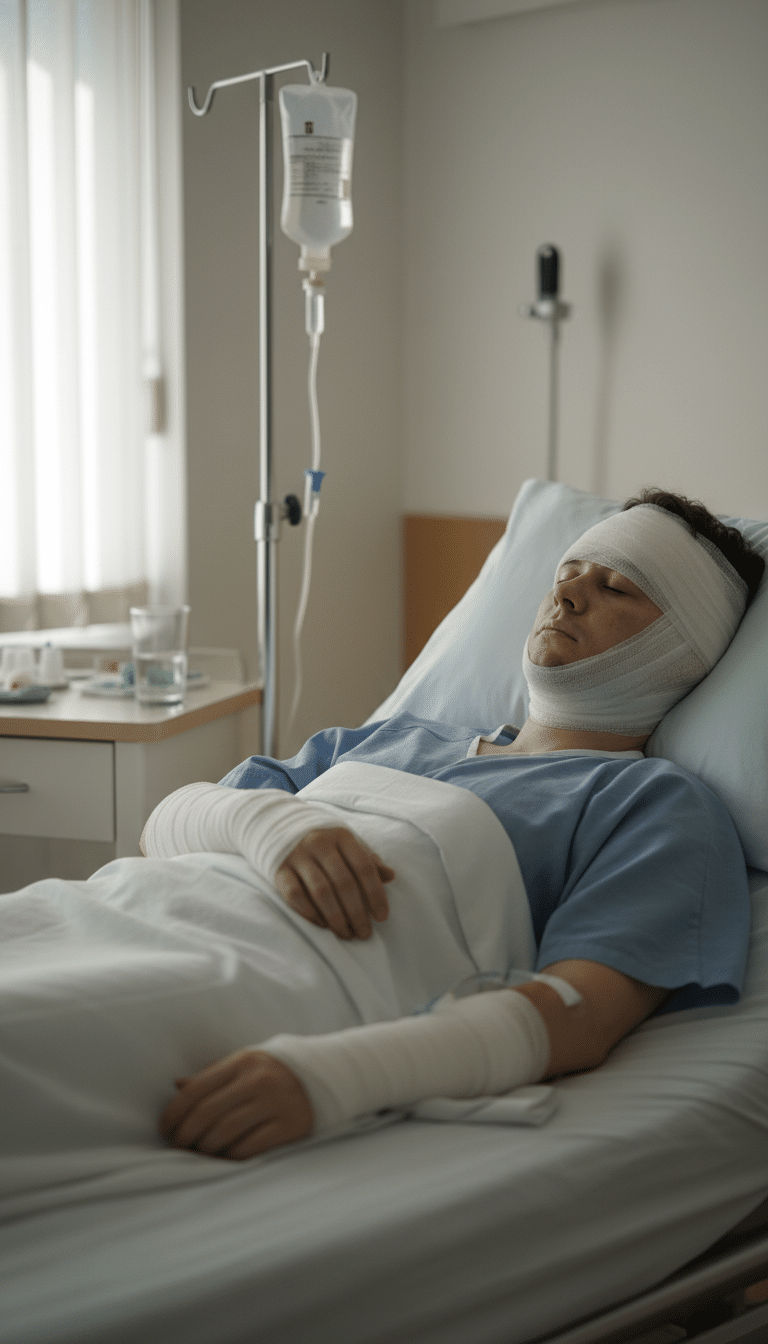
Structural Defect Accident Lawyer in Bacone, OK | McKay Law
Understanding Structural Defect Accident Claims
When the very framework of a building gives way, the consequences are often severe. Structural failures often happen without warning, causing devastating injuries with no time to brace. When the cause is defective design, faulty construction, neglected upkeep, or code violations, the injured party can seek compensation. Our firm fights for structural defect victims in Bacone and in surrounding communities.
Types of Structural Failures
- Balcony and deck collapses
- Stairway and staircase failures
- Floors giving way
- Roof collapses
- Wall or ceiling collapses
- Settling and foundation issues
- Failing rails
- Lift and escalator defects
- Scaffold failures on construction sites
- Bleacher and grandstand collapses
- Parking garage collapses
- Failing walkways and bridges
Common Causes of Structural Defects
- Defective design and engineering
- Faulty workmanship
- Use of substandard or defective materials
- Failure to meet code
- Lack of inspection and maintenance
- Water intrusion
- Pest-related deterioration
- Corrosion of structural steel
- Exceeding load capacity
- Age and deterioration
- Improper renovations or modifications
- Failure to comply with engineering specifications
Common Injuries From Structural Defect Accidents
- Traumatic brain injuries (TBI)
- Permanent paralysis
- Crushing trauma
- Multiple fractures
- Internal organ damage
- Traumatic amputation injuries
- Lacerations and deep wounds
- Crushing-related breathing injuries
- Post-traumatic stress and psychological injuries
- Death from catastrophic failures
Who Can Be Held Liable in a Structural Defect Case
Several entities may bear liability:
- The owner of the building or structure
- The property manager
- The construction company in newer constructions or recent renovations
- Subcontractors who performed the defective work
- The structural engineer whose plans created the defect
- The material manufacturer
- Code inspectors whose inspection missed the problem
- Repair contractors whose poor work led to failure
- A public authority responsible for inspections or public structures
Where These Failures Happen
- Apartment buildings
- Lodging facilities
- Office buildings
- Food service establishments
- Stadiums and arenas
- Schools and universities
- Building sites
- Shopping malls and retail centers
- Parking garages
- Houses
- Bridges and pedestrian walkways
Visitor Status in Structural Defect Cases
Oklahoma recognizes three visitor categories, with business visitors receiving the most protection. When a structure fails and injures someone, the legal duty owed depends on visitor status.
Construction Defect Statute of Repose
Oklahoma has a statute of repose for construction defect claims. Per Okla. Stat. tit. 12, § 109, the 10-year period runs from substantial completion of the construction. This works alongside the standard personal injury statute of limitations. The two deadlines together demand prompt legal action.
Building the Evidence
- A Duty of Care — A duty of care applied.
- Violation of That Duty — The duty was breached through defective design, work, or maintenance.
- That the Defect Caused the Failure — The breach led to the collapse and the harm.
- Concrete Harm — Medical costs, lost income, pain and suffering, and other compensable losses.
Key Evidence in These Claims
- Scene and damage documentation
- The actual failed components
- Architectural and engineering plans
- Inspection documentation
- Construction contracts and records
- Maintenance and repair records
- Complaint history
- Code requirements at the time of construction
- Expert engineering analysis
- Forensic material analysis
- Testimony from people present at the failure
- Medical records
Damages Available
- Past and future medical expenses
- Ongoing rehabilitation expenses
- Lost income and reduced earning capacity
- Property and personal property loss
- Non-economic damages
- Loss of enjoyment of life
- Damages for impact on relationships
- Wrongful death compensation in fatal failures
- Punitive damages where defendants knew of defects or recklessly disregarded safety
Filing Deadline
You typically have 2 years from the date of the incident to file a personal injury claim (Okla. Stat. tit. 12, § 95). The construction defect statute of repose adds another deadline: construction-related claims must be filed within 10 years of substantial completion (Okla. Stat. tit. 12, § 109).
How McKay Law Approaches Structural Defect Cases
We move quickly to preserve the failed structure as evidence, engage structural engineering specialists, investigate every party in the chain — owner, contractor, designer, materials supplier, obtain building records, partner with healthcare providers, and prepare every case as if it will go to trial.
Frequently Asked Questions
Q: Who is responsible when a balcony, deck, or staircase collapses?
A: Liability typically spans several. Multiple defendants are common in structural cases.
Q: What does it cost to hire McKay Law?
A: Zero upfront. We only get paid if we win.
Q: What if the building was constructed years ago?
A: Time matters. The 10-year repose deadline applies, but other parties (like the owner for negligent maintenance) may still be liable.
Q: Should I give the property owner’s insurance company a recorded statement?
A: Don’t. Call us first.
Q: Should anyone preserve the failed structure?
A: Yes, urgently. Photograph it, secure it, and don’t let anyone clean it up before we inspect.
Q: How long do structural defect cases take?
A: Often extended. Expect extended timelines given the complexity.
Q: What is the deadline to file?
A: 2 years from the date of the incident (Okla. Stat. tit. 12, § 95), plus the 10-year construction defect repose deadline for construction claims (Okla. Stat. tit. 12, § 109). Move quickly — the structure may be repaired or removed.
Recovering Damages From a Building or Structure Collapse in Bacone, OK
When a balcony collapses, a staircase gives way, or a ceiling falls. Victims usually suffer catastrophic injuries. These cases involve a chain of potential defendants. A local lawyer experienced with construction defect injuries builds the case through expert analysis.
What Counts as a Structural Defect Accident?
Structural defect cases involve injuries caused by something giving way that shouldn’t have of a fixed structure or building component.
Common Failures Behind These Claims
- Elevated platform collapses
- Staircase collapses or step failures
- Ceiling, soffit, or overhang failures
- Railing and guardrail failures
- Floor collapses
- Multi-story parking structure failures
- Slope failures
- Truss failures
- Scaffold collapses
- Crane and lift failures
Why These Cases Hinge on Expert Investigation
Distinct from typical injury claims, expert investigation drives these cases. Without expert reconstruction, the defendants will simply blame each other.
The investigation typically involves:
- Structural failure analysts
- Metallurgists or concrete experts
- Code compliance experts
- Trade-specific consultants
- Engineering specialists in subsurface conditions where applicable
The Long Chain of Potential Defendants
Structural defect cases often implicate multiple parties, each potentially responsible for a different aspect of the failure.
The Property Owner
Premises liability principles apply. If they had notice of red flags about the structure, liability attaches.
The Property Manager
If a third-party manager handles operations, the manager may be on the hook for inspection failures or deferred maintenance.
The General Contractor
When the issue arose during the build (within the applicable OK statute of repose), the construction company can face breach of standard of care claims.
Subcontractors
Specific trades often bear primary fault — framers, concrete contractors, ironworkers, masons, or others — can be individually responsible.
The Architect or Design Professional
If the structure was designed inadequately, the engineer of record carries professional liability.
Materials Manufacturers
When the issue is a product defect, the product manufacturer can face product liability claims. Bad rebar, defective trusses, or faulty connectors are common culprits.
Inspectors
Property inspectors who certified the structure can be on the hook when they signed off on something they should have flagged.
Government Entities
When a municipal property is involved, state or local government can face liability. OK has specific notice requirements and immunity rules that must be followed precisely.
Statutes of Repose Add Pressure
Separate from the limitations period, OK imposes a statute of repose that cuts off liability past a certain point after construction. This makes prompt investigation essential.
Critical Evidence in Structural Defect Cases
Preservation of the Failed Structure
The failed structure is the most important evidence. The natural response is to remove debris and repair. A spoliation letter needs to be sent fast.
Building Plans, Permits, and Inspection Records
Construction documentation shows what was approved. Construction permits and inspection histories provide critical context.
Maintenance Records
The property’s upkeep records can reveal what the owner knew.
Photographs and Forensic Documentation
Forensic photographic documentation preserves what gets cleaned up.
Damages in These Cases
Reflecting how serious these accidents tend to be, recoverable losses run high. Compensation can cover extensive past and future medical care, lost wages and lost earning capacity, accessibility renovations, non-economic damages, survivor damages in fatal cases, and enhanced damages where warnings were disregarded.
Attorney Fees
Construction defect injury lawyers work on contingency. These cases require significant investment in expert witnesses fronted by counsel.
Get Started Immediately
Nothing matters more in these cases than fast investigation. Critical evidence vanishes within days. Getting a lawyer involved without delay frequently decides the outcome before anyone steps into a courtroom. Multiple time limits reinforce the need for fast action.
McKay Law Is Your Bacone Advocate After A Structural Defect Accident
Buildings, stairways, balconies, decks, and walkways are meant to hold up under the weight of everyday life — but when a developer takes shortcuts, a contractor bypasses the building code, or an owner leaves a property fall into disrepair, the consequences can be deadly. Collapsed balconies, failing handrails, crumbling staircases, falling ceiling fixtures, defective decking, and structurally unsound floors push thousands of people to the hospital every year with broken bones, spinal injuries, head trauma, and crush injuries. At McKay Law, we dig into exactly what failed and why, working with structural engineers, building code experts, and forensic architects to nail down every defect that led to your injury. We track responsibility back through the hierarchy of parties involved — the property owner, the property management company, the general contractor, the subcontractors, the architects and engineers who signed off on the design, and the suppliers of any defective building materials.
These cases happen fast because evidence disappears fast — debris gets cleared, repairs get made, and responsible parties race to make the failure look like an isolated incident rather than a pattern of cost-cutting. When you join the McKay Law family, we proceed immediately to preserve the scene, secure inspection records, obtain permit histories, and capture the evidence before anyone has a chance to clean it up. We fight for compensation for emergency response and trauma care, surgeries, hospitalization, ongoing rehabilitation, future medical needs, mobility aids and home modifications, lost paychecks, diminished earning capacity, and the long-term hardship that comes with surviving a structural failure that should have never happened. Reach us without waiting at (866) 679-9651 or reach out online to book your free consultation and place a firm that knows how to take on builders, owners, and their insurers behind you.
Video Testimonials






