

“Labor Omnia Vincit” McKay Law
Mustang, OK T-Bone Accident Lawyer
Side-impact collisions are among the deadliest types of car wrecks on Mustang, OK roads—because doors and side panels offer minimal protection. When a vehicle slams into the side of another, the consequences can be fatal. McKay Law fights for T-bone accident victims throughout OK. Side-impact wrecks usually involve intersection failures—stemming from drivers who ignored traffic signals, signs, or right-of-way rules. Establishing who’s responsible demands experienced legal work—surveillance video, eyewitness accounts, electronic data, and forensic analysis. Our Mustang side-impact collision lawyers act fast to secure proof before surveillance footage is overwritten. T-bone injuries include head trauma, chest injuries, crushed limbs, and life-altering disabilities—particularly for the occupant on the impact side. We fight for every dollar including medical bills, future care, lost wages, lost earning capacity, pain and suffering, and wrongful death damages. Adjusters frequently argue both drivers shared blame in T-bone cases—we shut those tactics down with hard evidence. Every T-bone accident case is handled on a no-win, no-fee basis—no fees unless we recover. Call McKay Law now for a complimentary evaluation with a Mustang, OK side-impact collision attorney who will hold the at-fault driver and their insurer accountable.
Settlements Won
0
+
Million Dollars Won
0
+
Google 5 Star Reviews
0
+
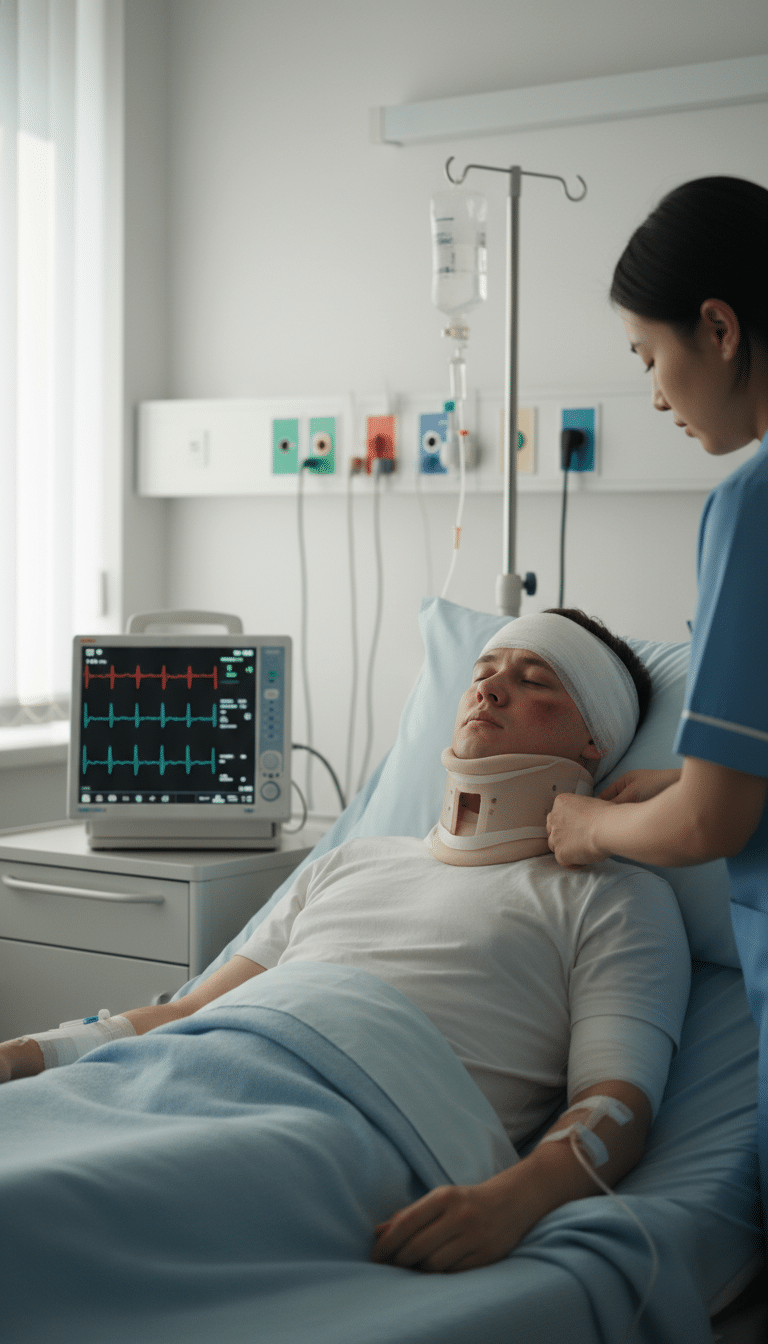
T-Bone Crash Legal Counsel in Mustang, OK | McKay Law
Understanding T-Bone Accident Claims
T-bone collisions — also called side-impact or broadside crashes — are among the deadliest types of accidents. Unlike front and rear impacts, the side of a vehicle has very little structure between the occupant and the striking vehicle. Side curtain airbags reduce but don’t eliminate the danger. McKay Law advocates for T-bone accident victims in Mustang and in surrounding communities.
Why T-Bone Crashes Happen
- Running red lights
- Stop sign violations
- Not yielding right of way
- Texting or phone use
- Alcohol or drug impairment
- Speeding through intersections
- Bad judgment
- Aggressive driving
- Drowsy driving
- Sight-line problems at intersections
- Defective traffic signals
Typical Side-Impact Injuries
- Brain injuries
- Spine injuries
- Injuries from cabin intrusion
- Broken ribs
- Internal organ damage
- Hip injuries
- Lower body fractures
- Upper extremity trauma
- Glass-related injuries
- Cervical strain
- Fatal injuries
The Physics of Side-Impact Collisions
- Minimal protection on the sides of vehicles
- Less distance for force to dissipate
- Intersection speeds amplify injury
- Multiple vehicles often involved
- Side curtain airbags help but don’t fully prevent injury
- Significantly higher injury severity
Liability in T-Bone Cases
Determining fault in T-bones generally comes down to right of way:
- Red light or stop sign violators are usually the at-fault party
- Yield violations typically establish fault
- Comparative fault may apply
- Third parties may share liability when something other than driver error caused the crash
How Shared Fault Works
Oklahoma uses a modified comparative negligence system (Okla. Stat. tit. 23, § 13). You can still recover if you are 50% or less at fault, though your share reduces the final award.
Key Evidence in These Claims
- Crash reports
- Intersection cameras
- Witness statements
- Phone data tied to the moment of impact
- EDR readouts on speed and braking
- Scene and damage photos
- Forensic evidence
- Traffic signal timing and maintenance records
- Expert analysis of the crash
- Medical records
Potential Defendants
- The at-fault driver
- Their employer if the driver was on the job
- The vehicle owner in cases of negligent entrustment
- A government entity responsible for defective signals or dangerous intersection design
- A signal maintenance company
- A bar or restaurant where overserving contributed
Elements of Your Claim
- Duty — There was a duty to obey signals and yield.
- Negligent Conduct — Right of way was violated.
- That the Conduct Caused the Crash — The traffic violation caused the collision and your injuries.
- Concrete Harm — Economic and non-economic harm.
What Compensation Looks Like
- Past and future medical expenses
- Lifetime care costs
- Lost income and diminished earning ability
- Damage to belongings
- Pain and suffering
- The toll on daily life
- Damages for impact on relationships
- Survivor damages when the wreck was fatal
- Punitive damages in cases of DUI, gross negligence, or extreme recklessness
Time Limits to Be Aware Of
Oklahoma generally gives two years from the date of the crash to file (Okla. Stat. tit. 12, § 95). Cases involving public defendants trigger one-year notice requirements.
How McKay Law Approaches T-Bone Cases
We get to work immediately to secure intersection camera footage before it’s deleted, pull traffic signal documentation, retain accident reconstruction experts, work with treating doctors, and treat each matter as trial-ready.
Frequently Asked Questions
Q: Who’s at fault in a T-bone crash?
A: The driver who ignored traffic control rules.
Q: What does it cost to hire McKay Law?
A: Nothing upfront. We only get paid if we win.
Q: What if the other driver claims I ran the light?
A: Common dispute — we handle it. Video, witnesses, and expert analysis typically resolve who had the light.
Q: Should I give the insurance company a recorded statement?
A: Never. Talk to a lawyer first.
Q: Can a defective traffic signal be the cause?
A: Yes — and the government can be liable. Government and contractor liability is possible when signals fail.
Q: What is the deadline to file?
A: 2 years from the date of the crash (Okla. Stat. tit. 12, § 95). Different rules for government cases.
T-Bone Accident Claims in Mustang, OK
Side-impact wrecks have one of the highest fatality rates of any crash type. The physics work against survival. At the moment of T-bone impact, just a door panel separates the occupant from impact. An attorney experienced with intersection collisions brings the expertise these high-severity wrecks demand.
Why T-Bone Crashes Cause Such Serious Injuries
The engineering explains everything. Modern vehicles have impressive front and rear crash protection. Side impacts are different.
The protection geometry just isn’t there:
- No engine block to absorb impact
- The door is just inches from the occupant
- Curtain and side airbags reduce — but don’t eliminate — injury risk
- Lateral forces are harder for the body to absorb
Injury Patterns Specific to T-Bone Crashes
Traumatic Brain Injury
Direct head contact with the door frame or undergoes rapid side-to-side motion. Brain injuries from side-impact wrecks are often serious.
Chest and Rib Injuries
The torso takes direct lateral impact. Flail chest can puncture lungs.
Pelvic Fractures
The struck vehicle’s door intrudes at the pelvis. These fractures are notoriously painful.
Spinal Cord Injuries
Side-impact spinal injuries can be devastating. Permanent neurological injury happen with significant frequency.
Abdominal Organ Damage
Internal organs can tear from the direct impact. Splenic lacerations are frequent diagnoses.
Lower Extremity Injuries
Lower limb injuries from door intrusion are standard injury findings.
Establishing Fault in a T-Bone Crash
Different from clearer cases, T-bone fault often requires investigation.
Who Had the Right of Way?
The driving issue in side-impact cases is right of way. The answer turns on:
- The traffic control devices at the intersection
- The phase each driver faced
- Which driver entered the intersection first
- Whether either driver was speeding
- Driver attention and condition
Critical Evidence
- Traffic camera footage
- Personal dashcams
- Surveillance footage from nearby businesses
- Scene reconstruction
- EDR information from both vehicles
- Independent eyewitness accounts
- Cell phone records
- Police reports and citations
When Fault Is Contested
Conflicting accounts of who had the green are routine. Crash reconstruction specialists are typically necessary to resolve the fault question.
Other Liable Parties
Liability isn’t always limited to the drivers:
- Public entities for inadequate visibility at the intersection
- Work zone managers when construction-related conditions caused the crash
- Companies operating the vehicles when the at-fault driver was on company time
- Auto manufacturers when product defects played a role
Common Insurance Tactics
“It Was Your Fault — You Had the Stop Sign”
Side-impact cases often produce “he said, she said” fault disputes. Without surveillance or witness support, the dispute can hinge on whose story holds up.
Comparative Fault
Even with the other driver primarily at fault, insurers often allege partial fault for failure to yield, failure to see the approaching vehicle, or failure to take evasive action.
Minimizing Injury Severity
Even with severe injuries documented, insurers push to minimize value.
Damages in T-Bone Cases
Because T-bone injuries are typically severe, recoverable losses run high. Compensation can include hospitalization and surgical costs, past and future income loss, accessibility renovations, pain and suffering, loss of consortium in fatal cases, and exemplary damages where the at-fault driver’s conduct was egregious.
Attorney Costs
Side-impact crash lawyers earn fees only on recovery. Case reviews cost nothing.
Move Quickly
Intersection evidence disappears fast. Skid marks and physical evidence fade within days. Black box information can be lost when the car gets handled. Witness memories fades quickly. Engaging counsel right away protects the case before the proof disappears. The filing deadline sets a hard deadline.
McKay Law Is Your Mustang Advocate After A T-Bone Accident
T-bone collisions — the kind where one vehicle smashes broadside into the other at an intersection — are among the most devastating crashes on the road because there is almost nothing between the occupant and the impact. Unlike a front or rear collision, where engines, trunks, and crumple zones absorb energy, a side impact sends force directly into the doors, often causing broken ribs, punctured lungs, pelvic fractures, traumatic brain injuries, and serious spinal damage. These wrecks generally happen because someone ran a red light, blew through a stop sign, failed to yield at a turn, or was looking at a phone instead of the road. At McKay Law, we act fast to gather intersection camera footage, nearby business surveillance video, traffic signal timing data, and witness statements before they’re lost — because in T-bone cases, who had the right of way is everything, and the at-fault driver almost always claims it was the other way around.
The injuries from a side-impact crash typically necessitate surgery, extended hospital stays, and months or years of rehabilitation, while the at-fault driver’s insurance company works overtime to shift blame to you. When you come into the McKay Law family, we shut that down. Our team brings in accident reconstruction specialists, biomechanical engineers, and treating physicians who can explain to the jury exactly how the impact occurred, why it caused the injuries you sustained, and what the long-term picture really looks like. We fight for full compensation for emergency transport and trauma care, surgeries, ICU and hospitalization, rehabilitation and physical therapy, future medical needs, lost paychecks and lost earning capacity, vehicle replacement, and the permanent pain and emotional weight of surviving a crash this brutal. Call us without waiting at (866) 679-9651 or reach out online to schedule your free consultation and place a firm that fights to win behind you.
Video Testimonials






