

“Labor Omnia Vincit” McKay Law
Tecumseh, OK Taxi Accident Lawyer
Taxi accidents are more complicated than typical car wrecks in Tecumseh, OK—whether you were riding in the cab or hit by one, the legal questions are anything but simple. McKay Law advocates for taxi accident victims across OK. These cases involve unique complications—cab drivers are usually employees or contractors working for taxi companies. This results in multiple sources of compensation may be available—the driver personally plus the cab company that hired and dispatched them. Cab wrecks are often caused by exhausted drivers, rushed driving for more fares, navigation distractions, lack of training, and inadequate vehicle maintenance. When a cab driver caused your injuries, the taxi company itself may be liable for its driver’s actions under negligent hiring, training, or supervision claims. Our Tecumseh cab accident lawyers investigate every angle. We move quickly to preserve evidence—trip logs, driver records, taxi company documents, and electronic evidence. Victims of these wrecks often suffer include TBIs, herniated discs, fractures, soft tissue damage, and life-altering disabilities. We pursue full compensation including medical bills, future care, lost wages, lost earning capacity, pain and suffering, mental anguish, and wrongful death damages. Cab corporations and their legal teams will often try to deny responsibility—we know how to counter those defenses. Every client we represent is handled on a contingency basis—you pay nothing unless we win. Reach out to McKay Law right away for a complimentary evaluation with a Tecumseh, OK taxi injury lawyer who will fight for every dollar you deserve.
Settlements Won
0
+
Million Dollars Won
0
+
Google 5 Star Reviews
0
+
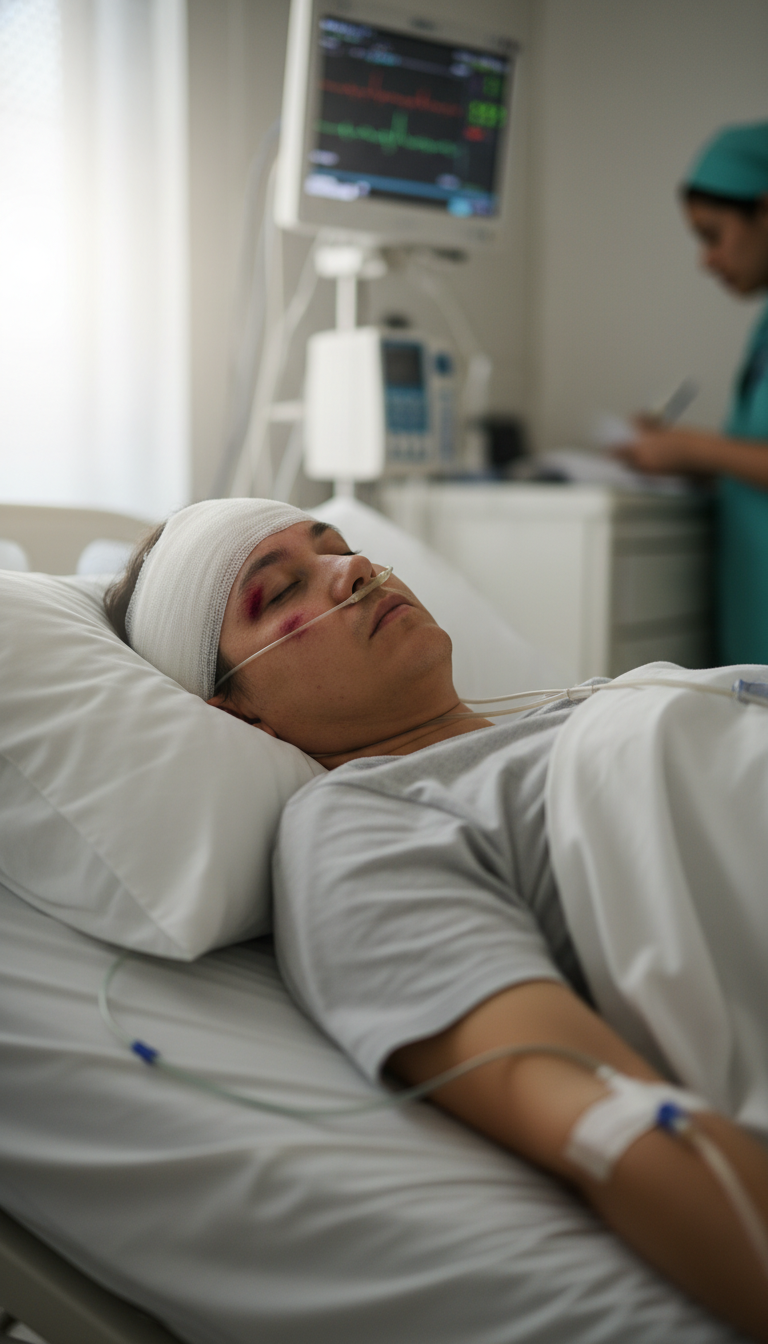
Taxi Crash Legal Counsel in Tecumseh, OK | McKay Law
What Is a Taxi Accident Claim?
Taxis have shared the road with passenger vehicles in Oklahoma for decades, but accidents involving taxis remain common. Whether you were a passenger in a taxi, another driver, or a pedestrian, taxi crashes raise insurance issues different from ordinary auto accidents. Compared to Uber and Lyft, taxis are usually treated as commercial vehicles, which produces bigger coverage and tougher opposition. Our firm fights for taxi accident victims in Tecumseh and in surrounding communities.
How These Wrecks Occur
- Drowsy driving
- Distracted driving
- Aggressive driving for more pickups
- Risky lane switching
- Sudden stops for passengers
- DUI
- Inadequately trained drivers
- Mechanical issues
- Traffic violations
- Stopping in traffic lanes
- Intersection violations
Who Was Hurt — Different Claims for Different Victims
- Taxi passengers — typically have the strongest claims since they’re rarely at fault
- Third-party motorists injured by a taxi
- People outside any vehicle hit while walking or biking
- The taxi driver themselves may have claims against the at-fault driver
- Family members of deceased victims in fatal taxi crashes
Common Injuries From Taxi Accidents
- Cervical strain
- Spinal trauma
- Traumatic brain injuries and concussions
- Bone breaks
- Internal organ injuries
- Facial injuries from airbags and broken glass
- Seatbelt-related trauma
- Knee, hip, and leg injuries
- Psychological injuries
- Death from catastrophic crashes
Who Can Be Held Liable in a Taxi Accident
- The cab driver
- The taxi company
- The driver of another vehicle
- The car maker when product defects played a role
- Service providers whose poor work caused the failure
- A road authority in charge of negligently maintained roads
Commercial Coverage for Taxi Companies
Taxis are classified as commercial vehicles, which generally requires higher insurance limits than personal auto policies. Coverage typically includes:
- Commercial auto liability
- Higher policy limits than personal auto insurance
- Coverage for passengers
- UM/UIM coverage where applicable
The exact limits depend on city, state, and company policies.
Elements of Your Claim
- A Duty of Care — The taxi driver had a duty to operate the vehicle safely.
- Negligent Conduct — The driver failed to drive reasonably.
- That the Conduct Caused the Crash — The negligence directly caused the crash and your injuries.
- Concrete Harm — Medical bills, lost income, pain and suffering, and other losses.
Evidence That Wins Taxi Accident Cases
- Police accident reports
- Visual evidence
- Records of the trip and driver
- Surveillance and traffic camera footage
- Cab camera recordings if installed
- Witness statements
- Records of driver distraction
- EDR readouts
- Personnel file information
- Service and inspection logs
- Medical records
What Compensation Looks Like
- Medical bills, past and future
- Long-term rehabilitation costs
- Lost income and loss of earning power
- Damage to belongings
- Physical and emotional suffering
- Diminished quality of life
- Loss of companionship
- Wrongful death compensation when the wreck was fatal
- Exemplary damages when conduct rises above ordinary negligence
Time Limits to Be Aware Of
Oklahoma generally gives 2 years from the date of the crash to file (Okla. Stat. tit. 12, § 95). Quick action helps these cases because dispatch records, surveillance footage, and driver records can be destroyed or lost.
How McKay Law Approaches Taxi Accident Cases
We move quickly to send preservation letters to the taxi company and all potential defendants, investigate the driver’s history and the company’s training and supervision, identify all applicable insurance coverage, work with treating doctors, and treat each matter as trial-ready.
FAQ
Q: I was a taxi passenger when we crashed — who pays for my injuries?
A: The taxi company’s commercial insurance — and possibly another at-fault driver’s policy.
Q: What does it cost to hire McKay Law?
A: Nothing. We only get paid if we win.
Q: Can I sue the taxi company directly?
A: Usually possible — the taxi company is usually directly liable for its employees.
Q: A taxi hit me while I was in another vehicle — what’s my claim?
A: You can pursue the driver, the company, and their commercial insurance.
Q: Should I give the taxi company’s insurance company a recorded statement?
A: Never. Refer them to your attorney.
Q: How is a taxi case different from a rideshare case?
A: Taxi cases follow standard employer liability rules; rideshare cases turn on app status periods.
Q: What is the deadline to file?
A: Two years from the date of the crash (Okla. Stat. tit. 12, § 95). Move quickly — evidence vanishes.
Recovering Damages From a Taxi Accident in Tecumseh, OK
A taxi cab crash isn’t a typical auto wreck case. Cabs are commercial vehicles with commercial insurance and commercial liability. That changes everything. A local attorney experienced with taxi cab cases builds the case the way taxi cases need to be built.
Taxis Aren’t Rideshare — The Differences Matter
People often confuse taxi cases with Uber and Lyft cases. These distinctions affect everything from insurance to procedure.
Common Carrier Status
Taxi services historically operate as common carriers. Rideshare classification is contested and varies by state.
Heightened Duty of Care
The common carrier standard is the most demanding duty in tort law. This is significantly higher than the ordinary negligence standard.
Driver Classification
Taxi drivers are sometimes employees, sometimes independent contractors. Employment status shapes whether the cab company is directly liable for driver negligence.
Insurance Structure
Taxi liability coverage operates differently than personal auto. Coverage limits are typically higher than personal policies.
Who’s Liable When a Taxi Causes a Crash
The Driver
The cab driver’s direct negligence is the starting point.
The Taxi Company
How the company is liable depends on whether the driver is employee or contractor. For employee drivers, the taxi company is directly liable for the driver’s negligence.
Where the driver leases the cab, recovery typically runs through the taxi’s commercial insurance. But the company can still face liability for negligent hiring (failing to check driving records or criminal history).
The Vehicle Owner
Sometimes the medallion holder, owner, and driver are separate parties. Multiple parties may be on the hook.
Other Drivers
When another motorist caused the crash, that driver and their insurer face primary liability. UM/UIM coverage on the taxi may be available.
Vehicle and Component Manufacturers
Vehicle defects can implicate equipment manufacturers.
Maintenance Providers
Taxi cabs see high mileage and demanding service. When maintenance failures cause crashes, repair facilities may share fault.
Who Can Bring a Taxi Claim?
Several types of claimants can pursue taxi accident compensation:
- Passengers riding in the cab
- Drivers and passengers in other vehicles
- Non-motorists struck by the cab
- The taxi driver when another motorist caused the crash
Why Passenger Cases Carry Distinct Advantages
If you were riding in a taxi when it crashed, your position is unusually strong. You’re almost never going to be found at fault as a passenger. The dispute is between insurers, not about your conduct.
Passenger cases often access multiple coverage layers:
- Commercial coverage on the taxi
- The other driver’s policy if they caused the crash
- The taxi’s UM/UIM coverage
- Your own auto policy’s UM/UIM coverage
Common Taxi Accident Scenarios
Pickup and Drop-Off Collisions
Loading passengers from active lanes generates frequent collisions.
Door-Opening Crashes
“Dooring” cyclists cause frequent cyclist trauma.
Fatigue-Related Crashes
Many cab drivers work extended shifts. Fatigue-related taxi wrecks sometimes expose systemic safety failures.
Distracted Driving
Drivers managing multiple devices are vulnerable to distraction.
Reckless Driving
Some cab drivers operate aggressively to maximize fares drive elevated crash risk.
Critical Steps After a Taxi Crash
Document the Cab and Driver Information
Photograph the cab number. Record driver and company details.
Save Your Trip Records
Documentation of the ride establish you as a passenger and document the trip.
Get Medical Attention Immediately
Even if you feel okay, getting checked out quickly protects the claim.
Don’t Negotiate With the Taxi Company Directly
Taxi operators may offer quick informal resolutions. Talking to the company without legal advice is a common mistake.
Damages in Taxi Accident Cases
Recoverable losses include hospitalization costs, missed income, reduced work ability, pain and suffering, and loss of consortium in fatal cases.
Attorney Costs
Cab crash lawyers work on contingency. First meetings carry no charge.
Don’t Wait
Taxi companies maintain their own claims operations. They may try to settle the case before you understand its full value. Engaging counsel promptly protects against premature settlement before OK’s statute of limitations becomes a concern.
McKay Law Is Your Tecumseh Advocate After A Taxi Accident
When you get into a taxi, you’re putting your faith in the driver and the company to get you where you’re going safely — but that trust is broken every day on streets and highways across the country. Taxi drivers work extended shifts, often paid in ways that push speed over caution, and the vehicles they drive rack up hundreds of thousands of miles with maintenance that doesn’t always keep pace. When a crash happens — whether you were a passenger, a pedestrian, a cyclist, or the driver of another vehicle — sorting out liability gets complex because taxi companies, independent operators, drivers, and their respective insurers all have distinct interests in limiting responsibility. At McKay Law, we cut through those layers and know which policies apply, which records to secure, and how to hold every responsible party accountable.
Taxi cases hinge on details most victims don’t think to document — the driver’s hours behind the wheel, the company’s maintenance history on that specific vehicle, the dispatch records, surveillance from inside or near the cab, and any prior complaints against the driver or carrier. When you join the McKay Law family, we take on all of that while you focus on your recovery. We fight for compensation for ambulance and ER bills, surgical procedures, ongoing physical therapy, prescription costs, future medical needs, time away from work, diminished earning capacity, and the pain, anxiety, and disruption that follow a crash you never expected. Phone us now at (866) 679-9651 or reach out online to arrange your free consultation and put a firm that knows how to take on taxi companies and their insurers in your corner.
Video Testimonials






