

“Labor Omnia Vincit” McKay Law
Muskogee, OK Trip-and-Fall Accident Lawyer
Falls caused by tripping hazards occur faster than you can react—but the consequences can be permanent. When negligent maintenance in Muskogee, OK ignores obvious dangers, customers and guests pay the price. McKay Law advocates for trip-and-fall victims throughout OK. While slip-and-fall accidents involve loss of traction—trip-and-falls occur when an obstacle stops your foot from completing a step, often causing victims to land hard on hands, wrists, knees, or face. Common tripping hazards include sidewalk defects, parking lot hazards, store displays blocking paths, construction debris, and unmarked changes in floor elevation. Property owners have a legal duty to inspect for tripping dangers, fix them, and warn of any they can’t immediately address—but holding them accountable demands experience. Establishing liability requires proving the hazard existed, the owner knew or should have known about it, they failed to fix or warn about it, and that failure caused your injuries. Our Muskogee trip-and-fall attorneys immediately begin building your case—surveillance footage before it’s erased, photographs of the hazard, incident reports, witness statements, maintenance and inspection records, and prior complaints about the same condition. Critical video evidence is often destroyed within weeks, so time matters. Victims frequently suffer wrist and arm fractures from outstretched hands, head trauma, facial injuries, broken hips, and serious spinal damage—especially serious for seniors. Insurance companies defending these cases frequently argue you weren’t watching where you were going—we know how to counter these defenses. Every trip-and-fall case is handled on a contingency fee basis—no fees unless we recover. Compensation may cover medical bills, future care, lost wages, lost earning capacity, pain and suffering, and diminished quality of life. Reach out to McKay Law right away for a free consultation with a Muskogee, OK premises liability attorney who will fight to hold the negligent property owner accountable.
Settlements Won
0
+
Million Dollars Won
0
+
Google 5 Star Reviews
0
+
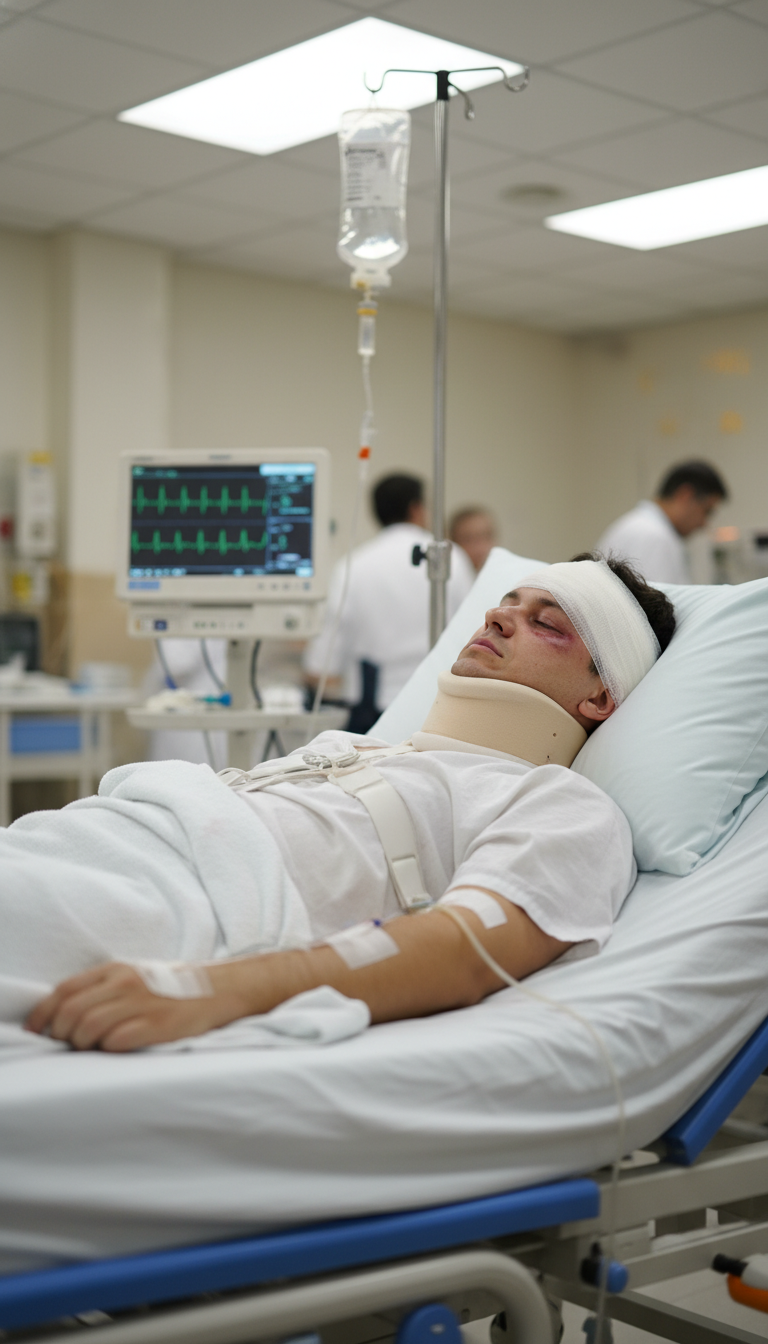
Trip-and-Fall Incident Attorney in Muskogee, OK | McKay Law
Understanding Trip-and-Fall Claims
Trip-and-falls happen when you catch your foot and pitch forward. Unlike slip-and-falls, where the foot slides, trip-and-falls involve the foot being suddenly halted, usually causing the victim to fall forward onto outstretched hands, knees, or face. The injuries can be just as severe as slip-and-falls — particularly wrist fractures, facial injuries, head trauma, and dental damage. McKay Law advocates for trip-and-fall victims in Muskogee and in surrounding communities.
Common Causes of Trip-and-Fall Accidents
- Sidewalk defects
- Pavement defects
- Stair defects
- Carpet defects
- Frayed or rolled-up rugs
- Merchandise, boxes, or debris blocking walkways
- Cords on the floor
- Mats that catch the foot
- Uneven door transitions
- Parking lot hazards
- Construction debris and tools
- Sudden step-downs
- Poor lighting that hides hazards
- Landscape hazards
Typical Trip-and-Fall Injuries
- Broken wrists
- Face and tooth injuries
- TBI from striking the head
- Facial fractures
- Knee damage from impact
- Rotator cuff and shoulder injuries
- Hip injuries, especially in older adults
- Spinal injuries
- Bruising, strains, and sprains
- Skin injuries
- Death from severe injuries
How These Falls Differ
The two types of falls work differently and produce different injuries:
- Trips — the foot is suddenly caught or stopped, sending the body forward
- Slips — the foot loses traction, dropping you backward
Trip-and-falls typically produce forward-impact injuries — wrists, face, knees, head. Slip-and-falls hit the back and sides.
Visitor Status in Trip-and-Fall Cases
Oklahoma recognizes three types of people on property, each carrying a different legal duty:
- Invitees — business visitors — owed the duty to keep the premises reasonably safe and warn of hazards
- Licensees — permitted guests — owed protection from known dangers
- Unauthorized Visitors — uninvited entrants — owed minimal legal protection
Elements of Your Claim
- A Dangerous Condition Existed — there was a tripping hazard on the property.
- Actual or Constructive Knowledge — actual or constructive notice.
- Inaction — the owner didn’t fix it, warn about it, or block it off.
- A Direct Link — the unsafe condition led to the incident.
- Damages — the financial and personal toll.
Key Evidence in These Claims
- Images taken immediately after the fall, including measurements of any height differential
- Video of the fall and the hazard
- Written reports filed with management
- Testimony from people who saw the fall
- Inspection logs
- Records of previous falls or hazard reports
- Building code violations
- Expert testimony on safety standards
- Footwear worn at the time
- Records linking injuries to the fall
Where These Accidents Happen
- Retail grocery
- Major retailers
- Food service
- Hotels and motels
- Apartment complexes
- Office buildings
- Parking lots and garages
- Sidewalks and public walkways
- Educational institutions
- Building sites
- Public facilities
- Houses
Potential Defendants
- The owner of the premises
- The lessee
- The property manager
- Service contractors
- Construction companies where construction created the hazard
- A government entity for falls on public sidewalks or public property
How Insurers Try to Devalue Trip-and-Fall Cases
- Claiming you should have seen the obstacle
- Saying your shoes caused the fall
- Saying you weren’t paying attention
- Disputing how long the hazard was present
- Demanding recorded statements
- Citing past medical records
- Pressuring quick, lowball settlements
How Shared Fault Works
Fault can be shared under Oklahoma law (Okla. Stat. tit. 23, § 13). You can recover if you bear no more than 50% of the fault, though the award is reduced by your share.
What Compensation Looks Like
- Medical bills, past and future
- Surgical expenses
- Rehabilitation expenses
- Dental and facial reconstruction
- Lost income and diminished earning ability
- Pain and suffering
- The toll on daily activities
- Loss of consortium
- Lasting disability
- Wrongful death damages when the fall was fatal
Time Limits to Be Aware Of
Oklahoma generally gives two years from the date of the fall to file (Okla. Stat. tit. 12, § 95). Government cases require GTCA notice within 12 months. Trip-and-fall cases demand fast action because critical video is routinely deleted on rolling cycles.
Our Process
We get to work immediately to lock down store video before it’s overwritten, document the hazard with photos, measurements, and expert analysis, investigate the property’s records, work with treating doctors, and treat each matter as trial-ready.
FAQ
Q: What’s the difference between a trip-and-fall and a slip-and-fall?
A: Trips stop your foot and pitch you forward; slips slide your foot and drop you back.
Q: What does it cost to hire McKay Law?
A: Nothing. We only get paid if we win.
Q: I tripped on a sidewalk crack — can I sue?
A: Could be a claim. We’d need to investigate who owns the sidewalk and assess the hazard.
Q: What if they say the hazard was “obvious”?
A: We hear this constantly. This defense often fails when the full circumstances come out.
Q: Should I give the property owner’s insurance a recorded statement?
A: Never. Talk to a lawyer first.
Q: How much is a trip-and-fall case worth?
A: Value turns on injury seriousness, treatment, and permanent restrictions. Wrist fractures, facial injuries, and TBI cases carry significant value.
Q: What if I tripped on government property?
A: Different rules apply. Notice must be given within one year, and damages are capped.
Q: What is the deadline to file?
A: Two years from the date of the fall (Okla. Stat. tit. 12, § 95). GTCA cases require notice within 12 months.
Compensation After a Trip-and-Fall in Muskogee, OK
People confuse trips and slips, but they aren’t the same legal claim. The cause is different, the injury pattern is different, and the legal arguments are different. An attorney familiar with these specific claims knows how to build them on their own terms.
Trip-and-Fall vs. Slip-and-Fall
The terms get used interchangeably in everyday speech, but in practice they’re distinct injury types.
Mechanics
A slip is loss of friction. The body typically falls backward.
Trips occur when a forward step is interrupted. The body pitches forward.
Injury Patterns
The injuries from each type differ significantly.
Trips frequently produce:
- Wrist and elbow fractures from outstretched arms
- Face and tooth damage from forward impact
- Patellar fractures and meniscal tears
- Hip fractures, especially in older adults
- Rotator cuff tears
- TBI from striking the head on the ground
- Soft tissue damage from impact
What Causes Trip-and-Falls?
Trips have characteristic causes:
Sidewalks and Walkways
- Vertical displacement of concrete
- Pothole-style sidewalk damage
- Tree root upheaval
- Improper transitions between surfaces
Interior Hazards
- Carpet snags
- Damaged or missing floor tiles
- Unexpected level changes
- Door thresholds higher than expected
- Items left in walkways
- Extension cords
- Floor mat edges
Outdoor and Parking Lot Hazards
- Misplaced wheel stops
- Speed bumps without warning
- Grate hazards
- Asphalt damage
- Curb height differences
Construction-Related
- Materials left in walkways
- Inadequate hazard isolation
- Construction-zone walking hazards
What You Need to Prove
Like other premises cases, these claims have specific elements:
A Dangerous Condition Existed
The defect must be more than ordinary wear. Some areas have minimum height standards. A vertical displacement of less than half an inch may not support a case in some jurisdictions, while anything over an inch typically does.
The Property Owner Had Notice
Awareness of the hazard is essential.
Unlike a fresh spill, trip hazards are typically not transient. Slip hazards can be momentary. Trip hazards — uplifted sidewalks, cracked floors, raised thresholds — usually develop over weeks, months, or years. The notice element is often stronger in trip cases.
The Hazard Caused the Fall
The defect must have caused the trip. This is sometimes contested when the cause isn’t immediately apparent.
Damages
Actual injuries must be documented.
Specific Defenses You’ll Face
“Open and Obvious”
The most common defense in trip-and-fall cases. Defendants claim the hazard was visible and the plaintiff should have seen it. OK courts apply the doctrine with varying strictness, especially when the conditions made the hazard hard to see.
“Comparative Fault”
“You should have been looking down”. While OK’s comparative fault rules can reduce recovery, they usually don’t bar recovery entirely.
“Minor Variation in Walking Surfaces Is Expected”
“Sidewalks aren’t perfect”. Whether this defense applies depends on the measurable extent of the hazard.
“Comparative Knowledge”
Defense argues the plaintiff had previously navigated the area. This defense has limited reach.
Critical Steps After a Trip-and-Fall
Photograph the Hazard Immediately
The hazard will likely be fixed quickly. Photos showing the dimensions of the hazard are essential.
Report the Fall Before You Leave
Make sure a record is created. If no record is made, the property owner may deny the fall happened.
Get Witness Information
Anyone present when the fall occurred strengthen the case significantly.
Document Other Falls at the Same Location
History of falls at the location strengthens the case. These records often emerge during the case.
Get Medical Attention Quickly
Even when injuries seem minor at the scene. Prompt evaluation creates the medical record insurers need to see.
Who Can Be Liable?
Trip-and-fall liability depends on where the fall occurred:
- Homeowners where falls occur on private property
- Commercial property owners for falls on their premises
- Apartment complex operators for common areas in rental properties
- Municipalities for falls on public sidewalks, parks, or government property — with shorter notice deadlines and immunity considerations
- Construction companies for construction-related trip hazards
- Maintenance and snow removal companies where service failures contributed
Damages Available
Compensation can cover emergency room and hospital costs, long-term treatment, lost wages, permanent occupational limitations, loss of enjoyment of life, and impact on relationships where applicable.
Attorney Fees
Premises liability lawyers charge no upfront fees. Case reviews cost nothing.
Time Matters
Trip hazards get fixed quickly once a claim is filed. Without photographs taken at the time, the case may not survive. Surveillance footage gets overwritten on retention cycles. The filing deadline with multiple deadlines depending on who’s liable adds further urgency. Engaging counsel promptly protects the evidence and the claim.
McKay Law Is Your Muskogee Advocate After A Trip-and-Fall Accident
A cracked sidewalk doesn’t look like much — until your toe catches it and the ground rushes up to meet you. Trip-and-fall injuries happen in an instant, but the damage often lasts for years: broken wrists from bracing on impact, fractured hips, dislocated shoulders, concussions, knocked-out teeth, and facial injuries that need reconstructive surgery. Property owners — whether they run a retail shop — have a legal obligation to preserve their walkways, parking lots, entrances, and floors in safe condition, and to notify visitors about hazards they can’t reasonably fix right away. When they neglect that duty, people get hurt. At McKay Law, we uncover how the hazard came to exist, how long it had been there, whether anyone reported it, and what the property owner did — or neglected to do — about it.
The insurance company’s first move in a trip-and-fall claim is almost always the same: blame you. They’ll argue you weren’t watching where you were going, that the hazard was open and obvious, that your footwear was wrong, or that you were distracted by your phone. We’ve heard it all, and we know how to dismantle it. When you come into the McKay Law family, we waste no time to secure surveillance footage, incident reports, inspection logs, prior complaints, and witness statements before they can get lost. We pursue compensation for emergency room visits, surgeries, dental and reconstructive procedures, physical therapy, mobility aids, prescription costs, future medical care, time off work, and the physical and emotional toll that follow a fall that should have never happened. Contact us now at (866) 679-9651 or reach out online to set up your free consultation and get a firm that takes these cases seriously behind you.
Video Testimonials






