

“Labor Omnia Vincit” McKay Law
Guthrie, OK Drugged Driving Accident Lawyer
Driving under the influence of drugs is just as deadly as drunk driving in Guthrie, OK. When someone operates a vehicle under the influence of drugs, the consequences can be catastrophic. McKay Law represents victims of drugged driving crashes throughout OK. Drug impairment can come from illegal drugs like cocaine, methamphetamine, heroin, and fentanyl, prescription medications like opioids and benzodiazepines, marijuana, over-the-counter drugs that cause drowsiness, and combinations of substances. All of these substances can slow reaction times, blur vision, impair judgment, cause drowsiness, and lead to deadly crashes. Drugged driving wrecks frequently cause rear-end collisions when impaired drivers can’t stop in time, head-on crashes from drifting across lanes, intersection wrecks from missed signals, pedestrian and cyclist collisions, and single-vehicle crashes from loss of control. Our Guthrie drugged driving accident attorneys build powerful cases against impaired drivers. We preserve essential records—police reports, toxicology and blood test results, drug recognition evaluations, witness statements, dash cam and surveillance footage, prescription histories, and any criminal charges filed against the driver. A criminal DUI/DWI conviction can strengthen your civil case—but a civil claim doesn’t require a conviction. Other defendants can include third parties who contributed to or enabled the impairment. Injuries from drugged driving crashes TBIs, paralysis, multiple fractures, chronic pain, and fatalities. We fight for every dollar including medical bills, future care, lost wages, lost earning capacity, pain and suffering, mental anguish, and wrongful death damages. Drugged driving often supports punitive damages—because driving under the influence of drugs shows gross negligence and conscious disregard for safety. The insurers covering impaired motorists often acknowledge fault but lowball the settlement—we don’t let them shortchange you. All drug-impaired driver claims is handled on a contingency basis—zero upfront cost. Call McKay Law now for a complimentary evaluation with a Guthrie, OK car accident attorney who will hold the impaired driver accountable.
Settlements Won
0
+
Million Dollars Won
0
+
Google 5 Star Reviews
0
+
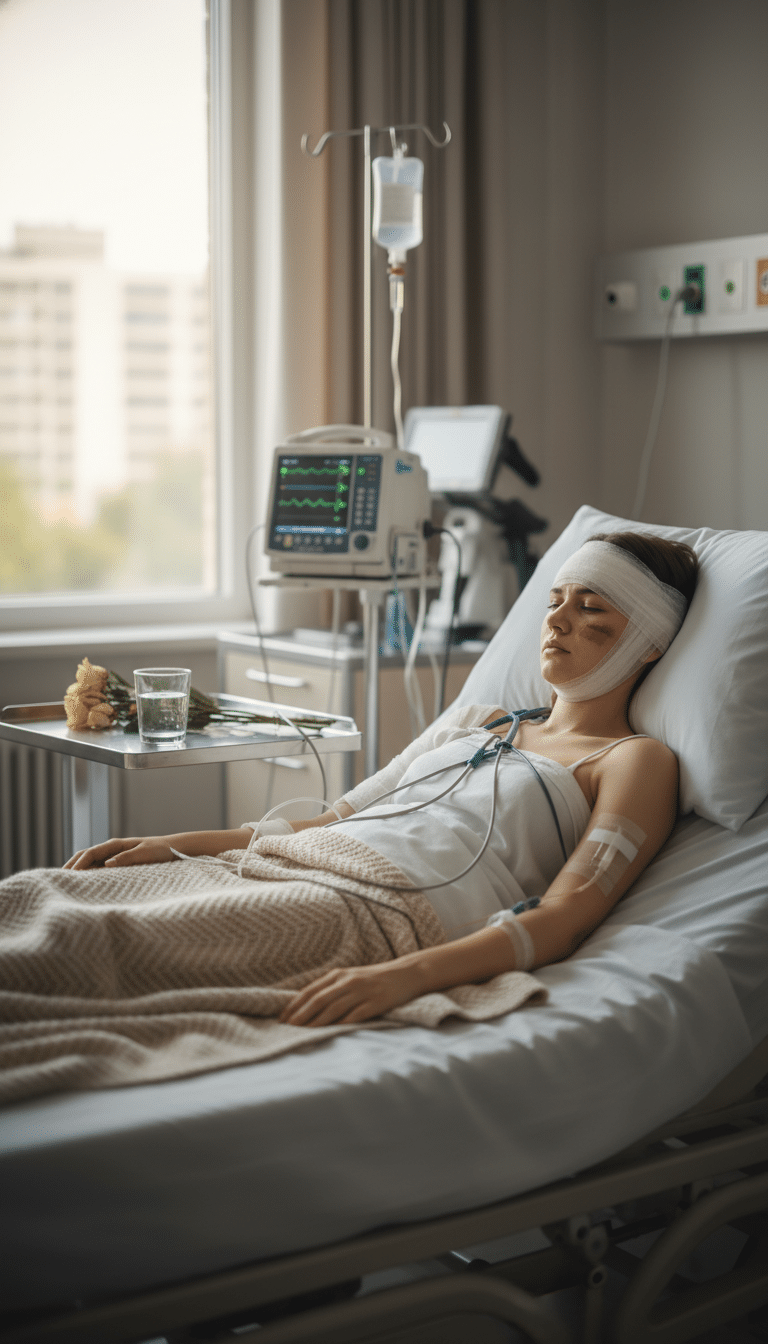
Drugged Driving Crash Lawyer in Guthrie, OK | McKay Law
Understanding Drugged Driving Accident Claims
Driving under the influence of drugs is every bit as deadly as drunk driving though harder to detect than alcohol impairment. Whether illegal narcotics or legitimately prescribed but impairing, impaired drivers endanger everyone. Our firm fights for drugged driving accident victims in Guthrie and throughout Oklahoma.
Common Drugs That Cause Impaired Driving
Illegal drugs:
Cannabis
Crystal meth
Powdered cocaine
Heroin
Ecstasy
Hallucinogenic drugs
PCP
Prescription medications:
Pain medications
Benzos
Sleeping pills
Muscle relaxants
Antidepressants and antipsychotics
Sedating antihistamines
Stimulants
Over-the-counter medications:
Cold and cough remedies
Non-prescription sleep aids
Antihistamines
Why Drugged Driving Causes Crashes
- Slower response to road conditions
- Compromised driving judgment
- Difficulty controlling the vehicle
- Falling asleep at the wheel
- Seeing things that aren’t there
- Inability to track moving objects
- Vision problems
- Erratic driving patterns
- Blackouts
- Inability to maintain lane
Oklahoma’s Drugged Driving Laws
Oklahoma’s DUI statute covers drug impairment (Okla. Stat. tit. 47, § 11-902). It is illegal to drive:
- While impaired by drugs
- With any detectable Schedule I drug
- Under the combined influence of drugs and alcohol
For certain drugs, any presence in the system is enough — where detectable presence equals impairment.
Common Injuries From Drugged Driving Crashes
Drug-impaired crashes tend to be severe because drugs prevent normal defensive driving:
- Severe head trauma
- Spine injuries
- Crush injuries
- Multiple fractures
- Damage to internal organs
- Amputations
- Thermal injuries
- Cervical strain
- Post-traumatic stress and psychological injuries
- Death from catastrophic crashes
How We Prove the Other Driver Was Impaired
- Police reports and field sobriety test results
- Specialized officer drug impairment assessments
- Toxicology results
- Hospital toxicology screens
- DUI charges
- Eyewitness accounts
- Recordings of erratic driving
- Past drug-related arrests or convictions
- Records of impairing prescriptions
- Phone and online activity
- Physical evidence of drug use
- Vehicle event data recorder (EDR) data
Potential Defendants
- The impaired driver
- An employer when the crash occurred during work
- Alcohol vendors in Oklahoma dram shop cases involving combined alcohol and drug impairment
- A drug dealer where applicable
- Pharmacies that improperly dispensed medications
- Healthcare providers negligently prescribed impairing medications
- The vehicle owner where the owner let an impaired person drive
Parallel Criminal and Civil Proceedings
Drug-impaired drivers face both criminal and civil consequences. They operate on different tracks:
- Criminal court — the district attorney brings charges
- Personal injury claim — victims pursue financial recovery
Convictions in the criminal case can be powerful evidence in the civil case. Even when criminal charges are dropped, civil claims can proceed and succeed.
What You Must Prove
- Duty — All drivers must drive sober.
- Breach — The defendant was drug-impaired while driving.
- Causation — The drug impairment produced the wreck and harm.
- Concrete Harm — Economic and non-economic harm.
Recovery for Victims
- Healthcare costs
- Ongoing rehabilitation expenses
- Lost wages and loss of earning power
- Damage to belongings
- Physical and emotional suffering
- The toll on daily life
- Loss of consortium
- Wrongful death damages for surviving family
- Punitive awards
Punitive Damages in Drug-Impaired Driving
Punitive damages are commonly available in these cases because driving impaired meets the standard for gross negligence. Punitive awards send a message and deter similar conduct.
Oklahoma’s Statute of Limitations
The deadline in Oklahoma is 2 years from the date of the crash to file (Okla. Stat. tit. 12, § 95). Wrongful death actions carry the same 2-year deadline.
How McKay Law Approaches Drugged Driving Cases
We act fast to obtain police reports, toxicology results, and criminal records, work with the criminal case when helpful, engage specialized experts on drug impairment, pursue punitive damages in appropriate cases, find every layer of coverage, and treat each matter as trial-ready.
Common Questions
Q: How do you prove the other driver was on drugs?
A: Multiple sources — toxicology, police, witnesses, and court records.
Q: What does it cost to hire McKay Law?
A: Zero upfront. We only get paid if we win.
Q: The other driver was charged with DUI — does that help my case?
A: Absolutely. Criminal charges are powerful evidence in the civil case.
Q: The other driver was on a prescription drug, not illegal drugs — can I still recover?
A: Yes. Impairment is impairment — the source doesn’t matter for civil claims.
Q: Can I get punitive damages?
A: Frequently, yes. Drugged driving is reckless conduct that typically supports punitive damages.
Q: Should I give the insurance company a recorded statement?
A: No. Talk to a lawyer first.
Q: What if criminal charges are dropped?
A: Criminal results don’t control civil cases.
Q: What is the deadline to file?
A: 2 years from the date of the crash (Okla. Stat. tit. 12, § 95). Act quickly — drug-related evidence has time limits.
Drugged Driving Accident Claims in Guthrie, OK
Drugs are involved in more fatal crashes than alcohol in many recent studies. Yet drugged driving cases are systematically harder to prove than DUI cases. Insurers and defense counsel know this and exploit the proof gaps. An attorney familiar with these complex cases builds these cases around the actual evidence available.
Drugged Driving Isn’t Just Illegal Drugs
One of the most common misconceptions about drugged driving is that drugged driving means illegal narcotics. Not at all.
Prescription Medications
Common prescription drugs can cause impairment. This category covers:
- Prescription opioids
- Benzodiazepines (Xanax, Valium, Ativan, Klonopin)
- Hypnotic medications
- Prescription muscle relaxants
- Antidepressants and antipsychotics (particularly during initiation)
- Sedating allergy treatments
- Prescription stimulants
- Migraine treatments
- Anticonvulsants
Over-the-Counter Medications
Many over-the-counter medications can impair driving:
- First-generation antihistamines
- Cough suppressants
- Sleep aids (Tylenol PM, Nyquil)
- Anti-nausea OTCs
Recreational Drugs
Drugs of abuse include marijuana products, stimulant drugs, meth, illegal opioids, hallucinogenic substances, designer drugs, dissociative drugs, and nitrous oxide and other inhalants.
Why Drugged Driving Cases Are Harder to Prove Than DUI Cases
No Equivalent of the .08 BAC Standard
Alcohol has a per se threshold. For drugs, no equivalent standard exists for most substances. Marijuana per se laws exist in some states, but these are controversial because THC metabolism doesn’t track impairment well.
For most drugs, impairment must be demonstrated.
Detection Difficulties
Drug testing can identify substances, but drugs can be detected long after impairment has ended.
Marijuana metabolites can be detected for days or weeks after use. This complicates proof in marijuana-related cases.
Other drugs have varying detection windows. Some have short detection windows, others persist for days.
Testing Isn’t Routine
Police officers routinely test for alcohol after crashes. Drug screening doesn’t happen automatically in many cases. If law enforcement didn’t test for drugs, impairment must be established through other means.
Drug Recognition Experts (DREs)
DREs conduct specialized assessments. These assessments carry significant weight when conducted. DRE coverage isn’t universal.
Defense Challenges
Defense routinely attacks drug impairment evidence:
- “Drug presence doesn’t equal driving impairment”
- “The test was conducted improperly”
- “The substance was prescribed and taken as directed”
- “There’s no proof of impairment at the actual time of driving”
How These Cases Get Built
Toxicology Evidence
Where testing was conducted, lab results are key evidence.
Important caveat, the analysis needs expert interpretation. Qualified pharmacology experts provide the scientific foundation for impairment proof.
Observable Impairment
Driver behavior at the scene matter enormously.
These markers include:
- Verbal impairment
- Glassy or bloodshot eyes
- Coordination problems
- Behavioral indicators
- Loss of consciousness
- Pre-crash driving behavior
- Failed standardized field sobriety testing
- Physical signs (dilated pupils, constricted pupils, sweating, agitation)
Pre-Crash Driving Behavior
Eyewitness reports of driving support impairment claims. Erratic lane keeping, slow reactions, unusual stopping or starting build the impairment case.
Criminal Charges
Drug-impaired driving charges, DUI-drugs charges, or DWI charges can substantially support the civil case. Guilty pleas may create issue preclusion.
Driver Statements and Admissions
Self-reported drug use become powerful evidence.
Medical Records
Healthcare documentation can show relevant drug history.
Vehicle Evidence
Physical evidence in the car support drug-impairment claims.
Punitive Damages and Drugged Driving
Drug-impaired driving frequently meets the punitive damages threshold. The decision to drive while drugged typically supports gross negligence findings.
Exemplary damages add significant value in serious drugged driving cases.
Common Insurance Defenses
“There’s No Proof of Impairment”
The defining defense. Detection-doesn’t-equal-impairment arguments.
“The Medication Was Taken as Prescribed”
For prescription drug cases, “Doctor-prescribed and taken correctly”. This defense has limits. Compliance with prescription doesn’t mean safe driving.
“Comparative Fault”
“You contributed too”.
“The Crash Wasn’t Caused by Drug Impairment”
Causation defenses. Expert testimony on how drugs affect driving defeats causation challenges.
Critical Steps After a Drugged Driving Crash
Get the Police Report
Get the official report. Specifically look for documentation of drug testing.
Document Witness Observations
Independent observations of the driver’s condition provide critical evidence.
Preserve the Vehicle Evidence
Items found in the other driver’s vehicle can support drug impairment claims.
Document Driver Statements
Anything the other driver said at the scene.
Photograph the Scene
Photograph everything relevant.
Get Medical Attention Immediately
Same-day medical care protects against later disputes.
Track the Criminal Case
The criminal proceedings provides important evidence.
Don’t Wait to Get Legal Help
Critical evidence needs prompt action.
Damages Available
These claims can pursue the typical categories plus enhanced damages:
- Hospitalization, surgical, and rehabilitation costs
- Earnings affected by injury
- Diminished earning capacity
- Property damage
- Non-economic damages
- Loss of consortium
- Enhanced damages — particularly meaningful in these claims
Dram Shop and Third-Party Liability
In specific prescription drug situations, additional defendants may exist. Negligent prescribing claims can implicate the prescribing physician.
Attorney Costs
Drug-impaired driving lawyers earn fees only on recovery. Free initial consultations are standard. These cases require investment in toxicology experts and forensic specialists advanced by the firm.
Move Quickly
Drug detection windows complicate evidence preservation. Investigation records become harder to obtain. OK’s statute of limitations sets a hard cutoff. Engaging counsel right away preserves every angle of the case.
McKay Law Is Your Guthrie Advocate After A Drugged Driving Accident
A driver under the influence by drugs is equally hazardous as one intoxicated by alcohol — and in countless cases, even more volatile. Prescription painkillers, sleep medications, anti-anxiety drugs, marijuana, cocaine, methamphetamine, and the increasing category of synthetic substances all undermine judgment, delay reaction times, warp perception, and generate the kind of behind-the-wheel decisions that shatter innocent lives. Unlike alcohol, which can be measured with a roadside breathalyzer, drug impairment frequently calls for blood testing, drug recognition expert evaluation, and toxicology analysis to document. At McKay Law, we waste no time to secure the police report, body cam footage, toxicology results, prescription history, and field sobriety evidence that establishes the intoxicated condition of the driver who hit you — and we work with toxicology professionals and toxicologists when expert evidence is necessary to seal the case.
These types of claims commonly open the door to punitive damages on top of standard compensation, because the driver’s choice to operate a vehicle while impaired reaches the level of extreme negligence. When you come into the McKay Law family, we don’t merely settle for the minimum policy limits — we look into whether a bar, dispensary, dealer, or employer contributed to the situation, whether the driver had past convictions, and whether other responsible parties share liability for placing an impaired driver onto the highway. We pursue the highest possible compensation for emergency care, surgeries, hospitalization, ongoing rehabilitation, future medical needs, prescription costs, missed paychecks, reduced future income, vehicle replacement, the enduring hardship of living through a crash like this — and in the most tragic cases, the wrongful death of a family member. Phone us without waiting at (866) 679-9651 or reach out online to book your free consultation and place a firm that forces impaired drivers fully accountable in your corner.
Video Testimonials






