

“Labor Omnia Vincit” McKay Law
Owasso, OK Instacart Accident Lawyer
Collisions involving Instacart shoppers involve complex insurance issues in Owasso, OK. No matter how you were involved, sorting out liability and insurance can be complicated. McKay Law represents Instacart accident victims across OK. Instacart crashes aren’t like regular auto wrecks—gig delivery workers operate under a hybrid insurance framework. The driver’s app status—offline, logged on, en route to pickup, shopping, or delivering—controls which insurance applies—these details determine which policies respond and how much coverage is available. When the driver wasn’t logged in, only their personal auto insurance applies—leaving limited recovery options. When the shopper is logged in but waiting for an order, reduced liability protection applies. During active delivery phases, Instacart’s commercial liability policy is in effect. Our Owasso gig driver crash attorneys know how to navigate these complex coverage issues. These crashes typically involve gig-economy pressure leading to risky driving, store parking lot crashes, and overworked shoppers. Whether you’re an Instacart shopper injured on the job, you may be eligible for occupational accident coverage plus a third-party claim. If an Instacart delivery vehicle crashed into you, we pursue every available source of compensation. We move fast to secure critical proof—Instacart app data, batch timestamps, driver location records, store pickup data, vehicle telematics, dash cam footage, and order details. Victims often suffer whiplash, broken bones, traumatic brain injuries, spinal damage, and serious psychological trauma. We recover all available damages including hospital costs, ongoing treatment, lost income, suffering, and survivor damages. This corporation and the insurers backing it will work hard to minimize your claim—we don’t let them. Every client we represent is handled on a contingency basis—no fees unless we recover. Reach out to McKay Law right away for a free consultation with a Owasso, OK Instacart accident lawyer who will pursue every available source of compensation.
Settlements Won
0
+
Million Dollars Won
0
+
Google 5 Star Reviews
0
+
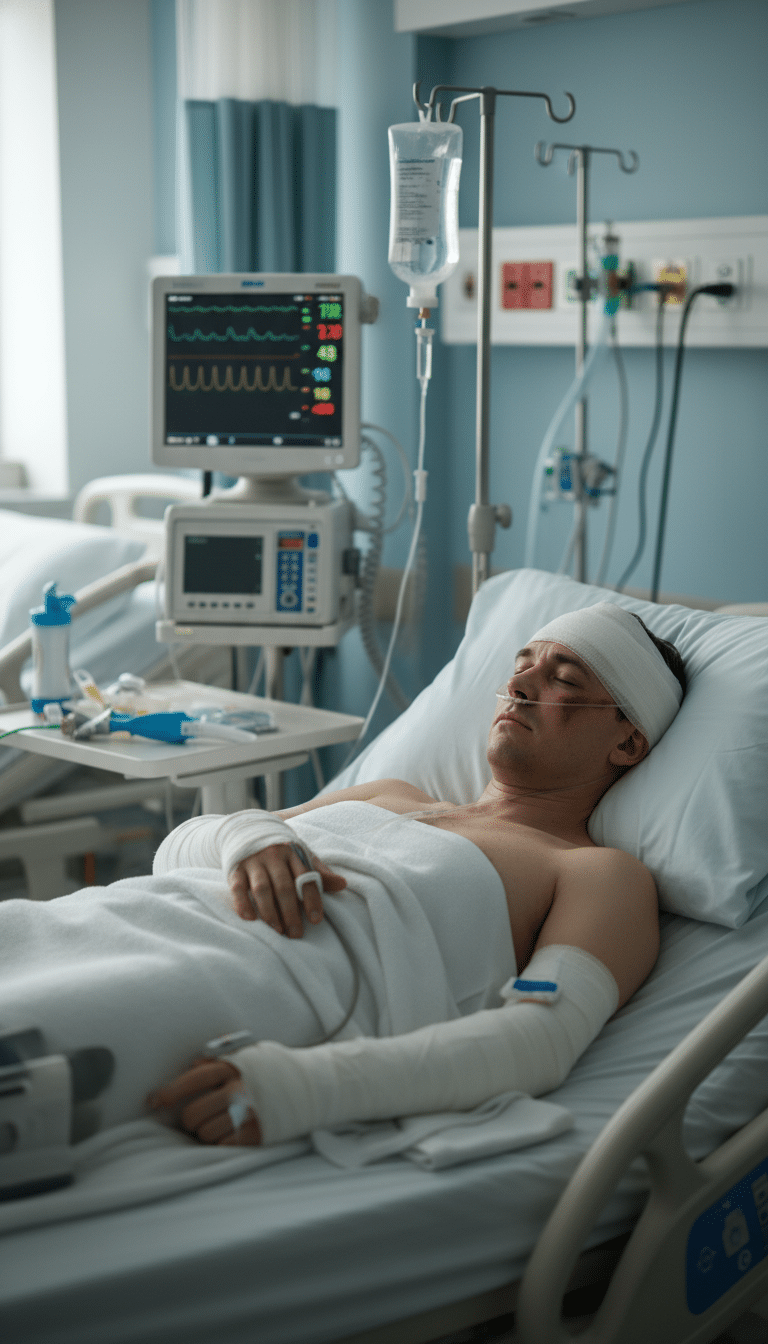
Instacart Delivery Crash Lawyer in Owasso, OK | McKay Law
Understanding Instacart Accident Claims
Instacart shoppers deliver groceries across Oklahoma every day, operating through 1099 contractor shoppers using personal vehicles. Similar to other delivery apps, Instacart treats shoppers as 1099 contractors, which creates complex coverage and liability questions when crashes happen. Whether you were hit by an Instacart shopper, were a shopper injured by someone else, or were a pedestrian, the available coverage hinges on whether the app was on, off, or mid-delivery. McKay Law advocates for Instacart accident victims in Owasso and throughout Oklahoma.
The Instacart Delivery Model
Independent Instacart shoppers:
- Use their personal vehicles
- Are classified as 1099 contractors
- Accept shopping and delivery offers through the Instacart Shopper app
- Pick up groceries at retailers
- Carry groceries to customer addresses
- Sometimes handle several deliveries simultaneously
Why Instacart Crashes Happen
- App-related distraction
- Driver fatigue from long shifts
- Speeding to hit delivery time targets
- Unfamiliar routes and GPS distractions
- Sudden stops at delivery addresses
- Stopping in traffic lanes
- Alcohol or drug impairment
- Drivers with limited experience and basic background checks
- Poorly maintained personal vehicles
- Heavily loaded cars
Coverage Periods
Like other gig delivery platforms, Instacart coverage depends on the shopper’s app status:
- Off Duty: No Instacart coverage.
- Available but Unmatched: Limited contingent liability coverage may apply.
- Period 2 — Order Accepted, Active Shopping or Delivery: Instacart’s $1 million commercial policy is in force, typically up to $1 million.
Who Can Be Held Liable in an Instacart Accident
- The Instacart shopper
- Instacart during active orders
- Another at-fault driver
- The car maker where mechanical defects contributed
- A maintenance or repair shop
- A road authority in charge of negligently maintained roads
Common Injuries From Instacart Crashes
- Whiplash and neck injuries
- Spine injuries
- TBI and concussions
- Bone breaks
- Damage to internal organs
- Facial injuries from airbags and broken glass
- Shoulder and chest injuries from seatbelts
- Leg and pelvic injuries
- Psychological injuries
- Death from catastrophic crashes
How These Cases Differ From Ordinary Crash Claims
- Multi-policy coverage — both driver and Instacart policies may respond
- Contractor model — limits direct claims against Instacart but not insurance access
- Platform data is decisive — electronic data drives the case
- Evidence disappears quickly — electronic records vanish without legal action
- Personal policies may refuse — because the shopper was working
Elements of Your Claim
- Duty — All drivers owe a duty of reasonable care.
- Violation of That Duty — The defendant drove negligently.
- Causation — The negligence produced the wreck and your injuries.
- Damages — Economic and non-economic harm.
- App Status — Critical for figuring out which policy responds.
What Compensation Looks Like
- Healthcare costs
- Lost wages and loss of earning power
- Vehicle and property loss
- Non-economic damages
- Loss of enjoyment of life
- Wrongful death damages when the wreck was fatal
- Punitive damages in DUI or gross negligence cases
Oklahoma’s Statute of Limitations
Oklahoma generally gives 2 years from the date of the crash to file (Okla. Stat. tit. 12, § 95). Instacart cases demand fast action because platform records are routinely overwritten.
How McKay Law Approaches Instacart Cases
We act fast to send preservation letters to Instacart, find every layer of insurance, defeat coverage disputes between insurers, and prepare every case as if it will go to trial.
Frequently Asked Questions
Q: An Instacart shopper hit me — who pays?
A: Depends on the shopper’s app status. Period 2: Instacart commercial. Period 0: personal insurance.
Q: What does it cost to hire McKay Law?
A: Zero upfront. No fee unless we recover.
Q: I was shopping for Instacart when another driver hit me — what coverage applies?
A: App status decides. Mid-order: Instacart may apply. App off: standard at-fault claim.
Q: Can I sue Instacart directly?
A: Usually difficult — shoppers are 1099 contractors. But their commercial insurance still applies.
Q: Should I give the insurance company a recorded statement?
A: Don’t. Talk to a lawyer first.
Q: My Instacart shopper said they had no insurance — what do I do?
A: Coverage may still be available through Instacart even if the shopper has no personal insurance.
Q: What is the deadline to file?
A: Two years from the date of the crash (Okla. Stat. tit. 12, § 95). Act fast — app data disappears quickly.
Compensation After an Instacart Shopper Crash in Owasso, OK
Instacart operates differently from food delivery platforms. That shopping component creates distinctive crash scenarios. Instacart accidents can occur at grocery stores, in parking lots, during pickup, during delivery, or anywhere in between. A local attorney experienced with Instacart cases navigates the Instacart-specific framework.
How Instacart Is Different From Food Delivery Platforms
Instacart shares the gig delivery legal structure with food delivery platforms, several operational differences create distinct case considerations.
Shoppers, Not Just Drivers
Instacart shoppers actually shop. This isn’t just terminology.
Operations involve multiple work environments:
- Inside grocery stores
- Parking lot environments
- On the road between stops
- At delivery destinations
Different operational environments create distinct cases.
Heavy and Variable Cargo
Instacart shoppers carry full grocery orders, frequently much more substantial than food delivery cargo.
This creates:
- Vehicle handling considerations from heavy loads
- Loading and unloading hazards
- Cargo shifting during transit
- Vehicle system strain
Specific Tipping and Customer Interaction Model
The tipping structure differs from competing platforms.
Alcohol Delivery
Instacart now delivers alcohol in many areas. Following alcohol delivery regulations brings additional legal issues.
Instacart’s Insurance Framework
The contractor model applies, with phase-based commercial insurance coverage.
App Off
With Instacart not active, Standard personal auto coverage controls.
Personal carriers frequently deny coverage when delivery work is discovered.
App On, Waiting for an Order
Available but not engaged.
Excess coverage may be available in this period, with the shopper’s personal policy primary.
Active Order — Shopping Phase
While the shopper is actually shopping.
Instacart’s commercial coverage typically applies.
Shopping phase liability is distinctive involving in-store and parking lot operations.
Active Order — Delivery Phase
Until delivery completion.
Commercial coverage continues.
Coverage Specifics
Platform insurance limits provide meaningful coverage during active periods.
Specific limits differ by state.
Who Can Pursue an Instacart Accident Claim?
Other Drivers and Their Passengers
People in vehicles struck by an Instacart shopper can pursue claims through the appropriate coverage layer.
Pedestrians and Cyclists
People on foot or bicycle struck by Instacart shoppers.
Grocery Store Customers and Employees
People at grocery stores struck by Instacart shoppers (e.g., in parking lots) are distinctive Instacart claim scenarios.
Customers Receiving Deliveries
Customer-side incidents during delivery can pursue claims.
Instacart Shoppers Themselves
When another motorist caused the crash, drivers can access multiple coverage layers.
Grocery Store Premises Claims
Store-based incidents, Instacart-specific claims interact with premises liability claims against the store.
Distinctive Instacart Case Scenarios
Parking Lot Incidents at Grocery Stores
Parking lot incidents are common.
Parking lot incidents include:
- Parking lot collisions
- Pedestrian and shopping cart crashes
- Loading injuries
- Trip-and-fall incidents during loading
In-Store Incidents
In-store crashes involve Instacart shoppers and store customers or staff.
These cases often involve premises liability claims against the grocery store alongside Instacart-related claims.
Cargo-Related Crashes
Heavy or improperly secured grocery loads create specific case scenarios.
Customer Property Incidents
Incidents at customer delivery locations may involve customer premises liability alongside Instacart claims.
Alcohol Delivery-Related Incidents
Where alcohol delivery rules were violated may support specific claims.
Instacart-Specific Issues
Customer Pre-Paid Tipping
Customer tipping in advance drives specific shopper behavior.
Multi-Apping
As with DoorDash and Uber Eats, multi-apping is common.
Multiple platform operation creates investigation requirements across platforms.
Distinctive Distracted Driving Patterns
App interaction during operations generates specific cognitive load. Shopper attention demands include customer communication about substitutions, shopping decisions, navigation, customer requests, and operational confirmations.
Heavy Load Vehicle Handling
Heavy grocery loads affect vehicle handling, potentially affecting braking distances and maneuvering.
Substitution Decision Pressure
Time pressure around customer substitution decisions generate cognitive load that may extend beyond shopping.
Critical Steps After an Instacart Crash
Identify the Instacart Status
Look for visible Instacart indicators. Instacart shoppers may not have branded vehicles:
- Customer name and address sheets
- App display
- Loaded grocery cargo
- Active delivery materials
Determine the Operational Phase
Identify the operational phase. The phase controls coverage.
Check for Multi-Apping
Confirm whether other apps were in use.
Document the Cargo
Visual evidence of the loaded cargo can be relevant.
Identify the Grocery Store
For incidents at or near grocery stores, note the store name and location. Grocery store claims may be available.
Get a Police Report
Don’t accept informal handling.
Document Witnesses
Bystander documentation.
Get Medical Attention Immediately
Prompt medical evaluation establishes injury timeline.
Don’t Negotiate Directly With Instacart or Its Insurers
Instacart’s claims operation contacts victims quickly. Direct settlement discussions create problematic admissions.
Damages Available
Recoverable losses include:
- Past and future medical expenses
- Past and future income loss
- Permanent occupational limitations
- Out-of-pocket vehicle costs
- Loss of enjoyment of life
- Wrongful death and survivor damages
- Punitive damages in cases involving particularly egregious conduct
Attorney Costs
Instacart accident attorneys earn fees only on recovery. Initial reviews cost nothing.
Move Quickly on the Digital Trail
These claims depend on platform records. The full digital record of the order have retention limits.
Where multi-apping was occurring, records from each involved platform need preservation.
Store-area incidents, premises documentation require prompt preservation.
Filing deadlines applies regardless. Engaging counsel right away protects every angle of the case.
McKay Law Is Your Owasso Advocate After A Instacart Accident
Instacart shoppers navigate parking lots, neighborhoods, and city streets every day, juggling delivery apps, customer text messages, navigation prompts, and the squeeze to complete batches as quickly as possible. That juggling act has a way of producing preventable wrecks — rear-end collisions in grocery store lots, distracted-driving crashes between stops, sudden stops at curbside drop-offs, and pedestrian strikes outside customer doors. When an Instacart shopper triggers a crash, figuring out which insurance applies is where things get complicated. Personal auto policies routinely exclude coverage for commercial delivery activity, while Instacart’s third-party liability and contingent coverage only kicks in under specific conditions — was the shopper online, en route to a store, shopping for an order, or actively delivering groceries at the moment of impact? At McKay Law, we understand how to obtain app activity logs, batch timestamps, GPS routes, and shopper records to nail down exactly what the driver was doing when the wreck happened — and which insurance policy is on the hook.
Whether you were another motorist, a passenger, a pedestrian in a parking lot, or a cyclist, Instacart and its insurance partners will act fast to reduce what they owe. When you partner with the McKay Law family, we counter that response with our own — confronting the shopper’s personal carrier, Instacart’s commercial policy, and any third parties whose negligence factored into the crash. We demand the highest possible compensation for emergency care, surgeries, hospitalization, ongoing rehabilitation, prescription costs, future medical needs, vehicle damage, time away from work, lost earning capacity, and the physical and emotional toll of a crash you never asked for. Call us today at (866) 679-9651 or reach out online to book your free consultation and get a firm that knows delivery and gig-economy law on your side.
Video Testimonials






