

“Labor Omnia Vincit” McKay Law
Clinton, OK Intersection Accident Lawyer
Collisions at intersections are among the most common and dangerous car wrecks in Clinton, OK. When traffic control devices are disregarded, innocent drivers and passengers pay the price. McKay Law represents intersection accident victims throughout OK. Intersection wrecks frequently include T-bone collisions, left-turn crashes where one driver fails to yield, rear-end collisions from sudden stops, head-on collisions from wide turns, sideswipes, and pedestrian and cyclist collisions in crosswalks. Common causes include red light violations, failure-to-yield, distracted driving, and excessive speed. Left-turn accidents are particularly common—frequently producing catastrophic side-impact injuries. Our Clinton intersection crash lawyers investigate immediately—the proof needed to establish exactly what happened. We pursue claims against individual drivers, employers, government entities, and other parties contributing to the crash. Defective traffic control create additional recovery sources—requiring specialized legal experience. Victims often suffer TBIs, multiple fractures, life-altering disabilities, and fatalities—with the worst outcomes in vehicles struck broadside. We pursue full compensation including economic and non-economic losses, plus punitive damages where warranted. Insurance companies often dispute fault in intersection cases—we shut those tactics down with video, signal timing data, and reconstruction analysis. Every intersection accident case is handled on a contingency fee basis—you pay nothing unless we win. Call McKay Law now for a no-cost case review with a Clinton, OK intersection accident lawyer who will pursue maximum compensation for your injuries.
Settlements Won
0
+
Million Dollars Won
0
+
Google 5 Star Reviews
0
+
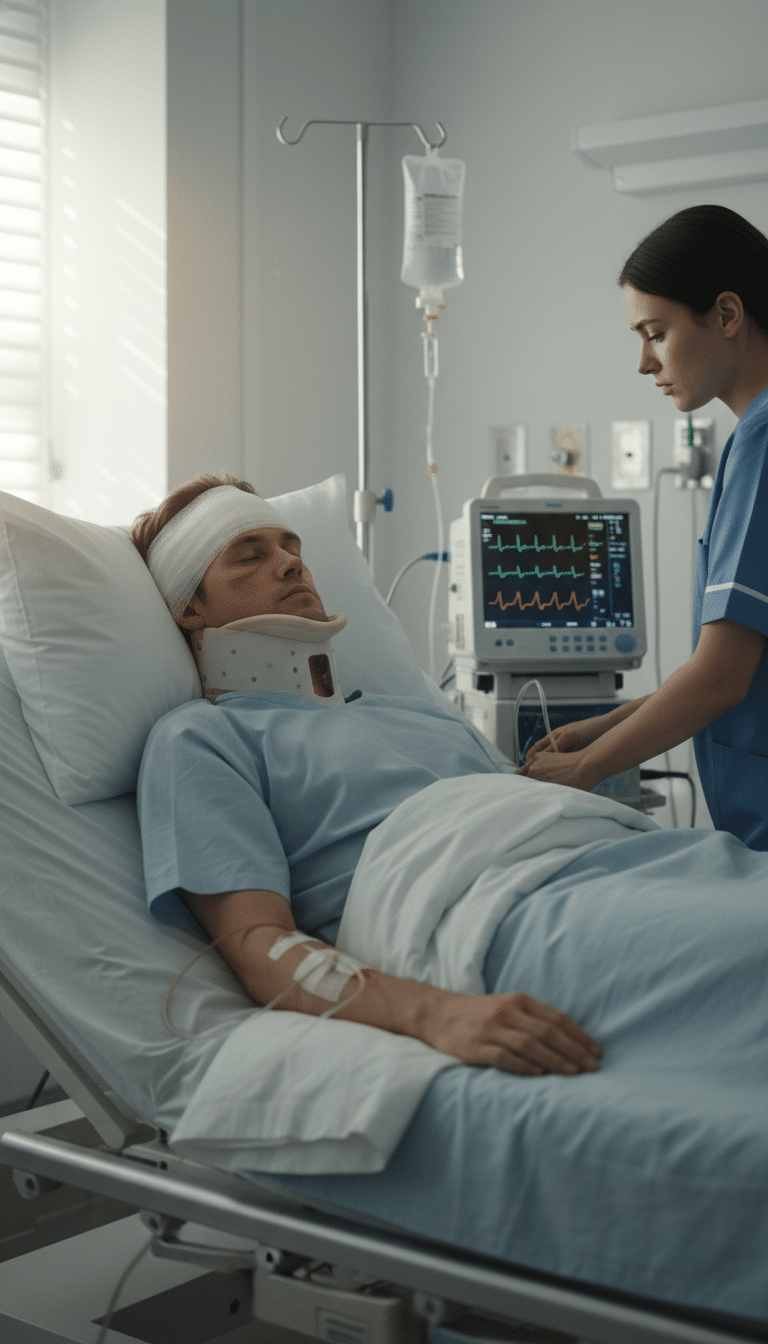
Intersection Crash Legal Counsel in Clinton, OK | McKay Law
The Basics of Intersection Crash Cases
Intersections are among the most dangerous places on Oklahoma roads. Approximately 40% of all crashes occur at or near intersections. When multiple traffic patterns converge, the risk of collision goes up. Failing to follow traffic control devices and yielding rules cause serious injuries and fatalities every day. McKay Law represents intersection accident victims in Clinton and in surrounding communities.
Common Types of Intersection Accidents
- Side-impact crashes — side-impact at intersections
- Turning crashes — turning vehicles striking or being struck by oncoming traffic
- Rear-end collisions — drivers hitting stopped or slowing vehicles
- Head-on crashes — wrong-way crashes at intersections
- Sideswipe crashes — vehicles brushing sides
- Multi-vehicle pileups — at intersections
- Pedestrian and cyclist strikes — cyclists hit at intersections
How These Wrecks Occur
- Red light violations
- Stop sign violations
- Failure to yield
- Distracted driving
- DUI
- Driving too fast at intersections
- Misjudging gaps in traffic
- Rushing through intersections
- Driver fatigue
- Reduced visibility
- Defective traffic signals
- Confusing intersections
- Construction-related confusion
- Weather conditions
- Bad turning
Determining Fault at Intersection Crashes
Determining fault generally comes down to right of way:
- The driver who ran a red light or stop sign is usually at fault
- The driver who failed to yield is usually at fault
- The left-turning driver is usually at fault in left-turn crashes
- Fault can be shared
- Other parties can be at fault where defects or third-party conduct played a role
Intersection Right of Way
Right of way rules govern intersections:
- Signal-controlled intersections — signal controls right of way
- Stop sign-controlled intersections — must come to complete stop and yield to traffic with right of way
- Yield sign intersections — must slow or stop to yield
- No control intersections — vehicle to the right has right of way
- Turning across oncoming traffic — left turners yield to oncoming
- Walker right of way — crosswalk users have right of way
Common Injuries From Intersection Crashes
- Severe head trauma
- Spinal cord injuries and paralysis
- Cervical strain
- Crushing trauma
- Broken bones
- Internal organ damage
- Broken ribs and chest injuries
- Pelvic and hip fractures
- Facial trauma
- Mental and emotional trauma
- Fatal injuries
The Severity of Intersection Crashes
- Vehicles at full speed at intersection impacts
- Side impact severity
- Multiple vehicles often involved
- Often involve pedestrians and cyclists
- Drivers often don’t react before impact
- Secondary crashes
Evidence That Wins Intersection Cases
- Police accident reports
- Video of the crash
- Testimony from people who saw the crash
- Cell phone records
- Black box data
- Scene and damage photos
- Skid mark and physical evidence analysis
- Signal records
- Accident reconstruction
- Medical records
Who Can Be Held Liable
- The driver who ran the light or failed to yield
- Their employer in commercial driver cases
- The car owner in cases of negligent entrustment
- A municipality liable for traffic control failures
- Companies servicing traffic signals
- Liquor establishments where overserving contributed
Elements of Your Claim
- A Duty of Care — The driver had to obey traffic laws and right of way rules.
- Negligent Conduct — Right of way was violated.
- Causation — The traffic violation caused the collision and your injuries.
- Quantifiable Losses — Economic and non-economic harm.
What Compensation Looks Like
- Past and future medical expenses
- Ongoing rehabilitation expenses
- Lost wages and diminished earning ability
- Vehicle and property loss
- Pain and suffering
- Loss of enjoyment of life
- Loss of consortium
- Wrongful death damages for surviving family
- Punitive damages in cases of DUI, gross negligence, or extreme recklessness
Oklahoma’s Statute of Limitations
You typically have 2 years from the date of the crash to file (Okla. Stat. tit. 12, § 95). Government cases require notice within one year.
Our Process
We get to work immediately to lock down traffic and surveillance video, pull traffic signal documentation, engage crash reconstruction specialists, partner with healthcare providers, and treat each matter as trial-ready.
Frequently Asked Questions
Q: Who’s at fault when two cars crash at an intersection?
A: The driver who didn’t follow traffic control rules.
Q: What does it cost to hire McKay Law?
A: Zero upfront. No fee unless we recover.
Q: The other driver claims I ran the light — what do I do?
A: We fight back with evidence. Intersection cameras, witnesses, EDR data, and reconstruction usually settle the question.
Q: I was hit during a left turn — am I at fault?
A: Usually no — if the other driver had to yield to you.
Q: Should I give the insurance company a recorded statement?
A: No. Talk to a lawyer first.
Q: Can a defective traffic signal be the cause?
A: Absolutely — signal defects shift fault. We investigate signal timing and maintenance whenever a crash suggests signal failure.
Q: What is the deadline to file?
A: Two years from the date of the crash (Okla. Stat. tit. 12, § 95). GTCA notice within 12 months for government defendants.
Intersection Accident Claims in Clinton, OK
Intersections account for a disproportionate share of crashes and injuries. The reason is convergence. Multiple traffic streams converge at a single point, generating numerous potential collision points. A local attorney experienced with intersection crash cases brings expertise in this distinctive area of auto accident law.
Why Intersections Generate So Many Crashes
Multiple Traffic Streams Converge
Vehicles approaching from multiple directions need to navigate the same space without conflict.
This generates multiple conflict points.
Complex Decision-Making
Drivers must manage multiple sources of information simultaneously: complex environmental information.
Mental demands are significant at intersections.
Multiple Vulnerable Road Users
Pedestrians and cyclists frequently cross at intersections, creating multiple types of road users.
Speed Differential
Vehicles approaching intersections from different directions often travel at different speeds, adding to the complexity.
Types of Intersection Crashes
T-Bone (Side-Impact) Crashes
Side-impact crashes produce serious injuries.
These typically involve one driver enters the intersection against right-of-way.
Head-On Crashes
Vehicles striking each other head-on during intersection navigation produce catastrophic outcomes.
Rear-End Crashes
Vehicles striking stopped or slowing vehicles at intersections frequently occur.
Sideswipe Crashes
Sideswipes during intersection traversal occur in turning scenarios.
Left-Turn Crashes
Drivers turning left across opposing traffic produce a specific crash pattern.
Right-Hook Crashes
“Right hook” crashes disproportionately injure cyclists.
Pedestrian Crashes
Pedestrians crossing intersections being struck by vehicles are a major intersection crash category.
Multi-Vehicle Crashes
Multi-vehicle pileups at intersections spreading the crash to additional vehicles.
The Right-of-Way Framework
These cases depend on right-of-way analysis.
Traffic Signal Right-of-Way
At signal-controlled intersections, the driver with the green light has right-of-way.
Right-of-way has limits.
Drivers entering an intersection on green still owe duties:
- Not to strike pedestrians legally crossing
- Entering safely
- To yield to vehicles already in the intersection
- Not to drive at unreasonable speeds
Stop Sign and Yield Sign Right-of-Way
At stop signs, drivers must come to a complete stop and yield to traffic in the intersection or traffic with right-of-way.
At yield signs, yielding is required.
Uncontrolled Intersections
Uncontrolled intersections generally give right-of-way to the first vehicle to arrive.
For vehicles arriving at the same time, right-of-way goes to the right.
Left-Turn Right-of-Way
Left-turning drivers must wait for safe gaps in oncoming traffic.
The left-turn yield rule applies regardless of green signal except with green arrow.
Pedestrian Right-of-Way
Pedestrians in crosswalks generally have right-of-way.
Pedestrian right-of-way rules vary.
Establishing Fault in Intersection Cases
Who Had the Right-of-Way?
The central liability question is right-of-way.
Determining right-of-way involves examining:
- What the signals indicated
- Traffic control devices
- The order in which vehicles entered the intersection
- Whether either driver was speeding
- Whether either driver was distracted or impaired
- Device function
Common Causes of Intersection Crashes
Running Red Lights
Drivers proceeding against red signals generates a significant share of intersection crashes.
Running Stop Signs
Stop sign violations generates many incidents.
Failure to Yield
Right-of-way violations cause many cases.
Speeding
Speeding through intersections creates dangerous conditions.
Distracted Driving
Inattention at intersections miss traffic control.
Drunk and Impaired Driving
Impaired drivers cause disproportionate intersection crashes.
Inadequate Sight Lines
Visual obstructions can contribute to crashes. Sight-line blockers may share liability.
Traffic Signal Malfunctions
Failed traffic signals generate crashes and may implicate government entities.
Critical Evidence in Intersection Cases
Traffic Signal Status
Determining whether each driver had a red or green light drives the case.
Sources for signal status include:
- Signal timing records
- Camera footage
- Witness testimony
- Driver statements (which may be inconsistent)
Vehicle Speed Determination
Each vehicle’s speed at impact can be determined via:
- Skid mark analysis
- Vehicle damage analysis
- Black box (EDR) data
- Speed observations
Black Box Data
Black box data capture pre-crash data covering vehicle behavior.
Surveillance and Dashcam Footage
Dashcams from involved or witness vehicles can document the incident.
Witness Statements
Other drivers, pedestrians, and bystanders provide critical evidence.
Police Reports and Citations
Crash investigation reports provide foundational evidence.
Traffic charges carry weight in civil cases.
Cell Phone Records
Telecommunications data may establish distraction.
Common Insurance Defenses
“The Other Driver Ran the Light/Sign”
Right-of-way disputes frequently arise.
Credibility-based disputes require resolution through independent evidence.
“Comparative Fault”
Defense pushes shared-fault arguments.
The state’s comparative negligence framework may reduce — but typically won’t eliminate — recovery.
“Failure to Take Evasive Action”
Defense argues the plaintiff could have avoided the crash. Even drivers with right-of-way have a duty to take reasonable evasive action.
“Sun in My Eyes” / Visibility Defenses
Visibility defenses are leveraged by defense. These conditions don’t necessarily excuse failure to operate safely.
“Traffic Signal Was Malfunctioning”
Signal failure arguments, Investigation reveals the truth.
Who Can Be Held Liable?
The Other Driver(s)
The driver(s) primarily responsible for the crash carry primary liability.
Other Drivers in Multi-Vehicle Cases
When other drivers also contributed to the crash can face liability.
Government Entities
Public infrastructure issues involve government tort claims with special procedures.
Property Owners
Property contributing to obstruction create premises liability.
Vehicle and Component Manufacturers
Equipment-related crashes can implicate manufacturers.
Maintenance Companies
Where vehicle maintenance failures contributed can create separate liability.
Critical Steps After an Intersection Crash
Stay at the Scene
Stay put.
Call Police Immediately
Police are typically called to intersection crashes. Make sure they’re called.
Document Everything Visually
Comprehensive scene documentation.
Photograph the Damage
Comprehensive vehicle documentation.
Identify Witnesses
Other drivers, pedestrians, and bystanders provide essential evidence.
Get a Police Report
Official documentation is essential.
Preserve Vehicle Data
Through preservation letters, preserve vehicle data, EDR records, and other electronic evidence.
Don’t Make Statements About Fault
At the crash scene, leave fault determination to investigators.
Get Medical Attention Immediately
Quick medical attention anchors the medical claim.
Damages Available
These claims pursue:
- Comprehensive medical care
- Past and future income loss
- Diminished earning capacity
- Out-of-pocket vehicle costs
- Loss of enjoyment of life
- Loss of consortium
- Exemplary damages where conduct was egregious
Attorney Costs
Counsel handling these cases work on contingency. First meetings carry no charge.
Move Quickly
These cases depend on evidence that disappears fast. Video recordings have limited retention. Traffic control records may need to be preserved through legal action. Vehicle data require preservation action. Witness memories fade quickly.
OK’s statute of limitations applies regardless. Getting an attorney involved promptly triggers preservation steps.
McKay Law Is Your Clinton Advocate After An Intersection Accident
Intersections are where most of a driver’s split-second decisions occur — and where most serious crashes happen as a result. Running red lights, failing to yield on a left turn, blowing through stop signs, misjudging gaps in cross-traffic, and getting distracted at the worst possible moment turn ordinary intersections into the most hazardous spots on the road. The wrecks that result range from jarring side-impact T-bones, to head-on collisions with left-turning drivers, to multi-vehicle pile-ups that engulf everyone who happened to be at the light when it changed. At McKay Law, we know that intersection cases come down to one question: who had the right of way? We move quickly to obtain traffic signal timing data, intersection camera footage, surveillance video from nearby businesses, dash cam recordings, eyewitness statements, and the at-fault driver’s cell phone records to establish exactly what happened in the seconds before impact.
The driver who caused the wreck almost always claims it was the other way around — that the light was green, that the stop sign didn’t apply, that the other driver was speeding. We don’t let that story stand. When you join the McKay Law family, our team brings in accident reconstruction specialists, traffic engineers, and treating physicians who can demonstrate the insurance carrier and, if necessary, the jury exactly how the collision occurred. We chase full compensation for emergency care, surgeries, hospitalization, ongoing rehabilitation, future medical needs, prescription costs, lost income, reduced future income, vehicle replacement, the ongoing hardship of a crash you never saw coming — and in the most devastating cases, the wrongful death of a family member. Call us today at (866) 679-9651 or connect with us online to schedule your free consultation and put a firm that takes these cases seriously fighting for you.
Video Testimonials






