

“Labor Omnia Vincit” McKay Law
Jenks, OK Motorcycle Accident Lawyer
Motorcycle wrecks are among the most devastating types of vehicle accidents in Jenks, OK—because there’s no metal cage or airbags between the rider and the road. When negligence causes a motorcycle crash, the injuries are almost always serious. McKay Law advocates for motorcycle accident victims throughout OK. Motorcyclists are far more likely than car occupants to be killed or seriously injured in a crash—requiring experienced legal representation. Common causes of motorcycle accidents include cars violating right-of-way, inattention to motorcyclists, impairment, and road hazards. A leading cause of catastrophic motorcycle injuries is when an oncoming driver fails to yield while turning—frequently resulting in fatal or life-changing harm. Road hazards that are minor for cars are deadly for motorcycles—with conditions a car might shrug off being catastrophic for a rider. There’s a persistent stereotype that the crash must have been the rider’s mistake—which insurance companies and defense lawyers exploit. Our Jenks motorcycle accident attorneys understand this bias and build powerful cases on behalf of riders. We act quickly to secure proof—the proof needed to establish exactly what happened and counter any unfair assumptions about riders. We pursue claims against individual drivers, employers, government entities, manufacturers, and alcohol providers. Victims often suffer TBIs, life-threatening internal injuries, permanent disability, and fatalities. Road rash is particularly devastating results in significant disfigurement damages on top of medical costs. We fight for every dollar including economic and non-economic losses, plus punitive damages where warranted. Insurers love to argue rider negligence—we shut those tactics down with hard evidence. All motorcycle crash claims is handled on a no-win, no-fee basis—zero upfront cost. Reach out to McKay Law right away for a complimentary evaluation with a Jenks, OK motorcycle accident lawyer who will hold the at-fault driver and their insurer accountable.
Settlements Won
0
+
Million Dollars Won
0
+
Google 5 Star Reviews
0
+
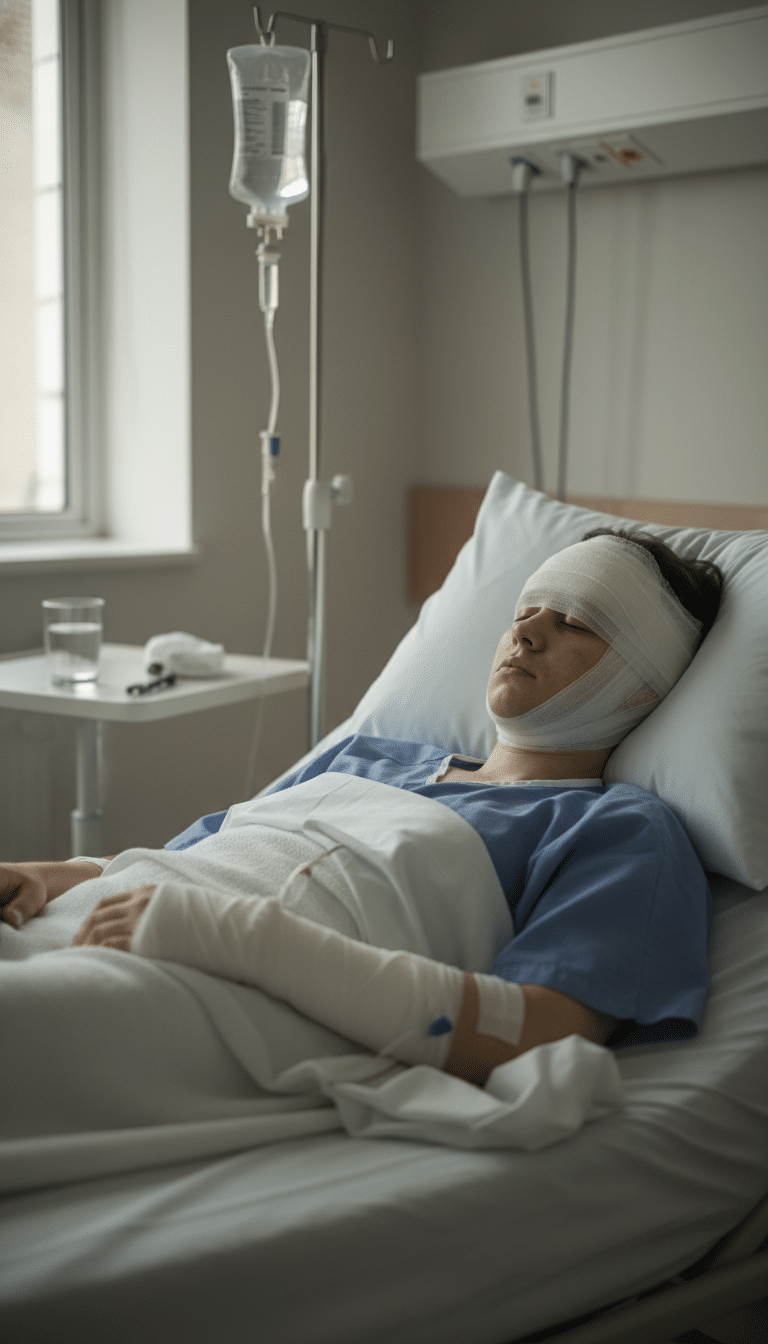
Motorcycle Wreck Lawyer in Jenks, OK | McKay Law
What Is a Motorcycle Accident Claim?
Motorcycles offer no protection between riders and the road. Without a vehicle around them, the rider takes the full force of any collision. Even at low speeds motorcycle accidents typically cause severe injuries. Riders are 28 times more likely to die in a crash than passenger vehicle occupants. Despite the risks, car and truck drivers cause most motorcycle crashes by failing to see riders. McKay Law represents motorcycle accident victims in Jenks and throughout Oklahoma.
How These Wrecks Occur
- “I didn’t see the motorcycle” excuses
- Left-turn crashes
- Yield violations
- Distracted driving
- Drunk or impaired driving
- Excessive speed
- Cars changing lanes into motorcyclists
- Following too closely
- Opening car doors
- Potholes, debris, and surface issues
- Weather conditions
- Defective motorcycle parts
- Motorcyclist error
- New riders
Common Types of Motorcycle Crashes
- Left-turn crashes
- Rear-end collisions
- Head-on collisions
- T-bone wrecks at intersections
- Cars changing lanes into motorcycles
- Sideswipe accidents
- Single-motorcycle crashes
- Crashes caused by road conditions
- Slide-out crashes
- Dooring
Common Injuries From Motorcycle Crashes
These crashes produce catastrophic injuries:
- Brain injuries
- Spinal cord injuries and paralysis
- Sliding abrasion injuries
- Multiple fractures
- Internal bleeding
- Amputations
- Crush injuries
- Burns from contact with hot motorcycle parts or post-crash fires
- Degloving injuries
- Severe facial trauma
- Major leg and pelvic injuries
- Foot trauma
- Whiplash and neck injuries
- Post-traumatic stress and psychological injuries
- Death from catastrophic crashes
Bias and Motorcycle Cases
Motorcycle riders face built-in bias — jurors and insurance companies often hold negative stereotypes:
- Assumptions that motorcyclists are reckless
- Assumptions that motorcyclists were speeding
- “They chose to ride” reasoning
- Cultural bias
- Sympathy gap
Effective representation means countering stereotypes.
Shared Fault Rules
Oklahoma applies modified comparative fault (Okla. Stat. tit. 23, § 13). Recovery is available if your share stays at or below 50%, with your award reduced by your fault percentage. Insurers commonly blame riders to reduce or eliminate recovery.
Oklahoma’s Motorcycle Helmet Law
Oklahoma requires helmets for:
- Riders under 18
- Drivers with motorcycle permits
There’s no adult helmet requirement in Oklahoma. Helmet status doesn’t bar recovery, though it can be raised regarding head injuries.
Potential Defendants
- The negligent motorist
- Their employer if the driver was on the job
- The car owner in cases of negligent entrustment
- The motorcycle manufacturer when product defects played a role
- Equipment manufacturers
- A road authority liable for hazardous roadways
- Mechanics whose negligence contributed
Key Evidence
- Police accident reports
- Visual evidence
- Video evidence
- Vehicle dashcam video
- GoPro footage
- Eyewitness accounts
- Phone usage records
- Vehicle event data recorder (EDR) data
- DUI test results
- Engineering reconstruction
- Records linking injuries to the wreck
- Physical evidence
Elements of Your Claim
- Legal Obligation — There was a duty of safe operation.
- Negligent Conduct — The defendant violated the duty.
- A Direct Link — The negligence caused the crash and your injuries.
- Quantifiable Losses — The full financial and personal toll.
Recovery for Victims
Motorcycle accident damages are typically substantial:
- Past and future medical expenses
- Ongoing rehabilitation expenses
- Lost wages and loss of earning power
- Bike and equipment damage
- Physical and emotional suffering
- The toll on daily life
- Damages for impact on relationships
- Permanent impairment
- Damages for permanent scars and disfigurement
- Survivor damages in fatal crashes
- Exemplary damages in cases of DUI or gross negligence
Filing Deadline
You typically have 2 years from the date of the crash to file (Okla. Stat. tit. 12, § 95). Wrongful death actions are likewise subject to two-year limit. Government cases require GTCA notice within 12 months.
What Working With Us Looks Like
We get to work immediately to push back on rider bias, engage motorcycle reconstruction specialists, capture full extent of visible injuries, partner with the full medical team, value cases for both economic and non-economic damages, and prepare every case as if it will go to trial.
FAQ
Q: A car turned left in front of me — what’s my case?
A: Excellent case. Left-turn crashes are the most common type of motorcycle wreck and typically establish clear liability against the left-turning driver.
Q: What does it cost to hire McKay Law?
A: Nothing. No recovery, no fee.
Q: I wasn’t wearing a helmet — does that defeat my claim?
A: Definitely not. Oklahoma doesn’t require helmets for adult riders, and not wearing one doesn’t bar recovery.
Q: The insurance company says I was at fault because I was on a motorcycle — is that fair?
A: Motorcycle stereotypes don’t establish fault. Insurance companies routinely try to blame motorcyclists. We fight back hard against these tactics.
Q: My injuries are catastrophic — how much can I recover?
A: Significant damages. Major injury cases involve substantial damages.
Q: Should I give the insurance company a recorded statement?
A: Don’t. Refer them to your attorney.
Q: My family member died in a motorcycle crash — what can we do?
A: Wrongful death cases are available.
Q: What is the deadline to file?
A: Two years from the date of the crash (Okla. Stat. tit. 12, § 95). Don’t wait — evidence fades quickly.
Recovering Damages From a Motorcycle Wreck in Jenks, OK
Motorcycle accident cases face a problem most other auto cases don’t. The bias isn’t legal. It comes from juror bias against motorcyclists. Insurance companies know this and use it aggressively. A Jenks motorcycle accident lawyer builds the case around defeating juror prejudice.
The Bias Problem That Defines These Cases
Juror Prejudice Against Motorcyclists
Research consistently shows anti-motorcyclist bias.
Many jurors hold beliefs that affect verdicts including:
- Riders take unnecessary risks
- Riders assumed the risk
- Riders are usually speeding
- Riders take unsafe lane positions
- Motorcyclists are partly to blame for any crash
These attitudes don’t match the data. Research on crash causation shows the at-fault party is usually the car driver.
But juror bias persists despite the data.
Insurance Companies Exploit This Bias
Insurance carriers know about juror bias.
Insurers use the bias to:
- Pushing comparative fault even with weak evidence
- Lowballing settlement offers
- Arguing rider contribution
- Forcing trial in cases that would normally settle
Overcoming Juror Bias
Effective motorcycle case litigation requires specific approaches.
Key methods include:
- Thorough voir dire
- Reframing the rider as a normal person who happened to be riding
- Educating jurors
- Strong expert testimony
- Demonstrating the rider’s care
Why Motorcycle Injuries Are Catastrophic
No Vehicle Protection
Motorcyclists have no vehicle structure protecting them.
When a car hits a motorcycle, the energy transfers to the rider’s body.
Ejection From the Motorcycle
Riders are typically ejected from motorcycles in crashes.
After ejection, additional injuries include impacts after leaving the motorcycle.
Distinctive Injury Patterns
Traumatic Brain Injury
Brain injuries are frequent. Helmets help but don’t fully protect.
Road Rash
Road rash causes severe abrasion injuries. Severe cases require skin grafting.
Internal Injuries
Hidden internal damage are common in motorcycle crashes.
Fractures
Fractures are common.
Spinal Cord Injuries
Spinal injuries can produce catastrophic spinal damage.
Amputation Injuries
Crush trauma can result in amputation injuries.
Permanent Disfigurement
Combined injuries often produce permanent disfigurement affects daily life.
Common Causes of Motorcycle Crashes
Left-Turning Vehicles
Left-turn crashes against motorcycles.
This pattern is the leading cause.
The driver typically fails to see the motorcycle or misestimates speed/distance.
Lane Changes Into Motorcycles
Lane-change crashes against motorcycles are particularly dangerous.
Motorcycle blind-spot crashes accounts for many lane-change crashes.
Rear-End Crashes
Rear-end crashes against motorcycles can be particularly dangerous. At signals or stop signs.
Driver Failing to Yield
Right-of-way violations against motorcycles.
Vehicles Crossing Centerlines
Cars crossing centerlines into oncoming motorcycle traffic can be catastrophic for motorcyclists.
Distracted Drivers
Drivers using phones, GPS, or other distractions disproportionately injure motorcyclists.
Drunk and Impaired Drivers
Drunk drivers are a significant cause.
Road Hazards
Road hazards that don’t significantly affect cars cause crashes for motorcyclists. Various surface defects.
Defective Motorcycles or Components
Component failures generate crashes.
Helmet Laws and Comparative Fault
Helmet Laws Vary by State
States have different helmet laws. Some states require helmets; riders under specific ages; free choice.
Helmet Use and Comparative Fault
Even where helmet use isn’t required by law, defense often argues failure to wear a helmet should reduce damages.
This argument has varying legal treatment:
- Some jurisdictions allow this argument to reduce damages
- Other states bar this defense
- Some jurisdictions limit how this argument can be used
Helmet Use Where Legally Required
In states with mandatory helmet laws, failure to wear a helmet can support comparative fault.
Helmet Standards and Quality
Defense may still attack helmet quality.
Helmet certifications, type, quality may be argued.
Damages in Motorcycle Cases
Recoverable losses include include:
Medical Costs
- Initial emergency treatment
- Surgery costs
- Inpatient care
- Intensive care if needed
- Physical therapy and rehabilitation
- Ongoing care
- Future medical care
- Adaptive equipment
- Home modifications
Lost Wages and Earning Capacity
Major income loss.
Property Damage
Motorcycle replacement, plus damage to riding gear, additional property damage.
Pain and Suffering
Pain damages are typically major.
Loss of Enjoyment of Life
Motorcycle injuries often eliminate riding as an activity. This supports specific damages.
Mental Health Treatment
Mental health damages. Loss of the ability to ride.
Loss of Consortium
Effects on intimate relationships.
Wrongful Death
In fatal motorcycle crash cases.
Punitive Damages
Exemplary damages may be available.
Common Insurance Defenses
“The Rider Was Speeding”
“You were going too fast” even when contradicted by evidence. Comprehensive accident reconstruction can defeat unsupported speed claims.
“The Rider Was Weaving”
“You were weaving”.
“The Rider Wasn’t Visible”
Visibility defenses. This argument often fails because drivers have a duty to look for motorcyclists.
“The Rider Assumed the Risk”
Defense argues riders accepted the inherent risk of motorcycle riding. This defense is generally unsuccessful.
“The Rider Wasn’t Wearing a Helmet”
Helmet-related defenses.
“Comparative Fault”
Comparative negligence.
“Pre-Existing Conditions”
Pre-existing condition defenses.
Critical Steps After a Motorcycle Crash
Get Immediate Medical Attention
Even with apparently minor symptoms, Internal injuries may develop.
Stay at the Scene Until Police Arrive
Don’t leave the scene until law enforcement responds.
Document the Crash Scene
Comprehensive scene documentation.
Preserve the Motorcycle
The bike needs to be locked down. Don’t allow it to be repaired or destroyed before expert examination.
Get Witness Information
Witness identification.
Photograph Your Gear
Riding gear documentation can be evidence.
Don’t Discuss Fault at the Scene
Don’t speculate at the scene.
Get a Police Report
Official documentation is essential.
Don’t Speak With Insurance Adjusters Without Counsel
Adjusters reach out fast. Direct insurer communication can permanently damage the case.
Riding Gear and Damages
Motorcycle gear matters to the case.
Showing you wore appropriate riding gear defeats certain defenses.
The Underinsured Motorist Problem
Motorcycle crashes often involve catastrophic injuries. Other drivers’ coverage may be inadequate.
Personal UIM coverage provides additional coverage.
Verifying available coverage is important after a motorcycle crash.
Attorney Costs
Counsel handling these cases earn fees only on recovery. Expert costs run high reimbursed from the recovery.
Move Quickly
These cases need quick attention.
The crash evidence must be preserved.
Independent observations require prompt investigation.
Video recordings have limited retention.
Filing deadlines continues running.
Engaging counsel right away positions the case for the recovery that overcomes juror bias and pursues the full damages motorcycle injuries actually deserve.
McKay Law Is Your Jenks Advocate After A Motorcycle Accident
Motorcyclists have nothing between themselves and the road but a helmet and the pavement — and when a careless driver, an unsafe roadway, or a defective piece of equipment brings about a crash, the rider is the one who pays. Broken bones, road rash that strips skin down to muscle, traumatic brain injuries despite a helmet, spinal cord damage, internal organ trauma, and amputations are painfully routine outcomes of motorcycle wrecks. On top of the physical toll, riders face an deep-seated bias from insurance adjusters who insist a motorcyclist must have been speeding, weaving, or doing something reckless, regardless of what the evidence shows. At McKay Law, we won’t budge against that bias from day one. We respond immediately to retrieve the police report, dash cam and surveillance footage, the at-fault driver’s cell phone records, vehicle black box data, helmet cam footage when available, and witness statements that establish exactly how the wreck unfolded.
Motorcycle cases frequently include more than one defendant — the driver who didn’t see you, an employer if that driver was working at the time, a road designer or municipality responsible for hazardous pavement, or a manufacturer whose defective tire or brake component contributed to the wreck. When you become part of the McKay Law family, our team partners with accident reconstruction experts, biomechanical engineers, and treating physicians who can transform the physics of the crash into a story the jury understands. We pursue the highest possible compensation for emergency airlift and trauma care, surgeries, ICU and prolonged hospitalization, skin grafts and reconstructive procedures, ongoing rehabilitation, prosthetics or mobility aids when amputation is involved, future medical needs, motorcycle replacement, riding gear replacement, missed paychecks, reduced future income, the profound pain and emotional toll of coming through a wreck this catastrophic — and in the most devastating cases, the wrongful death of a precious life. Reach us now at (866) 679-9651 or contact us online to set up your free consultation and place a firm that respects riders in your corner.
Video Testimonials






