

“Labor Omnia Vincit” McKay Law
Alva, OK Parking Lot Accident Lawyer
Collisions in parking lots can cause serious injuries despite typically occurring at low speeds in Alva, OK. When safety failures occur in parking lots, the consequences can be severe. McKay Law advocates for parking lot accident victims throughout OK. Parking lots present unique hazards—the combination of moving vehicles, walking shoppers, and blind spots creates constant risk. Parking lot incidents frequently include the wide variety of crashes that happen when drivers don’t pay proper attention in close quarters. Pedestrians hit in parking lots often produce catastrophic injuries—because even slow-speed impacts can cause severe harm to people on foot. Common causes of parking lot accidents include driver inattention, backing without checking, failure to yield, and dangerous lot conditions. Who can be held responsible is sometimes obvious but often complicated. When driver negligence caused your injury, they bear primary responsibility. When the parking lot itself was dangerously designed or maintained, the property owner can be held liable. Potential defendants include individual drivers, property owners, maintenance contractors, and business operators. Our Alva car accident attorneys move fast to preserve evidence—the proof needed to establish fault and liability. Critical video evidence is often destroyed within weeks, so calling an attorney early is critical. Victims often suffer traumatic brain injuries (especially for pedestrians hit by vehicles), broken bones, spinal injuries, neck and back injuries, shoulder injuries, lacerations, internal injuries, and wrongful death. People struck by vehicles in parking lots are at high risk of catastrophic harm even at low speeds. We fight for every dollar including economic and non-economic losses, including damages for property owners’ negligent maintenance. Insurers love to minimize claims by claiming joint responsibility—we don’t let them deflect from the at-fault party’s negligence. All parking lot crash claims is handled on a no-win, no-fee basis—no fees unless we recover. Contact McKay Law today for a complimentary evaluation with a Alva, OK parking lot crash attorney who will hold the at-fault driver, property owner, or both accountable.
Settlements Won
0
+
Million Dollars Won
0
+
Google 5 Star Reviews
0
+
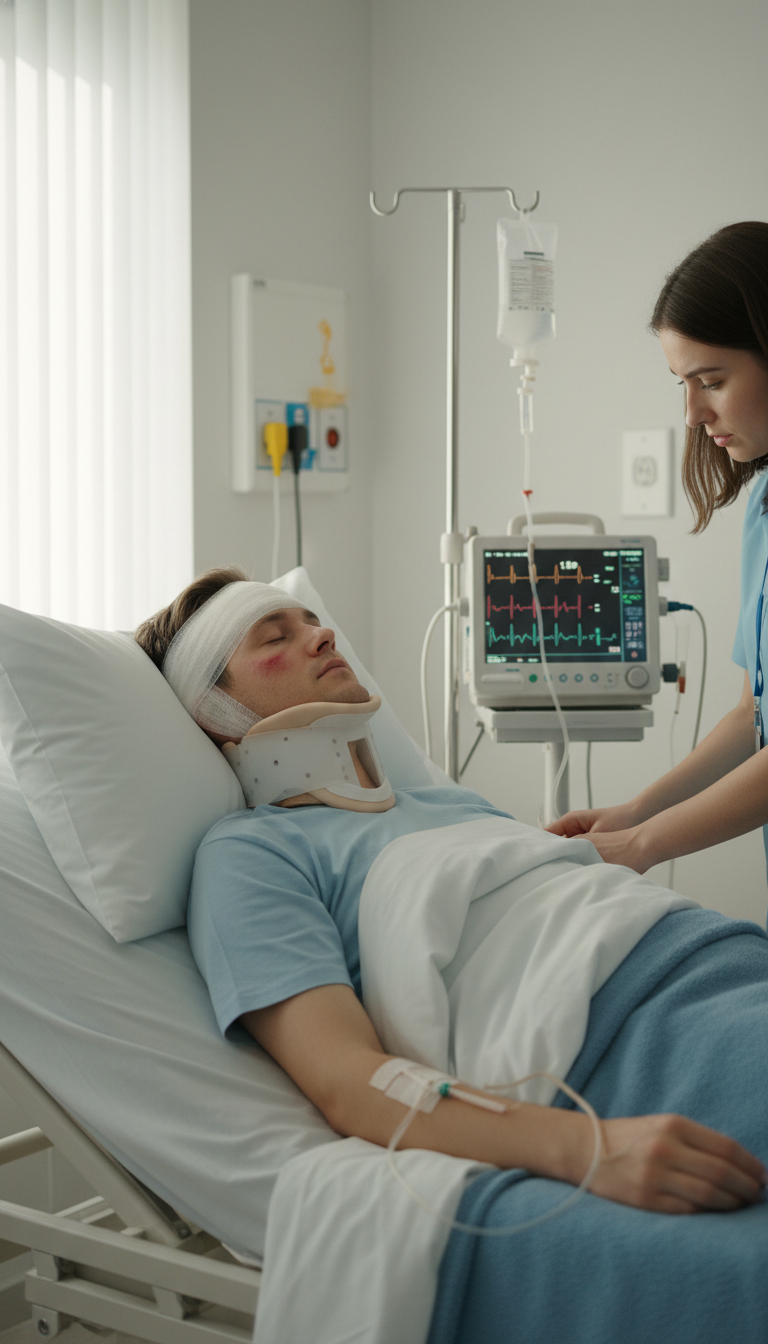
Parking Lot Crash Lawyer in Alva, OK | McKay Law
The Basics of Parking Lot Crash Cases
Parking lots are surprisingly dangerous places. Despite slow speeds, parking lot crashes cause real injuries. The combination of close quarters, distracted drivers, backing maneuvers, and pedestrians creates a recipe for crashes. Parking lot crashes can involve cars, pedestrians, bicyclists, shopping carts, and falling merchandise. McKay Law represents parking lot accident victims in Alva and in surrounding communities.
Common Types of Parking Lot Accidents
- Backing accidents — reversing into traffic
- Sign violations — running stop signs in parking lots
- Pedestrian strikes — pedestrian incidents in parking facilities
- Cart accidents — cart-related incidents
- Merchandise fall — falling object incidents
- Object falls — falling debris
- Trip and fall — falls due to ice, snow, potholes, or hazards
- Aisle violations — parking spot disputes
- Sideswipes — side contact incidents
- Fast driving — reckless driving in parking lots
- Impaired driving in parking lots — drunk drivers in parking lots
Common Causes of Parking Lot Crashes
- Distracted driving
- Failure to look while backing
- Speeding
- Stop sign violations
- Not yielding to pedestrians or vehicles
- Drunk or impaired driving
- Aggressive maneuvers
- Driver fatigue
- Inadequate parking lot lighting
- Poor parking lot design
- Marking failures
- Mechanical defects
- Inadequate or no security
- Inadequate or broken lights
- Hazardous pavement conditions
- Hazardous conditions (ice, snow, debris)
Fault Determination in Parking Lot Crashes
Determining fault in parking lot accidents involves the same principles as road accidents:
- Reversing typically establishes fault
- Pedestrians have priority
- Must follow parking lot signage
- Fault can be shared
- Property owners may share liability
Typical Parking Lot Crash Injuries
Despite low speeds, injuries can be significant:
- Cervical strain
- Back and spinal cord injuries
- Brain injuries
- Broken bones
- Lacerations
- Damage to internal organs
- Pedestrian trauma
- Crush injuries
- Falls and slip-related injuries
- Wrongful death
Who Pays
- The negligent driver
- Landowners
- Store owners
- Management firms
- Maintenance providers
- Snow removal
- Security companies
- Construction contractors
- Government entities
Owner Responsibility
Owners are obligated to:
- Keep parking lots safe
- Repair pavement defects
- Lighting maintenance
- Maintain visible lane markings
- Snow and ice removal
- Provide adequate security where needed
- Hazard warnings
- Maintain traffic control devices
- Design parking lots safely
What You Must Prove
- Legal Obligation — There was a duty of care.
- Negligent Conduct — The defendant failed to meet that duty.
- A Direct Link — The negligence produced the harm.
- Damages — The financial and personal toll.
Evidence That Wins Parking Lot Cases
- Police accident reports
- Video evidence
- Scene and damage photos
- Eyewitness accounts
- Property maintenance records
- Lighting records
- Records of past incidents at the property
- Prior complaint records
- Vehicle damage analysis
- Records of distraction
- Treatment documentation
Recovery for Victims
- Healthcare costs
- Lost income and reduced earning capacity
- Damage to belongings
- Pain and suffering
- The toll on daily life
- Damages for impact on relationships
- Wrongful death compensation when the incident was fatal
- Punitive damages when warranted
Pedestrian Parking Lot Cases
Pedestrian incidents in parking lots are particularly serious:
- Pedestrians have priority over vehicles
- Drivers must yield
- Pedestrian injuries are typically serious
- Children are particularly vulnerable
- Elderly risk
Filing Deadline
You typically have two years from the date of the incident to file (Okla. Stat. tit. 12, § 95). Government cases require one-year GTCA notice.
How McKay Law Approaches Parking Lot Cases
We act fast to preserve camera footage, pursue records of past incidents, coordinate with treating providers, pursue all liable parties, and build each file for the courtroom.
FAQ
Q: I was hit while backing out of a parking spot — am I at fault?
A: Depends on circumstances, but backing drivers usually have fault.
Q: What does it cost to hire McKay Law?
A: Nothing upfront. We only get paid if we win.
Q: I slipped on ice in a parking lot — what’s my claim?
A: You may have a premises liability claim against the property owner.
Q: A car backed into me in a parking lot — what should I do?
A: Document everything and seek medical care.
Q: I was hit by a shopping cart in a parking lot — can I sue?
A: It depends. Store negligence in cart management or hazardous parking lot conditions can support a claim.
Q: Should I give the property owner’s or driver’s insurance a recorded statement?
A: No. Call us first.
Q: What is the deadline to file?
A: Two years from the date of the incident (Okla. Stat. tit. 12, § 95). Government claims require one-year notice.
Parking Lot Accident Claims in Alva, OK
Parking lot crashes get treated as inherently minor. People assume low speeds mean low harm. But low speeds don’t mean low harm. Parking lots aren’t standard roadways. Different rules apply, fault determination is more complicated, and the parties involved go beyond just the drivers. A Alva parking lot accident lawyer knows how to handle these cases despite the systematic minimization.
Why Parking Lots Are Their Own Category
Private Property, Not Public Roadway
Most parking lots are on private property. This affects the applicable law.
Traffic laws applicable to public roads may not directly apply on private property though reasonable care still applies.
Mixed Use Creates Complexity
Parking lot environments include:
- Moving vehicles
- Stationary vehicles
- Pedestrians
- Cart usage
- Cargo activity
Multiple use types create multiple risks.
Limited Sight Lines
Visibility in parking lots is limited. This drives many crashes.
Less Defined Lanes and Direction of Travel
Different from regular streets, parking lots often lack clear traffic flow indicators. Drivers are sometimes unsure about traffic flow.
Pedestrian-Vehicle Interaction
Parking lots involve constant pedestrian-vehicle interaction. This produces significant pedestrian crash risk.
Common Types of Parking Lot Accidents
Vehicle-to-Vehicle Crashes
Backing-Up Crashes
Backing crashes.
Common scenarios include:
- Two vehicles backing into each other
- Vehicle backing into a vehicle in the driving lane
- Vehicle backing into a parked vehicle
- Backing into pedestrians
Lane Crashes
Lane-based incidents involve frontal crashes, lateral crashes, right-of-way disputes.
Sideswipe Crashes
Lateral parking crashes.
Pulling-Out Crashes
Pull-out crashes.
Pedestrian Crashes
Vehicle-pedestrian crashes in parking lots are particularly dangerous.
Backing-Up Pedestrian Crashes
Pedestrians struck by reversing vehicles.
Particularly harmful to vulnerable pedestrians.
Pedestrians Crossing Driving Lanes
Pedestrians walking through driving lanes are vulnerable to moving vehicles.
Pedestrians Between Vehicles
Pedestrians walking between parked vehicles.
Crashes With Stationary Objects
Property damage incidents.
Shopping Cart Incidents
Loose carts can cause damage.
Falls in Parking Lots
Slip and trip incidents driven by surface conditions.
Loading and Unloading Incidents
Loading injuries encompass various scenarios.
The Premises Liability Component
Beyond auto accident law, parking lot accidents often involve premises liability.
Property Owner Liability
Parking lot owners have duties to maintain safe premises.
Premises claims involve:
Inadequate Lighting
Insufficient lighting in parking lots.
Surface Defects
Potholes, uneven pavement, cracks, or other surface defects that cause crashes or falls.
Inadequate Snow and Ice Removal
In areas with snow/ice, inadequate snow and ice removal generates incidents.
Inadequate Drainage
Standing water or drainage issues create hazards.
Sight-Line Obstructions
Visual obstructions that obstruct visibility can contribute to crashes.
Inadequate Signage
Inadequate or missing traffic control signage.
Inadequate Security
Crime-related premises liability can support negligent security claims.
Who Can Be Held Liable?
The Other Driver
Primary defendant is the primary defendant in vehicle-to-vehicle parking lot crashes.
Multiple Drivers (in Multi-Vehicle Cases)
Various contributing drivers can face liability.
Property Owner
Parking lot owners may bear premises liability.
Property Manager
Management firms can share liability for management failures.
Snow and Ice Removal Contractors
Winter maintenance contractors can face liability for inadequate snow and ice removal.
Pavement Maintenance Companies
Surface maintenance companies can face liability for pavement defects.
Lighting Companies
Where lighting is contracted out can face liability.
Vehicle and Component Manufacturers
Equipment-related crashes can implicate manufacturers.
Maintenance Companies
Service failure contributions can create separate liability.
Government Entities
For parking lots on government property, special procedures govern.
Common Insurance Defenses
“Both Drivers Were at Fault”
Defense pushes mutual fault arguments.
“The Plaintiff Wasn’t Paying Attention”
Inattention defenses.
“The Other Driver Couldn’t See You”
“They couldn’t see you”.
“The Crash Was Minor — Injuries Don’t Make Sense”
Defense argues low-speed crashes don’t cause significant injuries. This requires thorough medical records.
“Pre-Existing Conditions”
Prior medical issues.
Critical Steps After a Parking Lot Accident
Don’t Leave Without Police Documentation
For all but the smallest incidents, request a police report.
For incidents police won’t respond to, use the alternatives: capture everything you can, obtain witness information.
Photograph Everything
Detailed photography matters significantly.
Capture:
- Both vehicles, all damage
- How vehicles are positioned
- Light levels
- Painted markings
- Signs
- Surface conditions
- Sight lines and visibility
Identify Witnesses
Other drivers, pedestrians, employees of nearby businesses offer essential corroboration.
Photograph the Surrounding Property
Premises documentation.
Document the Property Owner
Identify the parking lot owner.
Get Medical Attention Immediately
Even when feeling fine, same-day medical care is critical.
Don’t minimize. Insurers exploit victim minimization.
Identify Any Surveillance Cameras
Parking lots often have cameras.
Document camera positions to request preservation.
Don’t Discuss Fault
Don’t speculate at the scene.
Don’t Speak With Insurance Adjusters Without Counsel
Adjusters call fast.
Damages Available
Parking lot accident damages parallel other auto claim categories:
- Comprehensive medical care
- Past and future income loss
- Permanent occupational limitations
- Out-of-pocket vehicle costs
- Pain and suffering
- Loss of consortium
- Punitive damages in cases involving egregious conduct (less common in parking lot cases but possible)
Special Considerations for Pedestrian Cases
Pedestrian victims have stronger cases.
Drivers must look for pedestrians, favorably positioning pedestrian cases.
Pedestrian damages can be substantial given the catastrophic nature of even moderate-speed vehicle-pedestrian impacts.
Special Considerations for Premises Liability Cases
Where property contributed (inadequate lighting, surface defects, inadequate maintenance), premises liability claims supplement vehicle liability claims.
This creates multiple liability paths and multiple defendants.
Attorney Costs
Parking lot accident attorneys earn fees only on recovery. Case reviews cost nothing.
Move Quickly
Multiple time pressures apply.
Video recordings gets overwritten quickly.
Witness memories fade quickly.
Property conditions can be changed, making timely documentation critical.
OK’s statute of limitations applies regardless.
Engaging counsel right away locks down the evidence before it disappears.
McKay Law Is Your Alva Advocate After A Parking Lot Accident
Parking lots appear like the safest part of any trip — but they’re in truth the site of untold numbers of preventable crashes every year. Drivers backing without looking, tearing through lanes meant for low-speed crawling, ignoring stop signs and directional arrows, getting distracted by their phones, and misjudging the size of their own vehicles all contribute to a parking lot’s reputation as a place where small collisions cause deceivingly serious injuries. Pedestrians get struck while loading groceries, shoppers are hit while crossing between parked cars, cyclists are clipped at lot entrances, and small children — who are below the driver’s view from behind an SUV — are too often the most vulnerable victims of all. At McKay Law, we move quickly to secure parking lot surveillance footage, witness statements, incident reports, the at-fault driver’s cell phone records, and any vehicle data that establishes exactly what happened.
Parking lot wrecks can also trigger liability beyond just the driver who hit you. Lot owners and operators can be on the hook for poor lot design, faded or missing lane markings, broken lighting, obstructed sightlines, missing stop signs, and a record of prior crashes they did nothing about. When you come into the McKay Law family, we target every responsible party — the at-fault driver, their employer if they were working at the time, and the property owner or operator whose negligence factored into the conditions that made the crash possible. We demand the highest possible compensation for emergency care, surgeries, hospitalization, ongoing rehabilitation, future medical needs, prescription costs, time away from work, diminished earning ability, vehicle damage, and the enduring trauma of a crash you never asked for. Phone us today at (866) 679-9651 or connect with us online to book your free consultation and get a firm that takes parking lot wrecks seriously in your corner.
Video Testimonials






