

“Labor Omnia Vincit” McKay Law
McAlester, OK Pedestrian Accident Lawyer
Pedestrian accidents cause a disproportionate share of road fatalities in McAlester, OK—because there’s nothing between a person on foot and a multi-ton car. When negligent driving causes a pedestrian crash, the injuries are almost always serious. McKay Law fights for pedestrian accident victims throughout OK. These crashes typically result from impaired driving, distracted driving, and failure to watch for pedestrians. Common pedestrian crash types include crosswalk collisions, intersection turns, parking lot incidents, and nighttime crashes. Children and elderly pedestrians are especially vulnerable—children may not appreciate vehicle dangers, while older adults walk slower and have greater injury susceptibility. Our McAlester pedestrian injury attorneys move fast to preserve evidence—traffic camera and surveillance footage, witness statements, accident reconstruction, police reports, dashcam evidence, vehicle event data recorders, and area lighting conditions. Potential defendants include the at-fault driver, their employer if driving for work, government entities for dangerous road conditions or signal malfunctions, and bars or restaurants under dram shop laws in DWI cases. Injuries from pedestrian accidents catastrophic injuries with lifelong consequences—often among the most severe in personal injury law. The physics work against pedestrians at any speed—the difference between life and death is often just a few miles per hour. We pursue full compensation including economic and non-economic losses, plus punitive damages where warranted. Insurers love to claim pedestrians were jaywalking or wearing dark clothing—we shut those tactics down with hard evidence. Even if you weren’t in a crosswalk, recovery is often still possible—pedestrians retain rights even when they made mistakes. Every pedestrian accident case is handled on a contingency fee basis—zero upfront cost. Call McKay Law now for a no-cost case review with a McAlester, OK pedestrian crash attorney who will pursue every dollar your case is worth.
Settlements Won
0
+
Million Dollars Won
0
+
Google 5 Star Reviews
0
+
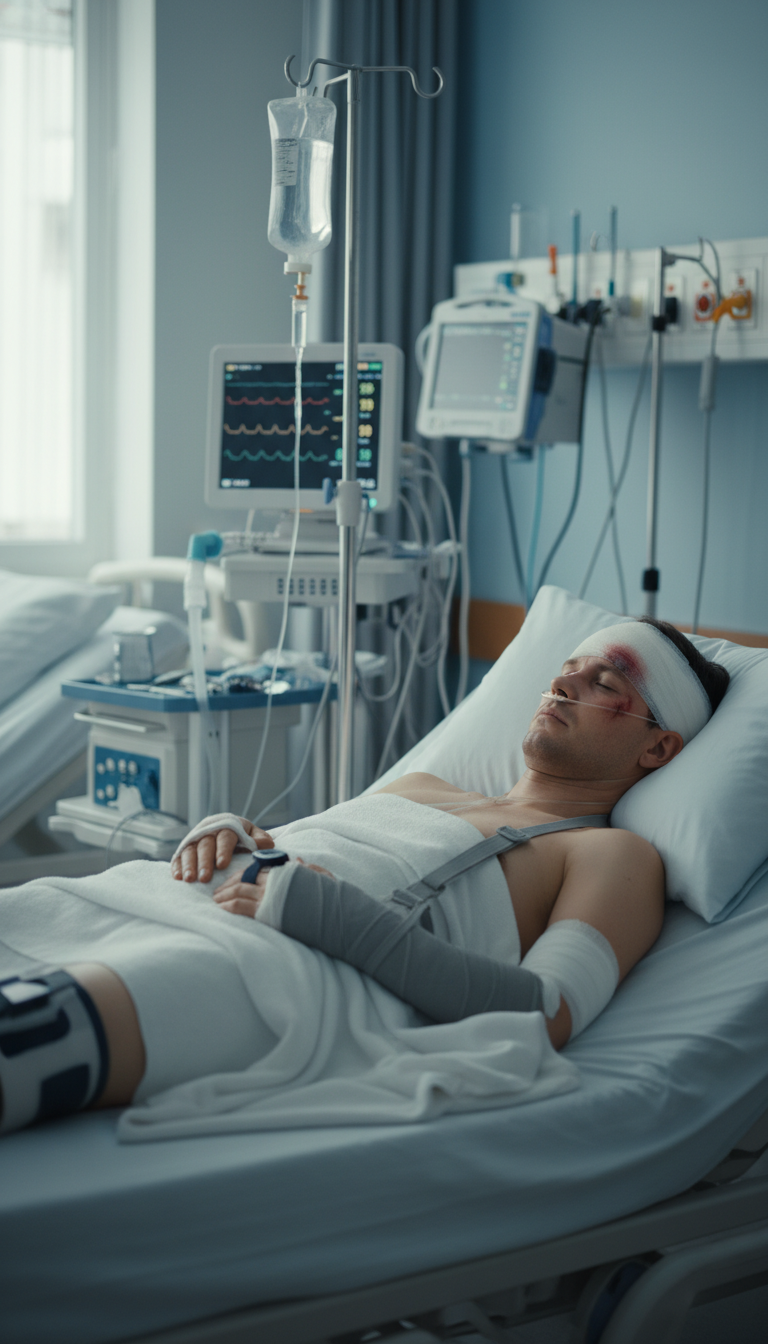
Pedestrian Crash Legal Counsel in McAlester, OK | McKay Law
What Is a Pedestrian Accident Claim?
Pedestrians are uniquely exposed on Oklahoma roads. When a pedestrian is struck, the consequences are devastating. Without any protection, pedestrians often suffer catastrophic injuries — and many die. Pedestrian deaths have increased dramatically in recent years, driven by distracted driving, larger vehicles, and other factors. Whether crossing, walking on a sidewalk, or in a parking lot, legal options are available. Our firm fights for pedestrian accident victims in McAlester and in surrounding communities.
Common Causes of Pedestrian Accidents
- Distracted driving
- DUI
- Driving too fast for conditions
- Right of way violations
- Running red lights and stop signs
- Turning failures
- Failure to see pedestrians
- Reckless behavior
- Falling asleep at the wheel
- Driving in poor weather
- Poor visibility at night
- Poor street lighting
- Missing crosswalk signals
- Broken or malfunctioning signals
- Fleeing drivers
- Sidewalk failures
Where These Accidents Happen
- Crosswalk strikes
- Intersection-related strikes
- Sidewalk strikes
- School-area strikes
- Parking facilities
- Transit-related strikes
- Driveway accidents
- Highway pedestrian incidents
- Strikes in residential areas
- Mid-block strikes
Common Types of Pedestrian Accidents
- Hit while crossing — pedestrians hit while in marked crosswalks
- Mid-block strikes — hit while jaywalking or crossing mid-block
- Turning vehicle strikes — struck by vehicles making turns
- Backing vehicle strikes — backing-related strikes
- Hit-and-run incidents — pedestrians struck by fleeing drivers
- Drunk driver strikes — impaired driver incidents
- School area strikes — school-related strikes
- Strikes of pedestrians on sidewalks — sidewalk-mounted strikes
Common Injuries From Pedestrian Accidents
These accidents produce devastating injuries because there’s nothing between them and the vehicle:
- Severe head trauma
- Spine injuries
- Crush injuries
- Multiple severe fractures
- Internal organ damage
- Amputations
- Hip and pelvic fractures
- Leg and knee injuries
- Burn injuries
- Lacerations and severe road rash
- Facial injuries
- PTSD and anxiety
- Wrongful death
Right of Way Rules
Oklahoma law gives pedestrians right of way in several situations:
- Marked crosswalks
- Unmarked crosswalks at intersections
- Pedestrians on sidewalks
- Pedestrians crossing where traffic signals favor them
Comparative Negligence and Pedestrian Accidents
Pedestrian comparative fault doesn’t bar recovery (Okla. Stat. tit. 23, § 13). Pedestrians can recover if they’re 50% or less at fault.
Potential Defendants
- The negligent motorist
- Their employer if the driver was on the job
- The vehicle owner in cases of negligent entrustment
- The automaker when product defects played a role
- Liquor establishments where overserving contributed
- A government entity in charge of negligently designed pedestrian infrastructure
Elements of Your Claim
- Duty — Drivers must look out for pedestrians.
- Violation of That Duty — Safety rules were broken.
- A Direct Link — The breach produced the impact and harm.
- Quantifiable Losses — Medical costs, lost income, pain and suffering, and other losses.
What Strengthens a Pedestrian Case
- Police accident reports
- Scene and damage photos
- Surveillance and traffic camera footage
- Home cameras
- Eyewitness accounts
- Cell phone records
- Black box data
- BAC and toxicology test results
- Signal records
- Engineering reconstruction
- Treatment documentation
Recovery for Victims
These cases involve major damages:
- Healthcare costs
- Lifetime care costs
- Lost income and reduced earning capacity
- Damage to belongings
- Non-economic damages
- Diminished quality of life
- Loss of consortium
- Lasting disability
- Disfigurement damages
- Wrongful death damages when the strike was fatal
- Punitive damages in cases of DUI, hit-and-run, or gross negligence
Hit-and-Run Pedestrian Cases
These cases have unique aspects:
- Your own UM coverage may cover
- Family UM may cover
- Driver identification
- Punitive damages
Child Pedestrian Cases
Children are especially at risk:
- Kids are harder to see
- Kids may run into roads
- Drivers must take extra care around children
- Child injuries are typically severe
- Lifetime consequences common
- Damages must account for lifetime impact
Filing Deadline
Oklahoma generally gives two years from the date of the incident to file (Okla. Stat. tit. 12, § 95). For minors, the deadline may be tolled until age 18. GTCA notice within 12 months for government defendants.
Our Process
We move quickly to lock down video evidence, examine driver history, pull cell phone, BAC, and EDR data, pursue UM coverage in hit-and-run cases, investigate dram shop claims when alcohol is involved, work with treating doctors, build comprehensive damages, and prepare every case as if it will go to trial.
FAQ
Q: I was hit while crossing the street — what’s my case?
A: Often a strong case. Crosswalk strikes typically establish clear driver liability.
Q: What does it cost to hire McKay Law?
A: Zero upfront. We only get paid if we win.
Q: I was hit at night while crossing where there’s no crosswalk — am I at fault?
A: Some fault possible, but recovery available. Oklahoma law allows recovery despite some pedestrian fault.
Q: A hit-and-run driver hit me — what can I do?
A: Multiple recovery sources available — UM coverage and MedPay.
Q: My child was hit while crossing the street — what can I do?
A: File claims on behalf of your child.
Q: A drunk driver hit me — can I get punitive damages?
A: Often, yes. DUI cases typically justify punitive awards.
Q: My family member was killed while crossing the street — what can we do?
A: Wrongful death cases are available.
Q: Should I give the insurance company a recorded statement?
A: No. Call us first.
Q: What is the deadline to file?
A: Two years from the date of the incident (Okla. Stat. tit. 12, § 95). For minors, the deadline may extend until adulthood.
Compensation After a Pedestrian Crash in McAlester, OK
Pedestrian cases pair catastrophic outcomes with hostile insurance handling. There’s no airbag, no crumple zone, no metal frame between the pedestrian and the vehicle. The forces involved in a vehicle-pedestrian crash transfer directly to the human body. Defense routinely blames pedestrians. An attorney familiar with these distinctive cases brings expertise in this specialized area of injury law.
Why Pedestrian Cases Are Distinctive
Catastrophic Injury Patterns
Pedestrians have no protection in vehicle crashes.
The body absorbs the full force of the crash.
Even at relatively low speeds, pedestrian-vehicle crashes produce:
- Lower extremity injuries
- Head trauma from secondary impacts
- Internal injuries from the impact
- Spinal injuries
- Multiple fractures
Catastrophic Injuries at Even Modest Speeds
Vehicle speed dramatically affects pedestrian survival.
Even at speeds well below highway speeds, impacts cause severe outcomes.
Secondary Impacts
Pedestrians often suffer multiple impacts.
Typical impact patterns include:
- First impact with the vehicle
- Impact onto the vehicle hood
- Striking the windshield
- Impact onto the roof
- Ejection from the vehicle
- Ground impact
- Being run over
Insurance Companies Aggressively Blame Pedestrians
Pedestrian-fault arguments are routine.
Common defense arguments include:
- The pedestrian was in the wrong place
- Visibility defenses
- “You should have yielded”
- The pedestrian was distracted
- The pedestrian was impaired
These arguments often have weaknesses.
Common Causes of Pedestrian Accidents
Driver Failure to Yield
Yield failures are the most common cause.
Distracted Driving
Drivers using phones, GPS, or other distractions hit pedestrians.
Drunk and Impaired Drivers
Drunk drivers cause many pedestrian crashes.
Speeding
High-speed driving dramatically increases pedestrian crash severity.
Drivers Backing Up Without Looking
Backing-up incidents cause pedestrian backing crashes.
Left-Turn Crashes
Left-turn pedestrian crashes generate many serious crashes.
Right-Turn Crashes
Right-turn pedestrian crashes generate predictable pedestrian crashes.
Running Red Lights or Stop Signs
Signal/sign violations endanger pedestrians who have right-of-way.
Inadequate Visibility
Visibility issues various visibility problems contribute to crashes.
Sidewalk and Crosswalk Issues
Crosswalk infrastructure problems create dangerous conditions.
Vehicle Defects
Vehicle defects affecting visibility, braking, or other safety can contribute to pedestrian crashes.
Where Pedestrian Crashes Happen
Intersections
Intersection-related incidents account for many pedestrian incidents.
Crosswalks
Pedestrians struck in crosswalks, despite pedestrian right-of-way happen frequently.
Mid-Block Crossings
Pedestrians struck mid-block involve more pedestrian-fault defenses, but driver duties still apply.
Parking Lots
Pedestrians struck in parking lots are particularly common.
Sidewalks
Vehicles leaving the roadway and striking pedestrians on sidewalks.
School Zones
Pedestrian incidents in school zones involve child victims.
Construction Zones
Pedestrians in construction zones.
Highways
Highway incidents involving pedestrians are particularly dangerous.
Right-of-Way and Comparative Fault Analysis
Crosswalk Right-of-Way
Pedestrians in marked crosswalks are protected by right-of-way rules.
Specific rules vary by jurisdiction, but pedestrians in crosswalks typically have priority.
Unmarked Crosswalks
Many jurisdictions recognize unmarked crosswalks at intersections carry pedestrian right-of-way.
Driver Duty to See Pedestrians
Drivers have a continuing duty to look for pedestrians regardless of right-of-way.
Even Where Pedestrians Are at Fault
Even where pedestrians share some fault, recovery is still typically possible.
Pure comparative jurisdictions allow full recovery analysis.
Modified comparative fault jurisdictions permit recovery up to the bar.
Damages in Pedestrian Cases
Recoverable losses include include:
Medical Costs
Pedestrians typically require extensive medical care:
- Emergency and trauma care
- Surgical care
- Inpatient care
- ICU and critical care
- Long-term recovery
- Long-term medical needs
- Adaptive equipment
- Home adaptations
Lost Wages and Earning Capacity
Substantial wage loss and diminished earning capacity.
Pain and Suffering
Significant pain and suffering.
Loss of Enjoyment of Life
Pedestrian injuries often eliminate the ability to do basic activities.
Mental Health Treatment
Psychological consequences.
Disfigurement and Scarring
Visible scarring.
Loss of Consortium
Spousal damages.
Wrongful Death
Pedestrian fatalities, driving wrongful death cases.
Punitive Damages
Cases involving particularly harmful conduct may support punitive damages.
Who Can Be Held Liable?
The Driver
The at-fault driver carries primary liability.
Drivers in Multi-Vehicle Crashes
Various contributing drivers can face liability.
Vehicle and Component Manufacturers
Product defect cases can implicate manufacturers.
Government Entities
Public infrastructure issues involve government tort claims with special procedures.
Property Owners
Premises-related contributions can implicate property owners.
Construction Companies
Work zone cases can implicate construction companies for traffic control inadequacies.
Employers
Course-of-employment cases can implicate employers.
Trucking Companies
Commercial vehicle pedestrian crashes involve trucking companies.
Rideshare and Delivery Platforms
Gig platform crashes involve gig company liability.
Common Insurance Defenses
“The Pedestrian Was Jaywalking”
The dominant defense.
Defense claims the pedestrian was crossing improperly.
Counter requires detailed legal analysis.
“The Pedestrian Wasn’t Visible”
Defense claims visibility issues prevented the driver from seeing the pedestrian.
Visibility-based defenses face the driver duty problem despite visibility issues.
“The Pedestrian Was Distracted”
“You weren’t paying attention”. Even with pedestrian distraction, driver duties continue.
“The Pedestrian Was Impaired”
Defense raises pedestrian impairment. This doesn’t eliminate driver fault.
“The Pedestrian Caused Their Own Injuries”
Sole-fault defenses against pedestrians. The driver’s duty to see pedestrians and operate safely means complete pedestrian fault is rare.
“Comparative Fault”
Comparative negligence.
“Pre-Existing Conditions”
Pre-existing condition defenses.
Critical Steps After a Pedestrian Accident
Get Immediate Medical Attention
Even if you think you’re “fine”, getting evaluated is critical. Internal injuries can develop.
Don’t Move If Seriously Injured
Stay put if you have serious injuries. Trying to move with spine injuries can increase injury.
Stay at the Scene Until Police Arrive
Stay put until law enforcement arrives.
Get Driver Information
Capture driver information.
Identify Witnesses
Witnesses can be crucial.
Photograph Everything
Visual evidence of every relevant detail.
Document the Crosswalk Status
Where you were in relation to the crosswalk, Pedestrian signal information, Marking documentation.
Get a Police Report
Insist on official documentation.
Don’t Discuss Fault
Leave fault determination to investigators.
Don’t Speak With Insurance Adjusters Without Counsel
Adjusters reach out fast. Direct insurer communication can permanently damage the case.
Special Considerations for Hit-and-Run Pedestrian Cases
Hit-and-run pedestrian crashes present specific challenges.
Pedestrian victims without auto policies, household auto policies may apply.
Special Considerations for Children
Pediatric pedestrian cases have particular concerns:
- Children typically aren’t held to the same fault standard
- Lifetime damages
- Developmental impact
Attorney Costs
Lawyers experienced with pedestrian crashes earn fees only on recovery. Specialty expertise costs advanced by the firm.
Move Quickly
These cases need quick attention.
Video recordings has limited retention.
Independent observations fade quickly.
EDR data can be overwritten.
Scene evidence may be altered.
The legal time limit applies regardless.
Connecting with a McAlester pedestrian accident attorney quickly positions the case for the substantial recovery these cases support despite aggressive insurance defenses.
McKay Law Is Your McAlester Advocate After A Pedestrian Accident
Pedestrians have nothing in the way of airbags, no crumple zones, no seatbelts, and no metal frame between themselves and a vehicle — and when a inattentive driver plows into someone standing, the result is nearly always devastating. Crosswalk strikes, drivers turning right on red without checking for foot traffic, distracted motorists drifting into bike lanes and sidewalks, drunk drivers veering onto curbs, parking lot incidents, and school zone wrecks involving children land victims with traumatic brain injuries, fractured spines, broken legs and pelvises, internal organ damage, and lifelong disabilities. Even in slow-moving traffic, a vehicle hitting a person produces forces the human body wasn’t designed to withstand. At McKay Law, we respond immediately to obtain traffic and surveillance footage, dash cam recordings, the at-fault driver’s cell phone records, vehicle black box data, witness statements, and any crosswalk signal timing data that proves the driver’s refusal to yield.
The insurance company on the other side will try to deflect responsibility onto you — arguing you moved into traffic suddenly, weren’t using a crosswalk, were wearing dark clothing, or were distracted by your own phone. We push back hard. When you become part of the McKay Law family, we develop a case that grounds the conversation on the driver’s duty to watch pedestrians and the negligence that caused your injuries. We chase full compensation for emergency airlift and trauma care, surgeries, ICU and prolonged hospitalization, ongoing rehabilitation, future medical needs, prosthetics or mobility aids when amputation is involved, in-home and long-term care, prescription costs, time away from work, loss of livelihood, the profound physical and psychological suffering of enduring a impact like this — and in the most sorrowful cases, the wrongful death of a family member. Reach us without waiting at (866) 679-9651 or connect with us online to book your free consultation and place a firm that advocates for pedestrians in your corner.
Video Testimonials






