

“Labor Omnia Vincit” McKay Law
Blackwell, OK Rear-End Accident Lawyer
Rear-end collisions are the most frequent type of car accidents in Blackwell, OK—and despite what insurance companies may claim, they are often far more serious than they appear. Whiplash, herniated discs, concussions, and spinal injuries can develop hours or even days after impact, burdening you with expensive treatment, lost income, and ongoing suffering. That’s why McKay Law represents rear-end accident victims across OK. In most rear-end crashes, the trailing driver is presumed to be at fault—but proving fault is only the first step. Cell phone use, aggressive driving, failing to maintain a safe distance, and inattention are the leading causes behind these crashes, and our Blackwell car accident attorneys gather the evidence needed to win. We work with accident reconstruction experts, preserve electronic evidence and vehicle data, and develop claims that pursue the full value of your injuries—not the discounted settlement the insurance company hopes you’ll accept. Emergency room costs, ongoing therapy, lost earning capacity, physical pain, and mental anguish are all recoverable damages—we make sure nothing is left on the table. Every rear-end accident case is handled on a pure contingency arrangement—you pay nothing unless we win. Don’t accept the first offer without knowing your rights. Contact McKay Law today for a no-cost case review with a Blackwell, OK rear-end accident lawyer who will stand up to the insurance companies on your behalf.
Settlements Won
0
+
Million Dollars Won
0
+
Google 5 Star Reviews
0
+
Rear-End Crash Legal Counsel in Blackwell, OK | McKay Law
What Is a Rear-End Accident Claim?
Few crash types occur more often than rear-end collisions in Oklahoma, but “common” does not mean “minor”. Following too close, inattention, or a late reaction can cause whiplash, herniated discs, traumatic brain injuries, and worse. Our firm fights for people hit from behind in Blackwell and across the state, making sure responsible parties pay what they owe.
Common Causes of Rear-End Accidents
These crashes almost always come down to one driver’s failure to pay attention or maintain a safe distance:
- Looking away from the road — including texting, GPS use, eating, or adjusting the radio
- Riding the bumper of the car ahead
- Speeding
- DUI
- Falling asleep at the wheel
- Sudden or aggressive lane changes
- Faulty brakes
- Adverse road conditions paired with too much speed
- Missing the obvious cues that traffic was stopping
Common Injuries From Rear-End Collisions
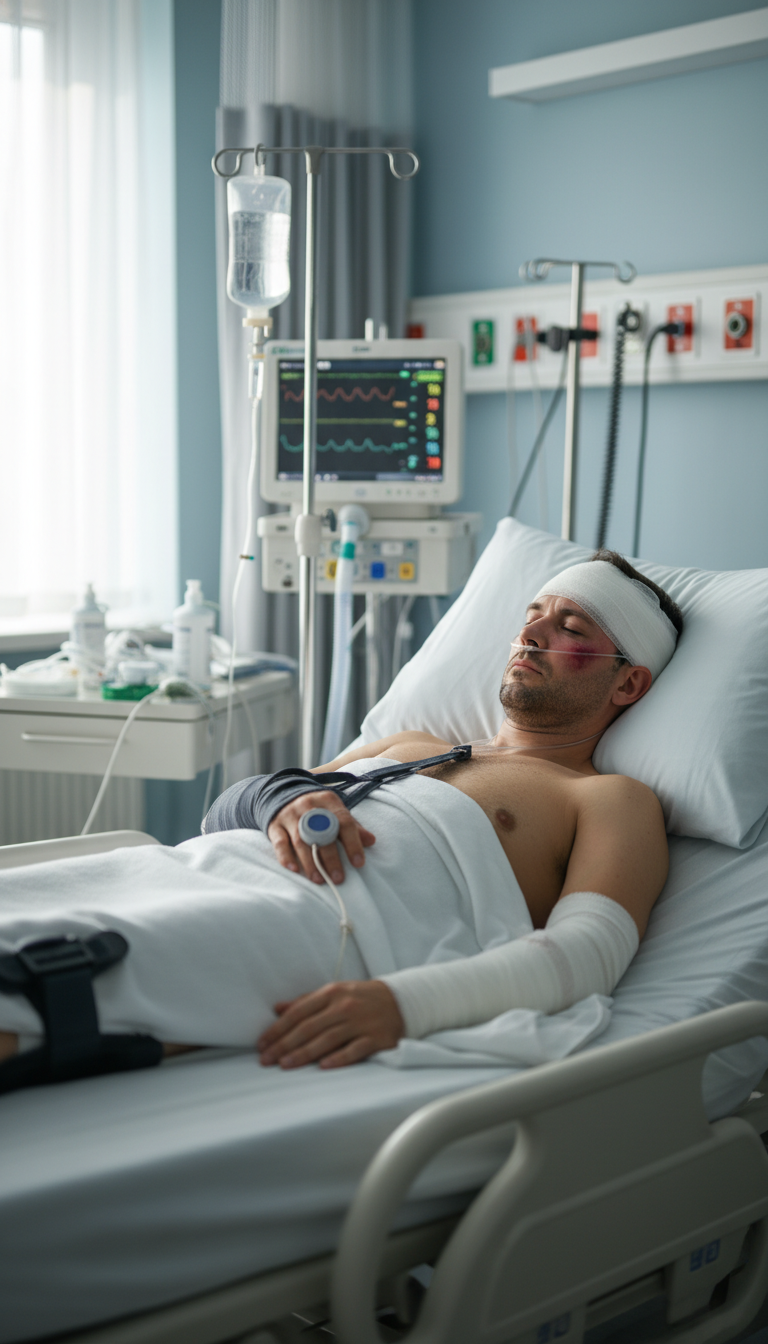
Even seemingly minor impacts, rear-end collisions leave lasting injuries. We frequently represent clients with:
- Soft-tissue neck injuries
- Herniated and bulging discs
- Concussions and traumatic brain injuries
- Back and spinal cord injuries
- Shoulder trauma from the seatbelt’s stop
- Wrist, hand, and arm injuries from gripping the wheel
- Facial injuries from airbag deployment
- Knee, hip, and leg trauma
- Mental and emotional trauma following the crash
The Liability Picture in Rear-End Cases
People often assume the trailing driver is automatically liable. The truth is, Oklahoma follows a modified comparative fault system, meaning fault can be shared (Okla. Stat. tit. 23, § 13). A victim can recover as long as they are less than 51% at fault, though damages are reduced by their percentage of fault.
Defense lawyers often look for ways to assign some fault to the lead driver by arguing the lead driver:
- Slammed the brakes for no apparent reason
- Failed to signal because brake lights weren’t working
- Reversed without warning
- Changed lanes and braked
- Was driving with damaged or missing taillights
Pushing back against these arguments is a core part of our work.
Elements of Your Claim
To recover compensation, the case must establish:
- The Defendant’s Legal Obligation — All drivers must drive safely and avoid harming others.
- A Violation of That Duty — The defendant didn’t maintain a safe distance, pay attention, or react in time.
- That the Driver’s Conduct Caused the Collision — The negligence directly caused the collision and your injuries.
- Concrete Harm — Medical costs, lost income, property damage, pain and suffering, and other compensable losses.
Evidence That Wins Rear-End Cases
The right evidence makes the difference:
- Official accident reports
- Photographs of vehicle damage, the scene, and visible injuries
- Dashcam, traffic camera, and surveillance footage
- Witness statements and contact information
- Phone data tied to the moment of impact
- EDR readouts
- Complete medical documentation
- Accident reconstruction analysis
Recovery for Rear-End Crash Victims
In Oklahoma, injured parties can seek:
- All medical bills, current and future
- Therapy expenses
- Lost income and reduced earning capacity
- Cost to repair or replace damaged property
- Pain and suffering
- Loss of enjoyment of life
- Loss of companionship
- Survivor damages for surviving family in fatal wrecks
- Punitive damages where the at-fault driver was drunk, on drugs, or grossly reckless
Time Limits to Be Aware Of
Oklahoma generally gives two years from when the collision occurred to bring a claim (Okla. Stat. tit. 12, § 95). Wrongful death claims carry the same two-year statute. Waiting can mean the loss of critical evidence and the right to sue.
The Defense Playbook
Insurers frequently undervalue these claims — especially in low-property-damage cases. Watch for these moves:
- Using low repair estimates to suggest minor injuries
- Pressuring you to give a recorded statement before you have a lawyer
- Pressuring fast settlements before injuries are fully diagnosed
- Citing prior records to deny causation
- Mining your online presence for damaging content
- Sending you to insurer-friendly “independent” medical exams to generate opinions that limit value
What Working With Us Looks Like
At McKay Law, every client benefits from direct attorney involvement. We move quickly to preserve evidence — sending preservation demands for crash video and electronic data — partner with healthcare providers to build the medical evidence, and prepare every case as if it will go to trial, which improves settlement leverage.
Frequently Asked Questions
Q: I felt fine right after the crash — can I still file a claim?
A: Definitely. It is common for symptoms to emerge in the hours or days after the crash. Seek care promptly and keep records. A delayed onset does not bar your claim.
Q: What does it cost to hire McKay Law for a rear-end accident case?
A: Nothing upfront. McKay Law works on contingency, so we are paid only if we recover compensation.
Q: What if the other driver claims I stopped suddenly?
A: This is a common defense tactic. Even if you stopped quickly, drivers are required to maintain a safe following distance precisely so they can react to sudden stops. We regularly overcome this defense.
Q: Should I give the insurance company a recorded statement?
A: Almost never — not until you’ve spoken with counsel. Recorded statements are taken to find inconsistencies and reduce what they pay. It is your right to say no and let your lawyer handle communications.
Q: What if the at-fault driver doesn’t have insurance or has too little coverage?
A: Look to your own coverage. Your UM/UIM coverage exists for exactly this situation, which can cover your damages when the at-fault driver lacks adequate insurance. We dig through every applicable policy to find coverage.
Q: How long do rear-end accident cases take to resolve in Oklahoma?
A: It depends on the seriousness of injuries, fault disputes, the course of treatment, and whether litigation is required. Straightforward cases may resolve in a few months, while contested or catastrophic-injury cases often take well over a year.
Q: Can I still recover if the police report says I was partially at fault?
A: Quite possibly, yes. Oklahoma’s modified comparative negligence rule allows recovery as long as you are 50% or less at fault (Okla. Stat. tit. 23, § 13). Officers’ opinions can be challenged with evidence — we routinely overturn unfavorable reports through investigation.
Q: What is the deadline to file a rear-end accident claim in Oklahoma?
A: As a rule, two years from the date of the crash (Okla. Stat. tit. 12, § 95) covering both injury and fatal-crash claims. The sooner you act, the more evidence we can preserve.
Compensation After a Rear-End Crash in Blackwell, OK
Rear-end crashes are the most common type of collision on OK roads. These crashes are responsible for injuries that are routinely downplayed by insurers. An experienced auto accident lawyer in Blackwell can push back against the lowball game.
The Myth of the “Minor Fender-Bender”
Insurance companies love to point to low property damage estimates as proof that nobody could be seriously hurt. The science says otherwise. Modern bumpers are engineered to spring back from minor hits — meaning the energy still transfers into the occupants.
Injuries Commonly Linked to Rear-End Crashes
Whiplash and Cervical Strain
Rapid neck hyperextension defines rear-end trauma. Symptoms can take days to appear.
Disc Herniations and Spinal Injuries
The compression forces can damage the soft tissue between vertebrae, sometimes resulting in chronic radiculopathy.
Concussions and Mild Traumatic Brain Injury
Even without a direct head strike. Rapid acceleration jostles brain tissue can produce a mild TBI — fog, memory issues, headaches, light sensitivity.
TMJ and Jaw Injuries
Jaw muscles tensing on impact can trigger temporomandibular joint dysfunction.
Is the Rear Driver Always at Fault?
Generally speaking, yes. OK drivers are required to maintain a safe following distance. When they don’t, fault usually falls on them.
But not always. The front driver can share blame if they made an erratic lane change before stopping. OK follows a comparative fault system, so even partial fault can reduce — but not always eliminate — recovery.
What Makes a Strong Rear-End Claim
Prompt Medical Attention
Get checked out the same day if possible. Gaps in treatment give insurers the argument that the injury came from somewhere else.
Documenting Vehicle Forces, Not Just Damage
Photos of crumple zones can show what actually happened in the collision — even when the exterior looks fine.
Tracking Functional Loss
Logging missed activities and pain levels documents the real cost of the injury.
What Damages Can Be Recovered?
A successful claim can seek medical bills past and future, lost income, future wage loss, vehicle repair or replacement, and pain and suffering for the long-term toll.
How an Attorney Levels the Playing Field
Insurance carriers approach rear-end claims with a script: downplay damage. Your attorney builds the file insurers won’t — wage loss reports and, when needed, a courtroom presentation.
Lawyer Fees
There’s no fee to get started. Crash attorneys in Blackwell work on contingency.
Move Quickly
OK sets a hard statute of limitations on auto injury claims. Surveillance video gets overwritten within surprisingly little time. Reaching out promptly maximizes what you can recover.
McKay Law Is Your Blackwell Advocate After A Rear-End Accident
Getting slammed from behind is one of the most jarring things that can happen on the road — one moment you’re stopped at a light, and the next you’re facing a damaged vehicle, a stiff spine, and an at-fault driver pointing fingers at you for braking. At McKay Law, we manage rear-end collision cases on a daily basis and know exactly how to establish liability when the driver behind you wasn’t paying attention. Whether your crash was brought on by a texting driver, a drunk driver, a reckless motorist, or a fleet vehicle that couldn’t stop in time, our team digs into the crash report, secures dashcam and surveillance footage, reconstructs the impact, and consults with medical experts on the neck and back injuries that so often result from these crashes.
Don’t let the insurance company persuade you that your injuries are “minor” just because the bumper damage looks small — rear-end impacts routinely cause herniated discs, concussions, and chronic pain that linger for years. By placing your case in the hands of the McKay Law family, you get a team that fights back against lowball offers and holds out against for less than your case is worth. We seek every dollar you’re owed for ER visits, imaging and diagnostics, physical therapy, chiropractic care, ongoing medical needs, vehicle repair or replacement, missed paychecks, and the pain, frustration, and disruption this crash has caused in your life. Contact us right away at (866) 679-9651 or reach out online to arrange your free consultation and let us get started for you.
Video Testimonials






