

“Labor Omnia Vincit” McKay Law
Skiatook, OK Psychological Injury Lawyer
Invisible injuries can be just as devastating as any physical injury—and in Skiatook, OK, McKay Law fights for victims whose lives have been forever changed by mental anguish caused by someone else’s negligence or wrongful conduct. Severe emotional trauma, PTSD, and lasting psychological harm are real, compensable injuries—not feelings you should have to bear alone and not something insurance companies should be allowed to sweep aside. Our Skiatook mental anguish lawyers advocate for survivors rebuilding their lives after traumatic accidents, workplace harassment, assault, abuse, or witnessing horrific events. When your emotional harm resulted from a wrongful incident, or you’ve suffered standalone psychological harm, we recognize how to document the impact with treating clinician testimony, mental health expert opinions, and detailed evidence. Insurance companies routinely undervalue mental anguish claims—we won’t let them treat your suffering as an afterthought. We take every claim on a pure contingency arrangement, which means you don’t pay a cent unless we secure compensation. If you’re living with psychological symptoms that have changed your life after someone else’s wrongful conduct, the law is on your side. Call McKay Law for a confidential consultation to talk privately to a compassionate Skiatook, OK mental anguish attorney who will pursue every dollar your suffering is worth.
Settlements Won
0
+
Million Dollars Won
0
+
Google 5 Star Reviews
0
+
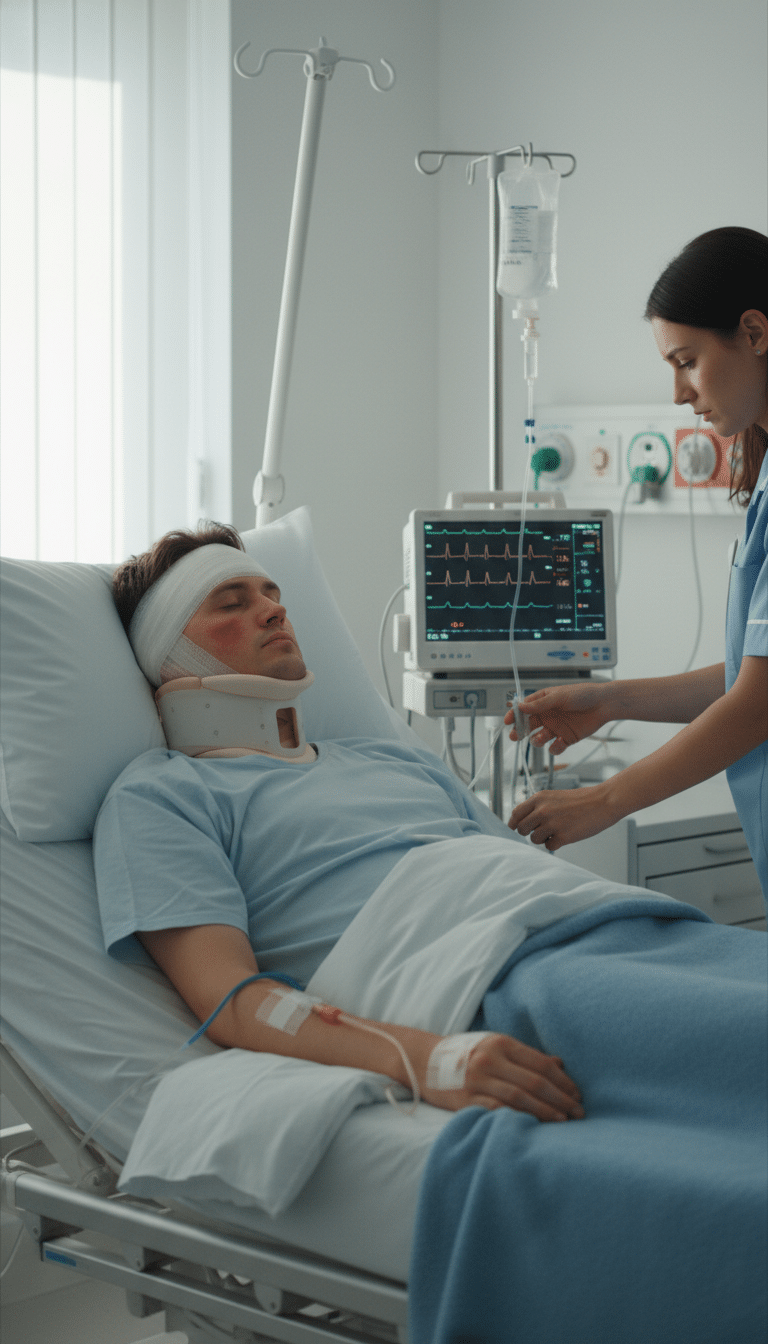
Psychological Injury Lawyer in Skiatook, OK | McKay Law
The Basics of Mental Injury Cases
Some of the deepest wounds cannot be seen. When another party’s careless or intentional behavior leaves you with ongoing psychological damage, you have legal rights under Oklahoma law. Our firm collaborates with qualified psychiatric and psychological experts to establish the full scope of psychological harm.
Types of Psychological Harm We Pursue
Many psychological conditions are compensable under Oklahoma law, including diagnosable mental health conditions caused by another party’s conduct:
Trauma-induced PTSD
Short-term acute stress conditions
Severe depression following trauma
Anxiety disorders triggered by trauma
Panic-related conditions
Adjustment disorders
Trauma-induced phobic disorders
Trauma-related sleep disturbances
Dissociative responses to trauma
Persistent complex bereavement disorder
The Causes of Action We File
There are multiple ways to bring a psychological injury claim in Oklahoma for mental injury claims:
Negligent Infliction of Emotional Distress (NIED) — Available when a defendant’s carelessness results in emotional injury, generally requiring either physical impact or physical symptoms of the distress.
Intentional Infliction of Emotional Distress (IIED) — Filed where a defendant’s intentional or reckless behavior causes severe emotional distress.
Emotional Harm Bundled With Other Claims — Added as damages within cases involving physical injury or other wrongful conduct.
Witness-Based Emotional Distress Claims — For those who witnessed serious harm to a close family member.
How These Injuries Happen
The following scenarios commonly produce compensable mental harm:
Major traffic collisions
Assaults that happened due to inadequate security
Sex-based abuse or assault
Severe on-the-job harassment
Witnessing the death or severe injury of a loved one
Dog attacks and animal maulings
Life-changing physical injuries with mental fallout
Medical errors and birth-related trauma
Nursing home abuse or neglect
Collective trauma events
Building the Evidence
To win a psychological injury claim, the evidence must establish:
A Formal Psychiatric or Psychological Diagnosis — Documented by a licensed mental health professional.
Causation — Medical opinion connecting the trauma to the diagnosis.
Negligence, Recklessness, or Intentional Misconduct — In the form required by the chosen legal theory.
Quantifiable Losses — Measurable economic and non-economic harm.
Damages Available in Oklahoma Psychological Injury Cases
A successful claim can recover:
Therapy, counseling, and psychiatric care costs, including future expected care
Costs for higher levels of psychiatric care
Prescription medication costs
Income lost and future earning losses, when the condition affects work ability
Pain and suffering
Diminished quality of life
Strain on marriage, family, and friendships
Additional awards where conduct was intentional, malicious, or grossly reckless
Oklahoma’s Filing Deadline
Under Oklahoma law, you typically have 2 years from the date of the incident to file a personal injury or emotional distress claim (Okla. Stat. tit. 12, § 95). Where the condition manifests over time, delayed-discovery principles can sometimes extend this deadline under the right circumstances. The safest approach is to consult an attorney without delay to safeguard your case.
The Defense Playbook
Insurance companies routinely challenge psychological injury claims. Watch for these moves:
Demanding access to every record of past mental health treatment so they can point to past struggles
Bringing in their own clinicians to dispute the diagnosis
Combing through social media hoping to find anything that looks “happy”
Insisting the symptoms predate the incident
Trying to close the case for pennies before the condition stabilizes
We are ready for these defense plays and prepares cases to withstand this scrutiny.
What Working With Us Looks Like
At McKay Law, every client benefits from direct attorney involvement. We coordinate with treating providers to establish a thorough treatment history, engage respected mental health experts to strengthen causation evidence, and build each file for the courtroom from the start, which puts maximum pressure on the defense.
Common Questions
Q: Can I file a claim for psychological injury without any physical injury in Oklahoma?
A: It is possible, depending on the circumstances. IIED claims stand on their own without physical injury, while negligent infliction claims typically require either physical impact or physical manifestation of distress. A consultation can clarify which framework fits your facts.
Q: What does it cost to hire McKay Law for a psychological injury case?
A: There is no upfront cost. We handle psychological injury cases on a contingency fee, with no fee unless we win for you.
Q: How do I prove a psychological injury is real and connected to the incident?
A: With several types of formal diagnosis, treatment records, expert causation testimony, and personal accounts of impact. Day-to-day documentation, witness statements, and pre-event history frequently make a difference.
Q: What if my psychological symptoms only appeared months after the incident?
A: Many psychological conditions take time to emerge, particularly with trauma-related diagnoses. The discovery doctrine may extend your deadline, but reach out as soon as you can to protect your rights.
Q: Will my mental health history be exposed if I file a claim?
A: A degree of disclosure is generally unavoidable when emotional harm is part of the case, but good lawyers work to narrow the scope of intrusion into your history. We actively defend our clients’ privacy throughout the case.
Q: Who can be sued for causing psychological injury in Oklahoma?
A: Liability turns on who caused or enabled the harm. This can include the person who directly caused the trauma, workplaces that failed to act, landowners who created the environment for harm, entities whose conduct contributed, and the carriers behind the responsible parties.
Q: How long will my psychological injury case take in Oklahoma?
A: The timeline reflects injury severity, defense posture, treatment trajectory, and whether litigation is needed. Straightforward claims can wrap up in months, while contested cases can run longer.
Q: What is the deadline to file a psychological injury claim in Oklahoma?
A: Typically, 2 years from the date of the incident (Okla. Stat. tit. 12, § 95), with possible extensions under the discovery rule when symptoms emerge later.
Pursuing a Psychological Injury Claim in Skiatook, OK
Mental and emotional injuries are every bit as serious as broken bones — but they’re notoriously tough to establish in court. An attorney experienced in mental injury claims knows how to translate invisible suffering into compensation under OK law.
What Counts as a Psychological Injury?
Psychological injuries include medically documented conditions such as post-traumatic stress disorder, complex trauma, anxiety disorders, depression, phobias, and chronic insomnia. They can arise after witnessing a traumatic event, even when the body heals quickly.
Why These Cases Are Different
In contrast to physical trauma, psychological harm won’t appear in an MRI. Insurers lean into this gap and often suggest the symptoms are pre-existing. Winning these claims takes more than the usual evidence.
How Skiatook Lawyers Build Psychological Injury Cases
Securing the Right Expert Testimony
A credible case hinges on testimony from licensed psychologists. Your attorney arranges independent evaluations that link the condition directly to the incident in question.
Documenting the Day-to-Day Impact
Treatment records alone aren’t enough. Counsel will frequently gather journals from family, employers, and coworkers showing the real-world toll on the client — panic attacks in everyday settings.
Establishing Causation Under OK Law
Linking cause and effect is the key fight. Your attorney must show the defendant’s conduct directly caused or substantially contributed to the psychological condition — even where there’s any prior mental health history.
Pursuing the Full Range of Damages
Recoverable damages can include out-of-pocket mental health care, lost earnings, diminished capacity to work, and loss of enjoyment of life for the emotional toll itself.
Common Scenarios That Lead to Psychological Injury Claims
People in Skiatook seek mental injury damages after serious motor vehicle collisions.
Can I Recover for Emotional Harm Without Physical Injury?
Often, yes — though it depends. OK courts permit mental injury claims without bodily injury in specific circumstances, particularly when the defendant’s conduct was grossly negligent. A Skiatook lawyer can tell you if your case qualifies.
What About Costs?
Nearly all psychological injury attorneys charge nothing unless they recover for you. First meetings are typically free.
Don’t Wait to Reach Out
These conditions frequently develop slowly, and many people delay seeking help. But the longer you wait — evidence fades. Speaking with a Skiatook psychological injury lawyer early gives your case the best chance.
McKay Law Is Your Skiatook Advocate After A Psychological Injury
The wounds that result from a traumatic event aren’t always visible, but they can be every bit as serious as any physical injury. Severe anxiety, depression, PTSD, sleep problems, and emotional distress can derail your career, strain your relationships, and steal your peace of mind long after the trauma itself has passed. At McKay Law, we understand that psychological injuries warrant to be taken seriously, and we fight to ensure insurance companies and at-fault parties recognize the real toll these conditions exact from your life. Our attorneys team up with licensed mental health providers, treating psychiatrists, and vocational experts to document your diagnosis, outline your treatment journey, and transform invisible suffering into a claim that gets taken seriously.
Insurance adjusters are quick to dismiss mental and emotional harm as overblown — we don’t let them win that argument. When you come into the McKay Law family, we shoulder the legal fight so you can prioritize therapy, medication management, and the gradual process of rebuilding. We seek compensation for counseling and psychiatric care, prescription costs, lost income from missed work, reduced earning ability, and the profound influence your condition has on your daily functioning and quality of life. Contact us today at (866) 679-9651 or contact us online to schedule a free, confidential consultation and begin healing with someone who believes you.
Video Testimonials






