

“Labor Omnia Vincit” McKay Law
Alva, OK Motorcycle Accident Lawyer
Motorcycle accidents are in a category of their own in Alva, OK—because motorcyclists have virtually no protection from impact. When a car or truck collides with a motorcycle, the consequences are typically severe or fatal. McKay Law advocates for motorcycle accident victims throughout OK. Motorcyclists are far more likely than car occupants to be killed or seriously injured in a crash—making these among the most serious cases in personal injury law. Motorcycle wrecks are often caused by cars violating right-of-way, inattention to motorcyclists, impairment, and road hazards. A leading cause of catastrophic motorcycle injuries is the left-turn collision—with the turning driver almost always bearing primary responsibility. Dangerous road conditions can also cause motorcycle crashes—sometimes creating government liability claims. Motorcycle riders often face bias that all motorcyclists ride dangerously—which insurance companies and defense lawyers exploit. Our Alva motorcycle injury attorneys are experienced fighting this bias and advocate aggressively for motorcyclists. We act quickly to secure proof—traffic camera and surveillance footage, witness statements, accident reconstruction analysis, police reports, vehicle data, dashcam evidence, and helmet camera footage if available. Potential defendants include the at-fault driver, their employer if driving for work, government entities for dangerous road conditions, motorcycle and parts manufacturers in defect cases, and bars or restaurants under dram shop laws in DWI cases. Injuries from motorcycle accidents catastrophic injuries with lifelong consequences—often among the most severe in personal injury law. Motorcyclist road rash can cover large body areas, require skin grafts, and leave permanent scarring. We fight for every dollar including medical bills, future care, lost wages, lost earning capacity, pain and suffering, mental anguish, disfigurement damages, and wrongful death damages. Adjusters frequently push the “biker fault” narrative—we shut those tactics down with hard evidence. Every client we represent is handled on a contingency basis—no fees unless we recover. Call McKay Law now for a free consultation with a Alva, OK motorcycle accident lawyer who will fight for the full recovery you deserve.
Settlements Won
0
+
Million Dollars Won
0
+
Google 5 Star Reviews
0
+
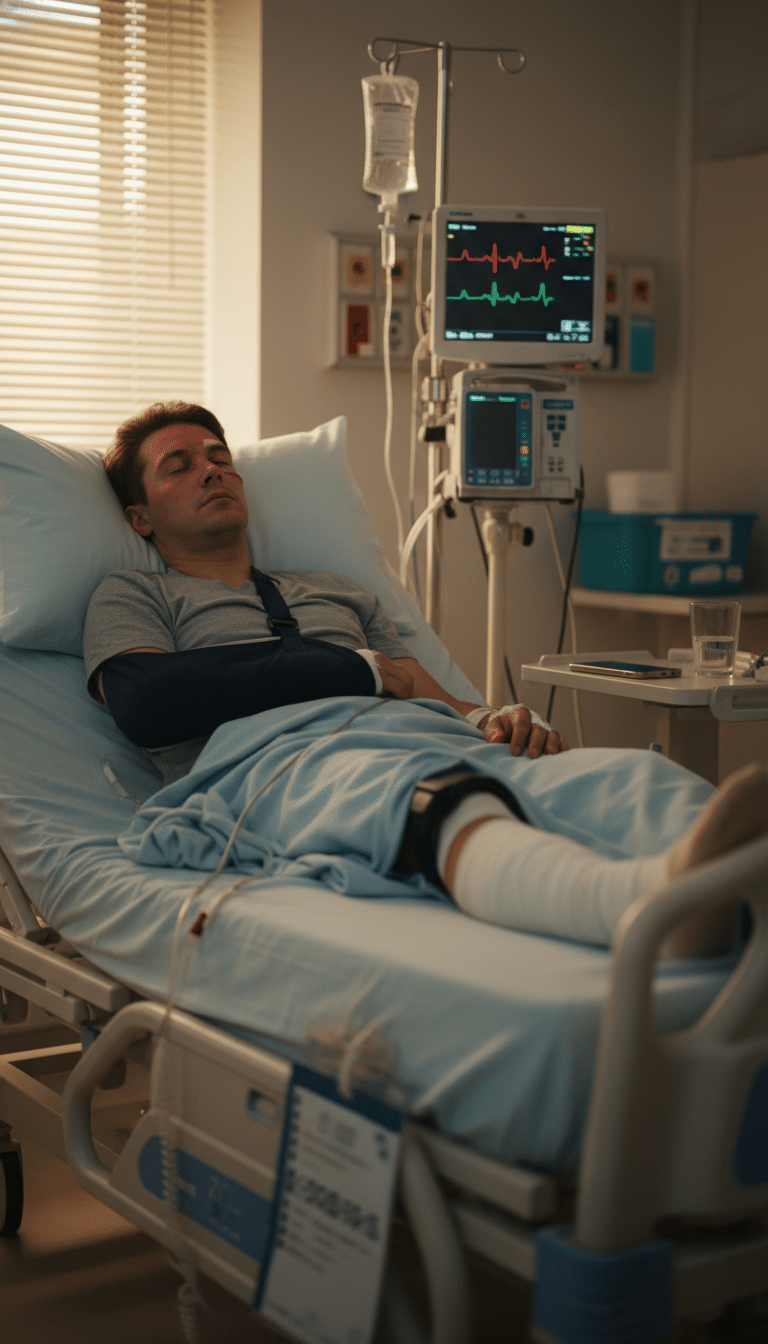
Motorcycle Crash Lawyer in Alva, OK | McKay Law
Understanding Motorcycle Accident Claims
Motorcyclists face dangers that drivers of cars and trucks don’t. With no protective shell, riders are exposed to direct impact in any crash. Even at low speeds riders typically suffer significant injuries. Motorcycle fatality rates dwarf those of car occupants. Despite the risks, other drivers cause most motorcycle wrecks. McKay Law advocates for motorcycle accident victims in Alva and in surrounding communities.
How These Wrecks Occur
- Visibility failures
- Cars turning left into motorcycles
- Failure to yield
- Texting or phone use
- Drunk or impaired driving
- Excessive speed
- Improper lane changes
- Cars too close to motorcycles
- Door collisions
- Road defects
- Weather conditions
- Mechanical defects
- Motorcyclist error
- Riders without sufficient experience
Categories of Motorcycle Wrecks
- Crashes from left-turning vehicles
- Rear-end collisions
- Head-on crashes
- T-bone wrecks at intersections
- Cars changing lanes into motorcycles
- Sideswipe accidents
- Crashes involving only the motorcycle
- Crashes caused by road conditions
- Slide-out crashes
- Cars opening doors into motorcyclists
What These Crashes Do to Riders
Motorcycle injuries are typically severe:
- Traumatic brain injuries
- Permanent paralysis
- Severe abrasions
- Severe broken bones
- Damage to internal organs
- Traumatic amputations
- Limb crush injuries
- Severe burns
- Skin avulsion
- Severe facial trauma
- Major leg and pelvic injuries
- Foot and ankle injuries
- Soft-tissue neck damage
- Post-traumatic stress and psychological injuries
- Death from catastrophic crashes
The Bias Against Motorcyclists
Riders deal with stereotypes that hurt their cases — jurors and insurance companies often hold negative stereotypes:
- Reckless stereotypes
- Assumptions that motorcyclists were speeding
- Assumption of risk arguments
- Bias against motorcycle culture
- Sympathy gap
Effective representation means countering stereotypes.
Comparative Fault for Motorcyclists
Oklahoma’s modified comparative negligence rule applies (Okla. Stat. tit. 23, § 13). Recovery is preserved so long as your fault is 50% or less, though your fault reduces the final award. Insurance companies routinely try to shift fault to motorcyclists to defeat your claim.
Helmet Requirements
Helmet law in Oklahoma requires:
- Riders younger than 18
- Permit holders
Adults aren’t legally required to wear helmets. Going without a helmet doesn’t end your claim, though it can affect head injury damages.
Potential Defendants
- The driver who caused the crash
- The driver’s employer if the driver was on the job
- The car owner when ownership liability applies
- The motorcycle maker where motorcycle defects contributed
- Equipment manufacturers
- A government entity in charge of negligently designed or maintained roads
- A maintenance or repair shop whose mistakes led to the crash
Key Evidence
- Official accident documentation
- Photographs of the scene, damage, and injuries
- Surveillance and traffic camera footage
- Vehicle dashcam video
- GoPro footage
- Eyewitness accounts
- Cell phone records
- EDR readouts on speed and braking
- BAC and toxicology test results
- Accident reconstruction
- Medical records
- Physical evidence
Building the Evidence
- Legal Obligation — All drivers must be aware of motorcyclists.
- Violation of That Duty — The defendant violated the duty.
- Causation — The negligence caused the crash and your injuries.
- Concrete Harm — Medical costs, lost income, pain and suffering, and other losses.
Recovery for Victims
Damages in motorcycle cases are usually significant:
- Medical bills, past and future
- Long-term care and rehabilitation
- Lost wages and diminished earning ability
- Damage to motorcycle and protective gear
- Physical and emotional suffering
- Diminished quality of life
- Loss of consortium
- Long-term restrictions
- Damages for permanent scars and disfigurement
- Wrongful death damages in fatal crashes
- Punitive damages where conduct was reckless
Time Limits to Be Aware Of
You typically have two years from the date of the crash to file (Okla. Stat. tit. 12, § 95). Fatal crash claims also follow two-year limit. Government cases require GTCA notice within 12 months.
Our Process
We get to work immediately to fight back against motorcyclist stereotypes, engage motorcycle reconstruction specialists, capture full extent of visible injuries, work with medical specialists, value cases for both economic and non-economic damages, and treat each matter as trial-ready.
FAQ
Q: A car turned left in front of me — what’s my case?
A: Clear claim. Left-turn crashes are the most common type of motorcycle wreck and typically establish clear liability against the left-turning driver.
Q: What does it cost to hire McKay Law?
A: Nothing upfront. No fee unless we recover.
Q: I wasn’t wearing a helmet — does that defeat my claim?
A: No. Adults aren’t required to wear helmets in Oklahoma, and going without one doesn’t defeat your case.
Q: The insurance company says I was at fault because I was on a motorcycle — is that fair?
A: Absolutely not — that’s bias, not law. We push back against rider bias.
Q: My injuries are catastrophic — how much can I recover?
A: Major case value. Catastrophic motorcycle injuries typically involve substantial damages including medical bills, lost income, lifetime care, and pain and suffering.
Q: Should I give the insurance company a recorded statement?
A: Don’t. Refer them to your attorney.
Q: My family member died in a motorcycle crash — what can we do?
A: File a wrongful death claim.
Q: What is the deadline to file?
A: Two years from the date of the crash (Okla. Stat. tit. 12, § 95). Government claims require one-year notice.
Compensation After a Motorcycle Crash in Alva, OK
Motorcycle accident cases face a problem most other auto cases don’t. The challenge isn’t doctrinal. It comes from cultural attitudes about motorcyclists. Carriers leverage juror prejudice. A local attorney experienced with motorcycle crashes brings the right approach to a uniquely challenging area of injury law.
The Bias Problem That Defines These Cases
Juror Prejudice Against Motorcyclists
Research consistently shows anti-motorcyclist bias.
Many jurors hold beliefs that affect verdicts including:
- Riders take unnecessary risks
- Motorcyclists chose to ride and accepted the risk
- Riders are usually speeding
- Motorcyclists weave through traffic
- Riders deserve some blame for the inherent risk
These attitudes don’t match the data. Studies of crash causation consistently show car drivers cause most car-motorcycle crashes.
Prejudice continues regardless of crash statistics.
Insurance Companies Exploit This Bias
Carriers understand the prejudice problem.
Insurers use the bias to:
- Disputing fault even when the driver was clearly at fault
- Offering low settlement amounts
- Pushing shared-fault theories
- Refusing to settle reasonable cases
Overcoming Juror Bias
Effective motorcycle case litigation requires specific approaches.
Important approaches involve:
- Careful jury selection
- Presenting the rider as a regular person
- Educating jurors
- Comprehensive crash reconstruction
- Showing the rider’s training, experience, and safety practices
Why Motorcycle Injuries Are Catastrophic
No Vehicle Protection
Motorcycles offer no protective enclosure.
In a car-motorcycle crash, the energy transfers to the rider’s body.
Ejection From the Motorcycle
Riders are typically ejected from motorcycles in crashes.
Following ejection, injuries can come from impacts after leaving the motorcycle.
Distinctive Injury Patterns
Traumatic Brain Injury
Head trauma is a major motorcycle injury category. Helmets help but don’t fully protect.
Road Rash
Sliding contact causes severe abrasion injuries. Severity varies widely.
Internal Injuries
Internal organ damage are common in motorcycle crashes.
Fractures
Bone injuries are common.
Spinal Cord Injuries
Spinal cord injuries can cause paralysis.
Amputation Injuries
Significant trauma can require amputation.
Permanent Disfigurement
Lasting cosmetic damage impacts quality of life.
Common Causes of Motorcycle Crashes
Left-Turning Vehicles
Cars turning left across the motorcyclist’s path.
This is the most common motorcycle crash scenario.
Driver inattention to motorcycles or misestimates speed/distance.
Lane Changes Into Motorcycles
Lane-change crashes against motorcycles account for many crashes.
Drivers often don’t see motorcycles in their blind spots accounts for many lane-change crashes.
Rear-End Crashes
Rear-end crashes against motorcycles can be particularly dangerous. At stops.
Driver Failing to Yield
Yield failures involving motorcycles.
Vehicles Crossing Centerlines
Cars crossing centerlines into oncoming motorcycle traffic produce devastating outcomes.
Distracted Drivers
Inattentive drivers fail to see motorcyclists.
Drunk and Impaired Drivers
Substance-impaired drivers cause many motorcycle crashes.
Road Hazards
Road hazards that don’t significantly affect cars cause crashes for motorcyclists. Specific road hazards.
Defective Motorcycles or Components
Component failures generate crashes.
Helmet Laws and Comparative Fault
Helmet Laws Vary by State
Helmet laws vary by state. Some states have universal helmet laws; riders under specific ages; no helmet requirements.
Helmet Use and Comparative Fault
Without legal requirements, Defense leverages helmet non-use.
Different jurisdictions handle this differently:
- Some jurisdictions allow this argument to reduce damages
- Other states bar this defense
- Some states restrict this defense
Helmet Use Where Legally Required
In jurisdictions with helmet mandates, helmet non-use can reduce damages.
Helmet Standards and Quality
Defense may still attack helmet quality.
Type of helmet worn may be argued.
Damages in Motorcycle Cases
Compensation in these cases include:
Medical Costs
- Trauma center costs
- Surgical care
- Inpatient care
- Intensive care if needed
- Rehabilitation
- Continuing care
- Long-term medical needs
- Adaptive devices
- Home adaptations
Lost Wages and Earning Capacity
Major income loss.
Property Damage
Vehicle damages, gear damage, additional property damage.
Pain and Suffering
Physical pain and suffering are significant.
Loss of Enjoyment of Life
Loss of riding. This is recoverable.
Mental Health Treatment
PTSD is common after motorcycle crashes. Riding-related anxiety.
Loss of Consortium
Effects on intimate relationships.
Wrongful Death
In fatal motorcycle crash cases.
Punitive Damages
Exemplary damages may apply.
Common Insurance Defenses
“The Rider Was Speeding”
Speed defenses regardless of actual speed. Comprehensive accident reconstruction can defeat unsupported speed claims.
“The Rider Was Weaving”
Weaving defenses.
“The Rider Wasn’t Visible”
Defense argues the rider’s visibility. This argument often fails because drivers have a duty to look for motorcyclists.
“The Rider Assumed the Risk”
Assumption of risk defenses. Assumption of risk doesn’t usually bar negligence.
“The Rider Wasn’t Wearing a Helmet”
Helmet use challenges.
“Comparative Fault”
“You contributed too”.
“Pre-Existing Conditions”
Pre-existing condition defenses.
Critical Steps After a Motorcycle Crash
Get Immediate Medical Attention
Even with apparently minor symptoms, Hidden injuries are common.
Stay at the Scene Until Police Arrive
Remain at the scene until police arrive.
Document the Crash Scene
Comprehensive scene documentation.
Preserve the Motorcycle
The bike is critical evidence. Don’t let it be repaired.
Get Witness Information
Independent observer documentation.
Photograph Your Gear
Helmet, jacket, gloves, boots, and other riding gear can be evidence.
Don’t Discuss Fault at the Scene
Avoid admitting fault or speculating about cause.
Get a Police Report
Make sure law enforcement files the report.
Don’t Speak With Insurance Adjusters Without Counsel
Insurance adjusters call quickly. Statements without legal advice can permanently damage the case.
Riding Gear and Damages
Riding gear can affect damages analysis.
Showing you wore appropriate riding gear defeats certain defenses.
The Underinsured Motorist Problem
Motorcycle injuries are typically severe. At-fault drivers often have inadequate coverage.
Underinsured motorist (UIM) coverage on your own auto policy can be critical to recovery.
Reviewing your own auto policy coverage is important after a motorcycle crash.
Attorney Costs
Lawyers experienced with motorcycle crashes work on contingency. Expert costs run high reimbursed from the recovery.
Move Quickly
Motorcycle accident cases require prompt action.
Physical evidence requires preservation.
Witness memories fade quickly.
Camera evidence have limited retention.
The legal time limit continues running.
Connecting with a Alva motorcycle accident attorney quickly triggers preservation steps.
McKay Law Is Your Alva Advocate After A Motorcycle Accident
Motorcyclists have nothing between themselves and the road but a helmet and the pavement — and when a careless driver, an unsafe roadway, or a defective piece of equipment causes a crash, the rider is the one who pays. Broken bones, road rash that strips skin down to muscle, traumatic brain injuries despite a helmet, spinal cord damage, internal organ trauma, and amputations are tragically common outcomes of motorcycle wrecks. On top of the physical toll, riders face an entrenched bias from insurance adjusters who expect a motorcyclist must have been speeding, weaving, or doing something reckless, regardless of what the evidence shows. At McKay Law, we won’t budge against that bias from day one. We move quickly to retrieve the police report, dash cam and surveillance footage, the at-fault driver’s cell phone records, vehicle black box data, helmet cam footage when available, and witness statements that expose exactly how the wreck unfolded.
Motorcycle cases often implicate more than one defendant — the driver who didn’t see you, an employer if that driver was working at the time, a road designer or municipality responsible for hazardous pavement, or a manufacturer whose defective tire or brake component contributed to the wreck. When you become part of the McKay Law family, our team consults accident reconstruction experts, biomechanical engineers, and treating physicians who can translate the physics of the crash into a story the jury understands. We demand complete compensation for emergency airlift and trauma care, surgeries, ICU and prolonged hospitalization, skin grafts and reconstructive procedures, ongoing rehabilitation, prosthetics or mobility aids when amputation is involved, future medical needs, motorcycle replacement, riding gear replacement, lost wages, lost earning capacity, the enduring pain and emotional toll of enduring a wreck this catastrophic — and in the most tragic cases, the wrongful death of a precious life. Reach us without waiting at (866) 679-9651 or connect with us online to arrange your free consultation and get a firm that respects riders in your corner.
Video Testimonials






