

“Labor Omnia Vincit” McKay Law
Bacone, OK Hit-and-Run Accident Lawyer
Hit-and-run accidents are uniquely traumatic and legally complex in Bacone, OK. When a driver flees the scene after causing a crash, the financial and emotional impact is compounded. McKay Law advocates for hit-and-run accident victims throughout OK. Drivers who flee crashes face criminal charges—but criminal prosecution doesn’t pay your medical bills. Even if police can’t track down the hit-and-run driver, recovery options often exist. The main avenue for compensation when the driver flees is the uninsured motorist provision in your auto policy—which steps in when the responsible driver is unknown. Many drivers don’t realize they have UM coverage—but it allows you to pursue your claim through your own insurance company. Additional compensation may come from your own auto coverage, health insurance, and other available policies. If law enforcement or our investigation finds the at-fault motorist, we hold them accountable through civil action. People run from accident scenes when they were driving drunk or on drugs, they don’t have insurance, they were driving with a suspended license, they were driving a stolen vehicle, they had outstanding warrants, or they were committing another crime—which makes finding them difficult but also makes them more likely to face significant criminal consequences. Our Bacone hit-and-run lawyers move quickly to identify the at-fault driver. We work with police, accident reconstructionists, and private investigators to gather surveillance footage, witness statements, debris evidence, and any vehicle parts left at the scene. Important proof we gather involves video from nearby businesses and homes, witness accounts, physical evidence, and law enforcement findings. We fight your own insurance company when necessary—because UM claims are still adversarial. Don’t assume your own insurance company will treat you fairly—they protect their bottom line, not yours. Injuries from hit-and-run accidents TBIs, fractures, paralysis, chronic pain, and fatalities. We pursue full compensation including hospital costs, ongoing treatment, missed income, suffering, and survivor damages. Every client we represent is handled on a no-win, no-fee basis—you pay nothing unless we win. Time matters in hit-and-run investigations—the first 30 days are critical. Contact McKay Law today for a free consultation with a Bacone, OK hit-and-run attorney who will stand with you through investigation, claims, and recovery.
Settlements Won
0
+
Million Dollars Won
0
+
Google 5 Star Reviews
0
+
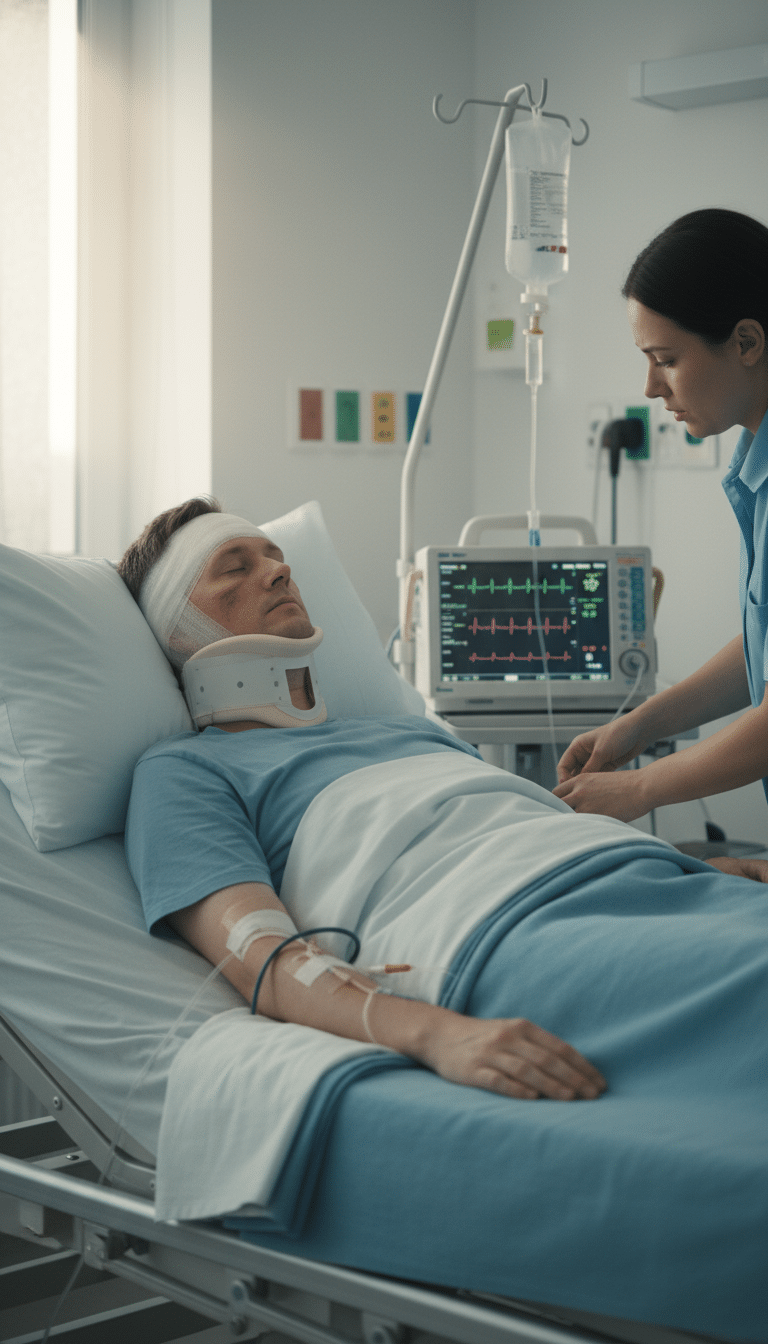
Hit-and-Run Crash Lawyer in Bacone, OK | McKay Law
The Basics of Hit-and-Run Crash Cases
Hit-and-run accidents are a particularly cruel form of crash. A driver causes an accident, then leaves without taking responsibility — leaving the victim injured and without information to pursue a claim. Leaving the scene is a crime nationwide, but they occur thousands of times annually. Even when you can’t find the driver, recovery is still possible under Oklahoma law. McKay Law advocates for hit-and-run victims in Bacone and across the state.
Why Drivers Leave the Scene
- Alcohol or drug impairment
- Driving without insurance
- No driver’s license
- Driving on a suspended or revoked license
- Open arrest warrants
- Immigration concerns
- Driving a stolen vehicle
- Trying to hide phone use
- Panic reactions after a crash
- Reckless or aggressive driving the driver wants to avoid being identified for
- Probation violations
Steps to Take
If you’re in a hit-and-run:
- Contact 911 — get police and medical response
- See a doctor — don’t skip medical evaluation
- Write down details — all identifying details
- Document with photos — comprehensive scene documentation
- Get witness names and numbers — they may have seen the fleeing vehicle
- Identify security cameras — search for video
- Don’t pursue — pursuit creates more risks
- Notify your insurer — preserve your right to UM coverage
- Contact a personal injury attorney — to handle the case
Recovery Sources
Even with an unknown driver, recovery is available:
- UM coverage — your UM coverage typically applies
- UIM policy — when the driver is found but has too little insurance
- Med Pay coverage — covers your medical bills
- Personal Injury Protection — first-party coverage
- Health Insurance — covers medical bills
- If found — once identified, regular claims can proceed
- Victim compensation funds — Oklahoma’s Crime Victims Compensation Fund may help
UM Coverage in Oklahoma
Oklahoma insurers must offer UM (Okla. Stat. tit. 36, § 3636), though it can be rejected in writing. Your UM policy typically covers:
- Medical expenses
- Income loss
- Emotional damages
- Vehicle damage in some cases
- Wrongful death damages
UM is often the primary recovery source. UM coverage is often misunderstood.
Identifying Hit-and-Run Drivers
Investigation can sometimes identify the driver. Investigative methods include:
- Police investigation
- Witness statements
- All available video
- Residential security cameras
- Vehicle debris from the crash scene
- Paint left on your vehicle
- Shops that may have repaired the fleeing vehicle
- Social media
- Crime Stoppers and tip lines
- Plate databases
Common Injuries From Hit-and-Run Crashes
- Whiplash and neck injuries
- Spinal trauma
- Brain injuries
- Bone breaks
- Internal bleeding
- Cuts
- Pedestrian injuries
- Post-traumatic stress and anxiety
- Fatal injuries
Pedestrian Hit-and-Runs
Walkers and bicyclists are often hit-and-run victims. With no protection, their injuries are typically severe. Walker and cyclist cases have unique aspects:
- Often qualify for UM coverage on the victim’s auto policy
- Pedestrian deaths are more common
- Frequent serious injuries
- Defendant drivers often face criminal charges
- Witnesses available
Parallel Proceedings
Hit-and-run is a crime in Oklahoma (Okla. Stat. tit. 47, § 10-102). If the driver is found:
- Criminal prosecution — criminal court handles the criminal case
- Personal injury claim — victim sues for compensation
Criminal convictions strongly support civil claims.
What You Must Prove
- Duty — All drivers must stay at the scene.
- Negligent Conduct — The defendant caused the crash and left.
- A Direct Link — The negligence caused the crash and your injuries.
- Concrete Harm — The full financial and personal toll.
Damages Available
- Healthcare costs
- Long-term care and rehabilitation
- Lost wages and reduced earning capacity
- Damage to belongings
- Non-economic damages
- Loss of enjoyment of life
- Loss of companionship
- Survivor damages in fatal crashes
- Punitive damages when the driver is identified — leaving the scene supports punitive damages
Punitive Damages in Hit-and-Run Cases
If the driver is found, punitive damages typically apply. The decision to flee is reckless conduct that supports punitive damages.
Oklahoma’s Statute of Limitations
The deadline in Oklahoma is two years from the date of the crash to file (Okla. Stat. tit. 12, § 95). Wrongful death actions are likewise subject to two-year limit. UM cases have separate timelines. Quick action is critical because video evidence and other identification evidence vanishes quickly.
What Working With Us Looks Like
We act fast to pursue investigation to find the driver, pursue your insurance coverage, push back against insurance companies trying to deny UM coverage, coordinate with treating providers, maximize recovery from all sources, seek punitive damages when warranted, and treat each matter as trial-ready.
FAQ
Q: A driver hit me and ran — can I still recover?
A: Yes. UM coverage on your policy usually covers hit-and-run injuries.
Q: What does it cost to hire McKay Law?
A: Nothing upfront. No fee unless we recover.
Q: How do I know if I have UM coverage?
A: Look at your insurance declaration page. Oklahoma requires insurers to offer UM coverage unless you declined in writing.
Q: My insurance company doesn’t want to pay my UM claim — what do I do?
A: We handle these cases. Insurance denials of UM claims can be challenged.
Q: Can I sue my own insurance company if they deny my UM claim?
A: Yes. Wrongful denial of UM claims supports bad-faith lawsuits.
Q: What if police identify the driver later?
A: Good — we can pursue both UM and direct claims.
Q: Should I give the insurance company a recorded statement?
A: Don’t. Talk to a lawyer first.
Q: A pedestrian was hit and killed by a hit-and-run driver — what can the family do?
A: Wrongful death cases are available. Family members can pursue wrongful death recovery through UM coverage or direct claims if the driver is identified.
Q: What is the deadline to file?
A: 2 years from the date of the crash (Okla. Stat. tit. 12, § 95). UM deadlines may be earlier — check your policy.
Recovering Damages When the At-Fault Driver Flees in Bacone, OK
Hit-and-run accidents create a problem most personal injury cases don’t have to solve. This is the defining problem of hit-and-run cases. The standard route to compensation is closed off. The case isn’t over. A Bacone hit-and-run accident lawyer knows the alternative paths to compensation.
Why Hit-and-Run Cases Operate Differently
The Defendant Is Missing
The normal framework requires identifying the at-fault party. The at-fault driver is absent from the legal proceedings.
Even when the driver is later identified, they may not have insurance, may be judgment-proof, or may have moved away.
Uninsured Motorist Coverage Becomes Central
UM/UIM coverage on your own policy is the key path.
UM coverage is specifically designed for these situations.
Most jurisdictions mandate UM coverage. UM coverage details vary, but generally UM coverage applies when:
- The at-fault driver is uninsured
- The driver who caused the crash leaves the scene
- Underinsured situations
Different States Have Different UM Rules
UM coverage rules vary significantly by state.
The state has specific UM coverage rules affects every hit-and-run case.
Physical Contact Requirements
Some states require physical contact between the hit-and-run vehicle and the plaintiff’s vehicle.
This issue arises in non-contact scenarios where another driver causes a crash without physical contact.
Types of Hit-and-Run Scenarios
Pedestrian Hit-and-Run
Pedestrians struck by hit-and-run drivers are particularly devastating.
These cases involve significant coverage challenges since the pedestrian may lack their own auto insurance.
Cyclist Hit-and-Run
Bicycle hit-and-run crashes involve similar coverage challenges.
Parked Vehicle Hit-and-Run
Vehicles struck while parked usually involve property damage but can include injury.
Driver vs. Driver Hit-and-Run
The most common scenario involves a driver fleeing after striking another vehicle.
Multi-Vehicle Hit-and-Run
Multi-vehicle crashes with a fleeing initiator then leaves the scene.
Phantom Vehicle Crashes
Non-contact incident causation.
Drunk Driver Hit-and-Run
DUI hit-and-runs happen with concerning frequency.
Who Can Be Held Liable Despite the Hit-and-Run
Your Own Insurance Company (UM/UIM)
Your own auto insurance, through UM/UIM coverage is typically the key path.
Your insurer becomes the effective defendant, but proceed as adversarial claims.
UM coverage may be disputed by:
- If the case meets UM coverage requirements
- Policy compliance
- Damages valuation
- Whether your facts trigger UM coverage
Liability of Third Parties
Other parties may bear liability even if the at-fault driver fled.
Vehicle and Component Manufacturers
For crashes involving vehicle defects involve product manufacturers.
Government Entities
Road design issues involve government tort claims with special procedures.
Maintenance Companies
Service failure contributions may involve maintenance company claims.
Property Owners
Premises liability contributions can implicate property owners.
Bar or Restaurant (Dram Shop)
Where the fleeing driver was served alcohol while obviously intoxicated can create separate liability against the alcohol-serving establishment.
Employer
Where the fleeing driver was acting in the scope of employment can create employer liability despite the driver’s flight.
When the Hit-and-Run Driver Is Identified
Many hit-and-run drivers are eventually identified. Once identified, typical liability frameworks apply.
How Hit-and-Run Drivers Get Identified
Recovery may occur without identification. Several methods can identify hit-and-run drivers:
Police Investigation
Active police investigation leads to most successful identifications. Hit-and-run constitutes a crime, creating motivation for active police investigation.
Witness Information
Witness identifications may provide critical information. Identifying information from witnesses.
Surveillance Footage
Video evidence may capture the vehicle and license plate.
Vehicle Damage Evidence
Crash damage evidence. Distinctive damage patterns.
Auto Body Shops
Auto body shops with information. Police often check auto body shops for vehicles matching crash damage.
Anonymous Tips
Anonymous tips can lead to identification.
Driver’s Confession
Voluntary return may occur eventually.
Critical Steps After a Hit-and-Run Crash
Stay at the Scene
Stay put. Even though the other driver fled, stay to comply with legal requirements.
Call the Police Immediately
Law enforcement must be notified. Police report is essential.
Document Everything You Can
Document the fleeing vehicle:
- Plate details
- Vehicle description
- Driver description if you saw the driver
- Direction of departure
- Incident timing and location
Identify Witnesses
Witnesses to the incident are critical.
Photograph the Scene
Visual evidence of every relevant detail.
Don’t Pursue the Fleeing Driver
Don’t try to pursue. Pursuing creates more danger.
Get Medical Attention Immediately
Prompt medical evaluation protects against later disputes.
Report to Your Insurance Company
Notify your insurer immediately. Notice requirements apply.
Don’t Provide Recorded Statements Without Counsel
Despite the company being your own insurer, UM coverage involves adversarial claims. Statements without representation create problems.
Common Insurance Defenses
Hit-and-run cases face specific defenses.
“It Wasn’t Actually a Hit-and-Run”
Defense argues the incident doesn’t qualify as a hit-and-run. This defense arises when:
- Disputing other-driver fault
- You caused the crash, not the missing driver
- “There was no other vehicle”
“Physical Contact Requirements Weren’t Met”
Contact-requirement defenses may bar recovery.
“You Didn’t Provide Timely Notice”
“You didn’t report timely”.
“Insufficient Identification”
Identification challenges.
“Comparative Fault”
“You contributed too”.
“Pre-Existing Conditions”
Pre-existing condition defenses.
UM Damages
UM coverage covers:
- Hospitalization, surgical, and rehabilitation costs
- Lost wages
- Permanent occupational limitations
- Non-economic damages
- Compensation for fatal crashes
UM coverage is typically limited to the policy limits. Where damages exceed UM limits, further sources of compensation become important.
Underinsured Motorist Coverage
Once identification occurs, insurance limits may be too low.
UIM benefits addresses this situation.
UIM benefits kick in when the at-fault driver’s insurance is insufficient to cover the damages.
Special Considerations for Pedestrian and Cyclist Cases
Pedestrian and cyclist hit-and-run victims face distinct challenges.
Coverage paths for pedestrians and cyclists include:
- Resident relative auto policies (in many jurisdictions, UM on resident relative’s policy applies)
- Personal health coverage
- Disability benefits
- Workers’ compensation if struck while working
Punitive Damages in Hit-and-Run
The act of fleeing the scene may support punitive damages in some scenarios.
For direct claims against the identified driver, exemplary damages may be recoverable.
Criminal Proceedings
Hit-and-run is typically a criminal offense. Criminal proceedings create evidence usable in civil proceedings after identification.
Attorney Costs
Hit-and-run accident attorneys work on contingency. Case reviews cost nothing.
Move Quickly
Hit-and-run cases involve evidence with time-sensitive preservation requirements.
Camera evidence get overwritten on short retention cycles. Witness recollections deteriorate over time.
Police investigations require investigation time, but investigation efforts need to start immediately.
Policy notice deadlines need timely compliance.
The legal time limit continues running.
Engaging counsel right away positions the case for the full recovery available through UM coverage and other alternative paths.
McKay Law Is Your Bacone Advocate After A Hit-and-Run Accident
A hit-and-run wreck adds insult to injury in the most literal sense of the phrase. One moment you’re trying to process the chaos of a collision, and the next you’re watching taillights fade as the driver who caused it speeds away — leaving you broken on the roadside, with damaged property, no contact information, and questions no one has answered. Drivers flee crashes for countless reasons — they’re uninsured, they’re driving without a license, they’re under the influence, they have outstanding warrants, or they simply panic — but none of those reasons change what you’re owed. At McKay Law, we act fast to pull traffic camera footage, nearby business surveillance video, license plate reader data, witness statements, and any debris or paint transfer from the scene that can help find the fleeing driver. If the at-fault driver is never found, we shift to your own uninsured and underinsured motorist coverage — a benefit you already paid for but most people don’t realize they can use in exactly this kind of situation.
Insurance carriers — including your own — will at times drag their feet on uninsured motorist claims, demanding proof, questioning the circumstances, and expecting you’ll accept a fraction of what you’re owed. When you join the McKay Law family, we handle the carrier so you can turn your attention to recovery. We pursue maximum compensation under every available source — the fleeing driver if identified, your uninsured/underinsured motorist coverage, MedPay or PIP benefits, and any third party whose negligence may have contributed to the wreck. We advocate for emergency care, surgeries, hospitalization, ongoing rehabilitation, future medical needs, prescription costs, vehicle damage, lost income, loss of livelihood, and the enduring damage of being abandoned at the scene of a crash that was never your fault. Contact us today at (866) 679-9651 or get in touch online to book your free consultation and place a firm that has mastered how to track down every available source of recovery in your corner.
Video Testimonials






