

“Labor Omnia Vincit” McKay Law
Clinton, OK Head-On Collision Lawyer
Head-on accidents are among the deadliest types of car wrecks on Clinton, OK roads—because the front-to-front impact directs the full force of both vehicles into the occupants. When one driver crosses the centerline, the resulting collision is typically devastating. McKay Law represents head-on collision victims throughout OK. These wrecks have one of the highest fatality rates of any collision type—reflecting the unique violence of front-to-front impacts. Head-on wrecks are often caused by driver impairment, distraction, drowsiness, wrong-way driving, and unsafe passing maneuvers. Drivers entering highways going the wrong direction are a particularly devastating subcategory. Our Clinton car accident attorneys build powerful cases against at-fault drivers. We work with accident reconstruction experts who analyze skid marks, vehicle damage, debris patterns, and crash dynamics. We preserve essential records—electronic vehicle data, photos and video from the scene, third-party testimony, and chemical test results. Liable parties may include individual drivers, employers, alcohol providers, and other parties contributing to the crash. Victims often suffer traumatic brain injuries, spinal cord damage, paralysis, multiple broken bones, internal organ damage, severe burns, crushing injuries, amputations, and wrongful death—particularly because the combined force of two moving vehicles concentrates at the point of impact. We recover all available damages including economic and non-economic losses, plus punitive damages where warranted. In cases involving drunk driving, drug impairment, or extreme recklessness, punitive damages may be available. Insurers covering head-on crash defendants may quickly admit liability but try to minimize damages—we don’t let them shortchange you or your family. All head-on crash claims is handled on a contingency basis—no fees unless we recover. Time matters in head-on collision cases. Reach out to McKay Law right away for a free consultation with a Clinton, OK head-on collision lawyer who will fight for the full recovery you and your family deserve.
Settlements Won
0
+
Million Dollars Won
0
+
Google 5 Star Reviews
0
+
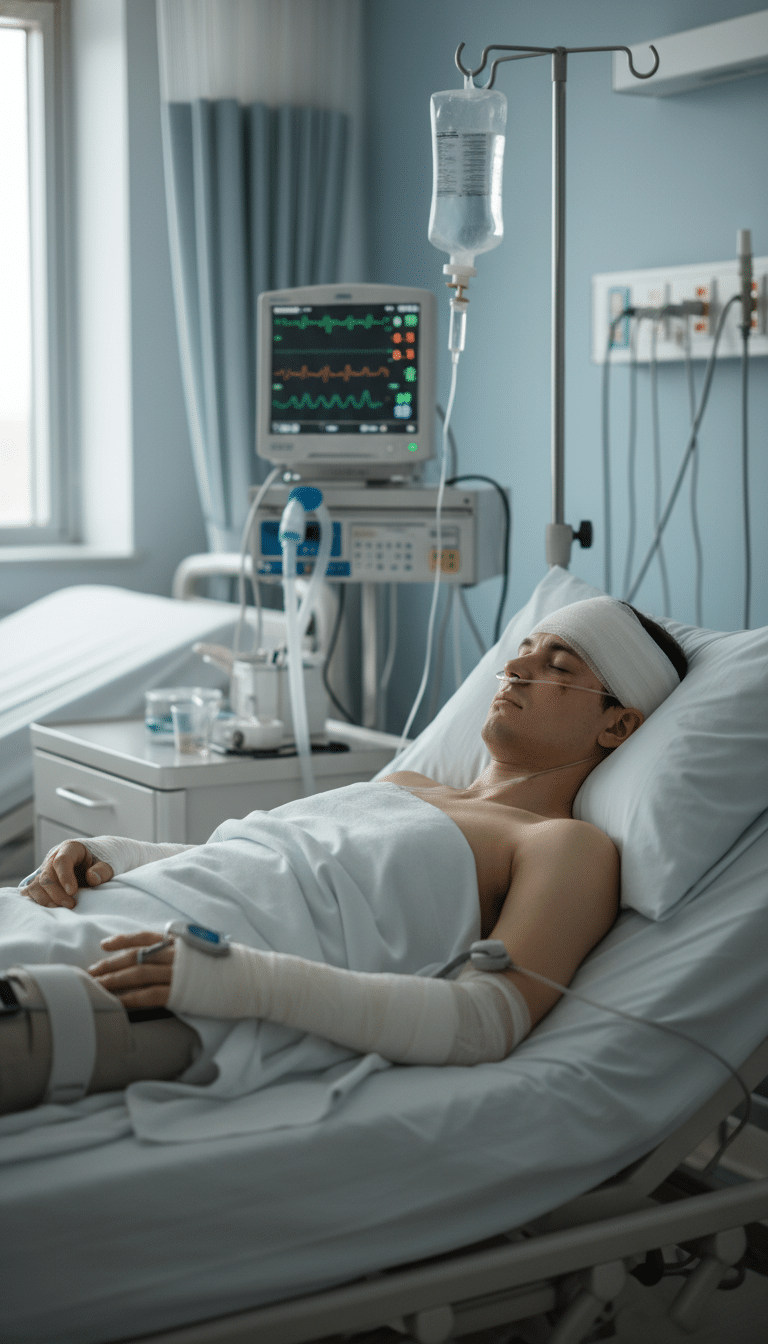
Head-On Collision Legal Counsel in Clinton, OK | McKay Law
Understanding Head-On Collision Claims
Head-on crashes kill more people per crash than any other type. When a front-to-front impact occurs, the impact forces are amplified by both vehicles’ speeds. The crash forces in head-on wrecks are catastrophic. Survivors often suffer life-changing injuries, with frequent fatalities. McKay Law advocates for head-on collision victims in Clinton and throughout Oklahoma.
How These Wrecks Occur
- Driving on the wrong side of the road
- Crossing the center line
- Texting or phone use
- Alcohol or drug impairment
- Drug-impaired driving
- Falling asleep at the wheel
- Speed-related loss of control
- Aggressive driving
- Improper passing
- Skidding or hydroplaning into oncoming lane
- Medical emergencies
- Steering or brake failures
- Road design defects
- Rain, ice, or fog causing loss of control
- Confusion
- Intentional acts
Wrong-Way Driving
Drivers going the wrong direction cause many head-on collisions. Most wrong-way driving comes from:
- DUI
- Confusion (especially elderly drivers)
- Signage failures
- Confusing intersections or entrance ramps
- Suicidal or criminal acts
Why These Crashes Are Severe
- Combined speeds
- No time to react
- Direct cabin impact
- Crumple zone limitations
- Airbag deployment overwhelmed
- Steering wheel and dashboard pushed into the cabin
- High risk of post-crash fires
What These Crashes Do to Victims
- Brain injuries
- Spinal cord injuries and paralysis
- Injuries from cabin collapse
- Multiple severe fractures
- Damage to internal organs
- Amputations
- Burn injuries
- Severe facial trauma
- Chest trauma from steering wheel
- Pelvic and hip fractures
- Legs crushed by intruding dashboard
- Cervical strain
- Lacerations and deep wounds
- Post-traumatic stress and psychological injuries
- Wrongful death
Who Can Be Held Liable in a Head-On Collision
- The at-fault driver
- Their employer if the driver was on the job
- The owner of the vehicle where the owner let an unsafe driver use the vehicle
- Liquor establishments where overserving contributed
- The vehicle manufacturer where defects contributed
- Mechanics whose work caused the failure
- A municipality in charge of negligently designed roads or signage
How Shared Fault Works
Oklahoma uses a modified comparative negligence system (Okla. Stat. tit. 23, § 13). Recovery is available if your share stays at or below 50%, with your award reduced by your fault percentage.
Building the Evidence
- A Duty of Care — All drivers must stay in their lane.
- Violation of That Duty — The driver crossed the center line, drove the wrong way, or otherwise drove negligently.
- A Direct Link — The unsafe driving led to the impact.
- Concrete Harm — Medical costs, lost income, pain and suffering, and other losses.
Evidence That Wins Head-On Collision Cases
- Police accident reports
- Photographs of the scene and damage
- Video evidence
- In-vehicle video
- Testimony from people who saw the crash
- Phone usage records
- Black box data
- BAC and toxicology test results
- Skid mark and physical evidence analysis
- Expert analysis
- Treatment documentation
- Medical records
What Compensation Looks Like
These cases involve major damages:
- Healthcare costs
- Long-term care and rehabilitation
- Lost wages and loss of earning power
- Damage to belongings
- Physical and emotional suffering
- Loss of enjoyment of life
- Damages for impact on relationships
- Long-term restrictions
- Wrongful death damages when the wreck was fatal
- Exemplary damages when warranted
Punitive Damages in Head-On Collision Cases
Head-on collisions often justify punitive damages when:
- DUI/DUID
- Wrong-way driving
- Driver intentionally crossed the center line
- Street racing
- Driver was fleeing police
- HOS violations
Oklahoma’s Statute of Limitations
You typically have two years from the date of the crash to file (Okla. Stat. tit. 12, § 95). Fatal crash claims are likewise subject to two-year limit.
What Working With Us Looks Like
We act fast to determine the root cause, secure crash data, examine drug and alcohol testing, bring in qualified experts, investigate bar liability when DUI is involved, seek punitive awards in egregious cases, work with treating doctors, and treat each matter as trial-ready.
Common Questions
Q: A driver crossed the center line and hit me head-on — what’s my claim?
A: Excellent case. Crossing the center line is clear negligence and typically establishes liability.
Q: What does it cost to hire McKay Law?
A: Nothing. We only get paid if we win.
Q: A drunk driver caused my head-on crash — can I get punitive damages?
A: Yes — usually substantial. DUI cases support major punitive awards.
Q: My family member was killed in a head-on crash — what can we do?
A: File a wrongful death claim. Oklahoma’s wrongful death statute applies.
Q: A wrong-way driver hit me — who’s liable?
A: Multiple potential defendants. Various parties may share liability beyond the driver.
Q: Should I give the insurance company a recorded statement?
A: Never. Talk to a lawyer first.
Q: What is the deadline to file?
A: 2 years from the date of the crash (Okla. Stat. tit. 12, § 95). Move fast — preserve evidence immediately.
Recovering Damages From a Head-On Collision in Clinton, OK
Head-on crashes have the highest per-incident fatality rate of any crash type. While head-on crashes are statistically rare, they’re catastrophically over-represented in fatal crash statistics. Combined closing speeds produce energy levels other crashes can’t match. A local attorney experienced with head-on crash cases knows how to navigate the unique investigation, liability, and damages issues these cases involve.
Why Head-On Collisions Are So Deadly
Combined Closing Speeds
Head-on physics is uniquely devastating.
When two vehicles approach each other, relative velocity equals the sum of both speeds.
Two vehicles each traveling 55 mph generate energy equivalent to a single vehicle crash at 110 mph.
Energy at impact rises substantially with closing velocity, producing devastating impact forces.
Frontal Impact Configuration
Vehicles are engineered to absorb frontal impact. Combined velocities defeat frontal protection.
Multiple Impact Forces
The forces involved in head-on crashes have unique direction patterns.
Occupant Position
Front-seat positions are at the focus of impact.
Common Causes of Head-On Collisions
Wrong-Way Driving
Wrong-way driving drives many head-on crashes.
Wrong-way driving is commonly tied to:
- DUI conduct
- Drug impairment
- Driver confusion (especially elderly drivers or those unfamiliar with the area)
- Poor wayfinding signage
- Work zone navigation issues
Drowsy Driving
Sleep-deprived drivers wandering into oncoming traffic drive head-on collisions from inattention.
Distracted Driving
Distracted drivers sometimes wander into opposite lanes.
Drunk and Drug-Impaired Driving
Impaired drivers are disproportionately involved in head-on crashes.
Improper Passing
Passing-related head-on crashes on two-way streets without passing zones account for distinct crash patterns.
Driving in the Wrong Direction
Drivers entering one-way streets in the wrong direction cause head-on crashes.
Sudden Avoidance Maneuvers
Drivers swerving to avoid obstacles cause cross-over collisions.
Mechanical Failures
Equipment failures drive head-on incidents.
Road Design Issues
Poorly designed roads with inadequate lane separation create head-on incident risk.
Injuries Specific to Head-On Collisions
Head-on injuries are typically catastrophic.
Traumatic Brain Injury
TBI from head-on impacts come from multiple impact sources.
Spinal Cord Injuries
Crash forces in head-on incidents can cause spinal cord damage.
Chest and Cardiac Injuries
Steering wheel impact and seatbelt forces can cause severe chest trauma.
Internal Organ Damage
Liver, spleen, kidney, and other organ injuries happen frequently in head-on incidents.
Multiple Fractures
Numerous broken bones are standard findings.
Crushing Injuries
Vehicle intrusion in head-on crashes produce devastating crush trauma.
Facial Trauma
Frontal facial impacts happen frequently.
Lower Extremity Injuries
Lower extremity trauma are particularly common in head-on crashes because of the dashboard and footwell intrusion that often occurs.
Death
These crashes are particularly likely to be fatal.
Establishing Fault in Head-On Collisions
Determining fault is usually less contested, though some cases involve complications.
Lane Position at Impact
Which vehicle was in the wrong lane is often the central liability question.
Wrong-Way Driver Cases
Wrong-way driver fault but contributing factors may include:
- Highway sign placement issues
- Dram shop liability
- Vehicle defects
- Medical conditions affecting driving
Crossing Center Line Cases
Lane departure causing head-on, the crossing driver is typically at fault.
Construction Zone Cases
Work zone head-on collisions can implicate construction contractors.
Common Insurance Defenses
“The Other Driver Was at Fault”
Cross-claims and blame-shifting are common. Expert reconstruction determines actual fault.
“Comparative Fault”
“You contributed too”. OK’s comparative fault rules allows recovery to continue.
“Sudden Emergency”
“Sudden emergency” defenses come up periodically. This common-law defense has specific limitations and requirements.
“Vehicle Failure”
Defense argues vehicle defects caused the loss of control. This argument can shift liability to vehicle or component manufacturers.
“The Plaintiff Wasn’t Paying Attention”
Avoidance-related defenses.
Critical Evidence in Head-On Collision Cases
Crash Reconstruction
Crash analysis is essential.
Vehicle Data
Vehicle electronic data provide objective evidence.
Skid Mark Analysis
Physical evidence at the scene reveal pre-crash actions.
Surveillance and Dashcam Footage
Traffic cameras, business surveillance, and other video evidence can document the incident.
Personal vehicle video systems can provide direct video evidence.
Cell Phone Records
Cell phone evidence.
Toxicology Evidence
Where impairment is suspected, impairment testing matters significantly.
Police Reports
Law enforcement records provide foundational evidence.
Witness Statements
Independent observers provide critical evidence.
Medical Records
Both vehicles’ occupants’ medical records.
Critical Steps After a Head-On Collision
Get Immediate Medical Attention
Head-on crashes typically produce severe injuries requiring immediate medical attention. Even when injuries seem manageable, delayed-onset symptoms are common.
Get a Police Report
Insist on official documentation.
Photograph the Scene
Visual evidence of every relevant detail matters significantly.
Identify Witnesses
Witnesses.
Preserve Vehicle Evidence
Both vehicles may require preservation.
Document Driver Information
The other driver’s information, condition, statements, and any signs of impairment.
Don’t Speak With Insurance Adjusters Without Counsel
Insurers from both sides reach out fast. Recorded statements before consulting an attorney hurt the claim in lasting ways.
Track Criminal Cases
If the at-fault driver faces criminal charges (DUI, reckless driving, vehicular manslaughter), monitor the criminal case.
Damages in Head-On Collision Cases
Reflecting the catastrophic nature of head-on incidents, damages can be substantial.
Recoverable damages include:
- Extensive past and future medical care
- Past and future income loss
- Home modifications and adaptive equipment
- Pain and suffering
- Wrongful death and survivor damages
- Exemplary damages where conduct involved impairment or extreme recklessness
Insurance Considerations
Head-on collision damages frequently exceed standard auto insurance policy limits. This makes identification of all available coverage sources critical.
Coverage sources may include:
- Other driver’s coverage
- Personal umbrella policies
- Commercial insurance if the at-fault driver was working
- Dram shop or social host insurance for impaired driving cases
- Product liability coverage
- The injured party’s uninsured/underinsured motorist coverage
Attorney Costs
Lawyers handling catastrophic crash cases work on contingency. Specialty expertise costs paid by counsel.
Move Quickly
These cases depend on evidence with limited preservation windows. Vehicle evidence can be lost when vehicles are repaired or scrapped. Surveillance and traffic camera footage require fast preservation. Independent observations deteriorate. Filing deadlines continues running. Engaging counsel right away positions the case for the substantial recovery these catastrophic crashes can produce.
McKay Law Is Your Clinton Advocate After A Head-On Collision
Head-on collisions are among the most lethal crashes on the road because the impact of two vehicles meeting grille-to-grille is the sum speed of both — a 50 mph driver crossing into the path of another 50 mph driver produces a 100 mph impact. The injuries that follow these wrecks are typically catastrophic: traumatic brain injuries, fractured spines, internal organ damage, multiple compound fractures, crushed legs from the dashboard intruding into the cabin, and survivors who face years of surgeries and rehabilitation. The drivers of these crashes are almost always preventable — a driver crossing the center line while texting, a wrong-way driver on the interstate after a night of drinking, a fatigued trucker drifting into oncoming traffic, an impatient motorist passing in a no-passing zone, or someone falling asleep at the wheel. At McKay Law, we respond immediately to secure the police report, dash cam and surveillance footage, cell phone records, toxicology results, vehicle black box data, and witness statements that nail down exactly how the at-fault driver ended up in your lane.
The insurance company representing the at-fault driver will do everything to cloud the issue — suggesting you could have done more to avoid the crash. We shut that down. When you become part of the McKay Law family, our team partners with accident reconstruction experts, biomechanical engineers, and treating physicians who can explain to the jury exactly how the impact occurred and why your injuries are directly attributable to it. We chase the highest possible compensation for emergency airlift and trauma care, surgeries, ICU and prolonged hospitalization, rehabilitation and physical therapy, future medical needs, in-home and long-term care, mobility aids and home modifications, lost wages, reduced future income, vehicle replacement, the life-altering pain and emotional toll of enduring a wreck this brutal — and in the most heartbreaking cases, the wrongful death of a precious life. Reach us right away at (866) 679-9651 or get in touch online to arrange your free consultation and bring a firm that won’t back down behind you.
Video Testimonials






