

“Labor Omnia Vincit” McKay Law
Cushing, OK Lacerations and Abrasions Lawyer
Deep wounds and skin injuries are common in many types of accidents in Cushing, OK. When wrongful conduct results in lacerations, you may be entitled to full compensation. McKay Law fights for laceration and abrasion victims throughout OK. Severe lacerations can involve damage to muscles, nerves, tendons, and blood vessels. Road rash and severe scrapes often involve embedded debris requiring specialized cleaning. Common causes of lacerations and abrasions include vehicle accidents, falls, dog bites, and incidents involving glass, metal, or machinery. Severe road rash injuries is a particularly devastating subcategory—frequently leaving permanent visible damage. Dog attack wounds are common and often disfiguring. Medical treatment can be extensive—and many victims require multiple operations to minimize scarring. Even after all surgeries are complete, some patients deal with lifelong visible damage. Disfigurement affects every aspect of life—particularly for visible scarring on the face, neck, hands, or other exposed areas. Texas law recognizes disfigurement as a separate compensable damage—in addition to pain, suffering, and treatment expenses. Our Cushing personal injury attorneys know the full impact of these injuries—including physical, emotional, and social consequences. We work with plastic surgeons, dermatologists, mental health professionals, and life care planners to demonstrate the lifetime cost of treatment. We recover all available damages including emergency care, long-term medical needs, lost earnings, and full compensation for visible and emotional harm. Insurance companies often undervalue laceration and scarring claims—but scars take months or years to fully develop. Don’t accept an offer before all revision surgeries are complete—scar revision often continues for months or years after the initial injury. Every laceration injury case is handled on a contingency basis—no fees unless we recover. Contact McKay Law today for a no-cost case review with a Cushing, OK scarring and disfigurement attorney who will pursue every dollar your case is worth.
Settlements Won
0
+
Million Dollars Won
0
+
Google 5 Star Reviews
0
+
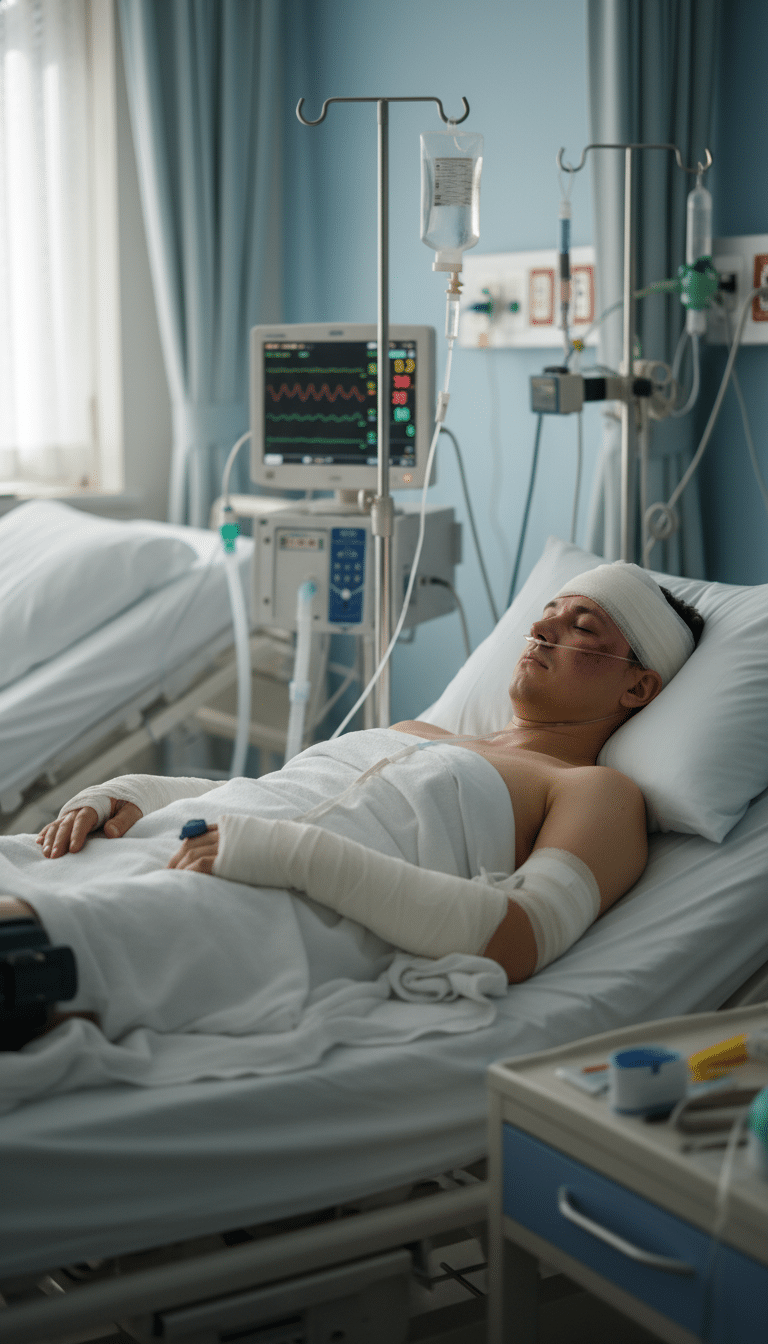
Laceration and Abrasion Injury Attorney in Cushing, OK | McKay Law
The Basics of Cut and Scrape Injury Cases
Cuts and scrapes are frequent in personal injury cases. While some are minor, some result in significant lasting harm. Visible-area injuries can significantly impact appearance, function, and earnings. Even seemingly minor cuts can develop infection. McKay Law represents laceration and abrasion victims in Cushing and across the state.
Defining Lacerations and Abrasions
- Lacerations — deep cut wounds through the skin. These cuts can damage underlying tissue.
- Abrasions — scraping or rubbing injuries that remove layers of skin. Surface injuries that can still cause major damage.
Common Causes of Laceration and Abrasion Injuries
- Vehicle crashes
- Glass shards from crashes
- Falls on unsafe property
- Industrial and construction incidents
- Equipment failures
- Violent attacks
- Dog bites and animal attacks
- Athletic injuries
- Building site incidents
- Falls from heights
- Motorcycle injuries
Where These Injuries Happen
- Face
- Head injuries
- Upper extremity
- Legs and knees
- Feet
- Chest and stomach injuries
- Back
- Neck lacerations
Categories of Cut and Scrape Injuries
- Standard cuts — clean cuts that heal with simple closure
- Complex cuts — complicated wound types
- Crush cuts — crush-related wounds
- Skin tearing — skin and tissue torn away from the body
- Skin degloving — major skin loss
- Motorcycle road rash — severe surface injuries
- Burned cuts — cuts with burns
- Nerve-damage cuts — nerve-cutting injuries
- Lacerations with tendon damage — tendon-cutting injuries
- Penetrating wounds — penetrating injuries
Why These Injuries Can Be Serious
- Infection
- Tetanus
- Sepsis
- Permanent disfigurement
- Raised scars
- Keloids
- Lasting numbness or pain
- Tendon injuries
- Blood vessel damage
- Loss of function
- Lasting visible damage
- Mental and emotional damage
- Hyperpigmentation or hypopigmentation
Medical Care
- Thorough wound cleaning
- Stitching
- Staples
- Skin glue
- Strip closure for small wounds
- Tetanus prophylaxis
- Antibiotic treatment
- Long-term wound care
- Skin grafting
- Reconstructive surgery
- Scar treatment
- Cosmetic treatments
- Laser therapy
- Pressure therapy
- Steroid treatment of scars
The Insurance Company Playbook
- Minimization
- Arguing scars aren’t significant
- Claiming scarring will improve over time
- Questioning surgical scar revision
- Mental damage minimization
- Pushing fast, lowball settlements
- Looking for activity that contradicts damages
- Insurer-friendly doctor exams
Who Pays
- Negligent drivers
- Property owners
- Employers
- Equipment manufacturers
- Animal owners
- Those who intentionally caused harm
- Athletic facilities
- Healthcare providers
Elements of Your Claim
- Legal Obligation — The defendant owed a legal duty.
- Violation of That Duty — The duty was breached.
- That the Conduct Caused the Injury — The breach produced the harm.
- Quantifiable Losses — Medical costs, lost income, pain and suffering, and other losses.
What Compensation Looks Like
- Healthcare costs
- Emergency department expenses
- Operative care
- Reconstructive surgery
- Scar treatment costs
- Laser and other cosmetic costs
- Continuous wound management
- Lost wages and reduced earning capacity
- Physical and emotional suffering
- The toll on daily life
- Damages for lasting visible damage
- Psychological treatment
- Damages for impact on relationships
- Exemplary damages where conduct was reckless or intentional
Face Cuts and Lasting Damage
Facial lacerations have unique considerations:
- Daily visibility
- Mental health effects
- Professional consequences
- Frequent surgeries
- Higher damages typically supported
- Plastic surgery, oral surgery, ENT involvement
Special Considerations for Children’s Lacerations
- Children’s facial scars affect lifelong appearance
- Reconstructive surgeries may continue as the child grows
- Psychological effects
- Pediatric considerations
Time Limits to Be Aware Of
You typically have 2 years from the date of the incident to file (Okla. Stat. tit. 12, § 95). For children, the deadline may be tolled until age 18.
Our Process
We work with the full medical team to document the full extent of injury, account for future medical needs, build thorough scar evidence, include mental health damages, calculate full case value, and treat each matter as trial-ready.
Frequently Asked Questions
Q: I have a permanent scar — how much is my case worth?
A: Depends on severity, location, treatment, and impact. Facial disfigurement is one of the most highly compensated types of injury.
Q: What does it cost to hire McKay Law?
A: Nothing upfront. No recovery, no fee.
Q: My scar isn’t fully formed yet — should I wait to settle?
A: Definitely don’t rush. Wait for scar maturation before settling.
Q: Insurance says my scar will fade — should I believe them?
A: No. Your treating physicians’ opinions are what matter.
Q: I got road rash from my motorcycle accident — what’s my case worth?
A: Varies by extent and treatment. Severe road rash with permanent scarring supports significant damages.
Q: My child has a facial scar from an accident — what should I know?
A: Pediatric facial scars involve unique long-term considerations.
Q: Should I give the insurance company a recorded statement?
A: Never. Call us first.
Q: How important are photographs of my injuries and scars?
A: Critical. Photos throughout healing are key evidence.
Q: What is the deadline to file?
A: Two years from the date of the incident (Okla. Stat. tit. 12, § 95). For minors, the deadline may extend until adulthood.
Recovering Damages for Lacerations and Road Rash in Cushing, OK
Lacerations and abrasions get systematically undervalued in personal injury law. Insurance companies treat them as “minor” injuries. These injuries can be devastating. Scars are permanent. Wound complications can be severe. Deeper wounds affect more than skin. An attorney familiar with these often-undervalued cases builds these cases around the actual damages, not the insurance company’s dismissive valuation.
Why “Minor” Injuries Aren’t Always Minor
Permanent Scarring
Scars are permanent. Even with proper wound management, scars cannot be fully erased.
Permanent scars affect:
- Self-image and identity
- Others’ perception
- Confidence in interactions
- Career opportunities, particularly in appearance-dependent fields
- Intimate relationships
Wound Infections
Infection is a real risk.
Common bacterial infections include:
- Staphylococcus infections
- Strep-related infections
- MRSA (methicillin-resistant Staphylococcus aureus)
- Animal-bite-related infections
- Anaerobic-related infections
Tetanus infection is a potential complication.
Necrotizing fasciitis (“flesh-eating disease”) is a rare but devastating complication.
Underlying Structure Damage
Deep cuts damage underlying tissues:
- Tendon damage
- Nerve damage
- Blood vessel injuries
- Muscle damage
- Cartilage damage
- Bone exposure
Disfigurement
Permanent disfigurement, particularly when located in highly visible areas.
Psychological Impact
Mental health consequences beyond the physical harm.
Categories of Lacerations and Abrasions
Simple Lacerations
Linear cuts involving only skin.
Complex Lacerations
Complex wound patterns that need more careful repair.
Crushing Lacerations
Crush-type lacerations involve damaged tissue, necessitating specialized repair.
Avulsion Lacerations
Lacerations with tissue torn away can require skin grafting or flaps.
Stellate (Star-Shaped) Lacerations
Lacerations with multiple radiating tears, frequently from blunt impacts.
Deep Lacerations Involving Underlying Structures
Deep wounds can involve deep structural damage.
Scalp Lacerations
Scalp wounds bleed heavily but typically heal well. Often accompanied by head injury.
Facial Lacerations
Lacerations of the face are particularly significant. Visible facial scars are particularly devastating.
Hand Lacerations
Lacerations of the hands frequently involve underlying tendon, nerve, or vascular damage.
Road Rash
Slide-related abrasions primarily affect riders.
Road rash severity ranges from minor to severe.
Burn Lacerations
Lacerations from burning materials can combine cut and burn injuries.
Common Causes of Lacerations and Abrasions
Motor Vehicle Accidents
Auto accidents generate many laceration cases.
Broken glass causes characteristic lacerations.
Motorcycle, Bicycle, and Pedestrian Crashes
Motorcycle, bicycle, and pedestrian crashes generate major abrasion injuries.
Falls
Falls onto rough surfaces frequently produce cuts and scrapes.
Workplace Injuries
Job settings generate many workplace laceration cases.
Defective Products
Defective products with sharp edges can cause lacerations.
Dog and Animal Bites
Dog bites generate specific wound types.
Glass and Sharp Object Injuries
Broken glass, sharp objects, and various sharp materials produce cuts.
Assault
Intentional violence can produce lacerations.
Treatment for Lacerations and Abrasions
Wound Cleaning
Initial wound cleansing is the first step in treatment.
Wound Closure
Closure of wounds with various closure approaches:
- Stitching
- Surgical staples
- Tissue glue
- Adhesive strips
- Surgical closure
Antibiotic Treatment
Antibiotics may be required to prevent or treat infection.
Tetanus Prophylaxis
Tetanus prophylaxis for high-risk wounds.
Surgical Repair
Complex surgical repair by reconstructive surgeons for cosmetic outcomes.
Tendon, Nerve, or Vascular Repair
For deep lacerations, specialized surgical repair may be required.
Skin Grafting
For tissue-loss injuries, specialty wound coverage may be required.
Scar Revision
After initial healing, cosmetic scar revision may improve cosmetic appearance.
Common scar revision techniques include:
- Z-plasty technique
- W-plasty
- Dermabrasion
- Laser scar treatment
- Steroid treatment
- Tissue expansion procedures
Sequential procedures may be required.
Damages in Laceration and Abrasion Cases
Recoverable losses include include:
Medical Costs
- Emergency room and initial treatment costs
- Surgical repair
- Antibiotic treatment
- Tetanus prophylaxis
- Bandages and supplies
- Continuing medical visits
- Scar revision
- Specialty surgery
- Continuing surgical needs
Lost Wages
Time away from work for treatment and recovery.
Pain and Suffering
Healing pain and ongoing discomfort.
Disfigurement Damages
Permanent disfigurement damages for permanent disfigurement.
Mental Health Treatment
Treatment for psychological impact.
Loss of Consortium
Loss of consortium claims where applicable.
Diminished Earning Capacity
Particularly for appearance-dependent careers where visible scarring affects earning capacity.
Punitive Damages
In cases involving egregious conduct may be recoverable.
Special Considerations for Visible Scar Cases
Facial and Other Visible Scarring
Visible scarring on the face drives substantial damages.
Areas of visibility include visible body parts.
Children With Scar Injuries
Pediatric scar cases carry distinct damages considerations.
Children’s case considerations future surgical needs as the child grows.
Cultural and Identity Considerations
Visible disfigurement can affect cultural identity, social standing, and personal identity.
Common Insurance Defenses
“It’s Just a Minor Injury”
Defense’s primary argument involves dismissive characterization.
“It Will Heal Completely”
Defense argues complete healing. Defense ignores the reality of permanent scarring.
“Scarring Is Cosmetic, Not Functional”
Defense argues purely cosmetic damage doesn’t deserve significant compensation. Disfigurement creates real damages.
“Surgery Could Make It Look Better”
Treatment-availability defenses. This argument shifts responsibility while not addressing the underlying damages.
“Comparative Fault”
Defense pushes shared-fault arguments.
“Pre-Existing Conditions”
Prior medical history.
Critical Steps After a Laceration or Abrasion Injury
Get Medical Attention Immediately
Prompt medical evaluation is essential.
Particularly important for:
- Significant cuts
- Contaminated wounds
- Dog bites and other animal bites
- Continuing bleeding
- Wounds in visible areas
Photograph the Wound Immediately
Visual documentation of the initial wound provide critical documentation.
Photograph the Healing Process
Document the healing process matters significantly.
Photograph Before-Accident Appearance
Earlier photographs support disfigurement claims.
Track All Symptoms
All symptom documentation.
Track Functional Impact
Track functional changes.
Track Mental Health Impact
Document psychological symptoms.
Don’t Sign Quick Settlement Offers
Early settlement offers usually substantially undervalue these claims. Damages develop over time.
Get Plastic Surgery Consultation
For appearance-significant injuries, consultation with a plastic surgeon provides damages information.
Attorney Costs
Counsel handling these cases earn fees only on recovery. Specialty expertise costs advanced by the firm.
Don’t Wait
These cases need early attention.
Comprehensive ongoing documentation builds stronger cases.
The full impact takes time to fully assess.
The legal time limit sets a hard cutoff.
Connecting with a Cushing laceration injury attorney quickly ensures comprehensive documentation.
McKay Law Is Your Cushing Advocate After A Lacerations and Abrasions Injury
Skin tears and abrasions are some of the most prevalent injuries after a serious accident — and some of the most undervalued by insurance companies. What seems like “just a cut” can in reality involve dozens of stitches or staples, surgical debridement to remove damaged tissue, plastic surgery to repair the wound, infection treatment when bacteria invades the damaged area, and scar revision procedures spread over months or years. Road rash from motorcycle and bicycle crashes can grind off layers of skin and require skin grafts. Glass and metal lacerations from car wrecks regularly damage underlying nerves, tendons, and blood vessels in ways the emergency room can’t fully repair in a single visit. At McKay Law, we tackle these cases by consulting treating physicians, plastic surgeons, and scar revision specialists to capture the full physical impact and the visible reminders these injuries can leave behind.
The emotional weight of disfigurement is something insurance carriers rarely want to acknowledge — but a scar across a face, an arm, or a leg that draws stares, requires camouflage, or brands a victim for life is a real, compensable harm. When you join the McKay Law family, we don’t accept to let your case settle before scar revision and reconstructive options have been fully explored. We pursue maximum compensation for emergency wound care, stitches and staples, surgical debridement, plastic and reconstructive surgery, skin grafts, infection treatment, scar revision procedures, ongoing dermatological care, prescription costs, lost income, the permanent impact of visible scarring and disfigurement, and the ongoing distress that attends an injury you have to look at every day. Reach us now at (866) 679-9651 or reach out online to schedule your free consultation and bring a firm that takes scarring and disfigurement seriously behind you.
Video Testimonials






