

“Labor Omnia Vincit” McKay Law
Cushing, OK Pelvic Injury Lawyer
Damage to the pelvis can be life-threatening and life-altering in Cushing, OK. When someone else’s negligence causes a pelvic injury, you deserve full compensation for medical care, lost income, and lasting impact. McKay Law represents pelvic injury victims throughout OK. Pelvic injuries are particularly dangerous because it houses major blood vessels, organs, and nerves—requiring urgent emergency intervention to prevent death. Common pelvic injuries pelvic fractures (stable and unstable), open book fractures, acetabular fractures involving the hip socket, sacral fractures, coccyx (tailbone) injuries, pelvic ring disruptions, hip socket damage, and associated organ damage to the bladder, urethra, and reproductive organs. Pelvic trauma is often caused by vehicle accidents, falls, and crushing impacts. Pelvic fractures in older adults carry significant mortality risk—frequently leading to loss of independence and permanent disability. Treatment for pelvic injuries frequently demands long-term care—with options ranging from emergency hemorrhage control to complex reconstructive surgery. Severe pelvic injuries can cause reduced quality of life, ongoing medical needs, and permanent impairment. Pelvic trauma is often accompanied by other injuries—including damage to the bladder, urethra, reproductive organs, blood vessels, and nerves in the pelvic region. Our Cushing orthopedic injury lawyers know the full impact of pelvic injuries—not just immediate medical costs, but lifelong consequences. We consult with specialists to document the full extent of your injury. We recover all available damages including emergency care, long-term medical needs, lost earnings, and full compensation for visible and intimate harm. Pelvic trauma often causes significant lost earning capacity—requiring lifetime income loss calculations. These injuries impact deeply personal aspects of life—emotional and relationship impacts are recoverable. Insurers frequently push for quick settlements before the full picture is clear—we make sure your settlement accounts for lifetime consequences. Every pelvic injury case is handled on a contingency fee basis—zero upfront cost. Don’t sign anything without understanding the lifetime cost of your injury. Reach out to McKay Law right away for a free consultation with a compassionate Cushing, OK orthopedic injury attorney who will fight for the full recovery you deserve.
Settlements Won
0
+
Million Dollars Won
0
+
Google 5 Star Reviews
0
+
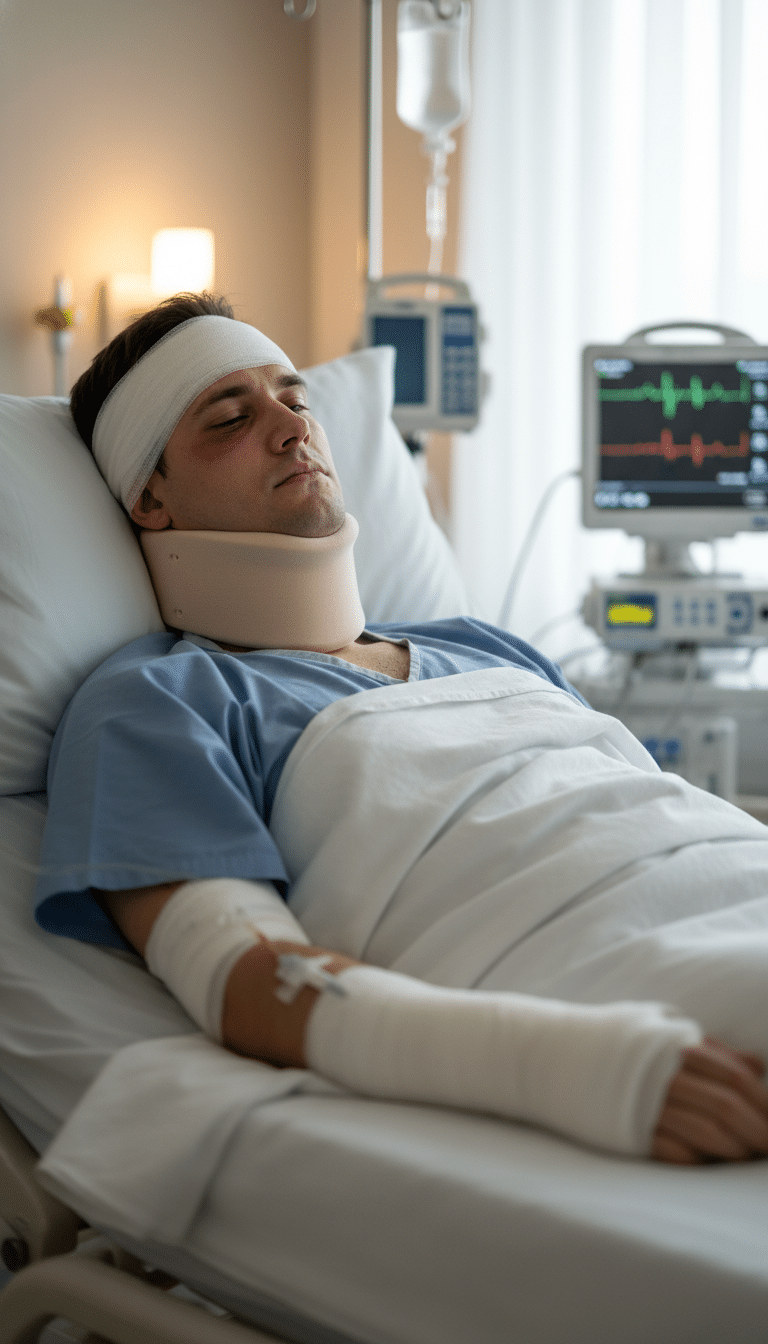
Pelvic Injury Legal Counsel in Cushing, OK | McKay Law
Understanding Pelvic Injury Claims
Pelvic injuries are among the most serious injuries in personal injury law. The pelvis protects vital organs and supports the body, so trauma can damage critical internal structures. Pelvic fractures can be fatal — especially when massive internal bleeding occurs. For survivors, pelvic injuries can result in permanent impairment, chronic pain, sexual dysfunction, and lifetime medical needs. McKay Law represents pelvic injury victims in Cushing and in surrounding communities.
Common Causes of Pelvic Injuries
- Vehicle crashes
- Severe crashes
- Premises liability incidents
- Falls from elevation
- On-the-job injuries
- Pedestrian and bicycle accidents
- Recreational injuries
- Defective products
- Construction site accidents
- Crush trauma
Categories of Pelvic Trauma
Pelvic fractures:
Stable pelvic fractures
Unstable ring fractures
Open book pelvic fractures
Vertical shear injuries
Lateral compression fractures
Acetabular damage
SI joint injuries — sacroiliac joint damage
Pubic symphysis trauma — damage to the cartilage in front of the pelvis
Tailbone fractures — coccyx fractures
Soft-tissue pelvic injuries — soft-tissue damage
Internal pelvic injuries:
Bladder rupture or trauma
Urethra damage
Bowel damage
Reproductive organ injuries
Vascular injuries
Symptoms of Pelvic Injuries
- Severe pelvic pain
- Weight-bearing problems
- Walking impairment
- Hip and groin pain
- Back pain
- Feeling of pelvic instability
- Bruising and swelling of pelvic area
- Radiating numbness
- Urinary problems
- Blood in urine
- Rectal bleeding
- Bowel symptoms
- Pelvic deformity
- Faintness
- Shock symptoms
Severity of Pelvic Injuries
- High mortality rate — mortality is significant
- Internal hemorrhage — pelvic blood vessels can bleed massively
- Pelvic organ damage — internal organs frequently affected
- Extended recovery — extended recovery typical
- Multiple surgeries often required — multiple surgeries common
- Permanent impairment common — many pelvic injuries cause lasting impairment
- Reproductive consequences — reproductive consequences common
- Ongoing medical needs — lifetime care often required
Medical Care for Pelvic Injuries
- Emergency stabilization
- Transfusions
- Imaging studies
- External fixation
- Open reduction with internal fixation
- Treatment for severe internal bleeding
- Vascular embolization
- Genitourinary repair
- Bowel surgery
- Hip replacement
- Months of post-surgical rehabilitation
- Pain management
- Mental health treatment
Sexual Dysfunction
Pelvic injuries can affect sexual and reproductive function:
- Erectile dysfunction
- Painful sex
- Loss of sexual function
- Fertility problems
- Sexual identity and self-image impacts
- Relationship damage
- Loss of consortium
Potential Defendants
- At-fault motorists
- Landowners
- Companies in workplace injury cases
- Product manufacturers
- Sports or recreational facility operators
- Doctors and hospitals
What You Must Prove
- Duty — The defendant owed a legal duty.
- Violation of That Duty — The defendant failed to meet that duty.
- That the Conduct Caused the Injury — The breach produced the harm.
- Damages — Economic and non-economic harm.
What Compensation Looks Like
- Past and future medical expenses
- Surgery and surgical follow-up costs
- Hospital and ICU costs
- Transfusion costs
- Hip replacement costs (in some cases)
- Rehab costs
- Lifetime care
- Lost wages and loss of earning power
- Non-economic damages
- The toll on daily life
- Loss of companionship
- Permanent impairment
- Sexual function damages
- Mental health treatment
- Lifetime medical needs
- Wrongful death compensation for surviving family
- Punitive damages where conduct was reckless
Filing Deadline
Oklahoma generally gives 2 years from the date of the incident to file (Okla. Stat. tit. 12, § 95).
What Working With Us Looks Like
We work with treating physicians, trauma surgeons, urologists, and other specialists to establish the lasting impact, account for future medical needs, capture sexual function damages, work with mental health professionals, calculate full case value, and prepare every case as if it will go to trial.
Common Questions
Q: My pelvic injury caused permanent damage — what’s my case worth?
A: Significant. Permanent pelvic injuries involve major damages including lifetime medical care, lost earning capacity, and pain and suffering.
Q: What does it cost to hire McKay Law?
A: Zero upfront. No fee unless we recover.
Q: My pelvic injury affected my sexual function — can I recover for that?
A: Definitely. Damages for sexual dysfunction are part of case value.
Q: My spouse’s pelvic injury affected our relationship — can I file a claim?
A: Absolutely. Loss of consortium covers loss of companionship and sexual relations.
Q: Will I be able to have children after my pelvic injury?
A: Varies by injury. Reproductive damage is recoverable.
Q: Will I need future surgeries?
A: Often, yes. Case valuation must include future surgical needs.
Q: Should I give the insurance company a recorded statement?
A: Don’t. Call us first.
Q: What is the deadline to file?
A: Two years from the date of the incident (Okla. Stat. tit. 12, § 95). Move quickly — prompt medical care strengthens claims.
Recovering Damages for Pelvic Trauma in Cushing, OK
Pelvic injuries are uniquely consequential. The pelvic region contains essential anatomy. It supports the entire upper body. Pelvic injuries affect far more than the bones. The pelvis houses organs whose damage can be fatal. Bowel, bladder, sexual, and reproductive function can be permanently affected. A Cushing pelvic injury attorney knows how to evaluate the full scope of pelvic injury harm.
Why Pelvic Injuries Are Distinctive
The Pelvis Houses Critical Organs
The pelvic ring protects the urinary bladder, the bowel, reproductive structures, major blood vessels, nerves.
Pelvic Bones Form a Ring
Pelvic anatomy is ring-like. The ring structure means injuries often involve multiple breakpoints.
Pelvic Fractures Carry High Mortality Risk
Pelvic fractures from high-energy trauma have substantial mortality risk. Bleeding from pelvic vessels results in shock and death.
Major Force Required for Severe Pelvic Injury
High-energy trauma is needed for severe pelvic injury. This means severe pelvic injury implies major trauma.
Long-Term Functional Consequences Are Common
Long-term impairment is typical.
Categories of Pelvic Injuries
Pelvic Ring Fractures
Pelvic ring damage are the most common pelvic injuries.
Stable Pelvic Fractures
Stable fractures. Treatment is typically conservative.
Unstable Pelvic Fractures
Unstable fractures. Surgical fixation required.
Open Book Fractures
“Open book” fractures involve disruption of the front of the pelvis. Pelvic opening fracture pattern. These fractures can cause severe internal injury.
Lateral Compression Fractures
Side-impact fractures typically result from side-impact (T-bone) crashes.
Vertical Shear Fractures
Vertical shear fractures are catastrophic. Caused by significant trauma.
Acetabular Fractures
Hip socket fractures impact hip function. These can be devastating.
Sacrum and Coccyx Fractures
Sacrum and tailbone fractures can occur with pelvic trauma.
Pubic Symphysis Disruption
Disruption of the cartilaginous joint at the front of the pelvis occurs in pelvic trauma.
Sacroiliac Joint Injuries
Disruption of the joints connecting the sacrum to the pelvis.
Concurrent Injuries
Pelvic injuries frequently include:
Bladder Injuries
Urinary bladder injuries frequently accompany pelvic fractures.
Urethral Injuries
Urethral damage often occurs. Permanent urinary consequences.
Bowel Injuries
Bowel perforation necessitate surgery.
Reproductive Organ Injuries
Damage to reproductive organs impact fertility and reproductive function.
Vascular Injuries
Pelvic vascular structures may be injured in pelvic trauma. Pelvic vascular damage is life-threatening.
Nerve Injuries
Pelvic nerves can be damaged, affecting motor and sensory function.
Spinal Injuries
Lumbar spine damage often accompany pelvic trauma.
Femur Fractures
Lower extremity fractures may accompany pelvic injuries.
Hip Injuries
Hip injuries can accompany pelvic trauma.
Common Causes of Pelvic Injuries
Motor Vehicle Accidents
Vehicle accidents are leading causes of pelvic injuries.
Lateral force is particularly damaging.
Falls From Height
Falls from height cause catastrophic pelvic trauma.
Pedestrian Crashes
Pedestrians struck by vehicles generate pelvic crashes.
Crush Injuries
Crush trauma produce devastating pelvic injuries.
Workplace Injuries
Job-related accidents can cause pelvic injuries.
Treatment for Pelvic Injuries
Initial Stabilization
Emergency stabilization.
This may include:
- Pelvic binding for stabilization
- Blood replacement
- Emergency surgical intervention
- Embolization to control bleeding
Surgical Fixation
Surgery is typically required for unstable fractures.
Surgical fixation may include:
- External pelvic stabilization
- Internal plates and screws
Surgical Repair of Concurrent Injuries
Urinary repair, Urethral reconstruction, Bowel repair surgery, Reproductive surgical repair, Blood vessel repair.
Rehabilitation
Rehabilitation is extensive.
Recovery typically takes many months.
Long-Term Care
Long-term care is common, particularly for systemic complications.
Damages in Pelvic Injury Cases
Pelvic injury damages can be substantial include:
Medical Costs
- Emergency and trauma center care
- Surgery costs
- Critical care
- Hospitalization
- Blood replacement
- Bleeding control procedures
- Pelvic fixation
- Concurrent injury repair
- Reconstructive surgery
- Long-term medical needs
- Long-term rehabilitation
Lost Wages and Earning Capacity
Pelvic injuries typically prevent work for extended periods.
Diminished earning capacity impacts many pelvic cases.
Pain and Suffering
Significant pain damages.
Loss of Enjoyment of Life
Significant loss of basic functions.
Mental Health Damages
Psychological consequences are common after pelvic injuries, particularly given the lifestyle and functional changes.
Reproductive and Sexual Function Damages
Pelvic injuries may damage:
- Fertility
- Sexual ability
- Future pregnancy problems
- Delivery complications
- Erectile dysfunction (in men)
These produce significant damages.
Loss of Consortium
Relationship effects matter enormously for pelvic injuries.
Wrongful Death
Pelvic injuries from severe trauma can be fatal, supporting wrongful death claims.
Punitive Damages
Where conduct was particularly harmful, enhanced damages may apply.
Special Considerations for Reproductive and Sexual Function Damages
Fertility Damages
Where pelvic injuries affect fertility generate major damages.
Sexual Function Damages
Sexual dysfunction are significant.
Pregnancy and Childbirth Complications
Where pelvic injuries cause complications for future pregnancy support specific damages.
Stigma and Privacy Concerns
These distinctive damages can carry stigma and privacy concerns. Sensitive presentation preserves dignity.
Common Insurance Defenses
“Pre-Existing Conditions”
Past medical history. The aggravation rule applies.
“The Injury Was Less Severe Than Reported”
Severity disputes.
“Functional Recovery Will Occur”
Recovery-based defenses. This defense fails with documented long-term consequences.
“Reproductive/Sexual Issues Are Pre-Existing”
Defense argues reproductive or sexual function issues predate the crash. This requires documentation of pre-accident function.
“Comparative Fault”
Defense pushes shared-fault arguments.
Critical Steps After a Pelvic Injury
Get Immediate Emergency Medical Attention
Pelvic injuries require emergency medical care.
Get Imaging Studies
Pelvic CT, X-rays, MRI for some indications.
Get Specialist Care
Pelvic injuries often require multiple specialists:
- Orthopedic specialists
- Trauma specialists
- Urologic specialists
- Gynecologists (for female patients)
- Colorectal specialists
- Reproductive endocrinology
Document Functional Impact
Record functional impact across All affected functions.
Document Sexual and Reproductive Function
Document these distinctive damages.
Get Mental Health Care
Mental health treatment is important because of the comprehensive life impact.
Track Long-Term Complications
Long-term issues need tracking.
Don’t Sign Releases Without Counsel
Pelvic injuries have substantial long-term consequences. The full damages picture takes time to develop.
Attorney Costs
Counsel handling these cases work on contingency. Expert costs run high advanced by the firm.
Move Quickly
Pelvic injury cases require prompt action.
Comprehensive medical documentation through the recovery process creates the strongest foundation.
Long-term consequences emerge over time.
The legal time limit applies regardless.
Connecting with a Cushing pelvic injury attorney quickly positions the case for the substantial recovery these injuries warrant.
McKay Law Is Your Cushing Advocate After A Pelvic Injury
The pelvis is the structural anchor of the body — and when it gives way, the consequences extend far beyond the bone itself. Pelvic fractures come out of high-impact car wrecks, motorcycle crashes, pedestrian strikes, falls from heights, and serious workplace accidents — and they typically bring damage to the bladder, urethra, reproductive organs, intestines, and the major blood vessels that course through the pelvic region. The acute treatment can include emergency surgery to stop internal bleeding, external fixation devices that extend through the skin, and weeks of hospitalization. The long-term consequences can include chronic pain, mobility limitations, sexual dysfunction, urinary and bowel complications, and difficulty with childbirth for women of reproductive age. At McKay Law, we manage pelvic injury cases by consulting orthopedic trauma surgeons, urologists, gynecologists, pain management specialists, and life-care planners who can verify the full extent of the damage and the lifetime of care it may require.
Insurance companies love to brush aside the long-term impact of pelvic injuries once the initial fractures appear to have healed, ignoring the chronic pain, the loss of physical capability, the emotional impact of permanent intimate complications, and the cost of follow-up procedures that often continue years into the future. When you partner with the McKay Law family, we refuse to let your case settle until the full picture of your recovery is in view. We fight for maximum compensation for emergency airlift and trauma care, orthopedic and reconstructive surgeries, surgical hardware, ICU and prolonged hospitalization, ongoing rehabilitation, future medical procedures, urological and gynecological treatment, fertility-related care, mobility aids and home modifications, prescription medications, lost income, lost earning capacity, the loss of intimacy, athletic, and recreational activities your injury has taken, and the profound pain and emotional toll a pelvic injury brings. Phone us today at (866) 679-9651 or get in touch online to book your free consultation and place a firm that recognizes what a pelvic injury really takes from you on your side.
Video Testimonials






