

“Labor Omnia Vincit” McKay Law
El Reno, OK Electrocution Accident Lawyer
Electrocution accidents range from minor shocks to fatal injuries in El Reno, OK. When someone is exposed to electrical current through negligence, the injuries are often severe and permanent. McKay Law advocates for electrocution accident victims throughout OK. Electrical shock harm external burns, internal injuries, brain damage, and life-altering disabilities. The dangers of electrocution because current passing through the body can cause hidden, severe damage well beyond the entry point—requiring specialized burn and trauma care. Common causes of electrocution accidents include negligent maintenance, code violations, and failure to provide proper safety equipment. Many electrocution injuries occur on the job—with electrical contact ranking as a leading cause of workplace fatalities. Potential defendants include individuals, businesses, utility providers, and product makers. Job-related electrocutions frequently allow recovery beyond workers’ comp—we pursue every avenue for compensation. Our El Reno electric shock injury attorneys move fast to preserve evidence—the equipment involved, electrical inspection records, OSHA reports, safety violation histories, maintenance logs, product information, manufacturer documentation, witness statements, and code compliance records. We work with electrical engineers, fire investigators, code compliance experts, and medical specialists to demonstrate exactly what went wrong. Common harm in these accidents catastrophic injuries requiring decades of medical treatment. We fight for every dollar including hospital costs, reconstructive surgery, ongoing therapy, lost income, suffering, and survivor damages. All electrical injury claims is handled on a no-win, no-fee basis—you pay nothing unless we win. Reach out to McKay Law right away for a free consultation with a El Reno, OK electrocution accident lawyer who will hold every responsible party accountable.
Settlements Won
0
+
Million Dollars Won
0
+
Google 5 Star Reviews
0
+
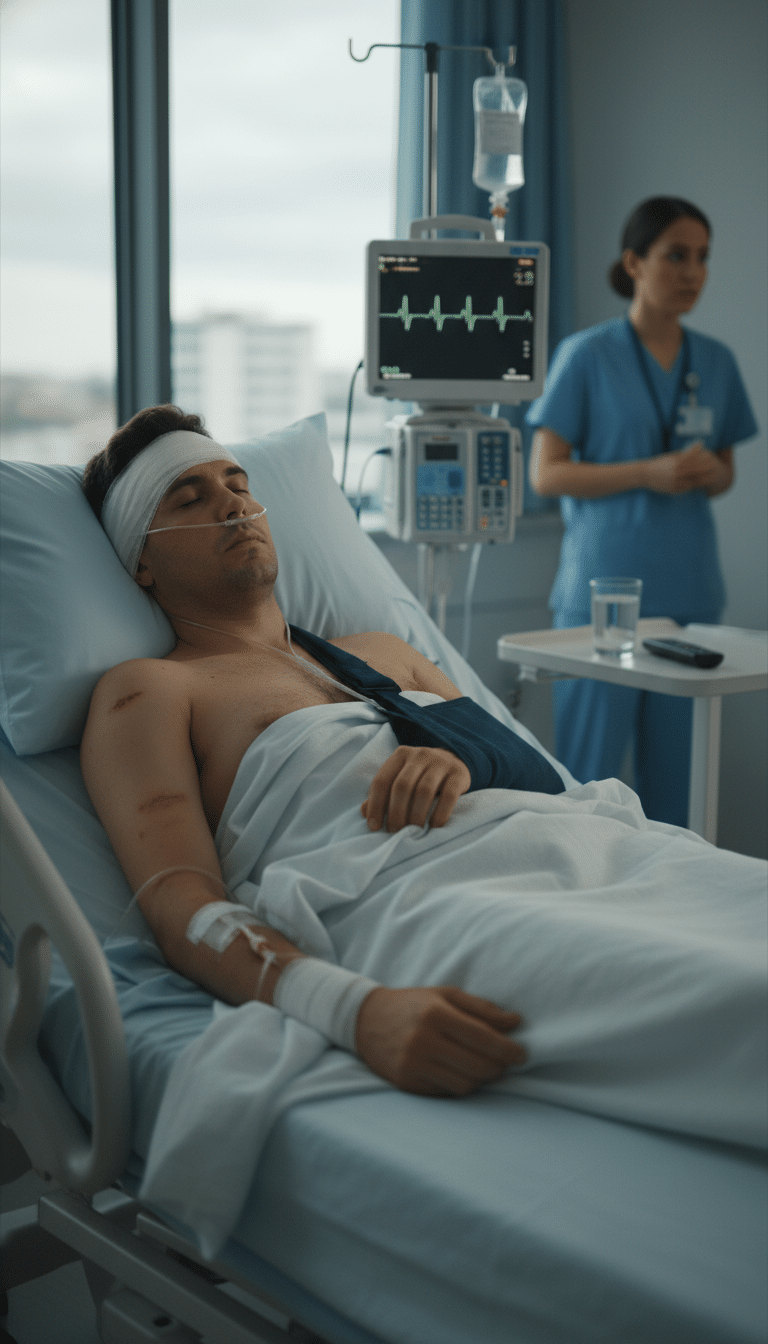
Electrocution Accident Lawyer in El Reno, OK | McKay Law
The Basics of Electrocution Cases
Electrical injuries are among the most severe injuries in personal injury law. Electrical current passing through the body can stop the heart, burn tissue from the inside out, cause organ damage, and kill instantly. Survivors often face permanent injuries including severe burns, neurological damage, and emotional trauma. The state’s industrial activity and infrastructure create significant electrocution risks. McKay Law advocates for electrocution accident victims in El Reno and in surrounding communities.
How Electrocution Happens
- Power line contact
- Downed line contact
- Equipment defects
- Faulty wiring
- Grounding failures
- Pools, hot tubs, or wet locations with electrical defects
- Contact with underground utilities
- GFCI failures
- Construction site hazards
- On-the-job electrical incidents
- Appliance defects
- Lightning incidents involving negligence
- Stray voltage
Where Electrocution Happens
- Building sites
- Oil and gas operations
- Industrial and manufacturing facilities
- Power lines and electrical infrastructure
- Pool facilities
- Homes and apartments
- Commercial properties
- Public spaces with electrical equipment
- Carnivals
- Restaurants and commercial kitchens
- Farm operations
Typical Electrocution Injuries
- Cardiac arrest
- Long-term heart rhythm problems
- Electrical burns
- Burns below the skin
- Damage to internal organs
- Brain and nerve damage
- Traumatic brain injuries
- Spinal cord injuries
- Loss of limbs
- Muscle and tendon damage
- Kidney damage and failure
- Vision and hearing loss
- Cataracts
- Fall-related injuries after shock
- PTSD and anxiety
- Long-term pain
- Death from electrocution
The Unique Severity of Electrocution
- The visible burns understate the actual damage
- Electricity follows internal pathways
- Delayed onset of some injuries
- Many electrocutions are fatal
- Long-term cardiac problems
- Permanent neurological effects
- Multiple injuries common
Potential Defendants
- Property owners
- Landlords
- Power companies
- General and specialty contractors
- Electrician contractors
- Manufacturers of defective electrical products
- Appliance makers
- Employers
- Maintenance providers
- Government entities responsible for public electrical infrastructure
- Building inspectors
Workers’ Compensation vs. Third-Party Claims
If you were electrocuted at work:
- Comp benefits typically apply
- Direct employer suits are normally barred
- But third-party claims against other parties may be available
Potential third-party defendants include:
- Property owners other than your employer
- GCs on multi-employer worksites
- Equipment manufacturers
- Different contractors at the same site
- Power companies
What You Must Prove
- Duty — There was a duty of safety.
- Breach — The defendant failed to meet that duty.
- A Direct Link — The wrongful conduct led to the injury.
- Quantifiable Losses — The full financial and personal toll.
Key Evidence in These Claims
- Scene and equipment photos
- The electrical equipment involved
- Records of inspections
- Maintenance history
- Code compliance documentation
- Product records
- Recall records
- Prior incidents and complaints
- Workplace safety records
- Expert engineering and electrical analysis
- Medical records
- Autopsy reports
- Eyewitness accounts
- Utility company records
What Compensation Looks Like
- Healthcare costs
- Ongoing rehabilitation expenses
- Burn unit and surgery costs
- Cardiac monitoring and treatment
- Brain and nerve treatment
- Lost wages and diminished earning ability
- Physical and emotional suffering
- Loss of enjoyment of life
- Permanent impairment and disfigurement
- Loss of companionship
- Wrongful death compensation when electrocution is fatal
- Exemplary damages where defendants knew of hazards or violated safety standards
Filing Deadline
Oklahoma generally gives two years from the date of the incident to file (Okla. Stat. tit. 12, § 95). Workers’ compensation claims have different deadlines. Electrocution cases demand fast action because the equipment must be preserved before it’s repaired or destroyed.
Our Process
We get to work immediately to lock down the equipment before it’s altered, bring in qualified engineering experts, identify all potentially liable parties, secure all relevant documentation, work with treating doctors, handle workers’ compensation and third-party claims together, and prepare every case as if it will go to trial.
Frequently Asked Questions
Q: Who is liable when someone is electrocuted at work?
A: Workers’ comp for the employer, plus possible third-party claims against others.
Q: What does it cost to hire McKay Law?
A: Zero upfront. We only get paid if we win.
Q: My family member died from electrocution — what can we do?
A: Wrongful death cases are available for fatal electrocution. Family members can recover under Oklahoma wrongful death law.
Q: I was electrocuted by a defective product — can I sue?
A: Yes. Product liability claims apply to defective electrical equipment, appliances, and tools.
Q: Should I preserve the equipment that caused the electrocution?
A: Yes — urgently. Don’t let anyone repair, alter, or dispose of it before we inspect.
Q: Should I give the insurance company a recorded statement?
A: Don’t. Talk to a lawyer first.
Q: Can I sue the utility company?
A: Possibly, depending on the facts. Utilities can be liable for power line incidents, equipment failures, or negligent maintenance.
Q: What is the deadline to file?
A: 2 years from the date of the incident (Okla. Stat. tit. 12, § 95). Comp claims follow separate timelines.
Electrocution Accident Claims in El Reno, OK
Electrocution injuries don’t behave like other injuries. External burns rarely reflect the true scope of harm. Electrical current damages organs and tissues throughout the body’s interior. A local attorney experienced with electrical injury claims understands the medical reality of electrical injuries.
Terminology Matters: Electrocution vs. Electrical Shock
Electrocution and electrical shock aren’t quite the same thing. Electrocution technically refers to death caused by electrical current. Non-fatal electrical injuries refers to non-fatal electrical injuries.
In common legal usage, the term covers all electrical injuries.
Why Electrical Injuries Are So Distinctive
Internal Damage Beyond Visible Burns
Current passes through the body’s conducting paths. The entry and exit points may show seemingly minor injuries while internal organs and tissues are seriously damaged.
Electricity travels through nerves, blood vessels, and other conductive tissues. This means damage can occur far from any external entry point.
Delayed Symptom Onset
Many electrical injury complications don’t appear immediately. Various time-delayed effects develop on different timelines.
This delayed-onset pattern necessitates ongoing medical assessment.
High Mortality and Disability Rates
Survival doesn’t mean recovery — long-term effects are common.
Common Injuries From Electrical Accidents
Cardiac Effects
Current affecting the heart causes life-threatening cardiac events. Non-fatal heart effects may result in long-term cardiac issues.
Neurological Damage
The nervous system is heavily affected by electrical injury. Effects can include chronic pain syndromes.
Burns
Visible burns are the visible damage. Heat damage to internal tissues create extensive internal injury.
Rhabdomyolysis and Kidney Failure
Current-induced muscle damage releases myoglobin into the bloodstream. Rhabdomyolysis can lead to renal failure.
Compartment Syndrome
Internal tissue damage and edema sometimes leads to fasciotomy or amputation.
Fractures and Soft Tissue Injuries
Convulsive muscle response can cause injuries from the contraction itself.
Eye Damage
Eye injuries are recognized long-term complications.
Psychological Trauma
Mental health consequences are common after serious electrical injuries.
Common Scenarios That Lead to Electrocution Cases
Workplace Electrical Injuries
Electrical work produce many electrical accident cases. These cases involve:
- Power line contact during tree trimming
- Defective wiring
- Energy isolation failures
- Equipment failures
- Grounding failures
Construction Site Power Line Contact
Construction equipment contacting overhead power lines is a particularly devastating crash pattern.
Residential Electrical Accidents
Residential electrical issues can produce significant harm. Common scenarios include inadequate grounding.
Swimming Pool Electrocution
Improperly wired pool equipment can electrocute swimmers.
Utility Worker Injuries
Power industry workers face significant electrical injury exposure.
Defective Products
Faulty appliances can cause electrical injuries.
Public Utility Infrastructure
Damaged transformers produce catastrophic incidents.
Who Can Be Held Liable?
Property Owners
Property-based electrical incidents implicate the property owner.
Employers
Employment-related electrical injuries, the workers’ compensation system is the primary path. Non-employer claims can supplement workers’ compensation recovery.
Electricians and Electrical Contractors
Electrical service providers may bear responsibility.
Equipment Manufacturers
Equipment makers face product liability claims.
Utility Companies
Power companies may face liability for failure to de-energize lines for known dangers.
Construction Contractors
Construction companies can face liability for electrical safety failures at construction sites.
Engineers and Designers
System designers can face liability for defective design.
Government Entities
Public utility incidents require government tort claim procedures.
Distinct Legal Frameworks
Workers’ Compensation
Employment-related incidents, workers’ comp is typically the primary source. Workers’ comp benefits typically cover disability benefits.
Workers’ compensation typically bars claims against the employer but doesn’t bar claims against third parties. Third-party claims often substantially exceed workers’ compensation recovery.
OSHA Violations
Job-site electrical accidents, Occupational Safety and Health Administration violations provide direct evidence of negligence.
NESC and NEC
The National Electrical Safety Code (NESC) and National Electrical Code (NEC) provide the standard of care. Code non-compliance can support negligence claims.
Product Liability
Product liability electrical claims, strict liability and product liability theories can apply.
Common Insurance Defenses
“The Plaintiff Caused Their Own Injury”
“You did it to yourself”. In professional electrical contexts, assumption of risk arguments arise.
“The Injury Was Foreseeable Risk of the Activity”
Foreseeable hazard claims can arise.
“Inadequate Safety Equipment Wasn’t Our Responsibility”
Defense pushes responsibility to other parties.
“The Injury Isn’t As Severe As Claimed”
Damages disputes. Electrical injuries are particularly susceptible to underestimation.
Critical Evidence in Electrocution Cases
Immediate Medical Documentation
Complete medical evaluation immediately after the incident is essential. Initial cardiac monitoring, baseline neurological assessment, and creatinine kinase (CK) levels support the injury claim.
Long-Term Medical Monitoring
Tracking late-developing complications is essential to establishing the full scope of injury.
Expert Medical Testimony
Medical experts in electrical injury can establish the connection between the electrical exposure and subsequent symptoms.
Electrical and Engineering Experts
Forensic electrical experts can establish how the electrical contact occurred.
Scene Investigation
Photos and documentation of the electrical contact. Physical evidence of the electrical system requires immediate preservation.
Equipment Preservation
The physical evidence becomes critical evidence.
Worker Training Records
Where workplace electrical injury is involved, Worker training are critical.
Critical Steps After an Electrical Injury
Get Immediate Medical Attention
Even for apparently minor electrical injuries, immediate medical evaluation is essential. Some complications develop over time.
Don’t Let Anyone Repair the Equipment
The electrical equipment, wiring, or other components must be preserved. Repair, replacement, or destruction can destroy the case.
Photograph the Scene
Comprehensive scene documentation.
Identify Witnesses
Independent observers.
Document All Symptoms
Including symptoms that develop later whenever new symptoms develop.
File OSHA Complaints if Applicable
Where workplace safety issues exist, Occupational Safety and Health Administration complaints may be required.
Contact an Attorney Quickly
For the various legal proceedings these cases may involve.
Damages Available
Recoverable losses include include:
- Comprehensive medical care
- Long-term medical monitoring
- Lost wages
- Diminished earning capacity
- Pain and suffering
- Long-term cosmetic damages
- Psychological care
- Compensation for fatal incidents
- Enhanced damages where safety violations were severe
Attorney Costs
Electrocution attorneys work on contingency. Specialty expertise costs reimbursed from the recovery.
Move Quickly
Multiple time pressures apply. Physical evidence vanishes quickly. Medical documentation of delayed complications happens over the months after the incident. Filing deadlines continues running. Engaging counsel right away preserves every angle of the case.
McKay Law Is Your El Reno Advocate After A Electrocution Accident
Electricity is silent until the moment it isn’t — and by then, the damage is frequently catastrophic. Electrocution can strike on a construction site when a crane swings into a power line, in a home when faulty wiring sends current through an appliance, at a workplace where electrical equipment was never properly grounded, in an apartment complex with code violations that landlords ignored for years, or on the job for utility workers, electricians, and laborers whose employers failed to implement lockout-tagout procedures. The injuries that follow are unlike any others: deep internal burns that tunnel through tissue while leaving the skin appearing relatively unharmed, cardiac arrhythmias, neurological damage, vision and hearing loss, broken bones from being thrown by the shock, and long-term complications that appear weeks or months later. At McKay Law, we take on electrocution cases by partnering with electrical engineers, OSHA experts, burn specialists, and accident reconstructionists who can isolate the exact failure — a missing ground, a defective product, a code violation, a contractor’s shortcut — and tie it directly to the parties responsible.
These cases commonly involve multiple defendants: property owners, general contractors and subcontractors, utility companies, equipment manufacturers, electricians, and any business or landlord whose negligence created the hazard. When you join the McKay Law family, we uncover every angle of liability and move quickly to secure inspection reports, OSHA filings, permit records, equipment service histories, and the scene itself before repairs erase the evidence. We fight for full compensation for emergency response and burn unit care, surgeries and skin grafts, cardiac and neurological treatment, ongoing rehabilitation, future medical needs, mobility aids and home modifications, lost wages, reduced future income, the lasting damage that often follows electrical burns, the profound pain and emotional trauma of surviving an injury like this — and in the most tragic cases, the wrongful death of a loved one. Reach us right away at (866) 679-9651 or get in touch online to arrange your free consultation and get a firm that knows how to take on negligent owners, contractors, and manufacturers fighting for you.
Video Testimonials






