

“Labor Omnia Vincit” McKay Law
Enid, OK Hit-and-Run Accident Lawyer
Hit-and-run accidents leave victims feeling abandoned and uncertain about their options in Enid, OK. When a driver flees the scene after causing a crash, victims face a unique set of challenges. McKay Law advocates for hit-and-run accident victims throughout OK. Hit-and-run is a serious crime under Oklahoma law—but criminal prosecution doesn’t pay your medical bills. Even if police can’t track down the hit-and-run driver, several insurance sources may apply. The main avenue for compensation when the driver flees is your own uninsured motorist (UM) coverage—which Oklahoma law requires insurers to offer with every policy. Uninsured motorist coverage is often overlooked—but it allows you to pursue your claim through your own insurance company. We pursue every available source your own auto coverage, health insurance, and other available policies. If law enforcement or our investigation finds the at-fault motorist, we pursue claims directly against them and their insurance. Hit-and-run drivers often have specific reasons for fleeing they fear the consequences of staying—which makes finding them difficult but also makes them more likely to face significant criminal consequences. Our Enid hit-and-run lawyers move quickly to identify the at-fault driver. We work with police, accident reconstructionists, and private investigators to gather surveillance footage, witness statements, debris evidence, and any vehicle parts left at the scene. We secure key evidence including surveillance and traffic camera footage, dashcam video from other vehicles, witness statements and license plate sightings, debris and vehicle parts from the scene, paint transfer evidence, and police investigation reports. We fight your own insurance company when necessary—because insurance companies treat UM claims like third-party claims, looking for any reason to deny or undervalue. Don’t think your insurer is automatically on your side—they often dispute the value of your claim despite collecting your premiums. Injuries from hit-and-run accidents traumatic brain injuries, spinal damage, broken bones, internal injuries, lacerations, psychological trauma, and wrongful death. We pursue full compensation including hospital costs, ongoing treatment, missed income, suffering, and survivor damages. Every client we represent is handled on a no-win, no-fee basis—you pay nothing unless we win. Don’t wait—surveillance footage gets erased and witnesses lose memories—the longer you wait, the harder it becomes to identify the driver and preserve key proof. Call McKay Law now for a complimentary evaluation with a Enid, OK car accident attorney who will fight to identify the at-fault driver, pursue every available source of compensation, and hold your insurance company accountable to its UM obligations.
Settlements Won
0
+
Million Dollars Won
0
+
Google 5 Star Reviews
0
+
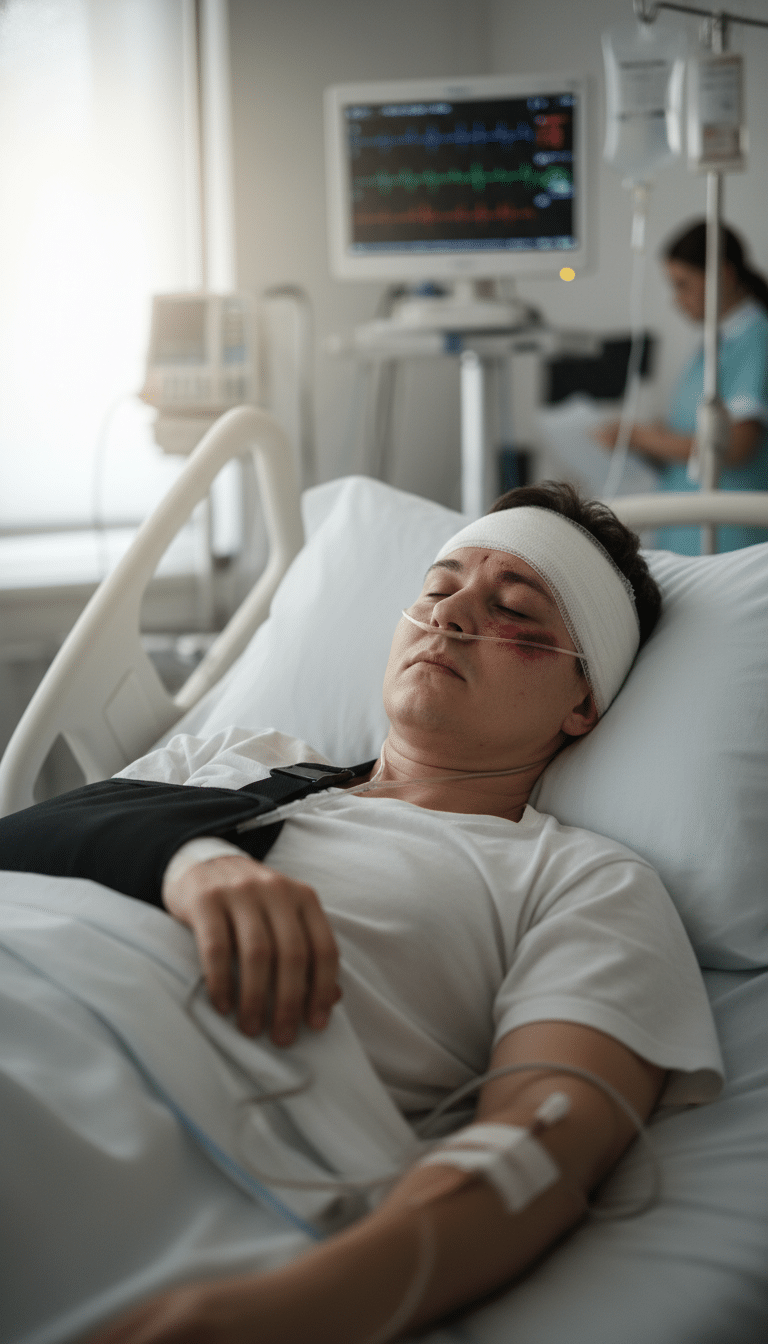
Hit-and-Run Wreck Attorney in Enid, OK | McKay Law
Understanding Hit-and-Run Accident Claims
Hit-and-run accidents are a particularly cruel form of crash. A motorist hits someone, then runs without stopping to help or exchange information — leaving victims hurt and without information. Hit-and-runs are illegal in every state, but they occur thousands of times annually. Even when you can’t find the driver, Oklahoma victims still have legal options for recovery. Our firm fights for hit-and-run victims in Enid and throughout Oklahoma.
Why Drivers Flee
- Alcohol or drug impairment
- Lack of auto insurance
- No driver’s license
- Driving on a suspended license
- Open arrest warrants
- Concerns about immigration enforcement
- Operating a stolen vehicle
- Hiding distraction
- Driver panic
- Trying to avoid charges for reckless driving
- Outstanding probation issues
Steps to Take
If you’ve been the victim of a hit-and-run:
- Contact 911 — report the crash and request medical help
- Get medical attention — medical documentation is essential
- Document everything you remember about the fleeing vehicle — all identifying details
- Document with photos — comprehensive scene documentation
- Identify witnesses — they may have seen the fleeing vehicle
- Look for security cameras — look for surveillance that might have caught it
- Avoid pursuit — never chase
- Report to your insurance company — hit-and-run cases often involve your own UM coverage
- Contact a personal injury attorney — to handle the case
Recovery Sources
Even with an unknown driver, multiple options exist:
- Uninsured Motorist (UM) Coverage — your UM coverage typically applies
- UIM policy — when the driver is found but has too little insurance
- MedPay — pays medical regardless of fault
- PIP Coverage — first-party coverage
- Healthcare coverage — covers your medical costs
- If found — once identified, regular claims can proceed
- State victim funds — state victim compensation programs
UM Coverage in Oklahoma
Oklahoma law requires insurers to offer UM coverage (Okla. Stat. tit. 36, § 3636), though it can be rejected in writing. Your UM policy provides for:
- Medical expenses
- Lost income
- Emotional damages
- Vehicle damage in some cases
- Wrongful death damages
UM coverage is the key in hit-and-run cases. Most policyholders don’t know how UM works.
Tracking Down Hit-and-Run Drivers
Sometimes the driver can be found. Investigative methods include:
- Police investigation
- Witness statements
- All available video
- Home cameras
- Vehicle debris from the crash scene
- Paint left on your vehicle
- Repair shop notifications
- Online sources
- Tips and rewards
- Plate databases
What These Crashes Do to Victims
- Soft-tissue neck damage
- Back and spinal cord injuries
- Brain injuries
- Broken bones
- Internal bleeding
- Cuts
- Vulnerable road user injuries
- Psychological injuries
- Death from catastrophic crashes
Cyclist Hit-and-Runs
Pedestrians and cyclists are common hit-and-run victims. With no protection, their injuries are typically severe. These cases have unique considerations:
- Often qualify for UM coverage on the victim’s auto policy
- Higher fatality risk
- Often involve serious injuries
- Criminal prosecution typical
- Eyewitnesses often available
Criminal Charges and Civil Recovery
Oklahoma criminalizes leaving the scene (Okla. Stat. tit. 47, § 10-102). Once the driver is caught:
- Criminal prosecution — prosecution for criminal acts
- Civil lawsuit — victim sues for compensation
Convictions strengthen civil claims.
Elements of Your Claim
- A Duty of Care — All drivers must stay at the scene.
- Violation of That Duty — Negligence plus leaving the scene.
- That the Conduct Caused the Crash — The unsafe driving led to the impact.
- Concrete Harm — Economic and non-economic harm.
Damages Available
- Healthcare costs
- Lifetime care costs
- Lost wages and diminished earning ability
- Vehicle and property loss
- Non-economic damages
- Loss of enjoyment of life
- Loss of companionship
- Survivor damages for surviving family
- Punitive damages when identified
Why Hit-and-Run Often Supports Punitive Damages
Once identified, punitive damages are often available. Leaving the scene shows reckless disregard for the victim.
Oklahoma’s Statute of Limitations
The deadline in Oklahoma is 2 years from the date of the crash to file (Okla. Stat. tit. 12, § 95). Fatal crash claims are likewise subject to 2-year deadline. UM claims may have different deadlines. Time matters in these cases because the trail goes cold without prompt investigation.
How McKay Law Approaches Hit-and-Run Cases
We act fast to track down the fleeing driver, pursue your insurance coverage, fight insurance denials, coordinate with treating providers, pursue direct claims when possible, seek punitive damages when warranted, and build each file for the courtroom.
Frequently Asked Questions
Q: A driver hit me and ran — can I still recover?
A: Absolutely. UM coverage on your policy usually covers hit-and-run injuries.
Q: What does it cost to hire McKay Law?
A: Nothing. No recovery, no fee.
Q: How do I know if I have UM coverage?
A: Look at your insurance declaration page. Most policies include UM coverage.
Q: My insurance company doesn’t want to pay my UM claim — what do I do?
A: Call us. We push back hard against UM denials.
Q: Can I sue my own insurance company if they deny my UM claim?
A: Yes. Bad-faith claims against insurance companies are recognized in Oklahoma.
Q: What if police identify the driver later?
A: Excellent — direct claims open additional recovery sources.
Q: Should I give the insurance company a recorded statement?
A: No. Refer them to your attorney — even your own insurance.
Q: A pedestrian was hit and killed by a hit-and-run driver — what can the family do?
A: File a wrongful death claim. UM coverage often applies to pedestrian and cyclist incidents.
Q: What is the deadline to file?
A: Two years from the date of the crash (Okla. Stat. tit. 12, § 95). Don’t wait — different deadlines may apply.
Hit-and-Run Accident Claims in Enid, OK
Hit-and-run accidents create a problem most personal injury cases don’t have to solve. This is the defining problem of hit-and-run cases. The standard route to compensation is closed off. But that doesn’t mean recovery isn’t possible. An attorney familiar with these distinctive claims navigates the recovery options that don’t depend on identifying the fleeing driver.
Why Hit-and-Run Cases Operate Differently
The Defendant Is Missing
Typical injury claims target the at-fault driver. The fleeing driver isn’t available for the case.
Identification doesn’t always solve the problem, they may not have insurance, may be judgment-proof, or may be difficult to pursue.
Uninsured Motorist Coverage Becomes Central
UM/UIM coverage on your own policy is the key path.
UM coverage was created to handle hit-and-runs.
Most jurisdictions mandate UM coverage. The specifics vary by state and policy, but generally UM coverage applies when:
- At-fault driver has no insurance
- Hit-and-run scenarios
- The at-fault driver has insufficient coverage (which is technically UIM)
Different States Have Different UM Rules
Different states handle UM differently.
The state has specific UM coverage rules affects every hit-and-run case.
Physical Contact Requirements
Contact requirements vary.
This issue arises in non-contact scenarios where a non-contact incident triggers the crash.
Types of Hit-and-Run Scenarios
Pedestrian Hit-and-Run
Pedestrians struck by hit-and-run drivers are particularly devastating.
Pedestrian hit-and-run coverage since the pedestrian may lack their own auto insurance.
Cyclist Hit-and-Run
Cyclists struck by hit-and-run drivers face similar coverage issues.
Parked Vehicle Hit-and-Run
Hit-and-run damage to parked vehicles are typically less catastrophic but still involve property damage and possibly occupant injury.
Driver vs. Driver Hit-and-Run
The most common scenario involves two drivers, one of whom flees.
Multi-Vehicle Hit-and-Run
One driver’s actions cause a chain reaction crash then leaves the scene.
Phantom Vehicle Crashes
Another driver causes a crash without physical contact.
Drunk Driver Hit-and-Run
Impaired drivers leaving crash scenes are recurring patterns.
Who Can Be Held Liable Despite the Hit-and-Run
Your Own Insurance Company (UM/UIM)
UM coverage from your policy is the primary path to recovery.
UM claims are technically against your own insurer, but proceed as adversarial claims.
Your insurer may dispute:
- Whether the incident was actually a hit-and-run
- Your compliance with UM coverage requirements
- Damages valuation
- Whether your facts trigger UM coverage
Liability of Third Parties
Other parties may bear liability even if the at-fault driver fled.
Vehicle and Component Manufacturers
Product defect cases create product liability claims.
Government Entities
For crashes involving roadway design defects, inadequate traffic control, or other government-related contributing factors create government liability.
Maintenance Companies
Maintenance-related causes may create separate liability.
Property Owners
Premises liability contributions can implicate property owners.
Bar or Restaurant (Dram Shop)
Commercial alcohol service can create recovery from a commercial alcohol seller.
Employer
Where the fleeing driver was acting in the scope of employment can create employer liability despite the driver’s flight.
When the Hit-and-Run Driver Is Identified
Many hit-and-run drivers are eventually identified. After identification, normal recovery becomes possible.
How Hit-and-Run Drivers Get Identified
Cases often progress before identification. Identification typically results from:
Police Investigation
Law enforcement investigation drives most identifications. Hit-and-run is typically criminal conduct, generating active investigation.
Witness Information
Witness identifications can be the key to identification. Witness-provided identification details.
Surveillance Footage
Traffic cameras, business surveillance, doorbell cameras can document the fleeing vehicle.
Vehicle Damage Evidence
The fleeing vehicle likely sustained visible damage. Distinctive damage patterns.
Auto Body Shops
Repair shops can be sources of identification. Shops alerted to look for matching damage.
Anonymous Tips
Anonymous information.
Driver’s Confession
Driver self-identification may occur eventually.
Critical Steps After a Hit-and-Run Crash
Stay at the Scene
Remain at the location. Even though the other driver fled, stay to comply with legal requirements.
Call the Police Immediately
Police involvement is mandatory. This is critical both for case-building and for UM coverage requirements.
Document Everything You Can
Record everything you can about the other vehicle:
- Plate details
- Make, model, color of the vehicle
- Driver description if you saw the driver
- Fleeing direction
- Time and location of the incident
Identify Witnesses
Bystanders, other drivers, anyone who saw the crash or the fleeing vehicle provide essential evidence.
Photograph the Scene
Visual evidence of every relevant detail.
Don’t Pursue the Fleeing Driver
Don’t try to pursue. This creates additional risk.
Get Medical Attention Immediately
Prompt medical evaluation is essential.
Report to Your Insurance Company
Notify your insurer immediately. UM coverage typically requires prompt notice.
Don’t Provide Recorded Statements Without Counsel
Even though your own insurance company is paying, UM coverage involves adversarial claims. Recorded statements before legal advice hurt your position.
Common Insurance Defenses
Hit-and-run cases face specific defenses.
“It Wasn’t Actually a Hit-and-Run”
UM applicability challenges. Disputes about qualification include:
- The other driver wasn’t really at fault
- You caused the crash, not the missing driver
- “There was no other vehicle”
“Physical Contact Requirements Weren’t Met”
Where states require physical contact may bar recovery.
“You Didn’t Provide Timely Notice”
Notice-defect defenses.
“Insufficient Identification”
“You can’t prove there was a hit-and-run”.
“Comparative Fault”
Defense pushes shared-fault arguments.
“Pre-Existing Conditions”
Pre-existing condition defenses.
UM Damages
UM coverage damages typically include:
- Comprehensive medical care
- Lost wages
- Reduced ability to work
- Loss of enjoyment of life
- Compensation for fatal crashes
Policy limits are the ceiling. For damages above UM coverage, other recovery paths matter.
Underinsured Motorist Coverage
Once identification occurs, their insurance limits may be inadequate.
UIM benefits covers this scenario.
UIM coverage applies when the other driver’s coverage is inadequate.
Special Considerations for Pedestrian and Cyclist Cases
Non-motorist victims have specific issues.
Coverage paths for pedestrians and cyclists include:
- UM coverage on a household member’s policy (in many jurisdictions, UM on resident relative’s policy applies)
- Health insurance
- Disability benefits
- Workers’ compensation if struck while working
Punitive Damages in Hit-and-Run
Flight from a crash scene supports punitive damages claims in some scenarios.
Once the hit-and-run driver is identified and pursued directly, exemplary damages may be recoverable.
Criminal Proceedings
Hit-and-run is criminal conduct. Criminal proceedings can substantially support the civil case when the driver is identified.
Attorney Costs
Counsel handling these cases earn fees only on recovery. Case reviews cost nothing.
Move Quickly
These cases depend on evidence that disappears fast.
Camera evidence have limited retention. Independent observations deteriorate over time.
Police investigations require investigation time, but investigation efforts need to start immediately.
Insurance notice requirements require prompt action.
OK’s statute of limitations applies.
Engaging counsel right away positions the case for the full recovery available through UM coverage and other alternative paths.
McKay Law Is Your Enid Advocate After A Hit-and-Run Accident
A hit-and-run wreck adds insult to injury in the most literal sense of the phrase. One moment you’re dealing with the chaos of a collision, and the next you’re watching taillights vanish as the driver who caused it speeds away — leaving you broken on the roadside, with damaged property, no contact information, and questions no one has answered. Drivers flee crashes for various reasons — they’re uninsured, they’re driving without a license, they’re under the influence, they have outstanding warrants, or they simply panic — but none of those reasons change what you’re owed. At McKay Law, we waste no time to secure traffic camera footage, nearby business surveillance video, license plate reader data, witness statements, and any debris or paint transfer from the scene that can help locate the fleeing driver. If the at-fault driver is never found, we turn to your own uninsured and underinsured motorist coverage — a benefit you already have but most people don’t realize they can use in exactly this kind of situation.
Insurance carriers — including your own — will often drag their feet on uninsured motorist claims, demanding proof, questioning the circumstances, and banking on you’ll accept a fraction of what you’re owed. When you become part of the McKay Law family, we handle the carrier so you can prioritize recovery. We chase full compensation under every available source — the fleeing driver if identified, your uninsured/underinsured motorist coverage, MedPay or PIP benefits, and any third party whose negligence may have contributed to the wreck. We advocate for emergency care, surgeries, hospitalization, ongoing rehabilitation, future medical needs, prescription costs, vehicle damage, lost wages, lost earning capacity, and the physical and emotional toll of being abandoned at the scene of a crash that was never your fault. Call us now at (866) 679-9651 or get in touch online to set up your free consultation and get a firm that has mastered how to find every available source of recovery on your side.
Video Testimonials






