

“Labor Omnia Vincit” McKay Law
Holdenville, OK Delivery Drone Accident Lawyer
What once seemed like science fiction is now buzzing through neighborhood airspace daily — flying routes that pass over homes, schools, parks, and busy roadways — and even with operators promising tight controls, drones do fall, malfunction, and collide, leaving people in Holdenville, OK dealing with an injury type the legal system is still catching up to, which is exactly where McKay Law provides the kind of forward-thinking representation these cases require. These aren’t futuristic concerns — the harm is immediate and physical — head trauma from impact at altitude. What makes these cases legally complex is the web of potentially responsible parties — the operator flying the drone, the company that deployed it, the manufacturer that built it, the software developer behind its navigation system, the maintenance provider, and even the retailer who contracted the delivery. Drone incidents require knowledge of evolving regulations most attorneys haven’t encountered. McKay Law approaches drone cases with the depth they demand, preserving the evidence that reveals exactly what went wrong and who is accountable. Whether the incident involved a drone striking a pedestrian, cyclist, or motorist, a drone falling onto a vehicle, home, or business, a battery fire or in-flight explosion, GPS error that sent the drone off course, a delivery item that struck a person or vehicle, an operator who flew negligently or violated flight restrictions, or a manufacturing defect that turned the machine dangerous, McKay Law holds operators, manufacturers, and the companies behind them accountable. Clients are treated like people, not test cases — the team listens carefully — while fighting hard for every layer of medical recovery past and future, the financial fallout of being unable to earn, property damage and replacement costs, and the trauma of being struck by something that fell from the sky that lingers in flinches at the sound of buzzing rotors, so if a delivery aircraft has crashed into you, your family, or your property in Holdenville, reach out to attorneys who understand both aviation and injury law — because at McKay Law, every company answers for what its machines do.
Settlements Won
0
+
Million Dollars Won
0
+
Google 5 Star Reviews
0
+
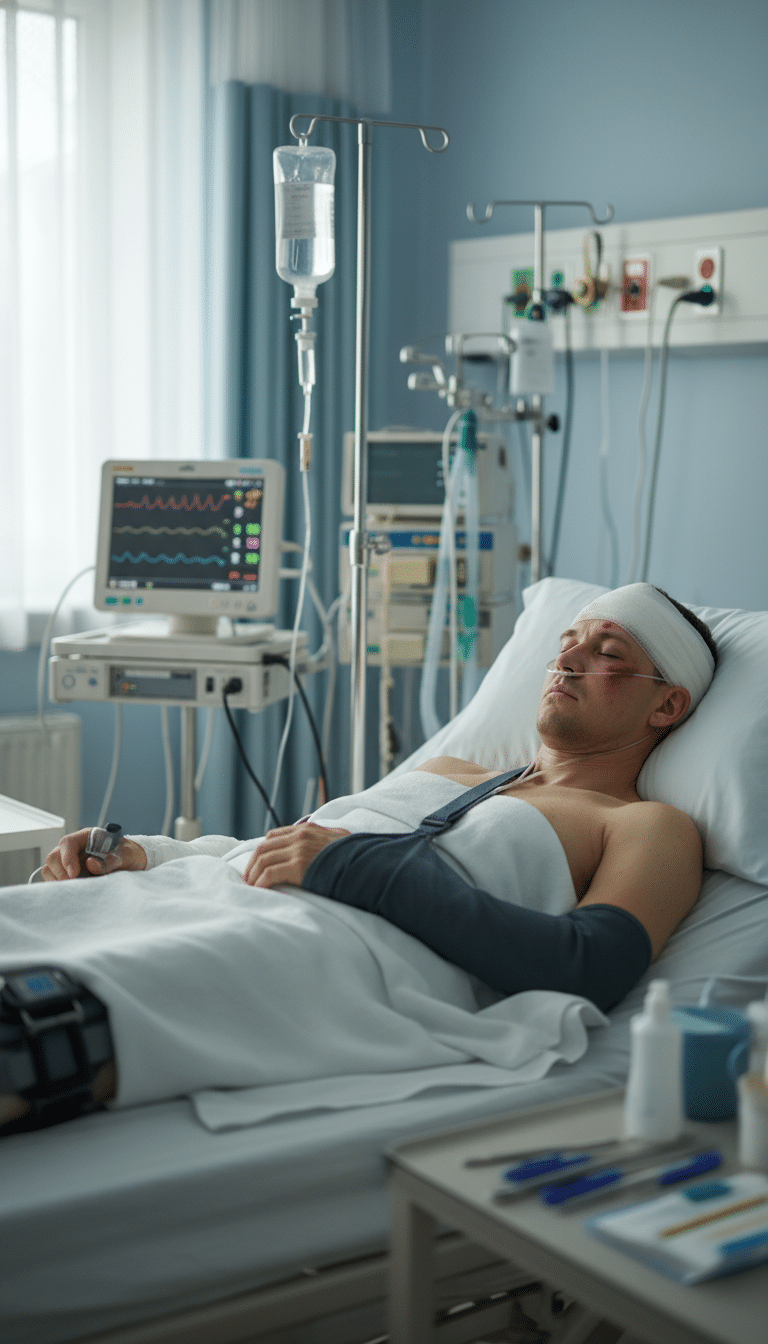
Delivery Drone Crash Legal Counsel in Holdenville, OK | McKay Law
Understanding Delivery Drone Accident Claims
Drone delivery has moved from science fiction to commercial reality. Amazon, Walmart, Alphabet’s Wing, and others are deploying drones across expanding service areas. With this growth comes a new kind of accident: injuries and damage from delivery drones. When a drone fails and causes injury or damage, liability law is in its early stages. McKay Law advocates for delivery drone accident victims in Holdenville and throughout Oklahoma.
Understanding Drone Delivery
Today’s delivery drones:
- Are unmanned aircraft systems (UAS)
- Fly orders directly to customers
- Use GPS, sensors, and autonomous navigation
- Operate under federal aviation rules
- Need specific FAA approval to operate commercially
- Either deliver by lowering packages or by landing
Common Causes of Delivery Drone Crashes
- Motor or propeller failures
- Navigation system errors
- Power system failures
- GPS errors
- Failure of obstacle detection sensors
- Wind, rain, and weather
- Obstacle strikes
- Mid-air collisions with other aircraft or drones
- Remote operator errors
- Cybersecurity breaches
- Inadequate maintenance
- Defective design or manufacturing
Who Was Hurt — Different Claims for Different Victims
- Anyone struck by a crashing drone
- People injured by dropped packages
- Homeowners and businesses with property damaged
- Drivers and passengers in vehicles struck by drones
- Recipients injured during delivery
- Family members of deceased victims where the incident was fatal
Potential Defendants
Liability for delivery drone crashes typically extends across multiple parties:
- The operating company (Amazon, Walmart, Wing, Zipline, Flytrex, etc.)
- The drone manufacturer
- Suppliers of motors, batteries, sensors, propellers
- The flight control software company
- The remote pilot or operator
- The retailer or shipper
- Maintenance contractors
- Cyber defense providers when cybersecurity failure played a role
- Federal agencies in rare circumstances
Why Delivery Drone Cases Are Different
- Federal aviation law — FAA Part 135 and other federal rules apply
- Federal preemption issues — preemption arguments are common in drone cases
- Novel legal questions — legal precedent is being made now
- Extensive digital records — the data picture is rich and technical
- Multiple corporate defendants — every layer of the technology can carry liability
- Aviation and drone expertise needed — technical experts drive these cases
- Well-funded defense — Amazon, Alphabet, and other operators have substantial defense resources
What These Crashes Do to Victims
- Traumatic brain injuries
- Cranial fractures
- Cuts from rotor blades
- Vision damage from propellers or debris
- Bone breaks from impact
- Burns from drone fires
- Injuries from heavy drones or packages
- Death from drone incidents
Building the Evidence
- Legal Obligation — Legal duties applied.
- Violation of That Duty — A duty was violated through unsafe design, manufacture, or operation.
- That the Failure Caused the Crash — The failure produced the incident and harm.
- Damages — The full financial and personal toll.
What Strengthens a Drone Case
- Electronic flight records
- All sensor recordings from the drone
- Software version and update records
- Video from the drone’s cameras
- Maintenance and inspection records
- Federal aviation documentation
- Operator records
- Internal company documents
- Eyewitness accounts
- Available video of the incident
- Medical records
- Drone and aviation expert analysis
Damages Available
- Past and future medical expenses
- Long-term care and rehabilitation
- Lost income and reduced earning capacity
- Property and personal property loss
- Pain and suffering
- Diminished quality of life
- Loss of consortium
- Wrongful death compensation for surviving family
- Exemplary damages when warranted by corporate conduct
Time Limits to Be Aware Of
The deadline in Oklahoma is two years from the date of the incident to file (Okla. Stat. tit. 12, § 95). Defect claims are likewise subject to the two-year statute. Drone cases demand immediate action because critical digital records are routinely overwritten.
How McKay Law Approaches Delivery Drone Cases
We act fast to lock down flight data, sensor logs, and video, retain drone, aviation, and reconstruction experts, pursue every regulatory and negligence angle, find every layer of coverage across multiple companies, and build each file for the courtroom from the start.
Common Questions
Q: A delivery drone crashed and hurt me — who can I sue?
A: Multiple parties. The drone operator, manufacturer, software company, component makers, and others can all bear liability.
Q: What does it cost to hire McKay Law?
A: Nothing upfront. No recovery, no fee.
Q: Can I sue Amazon, Walmart, or Wing directly?
A: Absolutely. Direct claims against the operating company are typical in drone cases.
Q: Doesn’t the FAA regulate drones — can I still sue?
A: Yes. FAA regulation doesn’t bar state-law personal injury claims for most drone incidents.
Q: What if the drone dropped a package on me, not the drone itself?
A: Same liability rules apply. Operator and product liability apply regardless of whether it was the drone or its payload.
Q: Should I give the company’s insurance a recorded statement?
A: No. Refer them to your attorney.
Q: How long do drone cases take?
A: Generally extended. Multiple defendants, complex technology, novel legal issues, and federal aviation questions typically mean a year or more.
Q: What is the deadline to file?
A: Two years from the date of the incident (Okla. Stat. tit. 12, § 95). Act fast — flight data and electronic records disappear quickly.
Delivery Drone Accident Claims in Holdenville, OK
Delivery drones are no longer experimental. Multiple major operators are running commercial drone delivery. A new injury category has emerged alongside this technology. An attorney familiar with this emerging area of law navigates the federal regulatory framework that controls these claims.
What Counts as a Delivery Drone Accident?
Delivery drone incidents involve injury or property damage caused by drone delivery operations.
Common Drone Accident Scenarios
- Direct impact from a descending drone
- Drones hitting buildings or vehicles
- Falling packages
- Drone-animal collisions
- Drone propeller injuries
- Crashes caused by drivers reacting to drones
- Privacy and surveillance harms
- Thermal runaway incidents
- Interference with first responders
- Acoustic injuries
Why Drone Accident Cases Are Different
Federal Regulatory Jurisdiction
FAA has primary jurisdiction over drones. FAA rules are at the heart of these cases.
Commercial drone delivery requires specific federal authorization. Violations of authorization conditions provide direct evidence of negligence.
Federal Preemption Issues
Some state and local laws governing drones face federal preemption challenges. This creates jurisdictional complexity.
Technology Liability Theories
These cases involve product liability theories:
- Manufacturing defects
- Control software defects
- Sense-and-avoid system failures
- Battery defects
- Communication system failures
- GPS spoofing or signal interference vulnerabilities
Who Can Be Liable in a Drone Accident?
The liability picture is often layered.
The Drone Operator
The company operating the delivery service. This is usually the primary defendant.
The Drone Manufacturer
The drone manufacturer faces claims for defective drone construction.
Software Developers
AI and control system developers can face software-based liability claims.
Component Manufacturers
Manufacturers of batteries, motors, sensors, propellers, and other components can be individually responsible.
The Customer/Recipient
Depending on the facts, the customer who ordered the delivery may share liability — for failing to follow instructions.
Property Owners
For incidents involving private property, property owners may share liability in certain circumstances.
Third-Party Operators
Where multiple drones or other aviation operations are involved, those parties may face liability.
Federal Regulations That Shape Drone Cases
Part 107 (Small UAS Rule)
The basic regulatory framework for small commercial drones. Most delivery drones need authorizations beyond basic Part 107.
Part 135 (Air Carrier Certificate)
Some major delivery drone operators have obtained Part 135 air carrier certificates. This authorization creates different legal duties.
Operations Over People (OOP) Rules
Flying over uninvolved persons requires specific FAA approval. These restrictions are tiered.
Beyond Visual Line of Sight (BVLOS)
BVLOS operations require specific FAA authorizations. BVLOS violations provides liability foundation.
Remote ID Requirements
Drones must transmit identification data. Identifying the responsible drone often relies on Remote ID data.
Operational Authorizations and Waivers
Commercial delivery typically operates under specific exemptions. Violations of specific authorization conditions creates regulatory liability.
What’s Special About Drone Investigation
Flight Data Records
Modern delivery drones record extensive flight data. The drone’s “black box equivalent” must be preserved.
FAA Reporting Requirements
Some drone incidents must be reported to FAA. Accident investigation by federal authorities may occur in serious incidents.
Expert Analysis
These claims need aviation, robotics, and drone-specific experts. Traditional accident reconstructionists generally aren’t equipped.
The Insurance Picture
Commercial drone operators typically carry significant aviation liability insurance. Coverage limits are often substantial.
Recovery may flow from multiple sources:
- The drone operator’s commercial aviation liability
- Aircraft manufacturer policies
- Component liability coverage
- Property owner coverage in some scenarios
What Damages Can Be Recovered?
Drone accident damages parallel other personal injury categories:
- Comprehensive medical care for impact-related injuries
- Past and future income loss
- Reduced ability to work
- Property repair or replacement costs
- Non-economic damages
- Emotional harm from surveillance or invasion of privacy
- Compensation for fatal incidents
- Punitive damages where systematic failures contributed
Distinctive Injury Types in Drone Cases
Impact Injuries
Drones falling from altitude cause impact injuries that depend on drone weight, fall height, and impact location.
Lacerations from Propellers
Rotor blade injuries can be require extensive surgical repair.
Eye Injuries
Propellers and drone components are a particular concern.
Burn Injuries from Battery Fires
Lithium-ion battery failures can cause burn injuries when drones catch fire after crashes.
Hearing Damage
Acoustic effects can create acoustic injuries in some scenarios.
Reactive Injuries
Drone-related secondary incidents create secondary harm cases.
Critical Steps After a Drone Incident
Document the Drone Immediately
Document the drone visually. Capture any identifying information. Use Remote ID apps to capture drone identification.
Preserve the Drone if Possible
If the drone is on your property, don’t alter the device. The drone manufacturer or operator may try to retrieve it quickly. Spoliation issues may apply.
Document the Scene
Photograph the location, any damage, and the injury becomes critical evidence.
Get Medical Attention Immediately
Same-day medical evaluation establishes injury timeline.
Note Witnesses
Bystanders provide independent corroboration.
File FAA Reports if Applicable
Federal reporting may apply. Counsel can guide reporting decisions.
Don’t Negotiate With the Drone Operator
Drone delivery operators have sophisticated claims operations. Conversations without legal advice can permanently damage the case.
Attorney Costs
Drone incident lawyers earn fees only on recovery. These cases require significant investment in expert witnesses — fronted by the firm.
Move Quickly
Drone accident law is still being written. Defendants have substantial resources and experienced counsel. Operational data have retention windows. Software versions change continuously. OK’s statute of limitations continues running. Getting an attorney involved immediately triggers preservation steps.
McKay Law Is Your Holdenville Advocate After A Delivery Drone Accident
Delivery drones once felt like science fiction — but today they’re flying over neighborhoods, parking lots, and city blocks, dropping packages on doorsteps and raising a brand-new category of personal injury risk. When a drone crashes, falls from altitude, strikes a person, drops its payload onto a vehicle, ignites a fire from a damaged battery, or collides with someone on the ground, the legal questions mount fast. Who built the drone? Who controlled it? What software was guiding the route? Was the company following FAA regulations and weight, altitude, and line-of-sight requirements? At McKay Law, we take on these emerging cases by consulting aviation experts, drone systems engineers, software analysts, and accident reconstructionists who can recover flight logs, telemetry data, and operational records to determine exactly what failed and who is responsible.
Drone delivery operators range from industry leaders like Amazon, Walmart, and Alphabet’s Wing to smaller contractors and logistics startups — and every one of them has insurance, legal teams, and risk management protocols designed to contain liability when something goes wrong. Whether you were struck while walking, driving, working, or simply standing in your own yard, you deserve a firm that takes these claims seriously. When you join the McKay Law family, we act quickly to preserve evidence, identify every responsible party, and put real pressure on the corporations behind the technology. We pursue full compensation for emergency care, surgeries, hospitalization, burn unit treatment, ongoing rehabilitation, future medical needs, property damage, lost income, lost earning capacity, the trauma of being injured by an unmanned machine overhead, and — in the most heartbreaking cases — the wrongful death of a family member. Call us today at (866) 679-9651 or reach out online to schedule your free consultation and bring a firm that’s ready for the next frontier of personal injury law fighting for you.
Video Testimonials






