

“Labor Omnia Vincit” McKay Law
Lawton, OK Drunk Driving Accident Lawyer
Drunk driving remain one of the leading causes of preventable death in Lawton, OK. When someone operates a vehicle after drinking, they make a deliberate, criminal decision that puts everyone at risk. McKay Law advocates for drunk driving accident victims throughout OK. Alcohol impairs every skill needed to drive safely—which is why the consequences are so often deadly. Oklahoma DUI law sets the legal limit at 0.08% blood alcohol—but drivers can be impaired and dangerous well below the legal limit. Common drunk driving crashes include the most devastating types of crashes seen on Oklahoma roads. Our Lawton car accident attorneys leverage criminal evidence to win civil claims. We secure key proof—the proof needed to establish intoxication caused the crash. A conviction can dramatically improve your case—but a civil claim doesn’t require a criminal conviction. We also pursue claims against third parties who contributed to or enabled the intoxication. Victims often suffer traumatic brain injuries, spinal cord damage, paralysis, broken bones, internal injuries, severe burns, and wrongful death. We recover all available damages including medical bills, future care, lost wages, lost earning capacity, pain and suffering, mental anguish, and wrongful death damages. Drunk driving is a textbook case for punitive damages—because driving drunk shows reckless disregard for the rights of others. Insurance companies for drunk drivers often acknowledge fault but lowball the settlement—we counter with hard evidence and demand the full value of your case. All DUI accident claims is handled on a contingency fee basis—zero upfront cost. Reach out to McKay Law right away for a complimentary evaluation with a Lawton, OK drunk driving accident lawyer who will fight for the full justice you and your family deserve.
Settlements Won
0
+
Million Dollars Won
0
+
Google 5 Star Reviews
0
+
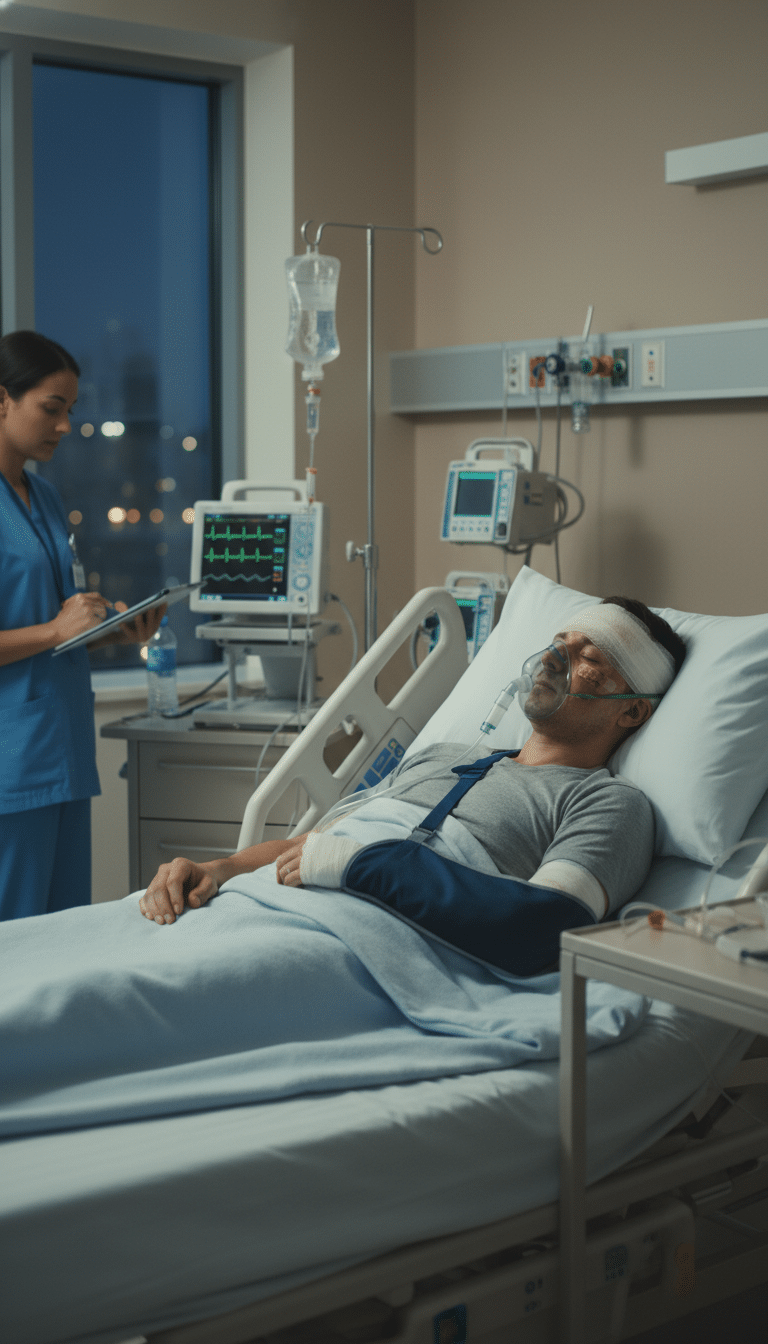
Drunk Driving Wreck Lawyer in Lawton, OK | McKay Law
What Is a Drunk Driving Accident Claim?
Alcohol-impaired driving claims thousands of lives annually. Drunk driving is entirely preventable. Driving drunk is a deliberate choice that endangers others. Oklahoma punishes drunk drivers seriously, with significant legal remedies for victims. Our firm fights for drunk driving accident victims in Lawton and in surrounding communities.
Oklahoma’s Drunk Driving Laws
Driving while impaired by alcohol is illegal (Okla. Stat. tit. 47, § 11-902):
- At 0.08% or above for drivers 21 and older
- Above 0.04% BAC for commercial drivers
- Any alcohol for underage drivers
- Impaired by alcohol regardless of BAC measurement
Sentences increase for repeat offenders and injury crashes.
What These Crashes Do to Victims
Drunk driving crashes tend to be catastrophic because drunk drivers fail to take evasive action:
- Traumatic brain injuries
- Permanent paralysis
- Crushing trauma
- Compound fractures
- Damage to internal organs
- Loss of limbs
- Burns from post-crash fires
- Whiplash and neck injuries
- Major soft-tissue injuries
- PTSD and anxiety
- Death from catastrophic crashes
Why Drunk Drivers Cause Crashes
- Slowed reflexes
- Impaired judgment
- Distorted or limited visual field
- Coordination problems
- Reduced concentration
- Falling asleep at the wheel
- Overconfidence and risk-taking
- Aggressive behavior
How Drunk Drivers Cause Crashes
- Head-on collisions
- Rear-impact crashes
- Single-vehicle crashes
- Side-impact crashes
- Pedestrian and cyclist strikes
- Rollover accidents
- Wrong-way crashes
Proving Drunk Driving
- Police reports
- Breath alcohol tests
- Blood alcohol test results
- ER alcohol tests
- DUI charges
- Testimony about the driver’s behavior
- Recordings of erratic driving
- Bar and restaurant receipts
- Bar surveillance footage
- Black box data
Oklahoma Dram Shop Law
Oklahoma’s dram shop law imposes liability on bars, restaurants, and other alcohol vendors who serve alcohol to:
- Customers who are visibly impaired
- Underage drinkers
Establishments and individuals serving alcohol can face liability when their alcohol service causes a drunk driving crash. These claims open additional defendants and insurance.
Who Pays
- The driver under the influence
- Liquor-serving establishments that overserved the driver
- Social hosts in some social host cases
- An employer if the driver was on the job
- The owner of the vehicle when ownership liability applies
Criminal vs. Civil Cases
Drunk driving crashes typically result in both criminal prosecution and civil lawsuits:
- Criminal prosecution — criminal court handles punishment
- Personal injury claim — victims pursue financial recovery
Convictions make the civil case stronger.
Building the Evidence
- Legal Obligation — The driver had to operate the vehicle sober and safely.
- Breach — Drunk driving violated the duty.
- That the Impairment Caused the Crash — The impairment caused or contributed to the crash and your injuries.
- Quantifiable Losses — The full financial and personal toll.
Recovery for Victims
- Past and future medical expenses
- Long-term care and rehabilitation
- Lost wages and reduced earning capacity
- Vehicle and property loss
- Physical and emotional suffering
- Diminished quality of life
- Damages for impact on relationships
- Wrongful death compensation in fatal crashes
- Punitive awards
Punitive Damages in Drunk Driving Cases
Punitive damages are commonly available in DUI cases because drunk driving is gross negligence. Oklahoma allows punitive damages to punish the wrongdoer and deter others. These damages can be substantial in DUI cases.
Filing Deadline
You typically have two years from the date of the crash to file (Okla. Stat. tit. 12, § 95). Fatal crash claims also follow two-year limit.
How McKay Law Approaches Drunk Driving Cases
We get to work immediately to obtain police reports, BAC results, and criminal records, coordinate civil and criminal proceedings, investigate dram shop liability — bars, restaurants, and social hosts, build the over-service evidence, pursue maximum punitive damages, map every available source of recovery, and build each file for the courtroom from the start.
Frequently Asked Questions
Q: How do you prove the other driver was drunk?
A: Breathalyzer and blood tests, officer observations, witnesses, and court records.
Q: What does it cost to hire McKay Law?
A: Nothing upfront. No recovery, no fee.
Q: The other driver was charged with DUI — does that help my case?
A: Significantly. Criminal charges strongly support civil claims.
Q: Can I sue the bar that overserved the drunk driver?
A: Yes, in qualifying cases. Dram shop claims are a key second source of recovery in drunk driving cases.
Q: Can I get punitive damages?
A: Often, yes. These cases regularly support punitive damages.
Q: Should I give the insurance company a recorded statement?
A: No. Talk to a lawyer first.
Q: What if criminal charges are dropped?
A: You can still pursue civil recovery.
Q: What is the deadline to file?
A: Two years from the date of the crash (Okla. Stat. tit. 12, § 95). Act quickly — bar records and witness memories have time limits.
Recovering Damages From a Drunk Driver in Lawton, OK
Alcohol-impaired driving accounts for around a quarter of all U.S. traffic fatalities. These crashes continue at high rates despite legal and social efforts to curb them. If a drunk driver caused your injuries, the case operates differently than typical auto accident claims. A local attorney experienced with DUI-related crashes knows how to maximize what drunk driving cases can produce.
Why Drunk Driving Cases Are Different From Other Auto Crash Cases
The Per Se Standard
The per se intoxication standard simplifies the impairment proof.
Anyone above the legal limit meets the statutory standard of impairment regardless of their actual behavior. No expert opinion required.
Commercial drivers face stricter limits. Drivers under the legal drinking age operate under near-zero BAC limits.
Negligence Per Se
Driving with a BAC above the legal limit is itself a violation of OK traffic law. This creates per se negligence.
The injured party doesn’t have to prove the drunk driving was negligent. Statutory violation becomes statutory negligence.
Routine Evidence Collection
Breath, blood, and urine testing happens automatically in most crash scenarios involving suspected impairment. This creates concrete, objective evidence.
Criminal Cases Drive Civil Cases
Criminal DUI charges create parallel cases.
Adjudicated DUI cases can establish negligence as a matter of law in the civil case. Criminal convictions support strong civil cases.
Punitive Damages Almost Always Available
Drunk driving is the textbook example of conduct supporting punitive damages.
The decision to operate a vehicle while drunk is typically considered gross negligence or reckless conduct.
Punitive damages can substantially increase recovery. In typical drunk driving litigation, exemplary damages can match the compensatory recovery.
Common Drunk Driving Crash Patterns
Wrong-Way Driving
Wrong-way driving is a classic DUI crash pattern. These accidents cause catastrophic head-on impacts.
Single-Vehicle Crashes Into Stationary Objects
Single-vehicle crashes against fixed objects. These crashes can still create third-party liability.
Pedestrian Crashes
Pedestrian deaths involving impaired drivers are overrepresented in the statistics.
Late-Night Crashes
Most DUI crashes happen at night.
High-Speed Crashes
Drunk drivers tend to drive faster, creating severe crashes when speed and impairment combine.
Multi-Vehicle Pileups
Drunk drivers cause secondary crashes when other drivers can’t avoid the initial impaired driving account for many DUI fatalities and serious injuries.
Rear-End Crashes
DUI drivers frequently rear-end other vehicles.
Liability Beyond the Drunk Driver
Drunk driving cases sometimes involve liability beyond the impaired driver.
Dram Shop Liability — The Bar or Restaurant
OK, like many states, has dram shop laws making bars and restaurants potentially liable.
Where a bar, restaurant, club, or other licensed establishment served alcohol to someone who was obviously intoxicated who then drove and caused a crash, dram shop liability may apply.
These cases have particular elements:
- Alcohol was sold or served
- To someone who was obviously intoxicated at the time of service
- The person then drove and caused a crash
- Producing the harm
Social Host Liability
For private parties or social events, certain jurisdictions hold social hosts liable. OK’s social host rules vary.
Employer Liability
When the drunk driver was acting within the scope of employment, the employer can face vicarious liability. Even when the driver wasn’t working, negligent hiring claims may apply where the company had notice of impairment issues.
Bar or Restaurant Employees as Direct Defendants
Individual server liability share responsibility.
What Insurance Adjusters and Defense Counsel Argue
“Comparative Fault”
Even with clear DUI liability, defense raises comparative fault. How OK handles shared fault may cut damages without barring the claim.
“The BAC Test Was Faulty”
Attacks on the BAC evidence. Proper testing protocols, equipment calibration, and chain of custody require expert support.
“Other Factors Caused the Crash”
Defense argues alternative causes are raised in some cases.
“Punitive Damages Aren’t Warranted”
Defense aggressively contests punitive damages.
Critical Steps After a Drunk Driving Crash
Make Sure the Police Investigate Drunk Driving
If there are signs of impairment, tell the responding officers.
Document Observable Signs of Impairment
Markers of impairment carry significant weight.
Note Statements From the Other Driver
Statements about consuming alcohol provide direct evidence.
Identify Where the Driver Was Drinking
The source of the alcohol identifies potential additional defendants. Bar tabs, receipts, and witness accounts become valuable evidence.
Photograph Evidence at the Scene
Physical evidence of drinking support DUI claims.
Document Witnesses
Independent observers of the driver’s condition provide critical evidence.
Get a Police Report
Insist on official documentation.
Track the Criminal DUI Case
The driver’s criminal case gather evidence from the criminal proceedings. Criminal proceedings documentation can be used in the civil action.
Get Medical Attention Immediately
Same-day medical care establishes injury timeline.
Don’t Negotiate With the Drunk Driver’s Insurer Without Counsel
Insurance carriers reach out quickly. Direct communication with insurers hurt the claim in lasting ways.
Damages Available
Recoverable losses include the standard categories plus significant enhanced damages:
- Comprehensive medical care
- Past and future income loss
- Diminished earning capacity
- Property damage
- Loss of enjoyment of life
- Compensation for fatal crashes
- Exemplary damages — often case-defining
What Drunk Driving Insurance Coverage Looks Like
These cases create distinctive insurance scenarios:
- Policy exclusions may apply
- DUI drivers carry minimum coverage at higher rates
- UM/UIM coverage often matters here
Mapping the full insurance picture requires careful investigation.
Attorney Costs
DUI crash lawyers work on contingency. Case reviews cost nothing.
Don’t Wait
These cases need fast attention. Surveillance footage need prompt preservation. Commercial server evidence has time-sensitive issues. DUI criminal litigation create useful records. Filing deadlines applies regardless. Getting an attorney involved promptly triggers the preservation steps.
McKay Law Is Your Lawton Advocate After A Drunk Driving Accident
A drunk driving crash is never an accident in the real sense of the word — it’s the direct result of a choice someone made to drive when they had no business doing so. Every year, untold numbers of innocent victims are permanently harmed because a driver opted that one more drink, one more round, or one short trip home was worth the risk. The aftermath is life-altering: traumatic brain injuries, broken spines, internal organ damage, multiple surgeries, months of rehabilitation, and the enduring psychological weight of living through something that should have never happened. At McKay Law, we tackle drunk driving cases with the intensity they warrant. We waste no time to secure BAC results, body cam footage, dash cam recordings, field sobriety test reports, surveillance video from the bar or restaurant that knowingly served the driver, and witness statements that capture exactly what happened.
Drunk driving cases regularly create additional avenues of recovery beyond the driver’s personal auto policy. Under alcohol seller liability rules, the bar, restaurant, or social host that provided alcohol to a clearly intoxicated person may share liability — and those liquor liability coverages often carry substantial coverage. When you come into the McKay Law family, we examine every party that set the stage for the crash, and we advance punitive damages where the law allows — because the choice to drive drunk is exactly the kind of gross conduct that punitive damages were created for. We fight for the highest possible compensation for emergency airlift and trauma care, surgeries, ICU and hospitalization, ongoing rehabilitation, future medical needs, adaptive technology, lost wages, loss of livelihood, vehicle replacement, the physical and emotional suffering of surviving a crash like this — and in the most sorrowful cases, the wrongful death of a family member. Call us right away at (866) 679-9651 or connect with us online to arrange your free consultation and get a firm that holds drunk drivers completely responsible behind you.
Video Testimonials






