

“Labor Omnia Vincit” McKay Law
Moore, OK Pedestrian Accident Lawyer
Pedestrian accidents cause a disproportionate share of road fatalities in Moore, OK—because the human body cannot absorb the force of vehicle impact. When a driver hits a pedestrian, the consequences are typically severe or fatal. McKay Law represents pedestrian accident victims throughout OK. Common causes of pedestrian accidents include distracted driving (especially phone use), drunk and drugged driving, speeding, failure to yield at crosswalks, drivers turning without checking for pedestrians, backing accidents, fatigued driving, and drivers failing to see pedestrians at night. These incidents often occur during crosswalk crashes when drivers fail to yield, intersection accidents from drivers turning across pedestrian paths, backing accidents in parking lots, school zone hits, nighttime crashes from poor visibility, and hit-and-run incidents leaving victims abandoned. Kids and seniors are particularly likely to be hit—making damages especially significant in these cases. Our Moore pedestrian accident attorneys move fast to preserve evidence—the proof needed to establish exactly what happened and counter pedestrian-blaming defenses. Liable parties may include the at-fault driver, their employer if driving for work, government entities for dangerous road conditions or signal malfunctions, and bars or restaurants under dram shop laws in DWI cases. Injuries from pedestrian accidents catastrophic injuries with lifelong consequences—often among the most severe in personal injury law. Even low-speed pedestrian crashes can cause severe injuries—the difference between life and death is often just a few miles per hour. We fight for every dollar including hospital costs, ongoing treatment, missed income, suffering, and survivor damages. Insurance companies often try to blame pedestrians—we don’t let unfair victim-blaming determine the value of your case. Even if you weren’t following all pedestrian rules, you may still have a valid claim—drivers still have a duty to watch for and avoid pedestrians. All pedestrian crash claims is handled on a contingency fee basis—no fees unless we recover. Call McKay Law now for a no-cost case review with a Moore, OK pedestrian injury attorney who will pursue every dollar your case is worth.
Settlements Won
0
+
Million Dollars Won
0
+
Google 5 Star Reviews
0
+
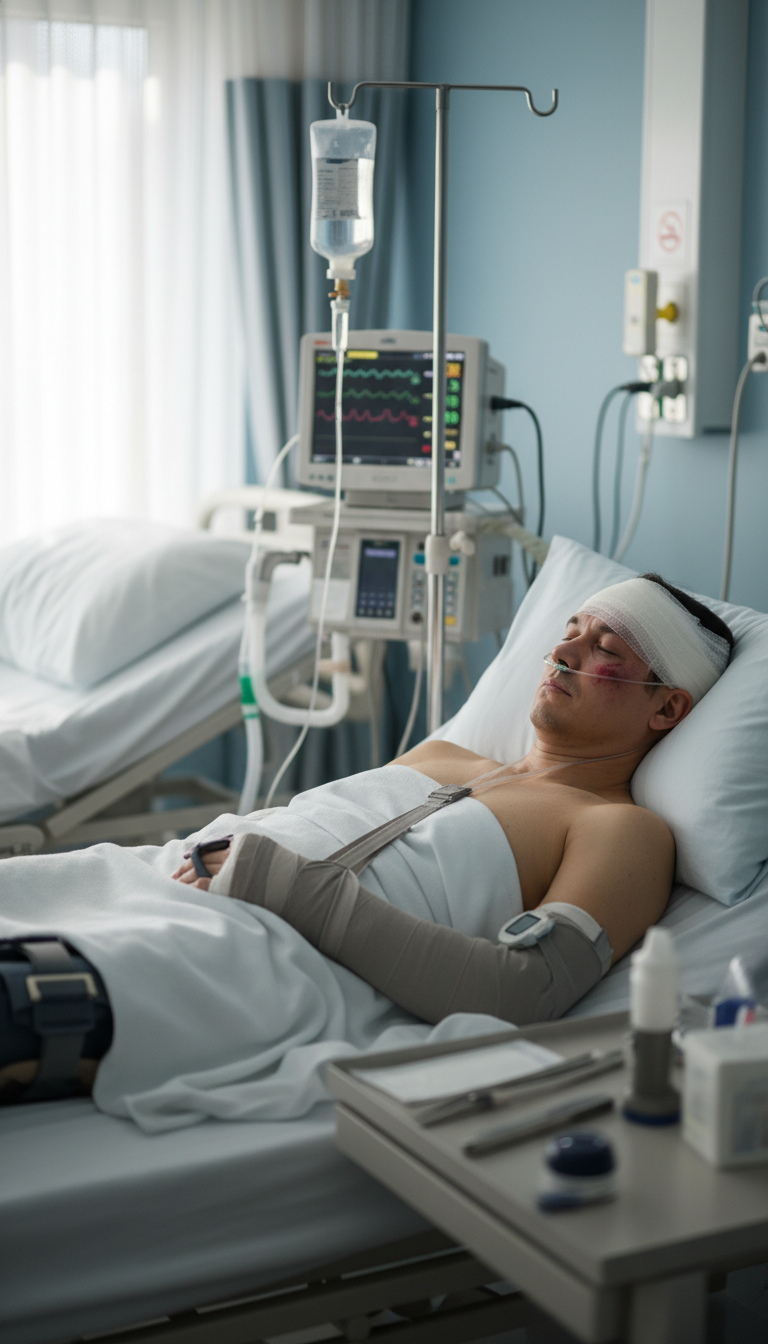
Pedestrian Incident Attorney in Moore, OK | McKay Law
The Basics of Pedestrian Accident Cases
Pedestrians are the most vulnerable users of the road. When a pedestrian is struck, the results are catastrophic. With nothing between them and the impact, pedestrians often suffer catastrophic injuries — and many die. Pedestrian deaths have increased dramatically in recent years, driven by distracted driving, larger vehicles, and other factors. Whether you were struck while crossing the street, walking on a sidewalk, or in a parking lot, Oklahoma law protects your right to recover. Our firm fights for pedestrian accident victims in Moore and across the state.
Common Causes of Pedestrian Accidents
- Driver inattention
- Drunk or impaired driving
- Driving too fast for conditions
- Right of way violations
- Ignoring traffic controls
- Turning failures
- Failure to see pedestrians
- Reckless driving
- Falling asleep at the wheel
- Adverse weather
- Poor visibility at night
- Poor street lighting
- Signal failures
- Defective traffic signals
- Hit-and-run drivers
- Inadequate sidewalks
Common Locations
- Crosswalk strikes
- Intersection strikes
- Sidewalk strikes
- School-area strikes
- Parking lot strikes
- Bus stops
- Driveways and entrances
- Highway strikes
- Strikes in residential areas
- Mid-block crossings
Pedestrian Accident Types
- Hit while crossing — pedestrians hit while in marked crosswalks
- Strikes between intersections — hit while jaywalking or crossing mid-block
- Turn-related strikes — pedestrians hit by turning vehicles
- Backing vehicle strikes — backing incidents
- Hit-and-run strikes — fleeing driver incidents
- Strikes by impaired drivers — pedestrians hit by drunk drivers
- School area strikes — strikes near schools
- Strikes of pedestrians on sidewalks — drivers leaving the roadway and hitting pedestrians on sidewalks
What These Accidents Do to Victims
Pedestrian crashes typically cause severe injuries because pedestrians have no protection from the impact:
- Traumatic brain injuries
- Permanent paralysis
- Crush injuries
- Multiple severe fractures
- Internal bleeding
- Amputations
- Pelvic and hip injuries
- Lower-body trauma
- Severe burns
- Lacerations and severe road rash
- Lacerations and disfigurement
- Mental and emotional trauma
- Wrongful death
Pedestrian Right of Way
Pedestrians have right of way in many situations:
- Pedestrians in marked crosswalks have right of way
- Unmarked crosswalks at intersections
- Pedestrians on sidewalks
- Pedestrians crossing where traffic signals favor them
Comparative Fault
Even if a pedestrian was partially at fault, Oklahoma’s comparative fault rule may still allow recovery (Okla. Stat. tit. 23, § 13). Pedestrians can recover if they’re 50% or less at fault.
Potential Defendants
- The at-fault driver
- The driver’s employer when the incident occurred during work
- The car owner when ownership liability applies
- The vehicle manufacturer in defect cases
- Liquor establishments when overservice played a role
- A municipality in charge of negligently designed pedestrian infrastructure
Building the Evidence
- Legal Obligation — The driver had to operate the vehicle safely and watch for pedestrians.
- Breach — The defendant violated the duty.
- A Direct Link — The unsafe driving led to the impact.
- Concrete Harm — Economic and non-economic harm.
What Strengthens a Pedestrian Case
- Official accident documentation
- Visual evidence
- All available video
- Residential security cameras
- Testimony from people who saw the strike
- Phone usage records
- Vehicle event data recorder (EDR) data
- Alcohol and drug test records
- Documentation of signal operation
- Accident reconstruction
- Medical records
Recovery for Victims
Damages in pedestrian cases are usually significant:
- Medical bills, past and future
- Ongoing rehabilitation expenses
- Lost income and diminished earning ability
- Property damage
- Physical and emotional suffering
- Diminished quality of life
- Loss of consortium
- Lasting disability
- Scarring damages
- Wrongful death damages in fatal cases
- Punitive damages when warranted
Pedestrian Hit-and-Run
Hit-and-run cases have distinct features:
- Your own UM coverage may cover
- UM coverage on a relative’s policy may apply
- Driver identification
- Hit-and-run usually justifies punitive damages
Special Considerations for Child Pedestrian Cases
Children are especially vulnerable as pedestrians:
- Visibility issues
- Unpredictable movement
- Drivers must exercise extra caution in school zones and residential areas
- Severe injuries
- Lifetime impact common
- Lifetime damages
Time Limits to Be Aware Of
The deadline in Oklahoma is 2 years from the date of the incident to file (Okla. Stat. tit. 12, § 95). For child victims, the statute may be tolled for children. Government cases require one-year GTCA notice.
How McKay Law Approaches Pedestrian Cases
We get to work immediately to secure surveillance video before it’s deleted, examine driver history, preserve electronic evidence, pursue UM coverage in hit-and-run cases, pursue overservice liability, partner with healthcare providers, value cases for both immediate and lifetime damages, and prepare every case as if it will go to trial.
Frequently Asked Questions
Q: I was hit while crossing the street — what’s my case?
A: Strong case usually. Crosswalk strikes typically establish clear driver liability.
Q: What does it cost to hire McKay Law?
A: Nothing. No recovery, no fee.
Q: I was hit at night while crossing where there’s no crosswalk — am I at fault?
A: Some fault possible, but recovery available. Oklahoma’s comparative fault rule allows recovery if you’re 50% or less at fault.
Q: A hit-and-run driver hit me — what can I do?
A: Your UM coverage typically applies.
Q: My child was hit while crossing the street — what can I do?
A: Parents can file claims for minor children.
Q: A drunk driver hit me — can I get punitive damages?
A: Often, yes. Punitive damages are commonly available in DUI cases.
Q: My family member was killed while crossing the street — what can we do?
A: File a wrongful death claim.
Q: Should I give the insurance company a recorded statement?
A: Don’t. Talk to a lawyer first.
Q: What is the deadline to file?
A: 2 years from the date of the incident (Okla. Stat. tit. 12, § 95). Children’s deadlines may be tolled until age 18.
Pedestrian Accident Claims in Moore, OK
Pedestrian accidents combine the most catastrophic injury patterns with the most aggressive insurance defense tactics. There’s no airbag, no crumple zone, no metal frame between the pedestrian and the vehicle. Crash energy transfers directly to the pedestrian. Defense routinely blames pedestrians. A Moore pedestrian accident lawyer brings expertise in this specialized area of injury law.
Why Pedestrian Cases Are Distinctive
Catastrophic Injury Patterns
Pedestrians have no protection in vehicle crashes.
The pedestrian bears the entire crash energy.
Even at low to moderate speeds, these crashes produce:
- Leg and pelvic injuries from initial impact
- TBI from hitting the vehicle or ground
- Internal injuries from blunt force trauma
- Back injuries from various impact dynamics
- Multiple fractures
Catastrophic Injuries at Even Modest Speeds
Vehicle speed dramatically affects pedestrian survival.
Even at urban speeds, impacts cause severe outcomes.
Secondary Impacts
Pedestrians often suffer multiple impacts.
Typical impact patterns include:
- Initial impact with the vehicle
- Being thrown onto the hood
- Windshield impact
- Being thrown onto the roof
- Being thrown from the vehicle
- Striking the ground
- Being run over
Insurance Companies Aggressively Blame Pedestrians
The “jaywalking” framing is the dominant insurance tactic.
Common defense arguments include:
- Wrong-location defenses
- The pedestrian wasn’t visible
- Yield-failure defenses
- “You were on your phone”
- Impairment defenses
These arguments often have weaknesses.
Common Causes of Pedestrian Accidents
Driver Failure to Yield
Right-of-way violations are the most common cause.
Distracted Driving
Inattentive drivers strike pedestrians.
Drunk and Impaired Drivers
Impaired drivers cause many pedestrian crashes.
Speeding
Speeding dramatically increases pedestrian crash severity.
Drivers Backing Up Without Looking
Drivers backing up without checking generate distinctive incidents.
Left-Turn Crashes
Drivers turning left into crosswalks are particularly dangerous.
Right-Turn Crashes
Drivers turning right into pedestrians strike pedestrians who are properly in crosswalks.
Running Red Lights or Stop Signs
Drivers running traffic control devices endanger pedestrians who have right-of-way.
Inadequate Visibility
Limited visibility various visibility problems drive crashes.
Sidewalk and Crosswalk Issues
Inadequate crosswalk infrastructure create dangerous conditions.
Vehicle Defects
Product defect cases can contribute to pedestrian crashes.
Where Pedestrian Crashes Happen
Intersections
Intersection pedestrian crashes drive many pedestrian crashes.
Crosswalks
Crosswalk pedestrian incidents, despite signal/sign right-of-way for pedestrians happen frequently.
Mid-Block Crossings
Non-intersection crashes can be more contested than intersection crashes, but driver duties still apply.
Parking Lots
Pedestrians struck in parking lots happen frequently.
Sidewalks
Vehicles leaving the roadway and striking pedestrians on sidewalks.
School Zones
School zone pedestrian crashes involve child victims.
Construction Zones
Work zone pedestrian incidents.
Highways
Highway pedestrian crashes are particularly dangerous.
Right-of-Way and Comparative Fault Analysis
Crosswalk Right-of-Way
Pedestrians using crosswalks generally have right-of-way.
State law governs specific rules, but pedestrians generally have right-of-way in crosswalks.
Unmarked Crosswalks
Many jurisdictions recognize unmarked crosswalks at intersections as having pedestrian right-of-way.
Driver Duty to See Pedestrians
Driver duty to observe pedestrians continuously.
Even Where Pedestrians Are at Fault
Even when pedestrians weren’t entirely correct, comparative fault rules typically allow recovery.
Pure comparative jurisdictions permit recovery even with pedestrian-majority fault.
Modified comparative fault jurisdictions allow recovery within the limits.
Damages in Pedestrian Cases
Recoverable losses include include:
Medical Costs
Pedestrians typically require extensive medical care:
- Initial emergency treatment
- Multiple surgeries
- Hospital stays
- ICU costs
- Long-term recovery
- Continuing care
- Adaptive equipment
- Home modifications
Lost Wages and Earning Capacity
Significant lost wages and diminished earning capacity.
Pain and Suffering
Substantial pain and suffering damages.
Loss of Enjoyment of Life
Major quality of life impact.
Mental Health Treatment
Mental health damages.
Disfigurement and Scarring
Visible scarring.
Loss of Consortium
Spousal damages.
Wrongful Death
Pedestrian fatalities, making wrongful death claims common.
Punitive Damages
Cases involving particularly harmful conduct may support punitive damages.
Who Can Be Held Liable?
The Driver
The at-fault driver is the primary defendant.
Drivers in Multi-Vehicle Crashes
Multiple driver fault can face liability.
Vehicle and Component Manufacturers
Product defect cases can implicate manufacturers.
Government Entities
Road and infrastructure problems can implicate government entities.
Property Owners
Premises-related contributions can implicate property owners.
Construction Companies
For construction zone crashes can implicate construction companies for traffic control inadequacies.
Employers
Course-of-employment cases can implicate employers.
Trucking Companies
For pedestrian crashes involving trucks can implicate commercial carriers.
Rideshare and Delivery Platforms
Gig platform crashes can implicate the relevant platform.
Common Insurance Defenses
“The Pedestrian Was Jaywalking”
The dominant defense.
Defense leverages the pedestrian wasn’t in a crosswalk.
Counter requires detailed legal analysis.
“The Pedestrian Wasn’t Visible”
Defense leverages visibility issues prevented the driver from seeing the pedestrian.
Drivers must observe pedestrians regardless of visibility conditions.
“The Pedestrian Was Distracted”
“You weren’t paying attention”. Even with pedestrian distraction, drivers still have duty to see pedestrians.
“The Pedestrian Was Impaired”
Impairment defenses. Pedestrian impairment doesn’t fully bar recovery.
“The Pedestrian Caused Their Own Injuries”
Sole-fault defenses against pedestrians. The driver’s duty to see pedestrians and operate safely means complete pedestrian fault is rare.
“Comparative Fault”
Comparative negligence.
“Pre-Existing Conditions”
Pre-existing condition defenses.
Critical Steps After a Pedestrian Accident
Get Immediate Medical Attention
Even when feeling functional, same-day medical care matters. Hidden injuries are common.
Don’t Move If Seriously Injured
Wait for emergency services with serious injuries. Trying to move with spine injuries can worsen the harm.
Stay at the Scene Until Police Arrive
Wait for police.
Get Driver Information
Driver’s name, contact, license, insurance, license plate.
Identify Witnesses
Witnesses provide critical evidence.
Photograph Everything
The scene, vehicles, your injuries, surroundings.
Document the Crosswalk Status
Whether you were in a crosswalk, Pedestrian signal information, whether crosswalks were properly marked.
Get a Police Report
Insist on official documentation.
Don’t Discuss Fault
Avoid admitting fault or speculating about cause.
Don’t Speak With Insurance Adjusters Without Counsel
Insurance adjusters call quickly. Direct insurer communication create problematic admissions.
Special Considerations for Hit-and-Run Pedestrian Cases
Hit-and-run pedestrian incidents are particularly devastating.
Pedestrians without their own auto insurance, household auto policies may apply.
Special Considerations for Children
Child pedestrian crashes have particular concerns:
- Pedestrian fault is rarely applied to children
- Lifetime damages
- Developmental impact
Attorney Costs
Lawyers experienced with pedestrian crashes earn fees only on recovery. Expert costs run high reimbursed from the recovery.
Move Quickly
Pedestrian accident cases require prompt action.
Video recordings requires prompt preservation.
Witness recollections require prompt investigation.
Vehicle data may be lost.
Scene evidence may be altered.
OK’s statute of limitations sets a hard cutoff.
Engaging counsel right away positions the case for the substantial recovery these cases support despite aggressive insurance defenses.
McKay Law Is Your Moore Advocate After A Pedestrian Accident
Pedestrians have no airbag protection, no crumple zones, no seatbelts, and no metal frame between themselves and a vehicle — and when a negligent driver runs into someone crossing, the result is virtually always life-altering. Crosswalk strikes, drivers turning right on red without checking for foot traffic, distracted motorists veering into bike lanes and sidewalks, drunk drivers veering onto curbs, parking lot incidents, and school zone wrecks involving children leave victims with traumatic brain injuries, fractured spines, broken legs and pelvises, internal organ damage, and lifelong disabilities. Even at slow speeds, a vehicle striking a person produces forces the human body simply isn’t built to absorb. At McKay Law, we respond immediately to secure traffic and surveillance footage, dash cam recordings, the at-fault driver’s cell phone records, vehicle black box data, witness statements, and any crosswalk signal timing data that nails down the driver’s carelessness to yield.
The insurance company on the other side will work to deflect responsibility onto you — claiming you moved into traffic suddenly, weren’t using a crosswalk, were wearing dark clothing, or were distracted by your own phone. We refuse to allow it. When you come into the McKay Law family, we construct a case that focuses the conversation on the driver’s duty to watch pedestrians and the breach that caused your injuries. We demand full compensation for emergency airlift and trauma care, surgeries, ICU and prolonged hospitalization, ongoing rehabilitation, future medical needs, prosthetics or mobility aids when amputation is involved, in-home and long-term care, prescription costs, time away from work, diminished earning ability, the enduring trauma and anguish of enduring a collision like this — and in the most sorrowful cases, the wrongful death of someone you cared deeply for. Phone us without waiting at (866) 679-9651 or get in touch online to set up your free consultation and bring a firm that battles for pedestrians behind you.
Video Testimonials






