

“Labor Omnia Vincit” McKay Law
Oklahoma City, OK Waymo Accident Lawyer
Waymo accidents involve novel liability issues in Oklahoma City, OK. As Waymo expands its driverless robotaxi service, the legal questions they create are becoming urgent. McKay Law represents victims of Waymo accidents across OK. These cases differ fundamentally from typical collision claims—liability extends to the technology, software, and corporate decision-makers behind the car. When a Waymo vehicle crashes, responsibility may rest with the autonomous vehicle company, its parent corporation, hardware manufacturers, and the engineers who built the system. When a Waymo crashed into you as a pedestrian or cyclist, you have legal rights against multiple potentially responsible parties. Common causes of Waymo accidents include technology defects, system errors, sensor failures, and gaps in AI training. Our Oklahoma City autonomous vehicle accident lawyers have the resources to take on the emerging liability framework these cases involve. Were known software issues left unpatched? Did the AI misidentify an object or person? Was the technology deployed in conditions it couldn’t handle? Did remote monitors fail to intervene?. We bring in computer scientists, AI researchers, and industry experts to analyze the sensor data—because the evidence lives in software, sensor logs, and AI decision records. Injuries from Waymo accidents head trauma, chronic pain, life-altering disabilities, and tragic loss of life—requiring extensive medical care and long-term support. These tech giants and their legal teams deploy elite legal teams to limit their liability—you deserve a lawyer who isn’t intimidated by Silicon Valley. We pursue full compensation including economic and non-economic losses, plus damages for surviving families in fatal cases. All autonomous vehicle claims is handled on a contingency basis—no fees unless we recover. Critical evidence in Waymo cases disappears or is overwritten quickly—the vehicle’s data, AI decision logs, sensor recordings, and software versions must be preserved immediately. Reach out to McKay Law right away for a complimentary evaluation with a Oklahoma City, OK Waymo accident lawyer who will fight for the compensation you deserve from the corporations behind the technology.
Settlements Won
0
+
Million Dollars Won
0
+
Google 5 Star Reviews
0
+
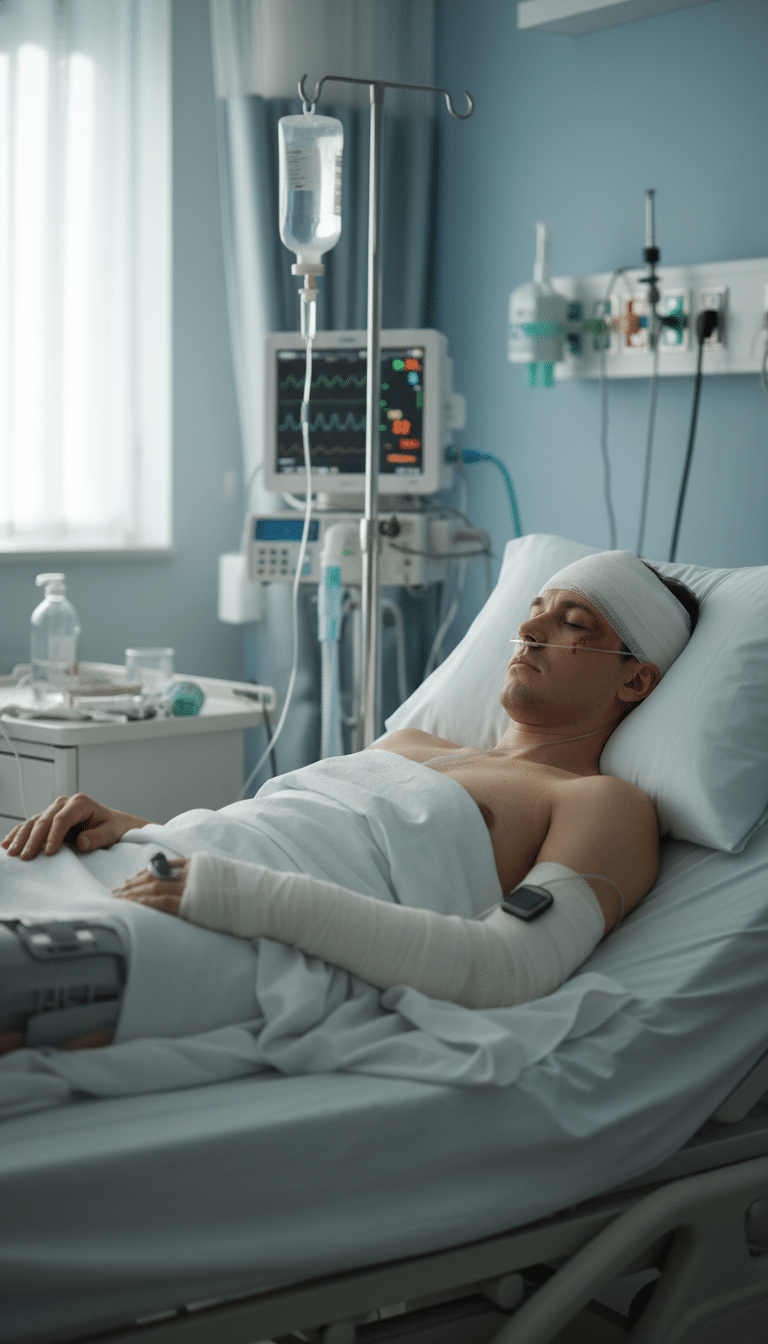
Waymo Wreck Lawyer in Oklahoma City, OK | McKay Law
What Is a Waymo Accident Claim?
Waymo is the leading autonomous vehicle company in commercial operation, deploying autonomous vehicles in real-world settings. As Waymo expands service means more driverless cars sharing roads with humans. When a Waymo vehicle crashes, the legal landscape is unlike traditional auto cases. Multiple corporate defendants, sophisticated technology, and cutting-edge product liability law come into play. Our firm fights for Waymo accident victims in Oklahoma City and across the state.
The Waymo System
The Waymo platform deploys SAE Level 4 autonomous vehicles, where vehicles drive themselves in specific service zones. The system uses:
- Lidar sensors
- Radar detection systems
- Multiple cameras
- Detailed HD maps
- Machine learning algorithms
- Human monitors
Why Waymo Crashes Happen
- Sensor malfunctions
- Programming flaws
- Failure to detect pedestrians, cyclists, or stopped vehicles
- System unable to process unexpected scenarios
- Sensors blinded by weather
- Mapping errors
- Misreading other drivers
- Vulnerabilities in the autonomous system
- Mechanical failures
- Inability to handle non-standard road situations
Who Was Hurt — Different Claims for Different Victims
- People using Waymo as a rideshare injured during a ride
- Third-party motorists hit by a Waymo vehicle
- People outside any vehicle struck by a Waymo
- Surviving relatives when a loved one dies
Who Can Be Held Liable in a Waymo Accident
Liability in a Waymo case typically extends across multiple corporate defendants:
- The Waymo operating entity
- Alphabet Inc.
- Companies making the Waymo vehicles (e.g., Jaguar, Chrysler, Geely)
- Sensor manufacturers
- Software developers
- Map data companies
- Companies providing remote oversight
- Companies servicing Waymo vehicles
- Cybersecurity providers when cybersecurity failure played a role
- A third-party motorist where multiple parties contributed
Why Waymo Cases Are Different From Traditional Auto Cases
- Multiple corporate defendants — every layer of the technology can carry liability
- Enormous datasets — every Waymo trip generates extensive sensor logs, video, lidar point clouds, and system decision data
- Cutting-edge product liability law — case law is still emerging
- Well-funded defense teams — Waymo and Alphabet have substantial defense resources
- No human driver to sue — cases focus on the technology, not a human operator
- Major insurance resources — coverage limits are large
Typical Waymo Crash Injuries
- Severe head trauma
- Spine injuries
- Cervical strain
- Broken bones
- Internal organ injuries
- Injuries from impact
- Face and head injuries
- Restraint and impact injuries
- Leg and pelvic injuries
- Mental and emotional trauma
- Wrongful death
Building the Evidence
- A Duty of Care — Legal duties applied.
- Negligent Conduct — A duty was violated through unsafe design or operation.
- A Direct Link — The defect or breach caused the crash and your injuries.
- Concrete Harm — The full financial and personal toll.
Evidence That Wins Waymo Cases
- All sensor recordings from the vehicle
- AI decision-making records
- Vehicle event data
- Video footage from onboard cameras
- Code change logs
- Internal validation records
- Communications between the vehicle and remote operators
- Service history
- Corporate documents on system risks
- Crash reports
- Testimony from people who saw the crash
- Technical expert reconstruction
Damages Available
- Healthcare costs
- Ongoing rehabilitation expenses
- Lost income and diminished earning ability
- Vehicle and property loss
- Non-economic damages
- Diminished quality of life
- Loss of consortium
- Survivor damages in fatal crashes
- Punitive damages in cases of known risks ignored
Oklahoma’s Statute of Limitations
The deadline in Oklahoma is two years from the date of the crash to file (Okla. Stat. tit. 12, § 95). Defect claims are likewise subject to the two-year statute. Quick action is critical because electronic evidence vanishes fast.
What Working With Us Looks Like
We move quickly to send preservation letters to Waymo, Alphabet, and every potential defendant, retain autonomous vehicle, software, and reconstruction experts, investigate every layer of the technology stack, find every layer of coverage across multiple companies, and prepare every case as if it will go to trial.
Common Questions
Q: Who do I sue when a Waymo causes a crash?
A: Often several defendants. Multi-defendant litigation is the norm.
Q: What does it cost to hire McKay Law?
A: Zero upfront. No fee unless we recover.
Q: Is there a driver to sue?
A: Not in fully driverless mode. Cases focus on the technology, not a driver.
Q: Can I sue Alphabet (Google’s parent company)?
A: Possibly, depending on the facts. Alphabet’s role in Waymo can support claims against the parent.
Q: How is a Waymo case different from a regular car accident?
A: Different defendants, different evidence, different legal theories.
Q: Should I give Waymo’s insurance company a recorded statement?
A: Don’t. Call us first.
Q: How long do Waymo cases take?
A: Longer than typical cases. Multiple defendants, complex technology, and novel legal issues typically mean a year or more.
Q: What is the deadline to file?
A: 2 years from the date of the crash (Okla. Stat. tit. 12, § 95). Move quickly — electronic evidence vanishes fast.
Waymo Accident Claims in Oklahoma City, OK
Waymo runs fully autonomous taxi services with no human driver in the vehicle. When one of them is involved in a crash, there’s no driver to point to. An attorney familiar with driverless vehicle claims handles the unique technical and legal challenges these claims present.
Why Waymo Cases Are Different From Every Other Auto Case
There’s No Driver
Waymo’s commercial robotaxis run fully driverless. There’s no human at the wheel.
This eliminates the entire framework most auto accident cases are built on. There’s no driver to question. The defendants and the proof both look different.
There’s No Personal Auto Policy
Standard auto accidents flow through personal insurance. The personal-insurance layer doesn’t exist.
Waymo carries commercial liability coverage. Coverage availability is typically significant — but the case still has to be built.
The Defendants Are Companies, Not People
These claims target companies, not individuals:
- Waymo LLC, the operator of the service
- Alphabet/Google, Waymo’s parent company in some configurations
- Manufacturers of vehicles in the Waymo fleet (Jaguar, Hyundai, Zeekr, and others depending on the vehicle involved)
- Sensor manufacturers (lidar, radar, camera systems)
- Mapping data providers (typically Waymo itself)
- Software developers and AI system providers (typically Waymo)
How Liability Is Established in a Waymo Crash
Product Liability Theories
The autonomous driving system opens product liability theories. This includes:
- Defective AI decision-making
- Hardware production flaws
- Warning defects
- Defects in the underlying vehicle
Negligent Operation Claims
Claims based on how Waymo runs the service including deploying vehicles with known software issues.
Negligence Per Se
Statutory violations can support negligence per se.
The Critical Question: Who Was in Control?
In Waymo One vehicles, there’s typically no driver at all, Waymo’s AI drives the vehicle.
Some scenarios involve more complexity:
- Teleoperation is part of some operational scenarios
- The vehicle may pull over and stop when uncertain
- Some Waymo operations differ from commercial robotaxi service
Establishing the responsible decision-maker takes detailed investigation.
Why These Cases Live and Die on Data
These cars produce continuous sensor streams:
- 360-degree lidar scans
- Visual data from the vehicle’s camera array
- Radar-based detection data
- AI decision records
- GPS and mapping data
- Operational data
The Discovery Battle
Internal data represents trade secrets and competitive advantage. Accessing it requires aggressive discovery through appropriate procedural mechanisms.
Expert Analysis
These claims need AI, robotics, and autonomous systems experts. Traditional accident reconstruction isn’t enough.
Common Waymo Crash Scenarios
Unprotected Left Turns
Unprotected left turns are notoriously challenging for autonomous systems. Crashes during left turns are recurring incidents.
Pedestrian and Cyclist Encounters
Vulnerable road user interactions test the system’s perception.
Construction Zones
Construction-related scenarios create operational complications.
Emergency Vehicle Encounters
Emergency vehicle interactions generate known issues.
Edge Cases and Unusual Scenarios
Situations the autonomous system wasn’t fully trained for reveal systemic limitations.
Following Distance and Sudden Stops
Sudden autonomous-initiated stops trigger crashes involving non-Waymo vehicles.
Who Can Bring a Waymo Accident Claim?
Various parties can pursue Waymo accident claims:
- Customers using the robotaxi service
- People in cars hit by a Waymo
- Non-motorists struck by a Waymo
- People who crashed avoiding a Waymo
Passenger Cases Have Unique Considerations
Passenger relationships involve contractual terms. Terms may include arbitration provisions. Their enforceability depends on specific facts, but they add another layer of complexity to passenger claims.
The Regulatory Framework
Autonomous vehicle regulation is a patchwork.
Federal Regulation
Federal vehicle safety regulation controls federal vehicle safety, but has only partially addressed autonomous vehicles.
State Regulation
State and local regulations control AV operations. State rules vary widely.
Local Restrictions
Cities sometimes regulate AV operations within their limits.
Violations of any layer of regulation strengthen the case.
What Insurance Adjusters Argue
“The Crash Was Unavoidable”
Waymo’s defense often emphasizes the inherent safety of autonomous systems. Showing what a properly functioning AV should have done counters this argument.
“Another Party Caused the Crash”
Comparative fault arguments are common.
“The System Performed Within Specifications”
“The system did what it was supposed to do”. Expert analysis of system design.
Critical Steps After a Waymo Crash
Photograph the Vehicle and Scene
Photograph the entire scene. The lidar, cameras, and radar are visible on the exterior.
Get the Vehicle Information
Waymo vehicles have identifying numbers and license plates.
Get a Police Report
Insist on official documentation.
Document Witnesses
Witnesses to the crash provide critical corroboration, since the vehicle has no driver to provide a human account.
Get Medical Attention Immediately
Same-day medical documentation establishes the injury timeline.
Don’t Speak With Waymo or Its Insurers Without Counsel
The company contacts victims promptly. Statements without legal advice create problematic admissions.
Damages Recoverable
Compensation can cover:
- Past and future medical expenses
- Past and future income loss
- Diminished earning capacity
- Vehicle repair or replacement
- Non-economic damages
- Wrongful death and survivor damages
- Exemplary damages where deliberate corporate disregard contributed to the crash
Attorney Costs
Counsel handling these emerging cases earn fees only on recovery. These cases require significant investment in expert witnesses and complex discovery — paid by the firm and reimbursed at settlement.
Move Quickly on Evidence
These claims depend on records that may be overwritten. Internal Waymo records require formal preservation letters.
The autonomous system in the vehicle at impact may not exist a month later in the same form. Time pressure on these cases is severe.
The legal time limit continues to run. Engaging counsel right away protects every angle of the case.
McKay Law Is Your Oklahoma City Advocate After A Waymo Accident
Waymo’s autonomous vehicles drive the same streets we do — but when a self-driving car causes a crash, the question of who’s responsible seems nothing like a traditional accident claim. There’s no driver to point to, no moment of inattention to prove, no human judgment to evaluate. Instead, fault may trace back to the software that misread a pedestrian, the sensor that missed a stopped vehicle, the lidar system that couldn’t handle weather, the mapping data that was stale, the remote operator who didn’t intervene in time, or the engineers who deployed an update with a hidden flaw. At McKay Law, we are positioned to handle these frontier cases by teaming up with software engineers, robotics specialists, data analysts, and accident reconstructionists who can analyze the vehicle’s sensor logs, decision-making records, and operational data to expose exactly what went wrong.
Waymo and its parent company Alphabet have massive resources and every reason to defend the public reputation of their technology — which is why going after one of these claims calls for a firm that won’t be outmatched. Whether you were a pedestrian, a cyclist, a passenger in the Waymo, or the driver of another vehicle struck by an autonomous car, you warrant a real advocate. When you partner with the McKay Law family, we take on the corporate engineers, the AI developers, and the legal teams behind them, so you can turn your attention to healing. We demand full compensation for emergency care, surgeries, hospitalization, long-term rehabilitation, future medical needs, mobility aids, time away from work, lost earning capacity, vehicle replacement, the enduring pain and emotional toll of being struck by a machine that was supposed to be safer than a human, and — in the most devastating cases — the wrongful death of a loved one. Phone us without waiting at (866) 679-9651 or reach out online to schedule your free consultation and put a firm that’s ready for the future of personal injury law in your corner.
Video Testimonials






