

“Labor Omnia Vincit” McKay Law
Owasso, OK Negligent Security Accident Lawyer
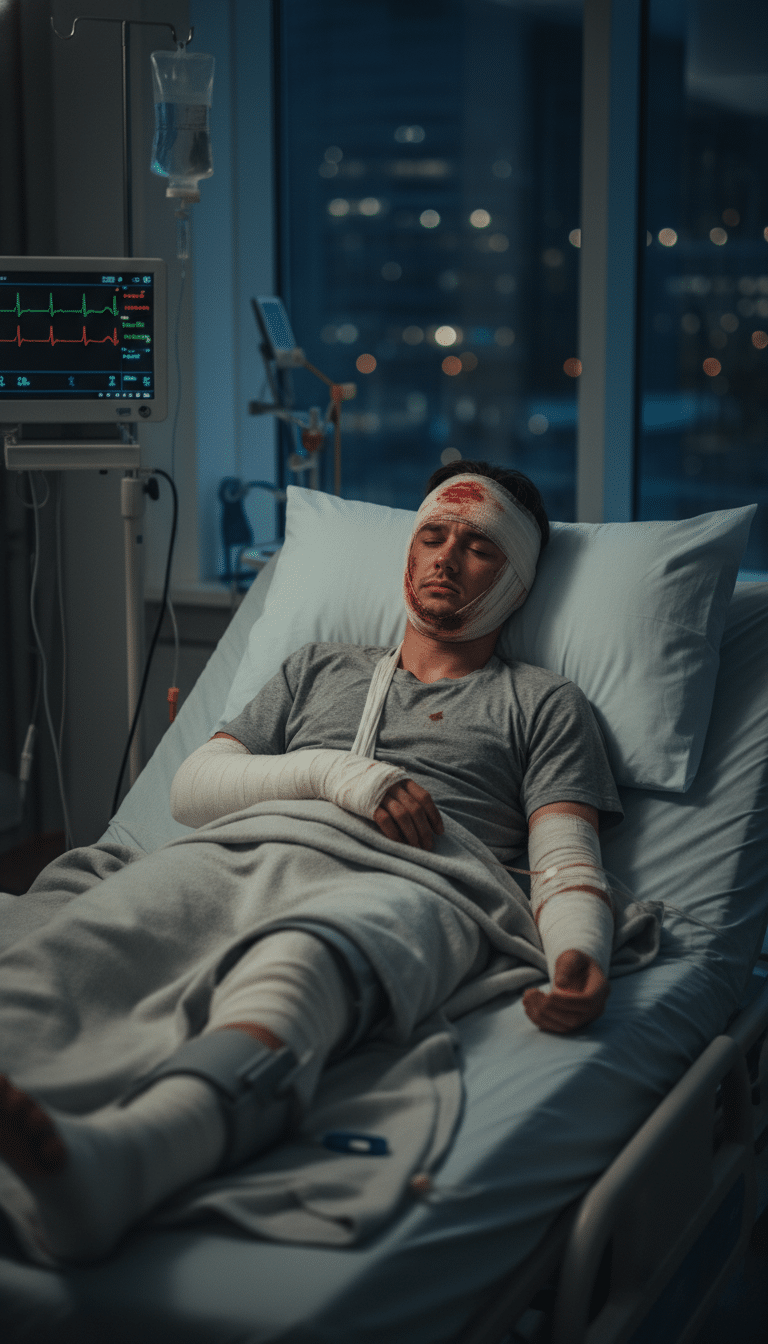
Inadequate security claims are uniquely demanding from both legal and human perspectives in Owasso, OK. When businesses or landlords ignore foreseeable dangers and crime victims pay the price, holding the property owner accountable becomes critical. McKay Law advocates for negligent security victims throughout OK. Inadequate security claims involve complexities beyond ordinary slip-and-fall matters—proving foreseeability, establishing the property owner’s duty, and connecting security failures to the criminal act. Inadequate security claims frequently arise from residential properties, commercial businesses, hospitality venues, and public gathering places. These cases can involve violent attacks, sexual assaults, robberies, and homicides on unsecured properties. Determining liability demands experienced legal work—under premises liability and negligence principles. Our Owasso negligent security attorneys move fast to preserve evidence—police reports of prior crimes on or near the property, surveillance footage, security personnel records, maintenance logs for locks and lighting, witness statements, and property management communications. Complex premises claims demand expert analysis to demonstrate how proper measures would have prevented the attack. We pursue claims against property owners, property management companies, security companies hired to protect the premises, business operators and tenants, hotel and motel franchises, and parent corporations that set security policies. Negligent security cases raise complex insurance questions—with coverage disputes over intentional acts exclusions and additional insured issues. Injuries from negligent security incidents gunshot wounds, traumatic brain injuries from beatings, sexual assault trauma, stab wounds, broken bones, severe psychological injuries including PTSD, and wrongful death. We recover all available damages including hospital costs, ongoing therapy, missed income, suffering, and survivor damages. Property owners and their insurers will fight hard against these claims—you need legal counsel experienced with premises liability litigation. All inadequate security claims is handled on a contingency fee basis—no fees unless we recover. Contact McKay Law today for a free consultation with a Owasso, OK inadequate security attorney who will identify all sources of compensation.
Settlements Won
0
+
Million Dollars Won
0
+
Google 5 Star Reviews
0
+
Negligent Security Lawyer in Owasso, OK | McKay Law
The Basics of Negligent Security Cases
Property owners have a legal duty to protect visitors from foreseeable criminal acts. When inadequate security leads to assaults, robberies, or other criminal acts that injure visitors, legal liability can follow. This is called negligent security. Negligent security cases involve apartment complexes, hotels, parking lots, shopping centers, bars, nightclubs, and other locations where poor security led to crime. McKay Law represents negligent security victims in Owasso and in surrounding communities.
Where These Cases Happen
- Multi-family housing
- Hotel and motel properties
- Shopping centers and malls
- Parking
- Convenience stores
- Bars
- Restaurants
- ATMs
- Banks and financial institutions
- Hospitals
- Commercial offices
- Entertainment venues
- Public transit and bus stops
- Casinos
- Schools
- Self-storage facilities
- Churches
Crime Types
- Beatings and assaults
- Sexual violence
- Robbery
- Carjacking
- Mass shootings
- Firearm assaults
- Stabbings
- Homicide
- Domestic violence
- Drug crimes
- Gang-related criminal acts
- Hate crimes
- Kidnapping
What Makes Security Inadequate
- Poor lighting
- Broken locks and doors
- Lack of or broken cameras
- No security personnel
- Untrained or inadequate security guards
- Lack of fencing or barriers
- No key cards, codes, or controlled entry
- Unmonitored cameras
- Ignoring known risks
- No warnings
- Bad tenant screening
- Not removing dangerous tenants
- Inadequate emergency response procedures
Inadequate Security Standards
Adequate security depends on the situation:
- Foreseeability of crime
- Property type and location
- Crime levels
- Crime type
- Industry standards for similar properties
- Whether reasonable measures would have prevented the crime
Foreseeability of Crime
For these cases to succeed, you must establish that the crime was foreseeable. This is shown through:
- Prior crime statistics at the property
- Prior crime statistics in the surrounding area
- Complaints about security to management
- Prior incidents at the property
- Industry standards
- Specific threats
- Obvious signs of crime around the property
Common Injuries in Negligent Security Cases
- Gunshot injuries
- Knife wounds
- Severe head trauma
- Paralysis from violence
- Broken bones
- Internal injuries
- Permanent visible damage
- Injuries from sexual violence
- PTSD and severe psychological damage
- Diseases transmitted through assault
- Pregnancy from sexual assault
- Long-term physical impairment
- Fatal injuries
Potential Defendants
- Property owners
- Apartment building owners
- Hotel owners
- Shopping center owners
- Property management companies
- Security firms hired by the property
- Bar owners
- Government for public spaces
- Schools
- Employers for workplace violence
What You Must Prove
- A Duty of Care — The defendant owed a duty to provide reasonable security.
- Violation of That Duty — Security was inadequate.
- Foreseeability — Crime was predictable.
- That the Security Failure Caused the Injury — The breach led to the crime.
- Concrete Harm — Economic and non-economic harm.
What Strengthens a Negligent Security Case
- Scene photos
- Video evidence
- Crime reports
- Crime statistics
- Past incidents at the location
- Complaints about security
- Security policies
- Records of security staff and training
- Maintenance records (for lighting, locks, cameras)
- Expert testimony on security standards
- Witness statements
- Industry standards documentation
- Treatment documentation
What Compensation Looks Like
- Healthcare costs
- Lifetime care costs
- Counseling and therapy
- Lost wages and loss of earning power
- Physical and emotional suffering
- The toll on daily life
- Loss of consortium
- Long-term restrictions
- Disfigurement
- Wrongful death damages in fatal cases
- Exemplary damages where conduct was reckless or grossly negligent
Special Considerations for Sexual Assault Cases
Sexual assault cases involve unique considerations:
- Confidentiality available
- Privacy concerns
- Substantial damages
- Severe psychological injury damages
- Ongoing medical and mental health care
- Criminal coordination
- Special trauma-informed representation
Filing Deadline
Oklahoma generally gives two years from the date of the incident to file (Okla. Stat. tit. 12, § 95). Sexual assault cases may have extended deadlines under certain circumstances. For children, the statute may be tolled.
What Working With Us Looks Like
We get to work immediately to lock down video evidence, build foreseeability evidence, secure history of incidents, bring in qualified security experts, coordinate civil and criminal cases, protect client privacy in sensitive cases, partner with treating providers, and build each file for the courtroom from the start.
Common Questions
Q: I was assaulted at an apartment complex — can I file a claim?
A: Possibly — depends on foreseeability and security failures.
Q: What does it cost to hire McKay Law?
A: Nothing upfront. We only get paid if we win.
Q: I was attacked in a parking lot — can the property owner be sued?
A: Possibly — depends on foreseeability and security adequacy.
Q: I was sexually assaulted at a hotel — what’s my claim?
A: Hotels can be liable for sexual assault. Multiple security failures often create liability.
Q: What does “foreseeable” mean?
A: Reasonably predictable. Foreseeability is typically established through prior incidents, neighborhood crime, or specific threats.
Q: My family member was killed in a violent crime — what can we do?
A: Wrongful death cases are available for negligent security deaths.
Q: Should I give the property owner’s insurance a recorded statement?
A: Don’t. Talk to a lawyer first.
Q: Should I preserve evidence at the scene?
A: Yes, if safety permits. Document anything you can.
Q: What is the deadline to file?
A: Two years from the date of the incident (Okla. Stat. tit. 12, § 95). For minors, the deadline may be tolled until age 18.
Recovering Damages From Negligent Security in Owasso, OK
These cases combine premises liability with criminal conduct by third parties. The case targets the property owner, not the attacker. The case is against the property owner who failed to provide adequate security. These cases operate under specific legal doctrines. A local attorney experienced with these claims brings expertise in this specialized corner of premises liability.
Why These Cases Are Legally Distinctive
Holding the Property Owner Responsible for Criminal Acts of Others
The core question in negligent security involves owner responsibility for criminal acts of others.
The general principle is no liability.
Specific exceptions provide liability paths.
The Foreseeability Doctrine
This is the foundational doctrine.
These cases require foreseeability of the criminal act.
Foreseeability requires prior crime evidence.
Special Relationships
Certain relationships create elevated duties for security:
- Property owners to tenants
- Hotels to guests
- Common carrier-passenger relationships
- Business-business invitee relationships
How Foreseeability Gets Established
Prior Crime on the Property
Previous criminal activity on the property provides the strongest foreseeability evidence.
Prior crime evidence should include:
- Crimes documented at the property
- Law enforcement records
- Complaints to the owner
- Security incident reports
Crime in the Surrounding Area
Crime in the surrounding area can establish foreseeability when the surrounding area has documented crime.
Area crime evidence sources include:
- Police-published crime data
- Crime mapping services
- Community crime documentation
Property Owner’s Knowledge
Direct evidence of the property owner’s awareness can establish foreseeability:
- Internal security reports the owner received
- Resident complaints
- Owner statements
- Insurance underwriting documents identifying risk
Inherent Nature of the Property
Some properties have inherently elevated security risks:
- Bars and nightclubs
- High-volume retail in late hours
- Apartment complexes
- Crime-area hotels
- Parking facilities
- Financial facilities
- Convenience stores in dangerous locations
Types of Negligent Security Cases
Robbery and Theft
Robbery incidents.
Assault and Battery
Assault incidents.
Sexual Assault
Sexual assault in hotels, apartment complexes, garages, and other premises.
These are particularly serious cases.
Shooting Incidents
Gun violence incidents involve specific issues.
Mass Shooting and Active Shooter Incidents
Mass casualty events may create negligent security liability.
Apartment Complex Violence
Multi-family housing crime drives many cases.
Hotel Crime
Lodging-related crime can support negligent security claims.
Parking Lot and Garage Incidents
Parking facility crime is a recurring case category.
Workplace Violence
Workplace violence where premises owners failed to provide security.
What Adequate Security Actually Looks Like
Adequate security depends on the property and the specific risk profile.
Elements of adequate security typically include:
Lighting
Proper lighting.
Poor lighting drives many security failures.
Surveillance Cameras
Operational camera coverage.
Cameras must function:
- Properly positioned to cover risk areas
- Operational
- Maintained
- Actively monitored where applicable
Security Personnel
On-site security, particularly for risk-elevated properties.
Access Control
Entry restrictions.
Locking Systems
Working locks.
Communication Systems
Emergency communications, including alarm systems.
Landscaping and Maintenance
Landscaping that doesn’t create concealment opportunities.
Policies and Training
Security procedures, Training programs, Response procedures.
Common Security Failures
Inadequate Lighting
Inadequate lighting for criminals.
Broken or Non-Functional Cameras
Non-functional cameras provide no security benefit.
Inadequate Security Personnel
Insufficient security staff given the actual risk profile.
Failure to Implement Recommended Security
Property owners who received security assessments but failed to implement recommendations may face punitive damages.
Failed Access Controls
Broken access controls.
Untrained Security Staff
Untrained security personnel.
Ignored Complaints
Property owners who received complaints about crime but failed to respond face heightened liability.
Damages in Negligent Security Cases
Compensation in these cases include:
Medical Costs
Emergency and trauma care, Operating costs, Inpatient care, Rehabilitation costs, ongoing medical care, Psychological care.
Lost Wages and Earning Capacity
Past and future income loss and reduced earning ability.
Pain and Suffering
Pain and suffering damages.
Mental Health Damages
Mental health damages drive significant damages.
Loss of Enjoyment of Life
Daily life impacts.
Loss of Consortium
Relationship effects.
Wrongful Death
For fatal cases.
Punitive Damages
Exemplary damages are particularly common, especially where:
- Owner-known criminal pattern
- Property owner received and ignored security recommendations
- Security personnel failure
- Reckless disregard for safety
Who Can Be Held Liable?
Property Owner
Owners are primary defendants.
Property Management Company
Property managers may share fault.
Security Company
Companies contracted to provide security can face direct liability for inadequate security.
Premises Owners and Operators
Owners and operators can share liability.
Franchisors
For franchised establishments (hotels, restaurants, etc.), franchisors may face liability in some circumstances.
Common Insurance Defenses
“The Crime Wasn’t Foreseeable”
The primary defense.
Defense argues the criminal act was unforeseeable. Documentation of prior crime defeats this defense.
“We Provided Reasonable Security”
Defense argues the security provided was reasonable.
“Security Failures Didn’t Cause the Crime”
“Better security wouldn’t have prevented this”.
“The Plaintiff Was at Fault”
Plaintiff conduct defenses.
“The Criminal Is Solely Responsible”
Sole-criminal-responsibility arguments. This argument generally fails because liability can rest on the property owner regardless of the criminal’s responsibility.
Critical Steps After a Negligent Security Incident
Report to Law Enforcement
Make sure police are called. Police reports are essential.
Get Medical Attention Immediately
Prompt medical evaluation protects the claim.
Document Everything About the Property
Comprehensive property documentation.
Note Security Failures Observed
Security deficiencies.
Photograph the Property
Visual evidence of every relevant detail.
Identify Witnesses
Bystanders.
Don’t Wait to Investigate Crime History
Prior crime evidence require investigation.
Get Mental Health Treatment
Mental health care often require significant treatment.
Don’t Speak With Property Owner Insurers Without Counsel
Property owner insurers contact quickly. Statements without counsel can permanently damage the case.
Attorney Costs
Negligent security attorneys earn fees only on recovery. Specialty expertise costs advanced by the firm.
Move Quickly
These cases require quick action.
Surveillance footage gets overwritten quickly.
Security personnel may leave employment requiring prompt investigation.
Property owners often change security after incidents, providing evidence of prior inadequacy.
The legal time limit continues running.
Engaging counsel right away positions the case for the substantial recovery these cases can produce when properly built.
McKay Law Is Your Owasso Advocate After A Negligent Security Accident
When a robbery happens in a parking lot, hotel hallway, apartment complex, or store, the criminal is rarely the only one responsible. Property owners have a responsibility to provide reasonable security for everyone they invite onto their premises — and when they disregard that duty, foreseeable crimes happen and innocent people get hurt. Negligent security claims emerge when a property had a history of prior crimes that should have prompted action, when known hazards like broken locks, dead security cameras, burned-out parking lot lights, missing security personnel, and unsecured access points were ignored, and when reasonable measures — proper lighting, working surveillance, trained guards, access controls — would have stopped the attack. At McKay Law, we tackle these cases by examining the property’s crime history, prior complaints to management, security audits, police call records, and the owner’s response — or non-response — to known risks. We retain security experts, crime prevention specialists, and former law enforcement to establish exactly what a reasonable owner would have done and why this owner didn’t measure up.
Apartment complexes, hotels, parking garages, shopping centers, bars and nightclubs, ATMs, gas stations, college campuses, and event venues all carry significant legal responsibility for the safety of the people they invite onto their property. When you join the McKay Law family, we pursue compensation that captures the full scope of what was taken from you — physical and emotional. We pursue maximum compensation for emergency care, surgeries, hospitalization, ongoing rehabilitation, future medical needs, prescription costs, counseling and psychiatric care for trauma and PTSD, missed paychecks, diminished earning ability, the life-altering fear, anxiety, and emotional aftermath of being assaulted in a place that was supposed to be safe — and in the most heartbreaking cases, the wrongful death of a precious life. Reach us right away at (866) 679-9651 or reach out online to book your free, confidential consultation and get a firm that considers crimes against innocent victims with the seriousness they deserve on your side.
Video Testimonials






