

“Labor Omnia Vincit” McKay Law
Piedmont, OK Drugged Driving Accident Lawyer
Driving under the influence of drugs has become a growing crisis on Oklahoma roads in Piedmont, OK. When a motorist drives while impaired by any substance, the consequences can be catastrophic. McKay Law fights for victims of drugged driving crashes throughout OK. Drugged driving involves illicit drugs, prescription pills, marijuana, and legal medications used improperly. Drugs of any kind can seriously compromise a driver’s ability to operate a vehicle safely. Common drug-impaired driving crashes include high-speed wrecks, fatal head-on collisions, and catastrophic intersection crashes. Our Piedmont car accident attorneys know how to prove drug impairment. We preserve essential records—the proof needed to establish impairment caused the crash. A conviction creates powerful evidence for your case—but a civil claim doesn’t require a conviction. Liable parties may also include third parties who contributed to or enabled the impairment. Injuries from drugged driving crashes TBIs, paralysis, multiple fractures, chronic pain, and fatalities. We pursue full compensation including medical bills, future care, lost wages, lost earning capacity, pain and suffering, mental anguish, and wrongful death damages. Drugged driving often supports punitive damages—because the conduct rises beyond simple negligence to reckless behavior. Adjusters defending these cases often acknowledge fault but lowball the settlement—we counter with hard evidence and demand the full value of your case. Every client we represent is handled on a no-win, no-fee basis—no fees unless we recover. Contact McKay Law today for a no-cost case review with a Piedmont, OK drugged driving accident lawyer who will fight for the full recovery you and your family deserve.
Settlements Won
0
+
Million Dollars Won
0
+
Google 5 Star Reviews
0
+
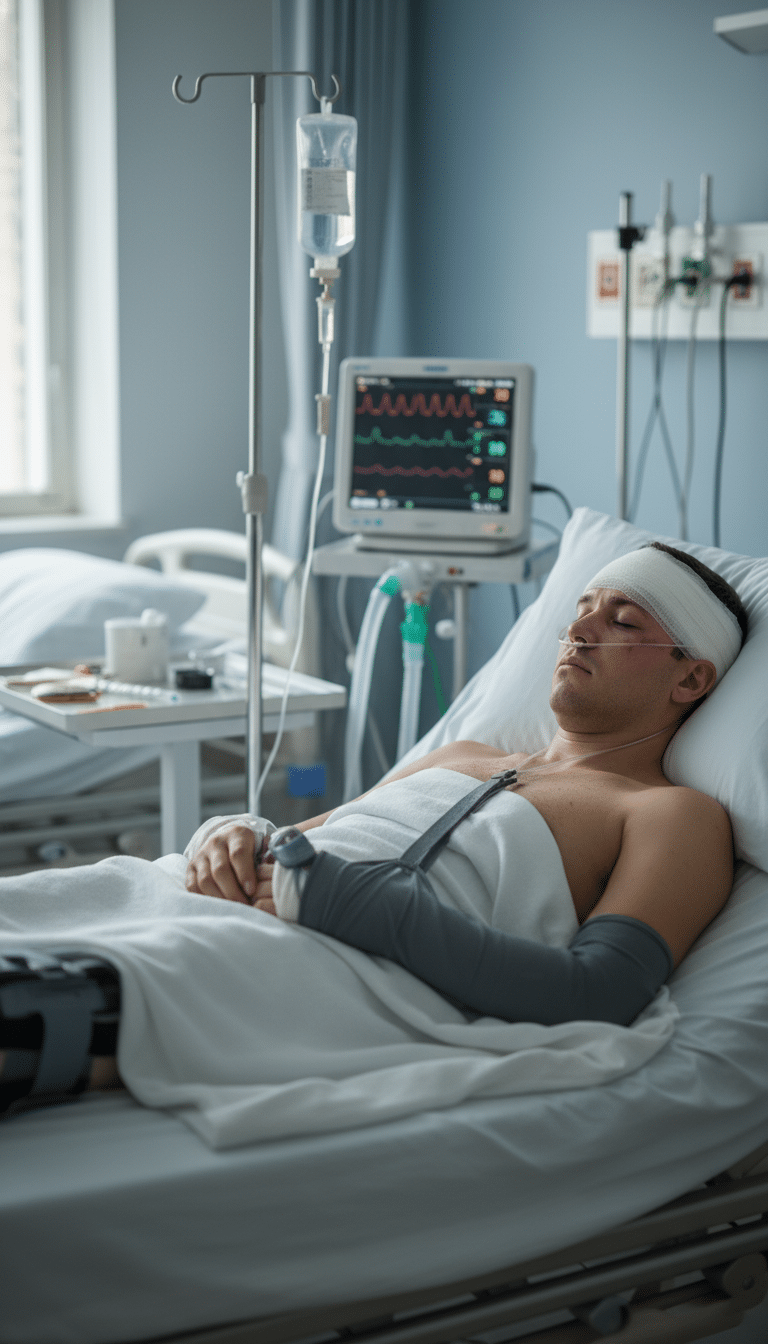
Drugged Driving Accident Lawyer in Piedmont, OK | McKay Law
Understanding Drugged Driving Accident Claims
Driving under the influence of drugs is every bit as deadly as drunk driving but often more difficult to detect and prove. Whether the drugs are illegal (marijuana, methamphetamine, cocaine, heroin) or legitimately prescribed but impairing, driving under the influence of any impairing substance is a serious threat to public safety. McKay Law advocates for drugged driving accident victims in Piedmont and in surrounding communities.
Common Drugs That Cause Impaired Driving
Illicit substances:
Cannabis
Methamphetamine
Powdered cocaine
Opiates
Ecstasy
Hallucinogenic drugs
PCP
Prescription drugs:
Prescription opioids
Benzos
Sleeping pills
Muscle relaxants
Mental health medications
Allergy medications
ADHD medications
Non-prescription medicines:
Cold and cough remedies
Sleep aids
OTC allergy medicine
The Effects of Drugs on Driving
- Slower response to road conditions
- Compromised driving judgment
- Difficulty controlling the vehicle
- Falling asleep at the wheel
- Seeing things that aren’t there
- Inability to track moving objects
- Impaired vision
- Aggressive or erratic driving
- Loss of consciousness
- Drifting between lanes
Oklahoma DUID Statutes
Oklahoma’s DUI statute covers drug impairment (Okla. Stat. tit. 47, § 11-902). It is illegal to drive:
- While impaired by drugs
- With any detectable Schedule I drug
- While polyimpaired
Oklahoma has a per se law for some drugs — where detectable presence equals impairment.
Common Injuries From Drugged Driving Crashes
Drugged driving crashes are often catastrophic because drugs prevent normal defensive driving:
- Traumatic brain injuries
- Permanent paralysis
- Crushing trauma
- Multiple fractures
- Internal organ damage
- Traumatic amputations
- Fire and burn injuries
- Cervical strain
- PTSD and anxiety
- Fatal injuries
How We Prove the Other Driver Was Impaired
- Police reports and field sobriety test results
- Drug Recognition Expert (DRE) reports
- Blood and urine test results
- Hospital toxicology screens
- Criminal court records
- Testimony about the driver’s behavior
- Recordings of erratic driving
- Prior DUI history
- Records of impairing prescriptions
- Cell phone records and social media
- Open containers or drug paraphernalia at the scene
- EDR readouts on driver behavior
Who Can Be Held Liable in a Drugged Driving Crash
- The driver under the influence
- Their employer in commercial driver cases
- A bar or restaurant in Oklahoma dram shop cases involving combined alcohol and drug impairment
- Sources of illegal drugs in limited situations
- Pharmacies that improperly dispensed medications
- Healthcare providers negligently prescribed impairing medications
- The owner of the vehicle where the owner let an impaired person drive
Parallel Criminal and Civil Proceedings
Drugged driving crashes typically result in both criminal prosecution and civil lawsuits. They operate on different tracks:
- Criminal case — the district attorney brings charges
- Civil lawsuit — victims pursue financial recovery
Convictions in the criminal case can be powerful evidence in the civil case. Even when criminal charges are dropped, the civil case can still win.
Building the Evidence
- Duty — There was a duty to drive without impairment.
- Breach — The driver drove while impaired.
- Causation — Impairment led to the impact.
- Quantifiable Losses — The full financial and personal toll.
Recovery for Victims
- Past and future medical expenses
- Ongoing rehabilitation expenses
- Lost wages and reduced earning capacity
- Damage to belongings
- Non-economic damages
- Diminished quality of life
- Loss of companionship
- Survivor damages for surviving family
- Punitive damages
Punitive Damages in Drugged Driving Cases
Punitive damages are commonly available in these cases because the conduct is so egregious. Punitive awards send a message and deter similar conduct.
Filing Deadline
The deadline in Oklahoma is two years from the date of the crash to file (Okla. Stat. tit. 12, § 95). Fatal crash claims also follow two-year limit.
How McKay Law Approaches Drugged Driving Cases
We act fast to secure all evidence of impairment, work with the criminal case when helpful, engage specialized experts on drug impairment, push for exemplary damages where conduct justifies it, map every available source of recovery, and treat each matter as trial-ready.
Common Questions
Q: How do you prove the other driver was on drugs?
A: Drug testing, officer observations, witnesses, and criminal charges.
Q: What does it cost to hire McKay Law?
A: Nothing. No fee unless we recover.
Q: The other driver was charged with DUI — does that help my case?
A: Yes. DUI charges and convictions strongly support civil claims.
Q: The other driver was on a prescription drug, not illegal drugs — can I still recover?
A: Definitely. Driving impaired is illegal regardless of whether the drug was prescribed.
Q: Can I get punitive damages?
A: Frequently, yes. These cases often justify punitive damages.
Q: Should I give the insurance company a recorded statement?
A: No. Talk to a lawyer first.
Q: What if criminal charges are dropped?
A: You can still pursue civil recovery.
Q: What is the deadline to file?
A: 2 years from the date of the crash (Okla. Stat. tit. 12, § 95). Act quickly — drug-related evidence has time limits.
Compensation After a Drug-Impaired Driver Crash in Piedmont, OK
Drugs are involved in more fatal crashes than alcohol in many recent studies. Yet drugged driving cases are systematically harder to prove than DUI cases. Insurers and defense counsel know this and exploit the proof gaps. A Piedmont drugged driving accident lawyer builds these cases around the actual evidence available.
Drugged Driving Isn’t Just Illegal Drugs
The widespread misunderstanding is that drug impairment requires illegal substances. That’s incorrect.
Prescription Medications
Common prescription drugs can cause impairment. Examples include:
- Pain medications
- Benzodiazepines (Xanax, Valium, Ativan, Klonopin)
- Hypnotic medications
- Muscle relaxants (Soma, Flexeril, Robaxin)
- Mental health prescriptions
- Allergy medications
- Prescription stimulants
- Migraine medications
- Seizure prevention drugs
Over-the-Counter Medications
Non-prescription medications can be drugged driving substances:
- First-generation antihistamines
- Dextromethorphan (DXM) in cough medicines
- Sleep aids (Tylenol PM, Nyquil)
- Anti-nausea OTCs
Recreational Drugs
Illegal and recreational substances include marijuana products, stimulant drugs, meth, heroin and other opioids, hallucinogens (LSD, psilocybin, others), designer drugs, ketamine and PCP, and inhalants.
Why Drugged Driving Cases Are Harder to Prove Than DUI Cases
No Equivalent of the .08 BAC Standard
For alcohol, there’s a clear legal limit. There’s no analogous “limit” for most drugs. Marijuana per se laws exist in some states, but the scientific basis for these limits is debated.
For most drugs, prosecutors and plaintiffs’ attorneys must prove actual impairment.
Detection Difficulties
Lab tests reveal drug presence, but detection of presence doesn’t equal proof of impairment.
Marijuana metabolites can be detected for days or weeks after use. This creates significant scientific and legal challenges.
Different drugs metabolize differently. Some are detectable only briefly, some last longer in the system.
Testing Isn’t Routine
Alcohol testing happens automatically in many crash scenarios. Drug testing is less standardized. Without testing, the impairment case requires alternative proof.
Drug Recognition Experts (DREs)
DREs can identify drug impairment through systematic evaluation. DRE evaluations support drug impairment findings when conducted. DRE availability varies.
Defense Challenges
Drug impairment cases face vigorous defense:
- “Presence isn’t impairment”
- Testing methodology challenges
- Prescription drug defenses
- “There’s no proof of impairment at the actual time of driving”
How These Cases Get Built
Toxicology Evidence
When blood, urine, or other testing occurred, lab results are key evidence.
That said, toxicology must be interpreted carefully. Qualified pharmacology experts help connect the test results to actual impairment.
Observable Impairment
Witness descriptions provide critical evidence of actual impairment.
Common signs include:
- Verbal impairment
- Visual signs
- Physical coordination problems
- Behavioral indicators
- Drowsiness or unconsciousness
- Erratic driving patterns observed before the crash
- Failure of field sobriety tests
- Body signs of intoxication
Pre-Crash Driving Behavior
Pre-crash driving descriptions help establish impairment. Specific pre-crash driving patterns can support impairment findings.
Criminal Charges
Driver’s criminal liability can establish key elements as a matter of law. Guilty pleas may create issue preclusion.
Driver Statements and Admissions
Statements to police carry substantial weight.
Medical Records
Medical history can show relevant drug history.
Vehicle Evidence
Drugs, paraphernalia, or related materials in the vehicle support drug-impairment claims.
Punitive Damages and Drugged Driving
These cases often involve egregious conduct supporting punitive damages. Choosing to drive while drug-impaired frequently meets the punitive standard.
Exemplary damages add significant value in serious drugged driving cases.
Common Insurance Defenses
“There’s No Proof of Impairment”
The defining defense. Detection-doesn’t-equal-impairment arguments.
“The Medication Was Taken as Prescribed”
For prescription drug cases, Prescription compliance defense. Following a prescription doesn’t preclude impairment-based liability. Legal prescription use can still cause impairment.
“Comparative Fault”
Comparative negligence claims.
“The Crash Wasn’t Caused by Drug Impairment”
Defense argues other factors caused the crash. Forensic analysis of impairment-crash connection establishes causation.
Critical Steps After a Drugged Driving Crash
Get the Police Report
Insist on official documentation. Note impairment observations.
Document Witness Observations
People who saw the impaired driver before or at the scene can establish impairment when toxicology is unavailable.
Preserve the Vehicle Evidence
Items found in the other driver’s vehicle can support drug impairment claims.
Document Driver Statements
Anything the other driver said at the scene.
Photograph the Scene
Photograph everything relevant.
Get Medical Attention Immediately
Quick medical attention establishes the injury timeline.
Track the Criminal Case
Any criminal case can substantially support the civil case.
Don’t Wait to Get Legal Help
Critical evidence needs prompt action.
Damages Available
Recoverable losses include the standard auto crash damages plus enhanced damages potential:
- Past and future medical expenses
- Lost wages
- Reduced ability to work
- Out-of-pocket vehicle costs
- Non-economic damages
- Loss of consortium
- Punitive damages — often substantial in drug-impaired driving cases
Dram Shop and Third-Party Liability
For prescription drug scenarios, other parties may share fault. Healthcare providers who prescribed medications without adequate warnings about driving can support claims against the prescriber.
Attorney Costs
Counsel handling these cases charge no upfront fees. First meetings carry no charge. Specialty expertise costs paid by the firm and recovered at resolution.
Move Quickly
Drug detection windows complicate evidence preservation. Investigation records become harder to obtain. The legal time limit sets a hard cutoff. Contacting a Piedmont drugged driving accident attorney quickly positions the claim for the full recovery these cases can produce.
McKay Law Is Your Piedmont Advocate After A Drugged Driving Accident
A driver compromised by drugs is equally hazardous as one impaired by alcohol — and in plenty of cases, even more erratic. Prescription narcotics, sleep medications, anti-anxiety drugs, marijuana, cocaine, methamphetamine, and the growing category of synthetic substances all impair judgment, delay reaction times, skew perception, and trigger the kind of behind-the-wheel decisions that wreck innocent lives. As opposed to alcohol, which can be measured with a roadside breathalyzer, drug impairment typically calls for blood testing, drug recognition expert evaluation, and toxicology analysis to confirm. At McKay Law, we move quickly to secure the police report, body cam footage, toxicology results, prescription history, and field sobriety evidence that pinpoints the chemically compromised condition of the driver who hit you — and we partner with toxicology professionals and toxicologists when expert testimony is required to seal the case.
Impaired driving lawsuits regularly create the opportunity to punitive damages on top of standard compensation, because the driver’s choice to drive a vehicle while intoxicated reaches the level of willful negligence. When you come into the McKay Law family, we don’t simply settle for the smallest offer — we investigate whether a bar, dispensary, dealer, or employer played a role the situation, whether the driver had prior offenses, and whether more parties share liability for placing an impaired driver out in traffic. We fight for the highest possible compensation for emergency care, surgeries, hospitalization, ongoing rehabilitation, future medical needs, prescription costs, missed paychecks, loss of livelihood, vehicle replacement, the physical and emotional trauma of surviving a crash like this — and in the most severe cases, the wrongful death of someone you loved. Phone us right away at (866) 679-9651 or get in touch online to set up your free consultation and bring a firm that makes impaired drivers fully accountable on your side.
Video Testimonials






