

“Labor Omnia Vincit” McKay Law
Ponca City, OK Elevator Accident Lawyer
Incidents involving elevators cause serious and sometimes fatal injuries in Ponca City, OK. When negligent maintenance leads to elevator failure, innocent people can be severely hurt. McKay Law advocates for elevator accident victims throughout OK. These incidents typically involve sudden drops or falls, doors closing on passengers, mis-leveling where the car doesn’t align with the floor causing trip-and-falls, sudden jolts or stops, doors opening when no car is present resulting in shaft falls, mechanical failures during use, entrapment, and freight elevator accidents in workplaces. Those responsible for elevators are required by law to properly inspect, maintain, and repair elevators—requiring regular inspections and prompt repairs. When elevator owners cut corners on maintenance and someone gets hurt, McKay Law is here to pursue compensation. Common causes of elevator failures include deferred or skipped maintenance, defective components, improper installation, worn cables and pulleys, failed door sensors, faulty brakes, electrical problems, code violations, and inadequate inspections. Liable parties may include the building owner, property management company, elevator maintenance contractor, elevator manufacturer, parts manufacturers, elevator installation companies, and inspection contractors. Our Ponca City elevator accident attorneys move fast to preserve evidence—the physical evidence, maintenance records, and any documentation of known problems with the elevator. We partner with elevator industry experts and engineering professionals to establish the cause and the parties at fault. Common harm in these incidents head trauma, back injuries, crush injuries, and life-altering disabilities. We fight for every dollar including medical bills, future care, lost wages, lost earning capacity, pain and suffering, mental anguish, and wrongful death damages. Property managers and the corporations behind them often point fingers between owners and maintenance contractors—we pursue every responsible party. Every client we represent is handled on a no-win, no-fee basis—no fees unless we recover. Reach out to McKay Law right away for a complimentary evaluation with a Ponca City, OK elevator accident lawyer who will hold every responsible party accountable.
Settlements Won
0
+
Million Dollars Won
0
+
Google 5 Star Reviews
0
+
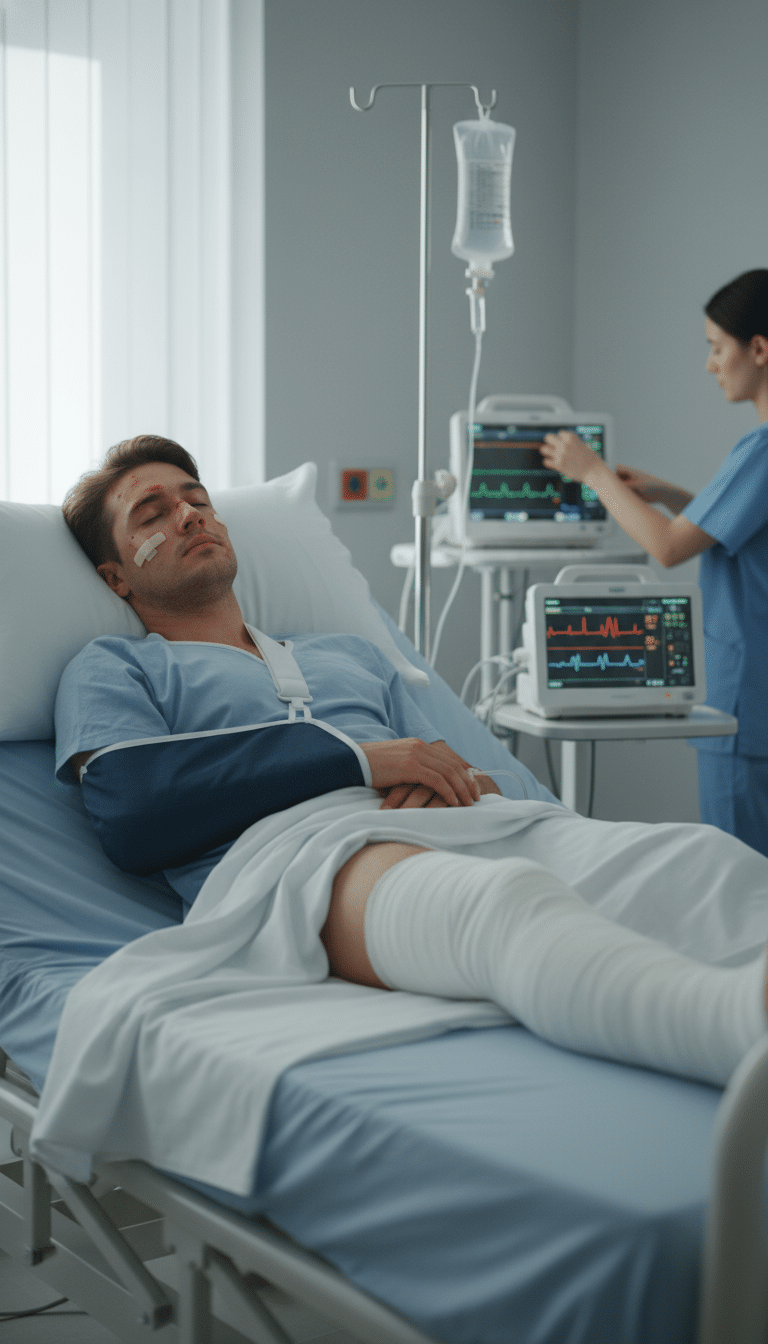
Elevator Incident Legal Counsel in Ponca City, OK | McKay Law
The Basics of Elevator Accident Cases
Properly maintained elevators are extremely safe. When maintenance, design, or installation fails, the consequences can be devastating. Sudden drops, doors that close on passengers, mis-leveling, mechanical failures, and even falls down elevator shafts cause serious injuries every year. Oklahoma has thousands of elevators in commercial buildings, apartments, hotels, and offices, and any failure in the system can produce serious injuries. McKay Law represents elevator accident victims in Ponca City and in surrounding communities.
Common Types of Elevator Accidents
- Free-fall incidents — cable or brake failures causing falls
- Mis-leveling accidents — elevators stopping above or below the floor, causing trip-and-fall injuries
- Door-related injuries — door failures causing serious injuries
- Shaft falls — falls into empty shafts when doors malfunction
- Sudden movement incidents — jolting stops causing falls and injuries inside the car
- Trapped passengers — getting stuck in elevators
- Mechanical failures — general mechanical malfunctions
- Power and electrical problems — electrical malfunctions
How These Incidents Occur
- Inadequate maintenance
- Inspection failures
- Manufacturing defects
- Improper installation
- Cable defects
- Defective or failed brakes
- Failed governors
- Safety device malfunctions
- Failure to comply with elevator codes
- Negligent inspections
- Exceeding capacity
- Power outages and electrical failures
- Improper modernizations
- Defective control systems
Typical Elevator Injuries
- Severe head trauma
- Permanent paralysis
- Bone breaks
- Internal organ damage
- Injuries from being crushed by doors or in shafts
- Traumatic amputations
- Severe cuts
- Foot, ankle, and leg crush injuries
- Hand, wrist, and arm crush injuries
- Soft-tissue neck damage
- Psychological trauma and PTSD
- Wrongful death
Who Can Be Held Liable in an Elevator Accident
Multiple parties may share responsibility:
- The landowner
- The management firm
- The elevator manufacturer
- The elevator installer
- Companies servicing the elevator
- Inspection contractors
- The elevator modernization contractor
- Parts makers
- A government entity
How Elevators Are Regulated
Elevators are regulated by specific safety codes:
- The primary national elevator safety code
- ASME A17.3 for existing elevators
- Oklahoma elevator code
- Municipal codes
- OSHA rules for workplace elevators
Code violations are powerful evidence of negligence.
Building the Evidence
- Legal Obligation — A legal duty applied.
- Breach — Safety standards weren’t met.
- That the Failure Caused the Accident — The breach caused the elevator accident and your injuries.
- Quantifiable Losses — Economic and non-economic harm.
What Strengthens an Elevator Case
- All service records
- Inspection reports
- Records of installation
- Documentation from the elevator manufacturer
- Code compliance documentation
- Records of previous problems with the elevator
- Prior complaint records
- Photos and video of the equipment
- Video of the accident
- The elevator equipment itself
- Expert engineering analysis
- Testimony from people present
- Medical records
Damages Available
- Medical bills, past and future
- Ongoing rehabilitation expenses
- Lost income and loss of earning power
- Physical and emotional suffering
- Diminished quality of life
- Lasting disability
- Psychological treatment
- Loss of consortium
- Wrongful death damages when the accident was fatal
- Punitive damages when warranted
Time Limits to Be Aware Of
Oklahoma generally gives 2 years from the date of the incident to file (Okla. Stat. tit. 12, § 95). Workers’ comp has separate time limits. Elevator cases demand fast action because preserving the failed equipment is essential.
What Working With Us Looks Like
We act fast to secure the equipment before repairs, engage specialized elevator engineering experts, identify all potentially liable parties, obtain all elevator documentation, partner with healthcare providers, and build each file for the courtroom from the start.
Common Questions
Q: Who is liable when an elevator accident happens?
A: Multiple parties. Fault often extends across the entire elevator service chain.
Q: What does it cost to hire McKay Law?
A: Nothing. No fee unless we recover.
Q: I tripped because the elevator wasn’t level with the floor — can I file a claim?
A: Definitely. Floor-level mismatches are a recognized basis for elevator injury claims.
Q: The elevator doors closed on me — what’s my claim?
A: You have a claim. Door sensors and safety devices must work properly to prevent this — failure indicates defective equipment or maintenance.
Q: I was trapped in an elevator — can I sue?
A: Maybe — depends on the facts. Entrapment cases with significant injuries or psychological trauma have value.
Q: Should I preserve the elevator condition?
A: Critical. Don’t let the building owner or maintenance company repair the equipment before we inspect.
Q: Should I give the building owner’s insurance a recorded statement?
A: No. Talk to a lawyer first.
Q: What is the deadline to file?
A: Two years from the date of the incident (Okla. Stat. tit. 12, § 95). Workers’ comp has different deadlines.
Compensation After an Elevator Injury in Ponca City, OK
Elevators are statistically safer than stairs. But when something goes wrong, the injuries can be catastrophic. And the cases involve a legal framework most people don’t understand. A Ponca City elevator accident lawyer builds these claims around the actual law that controls them.
Why Elevator Cases Are Different From Standard Premises Liability
Common Carrier Doctrine
Elevators are classified as common carriers in many jurisdictions. Common carrier status creates heightened legal duty.
The standard significantly exceeds ordinary negligence. This standard covers the operator, the building owner, the maintenance company, and others involved in elevator operations.
This elevated standard transforms these cases legally.
Strict Liability for Manufacturers
For elevator manufacturer defects, strict product liability typically applies. The negligence question is bypassed.
Detailed Code Requirements
Elevators are governed by detailed safety codes. ASME standards establishes detailed safety requirements. Failures to meet ASME standards create strong liability foundations.
Types of Elevator Accidents
Sudden Drops or Free Falls
Free fall incidents are uncommon because of redundant safety mechanisms. When these failures happen require multiple safety mechanisms to have failed simultaneously.
Sudden Stops and Jolts
Far more common than free falls. Elevators stopping abruptly can cause whiplash, falls inside the elevator, fractures.
Mis-Leveling Accidents
Mis-leveled stops create stumble and fall injuries. Minor floor offsets cause significant trip-and-fall incidents.
Door Accidents
Elevator door malfunctions are a major source of elevator claims. Common scenarios include:
- Pinching by closing doors
- Doors opening into shaft openings
- Door safety sensor malfunctions
- Doors opening while in motion
Falls Into Elevator Shafts
Shaft falls produce severe injuries or death. These can occur when service technicians fall during maintenance.
Passengers Trapped in Stuck Elevators
Being trapped in a stuck elevator can cause injuries from extended confinement. Attempted self-rescue can produce serious injuries.
Escalator Accidents
Escalators fall under similar safety standards but have different mechanisms and injury patterns.
Common escalator accidents include clothing or body parts caught in moving parts, falls from height on stopped or moving escalators, handrail accidents, and directional changes.
Common Causes of Elevator Accidents
Maintenance Failures
Service failures account for the majority of elevator injury cases. Insufficient maintenance frequency leads to preventable accidents.
Improper Maintenance
Improper service procedures can leave elevators in dangerous conditions.
Manufacturing Defects
Design flaws can cause equipment-related incidents.
Component Wear
Aging components can cause aging-related failures.
Improper Modernization
System updates that aren’t completed correctly can create new hazards.
Inspection Failures
Required elevator inspections can be skipped, leaving dangerous conditions unaddressed.
Overloading
Exceeding weight limits can cause sudden failures.
Who Can Be Held Liable?
Elevator accident cases often involve multiple defendants.
Building Owners
The owner of the building where the elevator is located carries the primary duty.
Property Managers
Property management companies can share liability for inadequate elevator oversight.
Elevator Maintenance Companies
Maintenance contractors may bear primary responsibility for defective service.
Elevator Manufacturers
Elevator producers face strict liability for product defects.
Elevator Inspectors
Compliance inspectors can face negligent inspection claims.
Architects and Engineers
Architects and engineers who designed buildings or elevator installations can face claims for design failures.
Modernization Contractors
Upgrade contractors carry exposure for improper installation.
Government Entities
Government property, special claim procedures govern.
Common Insurance Defenses
“It Was Properly Maintained”
“We did everything right”. Detailed maintenance documentation analysis can reveal gaps, deferred maintenance, or inadequate service.
“The Plaintiff Caused Their Own Injury”
“You contributed to the accident”. OK’s comparative fault rules may reduce — but typically won’t eliminate — recovery.
“The Accident Was Unforeseeable”
Foreseeability challenges. Redundant safety systems exist precisely to prevent accidents undermining this argument.
“Code Compliance Means Reasonable Care”
“We met the standards”. Meeting minimum standards doesn’t necessarily satisfy the common carrier duty.
Critical Evidence in Elevator Cases
Maintenance Records
Maintenance documentation are case-defining. All maintenance documentation reveal compliance or violations.
Inspection Records
Government and private inspection records document the elevator’s regulatory history.
Modernization and Repair Records
Records of past modernization, repairs, and component replacements provide context for the elevator’s current condition.
The Elevator Itself
Physical elevator evidence must be preserved. Post-incident, operators move to repair fast. Restoration without inspection eliminate the case foundation.
Surveillance Footage
Video evidence may capture the incident. Footage gets overwritten quickly so preservation must be quick.
Building Codes and Standards
Applicable codes and standards define proper elevator safety.
Expert Testimony
Expert witnesses are essential to these cases.
Critical Steps After an Elevator Accident
Get Medical Attention Immediately
Even without obvious harm, same-day medical care is critical. Hidden injuries are common.
Report the Incident
Notify the building owner or operator. Get the report number and contact information.
Photograph the Scene
Visual evidence of every relevant detail.
Identify Witnesses
Other passengers may have crucial information.
Document the Building and Elevator
Identifying information.
Don’t Let the Elevator Be Repaired Without Inspection
Restoration before inspection damages the case. Fast attorney involvement protect the case foundation.
Track Maintenance Records
Through preservation letters and discovery, request elevator maintenance records.
Don’t Speak With Insurance Adjusters Without Counsel
Adjusters from multiple companies. Recorded statements before consulting an attorney create problematic admissions.
Damages Available
Compensation in these cases include:
- Hospitalization, surgical, and rehabilitation costs
- Past and future income loss
- Diminished earning capacity
- Non-economic damages
- Psychological care
- Compensation for fatal incidents
- Punitive damages where known dangers were ignored
Insurance Considerations
Most elevator accident cases involve commercial liability insurance. Commercial general liability responds to these claims.
Recovery may flow from multiple sources, including the maintenance company’s coverage.
Attorney Costs
Elevator injury lawyers charge no upfront fees. Expert costs run high reimbursed from the recovery.
Move Quickly
Elevator accident cases turn on evidence with time-sensitive preservation issues. Equipment gets modified. Surveillance footage require quick preservation. Operational records need formal preservation demands. Filing deadlines applies regardless. Contacting a Ponca City elevator accident attorney quickly triggers preservation steps.
McKay Law Is Your Ponca City Advocate After A Elevator Accident
We board elevators multiple times a day without hesitation — until the moment one lurches and reminds us the degree can go wrong with a machine that hangs us between floors. Elevator incidents happen when lift cables snap, doors close on passengers, cars fail to align with the floor and create dangerous tripping hazards, uncontrolled drops or freefalls injure occupants, brakes malfunction, and passengers become trapped for hours in stalled cars. At the heart of almost every elevator incident is a preventable failure: missed inspections, deferred maintenance, ignored service warnings, code violations, faulty design, or a maintenance contractor who cut corners on a routine service call. At McKay Law, we manage elevator cases by teaming up with elevator engineers, mechanical inspectors, building code experts, and accident reconstructionists who can obtain maintenance logs, inspection reports, modernization records, and the elevator’s internal control data to establish exactly what failed and who is accountable.
These cases regularly include multiple defendants — the building owner, the property management company, the elevator manufacturer, the maintenance contractor, and any inspector who signed off an elevator that wasn’t truly safe. When you become part of the McKay Law family, we waste no time to secure the elevator itself, its service history, and any surveillance footage before the trail goes cold. We chase full compensation for emergency care, surgeries, hospitalization, ongoing rehabilitation, future medical needs, mobility aids, prescription costs, missed paychecks, diminished earning ability, the psychological impact of being locked in or thrown inside a malfunctioning car, and the deep pain and suffering that accompany — and in the most sorrowful cases, the wrongful death of someone you cared deeply for. Reach us without waiting at (866) 679-9651 or contact us online to set up your free consultation and put a firm that understands how to take on building owners and elevator companies on your side.
Video Testimonials






