

“Labor Omnia Vincit” McKay Law
Poteau, OK Drugged Driving Accident Lawyer
Drug-impaired driving is just as deadly as drunk driving in Poteau, OK. When someone operates a vehicle under the influence of drugs, they gamble with the lives of everyone on the road. McKay Law fights for victims of drugged driving crashes throughout OK. Drug impairment can come from controlled substances, prescription painkillers, cannabis products, and even legal drugs that impair driving ability. All of these substances can create the same dangers as alcohol impairment. Common drug-impaired driving crashes include the same devastating types of crashes seen in drunk driving cases. Our Poteau drug-impaired driver crash lawyers build powerful cases against impaired drivers. We preserve essential records—the proof needed to establish impairment caused the crash. Criminal charges against the impaired driver support your injury claim—but you can still recover compensation even without criminal charges. Other defendants can include bars and restaurants under Oklahoma Dram Shop laws if alcohol was involved, drug dealers in some cases, pharmacies that improperly dispensed medications, and prescribers in rare cases. Injuries from drugged driving crashes traumatic brain injuries, spinal cord damage, broken bones, internal injuries, severe lacerations, and wrongful death. We recover all available damages including hospital costs, ongoing treatment, missed income, suffering, and survivor damages. These cases frequently allow for exemplary damages—because choosing to drive impaired meets Oklahoma’s gross negligence standard. The insurers covering impaired motorists frequently dispute the full value of your claim—we counter with hard evidence and demand the full value of your case. All drug-impaired driver claims is handled on a contingency basis—no fees unless we recover. Contact McKay Law today for a free consultation with a Poteau, OK drug-impaired driver crash attorney who will fight for the full recovery you and your family deserve.
Settlements Won
0
+
Million Dollars Won
0
+
Google 5 Star Reviews
0
+
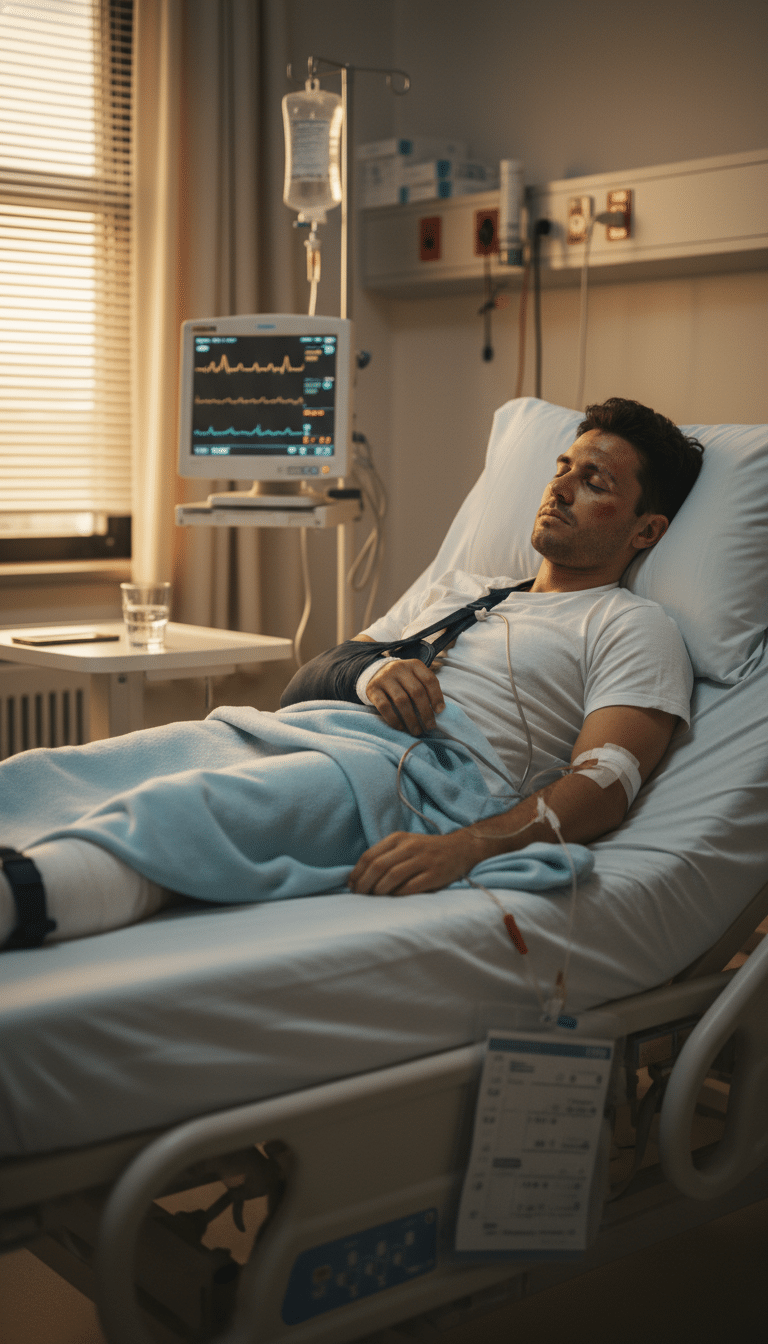
Drugged Driving Crash Attorney in Poteau, OK | McKay Law
Understanding Drugged Driving Accident Claims
Drugged driving — driving while impaired by drugs — is just as dangerous as drunk driving though harder to detect than alcohol impairment. Regardless of whether the substance is illegal or legal but impairing (prescription opioids, benzodiazepines, sleep aids, antihistamines), drivers who get behind the wheel impaired are putting everyone else on the road at risk. McKay Law advocates for drugged driving accident victims in Poteau and throughout Oklahoma.
Drugs Involved in DUI/DUID Cases
Illegal drugs:
Cannabis
Meth
Powdered cocaine
Opiates
Ecstasy
Hallucinogenic drugs
PCP
Prescription drugs:
Opioid painkillers (oxycodone, hydrocodone, fentanyl)
Benzos
Sleep aids (Ambien, Lunesta)
Muscle relaxers
Mental health medications
Allergy medications
Adderall, Ritalin
Non-prescription medicines:
Cold and cough remedies
Sleep aids
Diphenhydramine and similar drugs
The Effects of Drugs on Driving
- Slowed reaction time
- Poor decision-making
- Reduced coordination
- Falling asleep at the wheel
- Seeing things that aren’t there
- Inability to track moving objects
- Vision problems
- Aggressive behavior
- Loss of consciousness
- Inability to maintain lane
Oklahoma DUID Statutes
Oklahoma criminalizes drug-impaired driving (Okla. Stat. tit. 47, § 11-902). It is illegal to drive:
- Under the influence of any drug
- Under Oklahoma’s per se rule for Schedule I drugs
- While polyimpaired
For certain drugs, any presence in the system is enough — meaning any detectable amount can support a DUI charge.
Common Injuries From Drugged Driving Crashes
Drugged driving crashes are often catastrophic because impaired drivers fail to brake, swerve, or react:
- Severe head trauma
- Spinal cord injuries and paralysis
- Crushing trauma
- Multiple fractures
- Damage to internal organs
- Amputations
- Thermal injuries
- Whiplash and neck injuries
- PTSD and anxiety
- Death from catastrophic crashes
Proving Drugged Driving
- Police reports and field sobriety test results
- DRE evaluations
- Drug test results
- Medical drug testing
- DUI charges
- Eyewitness accounts
- Recordings of erratic driving
- Past drug-related arrests or convictions
- Prescription records
- Records of drug use mentioned online or in texts
- Scene evidence
- EDR readouts on driver behavior
Who Pays
- The driver under the influence
- Their employer if the driver was on the job
- A bar or restaurant where overserving contributed
- A drug dealer in limited situations
- Pharmacies that improperly dispensed medications
- Healthcare providers who improperly prescribed
- The car owner in cases of negligent entrustment
Criminal Prosecution and Civil Claims
Drugged driving crashes typically result in both criminal prosecution and civil lawsuits. The two proceed independently:
- Criminal prosecution — the district attorney brings charges
- Personal injury claim — victims pursue financial recovery
A criminal conviction strengthens the personal injury lawsuit. Civil claims don’t require criminal charges, civil claims can proceed and succeed.
What You Must Prove
- A Duty of Care — The driver had to operate the vehicle sober and safely.
- Breach — The driver drove while impaired.
- A Direct Link — The drug impairment produced the wreck and harm.
- Damages — Economic and non-economic harm.
Recovery for Victims
- Past and future medical expenses
- Long-term care and rehabilitation
- Lost wages and loss of earning power
- Vehicle and property loss
- Physical and emotional suffering
- The toll on daily life
- Damages for impact on relationships
- Wrongful death compensation when the wreck was fatal
- Punitive awards
Punitive Damages in Drugged Driving Cases
Drugged driving cases frequently support punitive damages because the conduct is so egregious. Punitive damages punish the wrongdoer and discourage others from driving impaired.
Oklahoma’s Statute of Limitations
You typically have 2 years from the date of the crash to file (Okla. Stat. tit. 12, § 95). Wrongful death actions are likewise subject to two-year limit.
How McKay Law Approaches Drugged Driving Cases
We move quickly to secure all evidence of impairment, coordinate civil and criminal proceedings, retain accident reconstruction and toxicology experts, push for exemplary damages where conduct justifies it, map every available source of recovery, and treat each matter as trial-ready.
Frequently Asked Questions
Q: How do you prove the other driver was on drugs?
A: Drug testing, officer observations, witnesses, and criminal charges.
Q: What does it cost to hire McKay Law?
A: Zero upfront. No fee unless we recover.
Q: The other driver was charged with DUI — does that help my case?
A: Yes. Criminal charges are powerful evidence in the civil case.
Q: The other driver was on a prescription drug, not illegal drugs — can I still recover?
A: Yes. Prescription drug impairment supports civil claims the same way.
Q: Can I get punitive damages?
A: Often, yes. Drugged driving is reckless conduct that typically supports punitive damages.
Q: Should I give the insurance company a recorded statement?
A: No. Refer them to your attorney.
Q: What if criminal charges are dropped?
A: You can still pursue civil recovery.
Q: What is the deadline to file?
A: 2 years from the date of the crash (Okla. Stat. tit. 12, § 95). Don’t wait — toxicology and witness evidence fade.
Drugged Driving Accident Claims in Poteau, OK
Drugged driving has surpassed drunk driving in the proportion of impaired-driving fatalities in recent years. Drug-impaired driving claims face challenges DUI cases don’t. Insurance companies use the proof challenges aggressively. An attorney familiar with these complex cases builds these cases around the actual evidence available.
Drugged Driving Isn’t Just Illegal Drugs
The widespread misunderstanding is that drugged driving requires drugs of abuse. Not at all.
Prescription Medications
Common prescription drugs can cause impairment. This category covers:
- Prescription opioids
- Benzodiazepines (Xanax, Valium, Ativan, Klonopin)
- Hypnotic medications
- Prescription muscle relaxants
- Psychiatric medications
- Sedating allergy treatments
- Prescription stimulants
- Migraine treatments
- Seizure prevention drugs
Over-the-Counter Medications
OTC drugs frequently cause impairment:
- Diphenhydramine (Benadryl)
- DXM-containing medications
- Diphenhydramine-based sleep aids
- Dramamine and similar products
Recreational Drugs
Drugs of abuse include marijuana products, cocaine and crack, methamphetamine, heroin and other opioids, hallucinogens (LSD, psilocybin, others), synthetic drugs (synthetic cannabinoids, bath salts), sedative-hallucinogens, and inhalants.
Why Drugged Driving Cases Are Harder to Prove Than DUI Cases
No Equivalent of the .08 BAC Standard
The 0.08 BAC standard is universally established. There’s no analogous “limit” for most drugs. Some jurisdictions have THC per se limits, but those limits don’t necessarily correlate with actual impairment.
For non-alcohol substances generally, the case requires showing the driver was actually impaired.
Detection Difficulties
Blood and urine tests can detect drug presence, but detection of presence doesn’t equal proof of impairment.
Marijuana detection windows extend far beyond impairment duration. This makes it scientifically problematic to argue that detected THC proves impairment at the time of the crash.
Detection times vary significantly. Some are detectable only briefly, some last longer in the system.
Testing Isn’t Routine
Police officers routinely test for alcohol after crashes. Drug screening doesn’t happen automatically in many cases. Without testing, the impairment case requires alternative proof.
Drug Recognition Experts (DREs)
Drug-recognition trained officers use the DRE protocol to identify drug impairment. DRE-conducted observations support drug impairment findings when conducted. DRE availability varies.
Defense Challenges
Defense routinely attacks drug impairment evidence:
- “Drug presence doesn’t equal driving impairment”
- “The test was conducted improperly”
- “Doctor-prescribed medication”
- “There’s no proof of impairment at the actual time of driving”
How These Cases Get Built
Toxicology Evidence
Where testing was conducted, lab results are key evidence.
Important caveat, presence alone isn’t sufficient. Forensic toxicology experts help connect the test results to actual impairment.
Observable Impairment
Officer observations are often case-defining.
Observable impairment indicators include:
- Impaired speech patterns
- Eye-related indicators
- Coordination problems
- Unusual presentations
- Sedation signs
- Witnessed driving problems
- Failed standardized field sobriety testing
- Body signs of intoxication
Pre-Crash Driving Behavior
Pre-crash driving descriptions help establish impairment. Erratic lane keeping, slow reactions, unusual stopping or starting build the impairment case.
Criminal Charges
Driver’s criminal liability can substantially support the civil case. Adjudicated criminal cases can establish negligence as a matter of law.
Driver Statements and Admissions
Self-reported drug use carry substantial weight.
Medical Records
The driver’s medical records provide additional evidence.
Vehicle Evidence
Drugs, paraphernalia, or related materials in the vehicle support drug-impairment claims.
Punitive Damages and Drugged Driving
Drugged driving conduct can support punitive damages. The decision to drive while drugged frequently meets the punitive standard.
These damages can transform case value in serious drugged driving cases.
Common Insurance Defenses
“There’s No Proof of Impairment”
The most common challenge. Detection-doesn’t-equal-impairment arguments.
“The Medication Was Taken as Prescribed”
In prescription drug scenarios, “Doctor-prescribed and taken correctly”. This defense has limits. Legal prescription use can still cause impairment.
“Comparative Fault”
Comparative negligence claims.
“The Crash Wasn’t Caused by Drug Impairment”
Causation defenses. Expert testimony on how drugs affect driving counters these defenses.
Critical Steps After a Drugged Driving Crash
Get the Police Report
Make sure law enforcement was called. Pay attention to DRE evaluation findings.
Document Witness Observations
Independent observations of the driver’s condition can establish impairment when toxicology is unavailable.
Preserve the Vehicle Evidence
Items found in the other driver’s vehicle can support drug impairment claims.
Document Driver Statements
Self-reported information from the other driver.
Photograph the Scene
Visual evidence of the crash scene.
Get Medical Attention Immediately
Quick medical attention establishes the injury timeline.
Track the Criminal Case
The criminal proceedings provides important evidence.
Don’t Wait to Get Legal Help
Toxicology and other evidence has time-sensitive preservation requirements.
Damages Available
Drugged driving accident damages parallel other auto claim categories, often with enhanced punitive damages potential:
- Past and future medical expenses
- Earnings affected by injury
- Permanent occupational limitations
- Vehicle repair or replacement
- Pain and suffering
- Compensation for fatal crashes
- Exemplary damages — particularly meaningful in these claims
Dram Shop and Third-Party Liability
For prescription drug scenarios, other parties may share fault. Healthcare providers who prescribed medications without adequate warnings about driving may create medical malpractice issues.
Attorney Costs
Drugged driving accident attorneys work on contingency. Free initial consultations are standard. Specialty expertise costs paid by the firm and recovered at resolution.
Move Quickly
Drug detection windows complicate evidence preservation. Investigation records become harder to obtain. The legal time limit continues to run. Getting an attorney involved promptly protects the evidence.
McKay Law Is Your Poteau Advocate After A Drugged Driving Accident
A driver compromised by drugs is just as dangerous as one intoxicated by alcohol — and in plenty of cases, even more volatile. Prescription painkillers, sleep medications, anti-anxiety drugs, marijuana, cocaine, methamphetamine, and the increasing category of synthetic substances all undermine judgment, delay reaction times, skew perception, and trigger the kind of behind-the-wheel decisions that wreck innocent lives. As opposed to alcohol, which can be measured with a roadside breathalyzer, drug impairment typically necessitates blood testing, drug recognition expert evaluation, and toxicology analysis to prove. At McKay Law, we waste no time to obtain the police report, body cam footage, toxicology results, prescription history, and field sobriety evidence that confirms the drugged condition of the driver who hit you — and we work with toxicology professionals and toxicologists when professional analysis is required to make that proof airtight.
Impaired driving lawsuits often create grounds to punitive damages on top of standard compensation, because the driver’s choice to drive a vehicle under the influence rises to the level of extreme negligence. When you join the McKay Law family, we don’t simply settle for the minimum policy limits — we look into whether a bar, dispensary, dealer, or employer played a role the situation, whether the driver had previous violations, and whether more parties share liability for enabling an impaired driver onto the highway. We demand maximum compensation for emergency care, surgeries, hospitalization, ongoing rehabilitation, future medical needs, prescription costs, time away from work, loss of livelihood, vehicle replacement, the ongoing struggle of coming through a crash like this — and in the most severe cases, the wrongful death of a cherished loved one. Phone us right away at (866) 679-9651 or contact us online to arrange your free consultation and bring a firm that forces impaired drivers truly answerable behind you.
Video Testimonials






