

“Labor Omnia Vincit” McKay Law
Poteau, OK Waymo Accident Lawyer
Autonomous Waymo vehicle collisions are unlike any traditional car accident in Poteau, OK. With autonomous Waymo vehicles increasingly on Oklahoma roads, the legal questions they create are becoming urgent. McKay Law fights for victims of Waymo accidents across OK. Waymo crashes aren’t like regular auto wrecks—liability extends to the technology, software, and corporate decision-makers behind the car. When a Waymo vehicle crashes, liability can fall on Waymo itself, parent company Alphabet, the vehicle manufacturer, sensor and lidar makers, software developers, mapping data providers, and remote human supervisors. Whether you were a passenger in a Waymo, the law allows you to hold the autonomous vehicle company accountable. Common causes of Waymo accidents include technology defects, system errors, sensor failures, and gaps in AI training. Our Poteau autonomous vehicle accident lawyers are equipped to handle the cutting-edge questions of law and technology these cases involve. Was the autonomous system properly tested? Did sensors fail to detect a hazard? Did the AI make a fatal decision? Was Waymo aware of known defects?. We work with software engineers, AI experts, accident reconstructionists, and human factors specialists to reverse-engineer what went wrong—because proving liability requires unlocking the vehicle’s electronic data. Victims often suffer TBIs, fractures, paralysis, and fatal injuries—with the same catastrophic outcomes as traditional crashes. Waymo, Alphabet, and their insurers have enormous resources to defend claims—you deserve a lawyer who isn’t intimidated by Silicon Valley. We pursue full compensation including medical bills, future care, lost wages, lost earning capacity, pain and suffering, and wrongful death damages. Every Waymo accident case is handled on a contingency fee basis—no fees unless we recover. Critical evidence in Waymo cases disappears or is overwritten quickly—black box information, telemetry, and system records need to be secured fast. Contact McKay Law today for a no-cost case review with a Poteau, OK self-driving car injury lawyer who will hold the tech giants accountable.
Settlements Won
0
+
Million Dollars Won
0
+
Google 5 Star Reviews
0
+
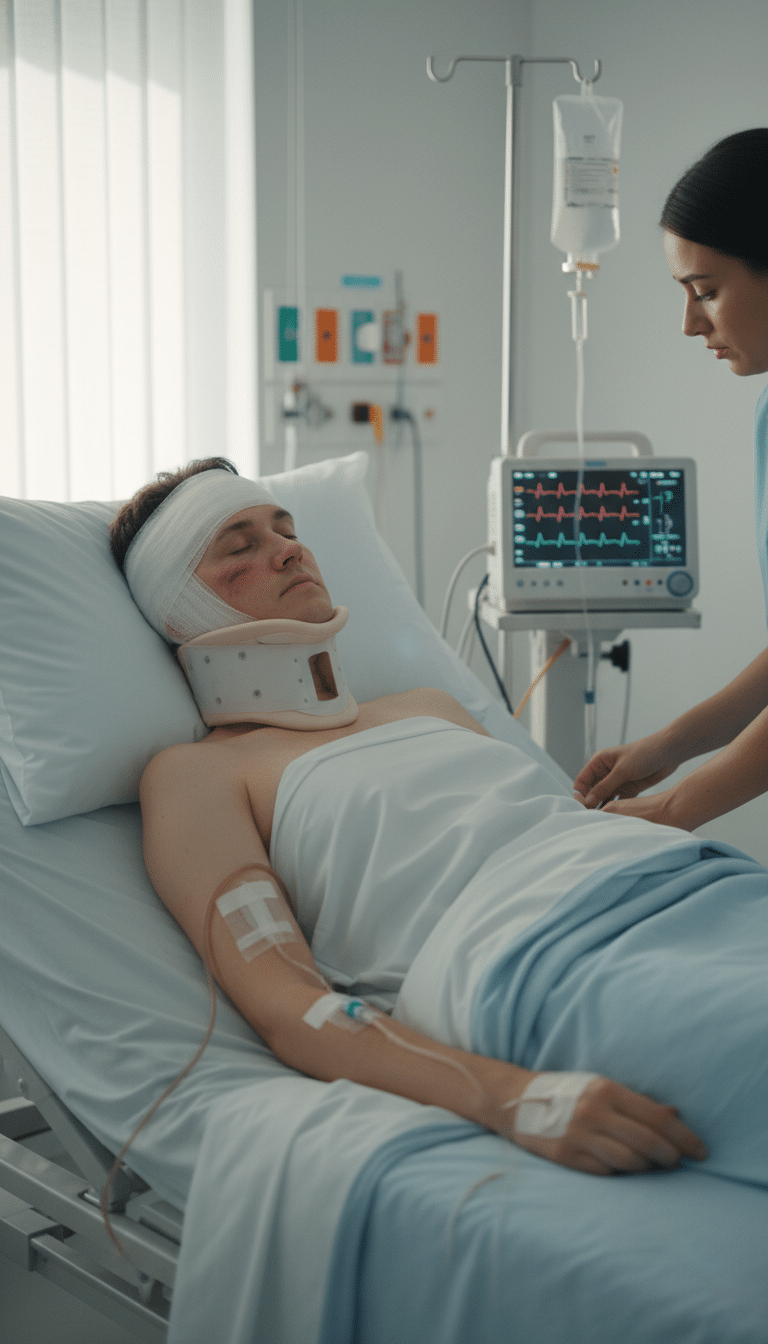
Waymo Accident Lawyer in Poteau, OK | McKay Law
Understanding Waymo Accident Claims
Waymo is the leading autonomous vehicle company in commercial operation, with fully driverless robotaxis deployed in multiple cities. Waymo’s expansion across the country means more driverless cars sharing roads with humans. When an autonomous Waymo is in an accident, the case involves novel legal issues. A web of corporate defendants and new legal theories are involved. Our firm fights for Waymo accident victims in Poteau and in surrounding communities.
The Waymo System
Waymo operates Level 4 autonomous vehicles, with full autonomy in mapped operating zones. The Waymo Driver combines:
- Light detection and ranging
- Radar arrays
- Camera arrays for 360-degree vision
- Detailed HD maps
- Artificial intelligence and machine learning
- Remote operations support
Why Waymo Crashes Happen
- Sensor failures or limitations
- Programming flaws
- Failure to detect pedestrians, cyclists, or stopped vehicles
- Edge case failures
- Performance failures in rain, snow, or fog
- HD map mistakes
- System unable to anticipate human actions
- System breaches
- Vehicle hardware defects
- Edge case failures in unusual conditions
Who Can File a Waymo Accident Claim
- People using Waymo as a rideshare hurt in a Waymo crash
- People in other cars injured by Waymo system failure
- Pedestrians and cyclists hit by an autonomous Waymo
- Family members of deceased victims in fatal Waymo crashes
Who Can Be Held Liable in a Waymo Accident
Liability in a Waymo case typically extends across multiple corporate defendants:
- The Waymo operating entity
- Google’s parent company
- Companies making the Waymo vehicles (e.g., Jaguar, Chrysler, Geely)
- Sensor technology providers
- Code providers
- HD mapping providers
- Companies providing remote oversight
- Maintenance providers
- Cybersecurity providers in hacking-related cases
- A third-party motorist in multi-vehicle crashes
Why Waymo Cases Are Different From Traditional Auto Cases
- Multiple corporate defendants — every layer of the technology can carry liability
- Petabytes of sensor and system data — electronic evidence is overwhelming in volume
- Untested liability frameworks — legal precedent is being made now
- Aggressive corporate defense — Waymo and Alphabet have substantial defense resources
- The “driver” is the software — the traditional driver defendant doesn’t exist
- Substantial insurance and self-insurance — the resources are there to compensate serious injuries
Common Injuries From Waymo Crashes
- Severe head trauma
- Spine injuries
- Whiplash and neck injuries
- Broken bones
- Damage to internal organs
- Crushing trauma
- Facial injuries
- Upper-body trauma
- Leg and pelvic injuries
- Mental and emotional trauma
- Wrongful death
Building the Evidence
- Legal Obligation — There were duties owed.
- Violation of That Duty — A duty was violated through unsafe design or operation.
- Causation — The defect or breach caused the crash and your injuries.
- Quantifiable Losses — Economic and non-economic harm.
Key Evidence in These Claims
- Sensor data (lidar, radar, camera)
- System decision logs
- Vehicle event data
- Video footage from onboard cameras
- Software version and update records
- Internal validation records
- Remote control and monitoring data
- Maintenance and inspection records
- Corporate documents on system risks
- Crash reports
- Testimony from people who saw the crash
- AV expert testimony
Damages Available
- Past and future medical expenses
- Long-term care and rehabilitation
- Lost wages and loss of earning power
- Vehicle and property loss
- Physical and emotional suffering
- Diminished quality of life
- Loss of companionship
- Wrongful death compensation in fatal crashes
- Exemplary damages when warranted by corporate conduct
Oklahoma’s Statute of Limitations
Oklahoma generally gives 2 years from the date of the crash to file (Okla. Stat. tit. 12, § 95). Product liability claims follow the same two-year limit. Waymo cases demand immediate action because sensor data, video, and system logs can be overwritten or deleted within days.
How McKay Law Approaches Waymo Cases
We act fast to lock down sensor data, software logs, and video, bring in qualified AV and technical experts, examine the entire Waymo system, find every layer of coverage across multiple companies, and treat each matter as trial-ready.
FAQ
Q: Who do I sue when a Waymo causes a crash?
A: Multiple parties. Liability typically spans Waymo and its technology partners.
Q: What does it cost to hire McKay Law?
A: Nothing upfront. No recovery, no fee.
Q: Is there a driver to sue?
A: Not in fully driverless mode. Liability falls on Waymo, the manufacturer, software companies, and others.
Q: Can I sue Alphabet (Google’s parent company)?
A: Yes, in many cases. We pursue every potentially liable corporate entity.
Q: How is a Waymo case different from a regular car accident?
A: Different defendants, different evidence, different legal theories.
Q: Should I give Waymo’s insurance company a recorded statement?
A: No. Talk to a lawyer first.
Q: How long do Waymo cases take?
A: Generally extended. Expect extended timelines.
Q: What is the deadline to file?
A: Two years from the date of the crash (Okla. Stat. tit. 12, § 95). Act fast — sensor data and system logs disappear quickly.
Waymo Accident Claims in Poteau, OK
Waymo One vehicles operate without anyone behind the wheel. When a Waymo vehicle causes a wreck, there’s no driver to point to. A local attorney experienced with autonomous vehicle crashes navigates the legal landscape that’s still being written.
Why Waymo Cases Are Different From Every Other Auto Case
There’s No Driver
Waymo operates at SAE Level 4 autonomy. There’s no human at the wheel.
This eliminates the entire framework most auto accident cases are built on. No person whose attention or judgment can be examined. The case has to be built around the autonomous system itself.
There’s No Personal Auto Policy
Standard auto accidents flow through personal insurance. The personal-insurance layer doesn’t exist.
Waymo carries commercial liability coverage. Waymo’s deep pockets are not in dispute — but the company defends these claims aggressively.
The Defendants Are Companies, Not People
In Waymo cases, the responsible parties are corporate entities:
- Waymo LLC, the operator of the service
- Alphabet/Google, Waymo’s parent company in some configurations
- Manufacturers of vehicles in the Waymo fleet (Jaguar, Hyundai, Zeekr, and others depending on the vehicle involved)
- Sensor manufacturers (lidar, radar, camera systems)
- Mapping data providers (typically Waymo itself)
- Software developers and AI system providers (typically Waymo)
How Liability Is Established in a Waymo Crash
Product Liability Theories
Waymo’s self-driving software may be subject to product liability law. Product liability claims can address:
- Defective AI decision-making
- Manufacturing defects in physical components
- Warning defects
- Issues with the base vehicle separate from the autonomous system
Negligent Operation Claims
Waymo can be held liable for negligent operation of its service including inadequate safety testing before deployment.
Negligence Per Se
Statutory violations can support negligence per se.
The Critical Question: Who Was in Control?
For fully driverless Waymo operations, the autonomous system is in continuous control.
However, there are nuances:
- Waymo has remote support staff who may take action
- The vehicle may “minimal risk condition” itself in problem situations
- Other Waymo configurations may have safety drivers (for testing or specific operations)
Establishing the responsible decision-maker requires careful analysis of the vehicle’s data.
Why These Cases Live and Die on Data
The vehicle records its environment and decisions continuously:
- Lidar data showing the full 3D environment
- Video records from multiple angles
- Radar tracking information
- AI decision records
- Vehicle location data
- Speed, steering, braking, and acceleration records
The Discovery Battle
Waymo guards this data closely. Accessing it requires aggressive discovery through protective orders, trade secret protocols, and court-supervised discovery.
Expert Analysis
Analysis of autonomous vehicle data takes specialized experts. Standard crash experts can’t fully analyze this evidence.
Common Waymo Crash Scenarios
Unprotected Left Turns
Unprotected left turns are notoriously challenging for autonomous systems. Crashes during left turns are known operational issues.
Pedestrian and Cyclist Encounters
Vulnerable road user interactions can challenge autonomous systems.
Construction Zones
Construction zones with temporary signage and unusual traffic patterns challenge autonomous vehicles.
Emergency Vehicle Encounters
Emergency vehicle interactions create operational challenges.
Edge Cases and Unusual Scenarios
Situations the autonomous system wasn’t fully trained for are where autonomous vehicles tend to fail.
Following Distance and Sudden Stops
Sudden autonomous-initiated stops can cause rear-end collisions with following vehicles.
Who Can Bring a Waymo Accident Claim?
Various parties can pursue Waymo accident claims:
- Customers using the robotaxi service
- Drivers and passengers in other vehicles struck by Waymo
- Pedestrians and cyclists struck by a Waymo
- Drivers in downstream incidents
Passenger Cases Have Unique Considerations
Waymo passengers ride under terms of service agreements. Contract language can affect how passenger claims proceed. Arbitration clauses are sometimes unenforceable, but they add another layer of complexity to passenger claims.
The Regulatory Framework
AV law varies significantly by jurisdiction.
Federal Regulation
NHTSA (National Highway Traffic Safety Administration) sets vehicle safety requirements, but has limited authority over specific autonomous operations.
State Regulation
State and local regulations control AV operations. OK has its own framework.
Local Restrictions
Cities sometimes regulate AV operations within their limits.
Non-compliance with federal, state, or local rules create direct evidence of negligence.
What Insurance Adjusters Argue
“The Crash Was Unavoidable”
Waymo’s defense often emphasizes the inherent safety of autonomous systems. Expert testimony can defeat this defense.
“Another Party Caused the Crash”
Waymo frequently blames other parties.
“The System Performed Within Specifications”
Waymo defense argues the autonomous system functioned as designed. Examination of whether the design was reasonable.
Critical Steps After a Waymo Crash
Photograph the Vehicle and Scene
Capture every angle of the Waymo. Document all the sensors.
Get the Vehicle Information
Document fleet identifiers.
Get a Police Report
Don’t accept informal handling.
Document Witnesses
Pedestrians, other drivers, and bystanders may be the deciding evidence, since the vehicle has no driver to provide a human account.
Get Medical Attention Immediately
Prompt evaluation protects against later disputes.
Don’t Speak With Waymo or Its Insurers Without Counsel
Waymo’s claims operation responds quickly. Statements without legal advice create problematic admissions.
Damages Recoverable
Waymo accident damages parallel other auto claim categories:
- Past and future medical expenses
- Lost wages
- Reduced ability to work
- Property damage
- Loss of enjoyment of life
- Wrongful death and survivor damages
- Exemplary damages where Waymo’s conduct was egregious
Attorney Costs
Autonomous vehicle crash lawyers earn fees only on recovery. These cases require significant investment in expert witnesses and complex discovery — paid by the firm and reimbursed at settlement.
Move Quickly on Evidence
These claims depend on records that may be overwritten. Internal Waymo records need to be locked down through court action when necessary.
Software versions get updated. This makes preservation especially urgent.
Filing deadlines sets a hard cutoff. Engaging counsel right away protects every angle of the case.
McKay Law Is Your Poteau Advocate After A Waymo Accident
Waymo’s autonomous vehicles operate on the same streets we do — but when a self-driving car causes a crash, the question of who’s responsible appears nothing like a traditional accident claim. There’s no driver to point to, no moment of inattention to prove, no human judgment to evaluate. Instead, fault may lead back to the software that misread a pedestrian, the sensor that failed to detect a stopped vehicle, the lidar system that struggled with weather, the mapping data that was out of date, the remote operator who didn’t intervene in time, or the engineers who deployed an update with a hidden flaw. At McKay Law, we are positioned to handle these novel cases by working alongside software engineers, robotics specialists, data analysts, and accident reconstructionists who can access the vehicle’s sensor logs, decision-making records, and operational data to pinpoint exactly what went wrong.
Waymo and its parent company Alphabet have tremendous resources and every reason to preserve the public reputation of their technology — which is why going after one of these claims demands a firm that won’t be intimidated. Whether you were a pedestrian, a cyclist, a passenger in the Waymo, or the driver of another vehicle struck by an autonomous car, you are owed a real advocate. When you partner with the McKay Law family, we take on the corporate engineers, the AI developers, and the legal teams behind them, so you can turn your attention to healing. We chase full compensation for emergency care, surgeries, hospitalization, long-term rehabilitation, future medical needs, mobility aids, lost income, lost earning capacity, vehicle replacement, the enduring pain and emotional toll of being struck by a machine that was supposed to be safer than a human, and — in the most tragic cases — the wrongful death of a loved one. Reach us without waiting at (866) 679-9651 or reach out online to schedule your free consultation and place a firm that’s ready for the future of personal injury law behind you.
Video Testimonials






