

“Labor Omnia Vincit” McKay Law
Pryor Creek, OK Delivery Vehicle Accident Lawyer
Crashes involving delivery vans and trucks are increasingly common in Pryor Creek, OK—as online shopping and same-day delivery push more commercial vehicles onto the road. McKay Law advocates for delivery vehicle accident victims throughout OK. We handle cases involving both employee-driven delivery trucks and independent contractor delivery vehicles. Delivery driver crashes are often caused by pressure to complete more deliveries, navigation and app distractions, exhausted drivers, and reckless driving in tight spaces. These claims can be complicated. For companies like UPS, FedEx, and Amazon’s directly-employed drivers, the employer is directly accountable. If the driver is a gig worker (Uber Eats, DoorDash, Spark, Instacart), the analysis gets more complex with multiple potential policies in play. Liable parties may include all parties responsible for the vehicle, the driver, or the safety failures that caused the crash. Our Pryor Creek delivery driver crash lawyers move fast to preserve evidence—delivery records, route data, app status logs, driver training files, vehicle telematics, dash cam footage, and maintenance histories. Injuries from delivery vehicle accidents whiplash, broken bones, traumatic brain injuries, spinal damage, internal injuries, and wrongful death—especially for pedestrians, cyclists, and occupants of smaller vehicles struck by delivery trucks. Delivery companies and their insurers have significant resources to defend claims—you need an attorney who can match them. We recover all available damages including hospital costs, ongoing treatment, missed income, suffering, and survivor damages. All delivery driver crash claims is handled on a contingency basis—you pay nothing unless we win. Call McKay Law now for a free consultation with a Pryor Creek, OK delivery vehicle accident lawyer who will fight the delivery companies and insurers with everything we’ve got.
Settlements Won
0
+
Million Dollars Won
0
+
Google 5 Star Reviews
0
+
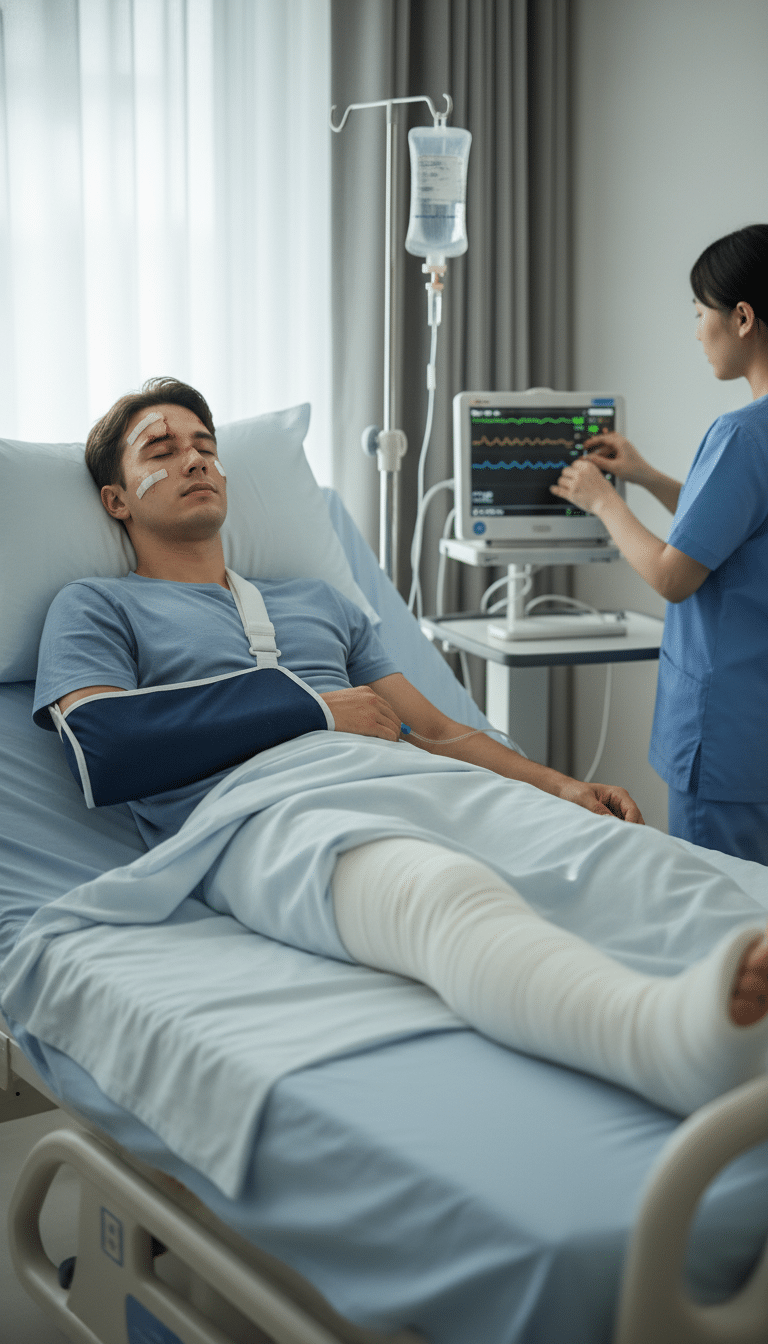
Delivery Vehicle Accident Lawyer in Pryor Creek, OK | McKay Law
Understanding Delivery Vehicle Accident Claims
Delivery vans crisscross Oklahoma neighborhoods constantly. National couriers and gig delivery drivers alike, delivery traffic has grown dramatically. More delivery vehicles means more delivery crashes. When a delivery vehicle wreck happens, insurance and liability depend on the type of delivery operation. McKay Law advocates for delivery vehicle accident victims in Pryor Creek and throughout Oklahoma.
Types of Delivery Vehicle Cases
- Major national carriers — Big-name carriers
- App-based delivery contractors — Contractor-based delivery apps
- Local delivery operators — specialized local carriers
- Restaurant delivery vehicles — pizza delivery, restaurant employees making deliveries
- Specialty delivery vehicles — floral delivery, medical delivery, document couriers
- Commercial truck deliveries — tractor-trailers making local deliveries, box trucks
How Driver Classification Affects Your Case
The most important question in any delivery vehicle case is who employs the driver:
- Direct employees — drivers for UPS, FedEx, USPS, and most large carriers are employees. The employer bears liability for the employee’s conduct.
- 1099 contractors — DoorDash, Uber Eats, Walmart Spark, Amazon Flex, and other gig drivers are contractors. Direct claims against the company are harder, but coverage often still applies through the company’s commercial policies.
- Contractor drivers for major carriers — major carriers sometimes use contractor structures for final delivery
Why Delivery Vehicle Accidents Happen
- Drowsy driving
- Schedule pressure
- Distracted driving from delivery apps and scanners
- Rushing through routes
- Stopping in traffic lanes
- Right-turn squeeze accidents
- Backing up accidents
- DUI
- Inadequate driver training
- Poor vehicle maintenance
- Trucks carrying too much cargo
- Traffic violations
- Aggressive driving
Who Can File a Delivery Vehicle Claim
- Other motorists struck by a delivery driver
- Walkers and bicyclists struck by a delivery vehicle
- People at delivery locations hurt by driver conduct at the doorstep
- Drivers hurt by others when injured by third-party negligence
- Property owners with property damaged in the crash
- Wrongful death beneficiaries in fatal delivery crashes
Potential Defendants
- The delivery driver
- The delivery operator — under commercial policies
- The direct employer
- The gig company
- The driver of another vehicle
- The vehicle manufacturer when product defects played a role
- Mechanics
- A road authority in charge of negligently maintained roads
What These Crashes Do to Victims
- Traumatic brain injuries
- Spinal cord injuries and paralysis
- Cervical strain
- Spinal trauma
- Bone breaks
- Internal bleeding
- Crushing trauma
- Lacerations and facial trauma
- Upper-body trauma
- Lower-body trauma
- Psychological injuries
- Fatal injuries
What Makes Delivery Vehicle Cases Unique
- Employee vs. contractor changes everything — the employer-contractor distinction drives strategy
- Multi-policy coverage — both driver and company policies may respond
- Bigger insurance — coverage limits are usually much larger than personal policies
- FMCSRs for commercial delivery trucks — FMCSR violations can support negligence claims
- Aggressive corporate defense — delivery companies and their insurers fight hard
- Personal auto insurers may deny coverage — because the driver was working
What You Must Prove
- Duty — The delivery driver had a duty of safe operation.
- Breach — Conduct fell below the standard.
- A Direct Link — The breach produced the wreck and harm.
- Concrete Harm — Economic and non-economic harm.
Evidence That Wins Delivery Vehicle Cases
- Police accident reports
- Personnel records
- Records of training and certifications
- Route documentation
- Vehicle telematics and GPS data
- Vehicle video
- Delivery app data
- Vehicle maintenance and inspection records
- HOS records
- Prior incident and complaint history
- Testimony from people who saw the crash
- Surveillance and traffic camera footage
- Cell phone records
- Treatment documentation
What Compensation Looks Like
- Healthcare costs
- Lifetime care costs
- Lost wages and loss of earning power
- Damage to belongings
- Pain and suffering
- Loss of enjoyment of life
- Damages for impact on relationships
- Survivor damages in fatal crashes
- Punitive damages when warranted
Time Limits to Be Aware Of
Oklahoma generally gives 2 years from the date of the crash to file (Okla. Stat. tit. 12, § 95). USPS cases follow FTCA procedures with different deadlines. Delivery vehicle cases demand fast action because electronic evidence vanishes on retention schedules.
What Working With Us Looks Like
We act fast to lock down telematics, GPS, video, and driver records, identify whether the driver was an employee or contractor and pursue every liability path, pursue every angle of liability, bring in qualified experts, identify all applicable insurance coverage, and build each file for the courtroom.
Common Questions
Q: A delivery driver hit me — who pays?
A: Depends on who they work for.
Q: What does it cost to hire McKay Law?
A: Nothing upfront. We only get paid if we win.
Q: Is there a difference between a UPS crash and a DoorDash crash?
A: Major distinction. UPS drivers are employees, so UPS is directly liable. DoorDash drivers are contractors, so direct claims are harder but insurance often still applies.
Q: What if it’s a USPS mail truck?
A: Different rules — FTCA applies.
Q: Should I give the delivery company’s insurance a recorded statement?
A: Never. Call us first.
Q: Can I sue the delivery company directly?
A: Depends on the driver’s classification.
Q: What if the delivery driver was using their personal vehicle?
A: Coverage gets complicated.
Q: What is the deadline to file?
A: Two years from the date of the crash (Okla. Stat. tit. 12, § 95). USPS cases follow FTCA timelines.
Recovering Damages From a Delivery Vehicle Wreck in Pryor Creek, OK
Online shopping and delivery apps have flooded roads with delivery drivers. More delivery vehicles means more delivery-related accidents. If a delivery vehicle caused your injuries, the legal framework depends heavily on what kind of delivery operation was involved. A local attorney experienced with delivery driver cases knows how to identify every available source of recovery.
The Delivery Vehicle Landscape Today
Delivery vehicles span a huge range:
Package and Parcel Delivery
- UPS package cars and feeder trucks
- FedEx (including FedEx Ground, FedEx Express, and FedEx contractors)
- Amazon’s complex multi-tier delivery network
- USPS
- Regional couriers
Food Delivery
- DoorDash drivers
- Uber Eats
- Grubhub
- Pizza and restaurant delivery employees
- Instacart shoppers and delivery drivers
Grocery and Retail Delivery
- Walmart’s Spark delivery network
- Shipt
- Amazon Fresh
- Major retailer delivery services
Specialty Delivery
- Large-item delivery services
- Medical and pharmacy delivery
- Materials delivery to job sites
- Commercial delivery
Why the Type of Delivery Operation Changes Everything
The single most important question in a delivery vehicle case is what kind of delivery operation was involved.
Employee-Based Operations (UPS, USPS, some FedEx, Amazon DSP employees)
The company employs the drivers directly. This creates straightforward vicarious liability. Direct corporate liability is available.
One critical exception: USPS is a federal agency, requiring Federal Tort Claims Act procedures.
Contractor-Based Models (Most FedEx Ground operations, Amazon DSP system)
Some major delivery brands operate through contractor networks. FedEx Ground operates primarily through independent service providers (ISPs). Amazon’s DSP system involves independent contracting companies.
Determining liability becomes harder:
- The driver may be employed by the DSP or ISP, not the major delivery brand
- The vehicle may be owned by the DSP or leased through the major brand
- Insurance may flow through the DSP, the major brand, or both
- Vicarious liability against the major brand often requires showing more than just the contractor relationship
Pure Gig Models (Uber Eats, DoorDash, Spark, Instacart, Grubhub)
Drivers are classified as independent contractors. Direct platform liability is more limited. Platform-specific insurance frameworks control these cases.
These platforms typically use a phase-based insurance structure.
Restaurant-Employed Delivery Drivers
Where a restaurant directly employs delivery drivers, standard employee-employer vicarious liability applies. The restaurant’s commercial insurance is the primary coverage source.
Why Identifying the Right Defendant Matters
Coverage Availability
Different operations carry vastly different insurance limits. Major commercial delivery companies typically carry substantial coverage. Gig delivery platforms provide coverage that varies by phase and by platform. Personal driver auto policies often exclude commercial use.
Procedural Requirements
Procedural requirements vary by defendant type. FTCA cases follow special rules. Different operations carry different procedural baggage.
Multiple Defendants
Many delivery accident cases involve multiple defendants: the full chain of involved parties.
Common Delivery Vehicle Crash Patterns
Delivery Stop Crashes
Frequent stops are inherent to delivery work. Pulling out of stops into traffic are predictable patterns.
Backing-Up Crashes
Delivery drivers frequently back up cause many delivery crashes. Backing-related accidents cause serious injuries.
Pedestrian and Cyclist Crashes
Routes typically include high-traffic walking and cycling areas. Vulnerable road user crashes happen frequently.
Driver Fatigue
Schedule pressure during high-volume periods results in tired-driver incidents.
Distracted Driving
Continuous device interaction creates distraction-driven incidents.
Time Pressure
Delivery metrics push speed drives risky operation.
Cargo-Related Issues
Improperly secured packages or loads trigger certain accident types.
What Damages Can Be Recovered?
Recoverable losses include:
- Comprehensive medical care
- Earnings affected by the injury
- Permanent occupational limitations
- Vehicle repair or replacement
- Pain and suffering
- Compensation for fatal crashes
- Enhanced damages where conduct was egregious
Critical Steps After a Delivery Vehicle Crash
Identify the Delivery Operation Precisely
Identifying who actually operates matters significantly. This identification drives the legal framework.
Capture:
- Visible identification on the vehicle
- Driver clothing
- Visible cargo branding
- Visible technology
Surface appearances can hide the actual employment relationship. FedEx Ground vehicles may be operated by ISPs.
Document the Driver and Vehicle
Document everything about the driver and the truck.
Note Whether the Driver Was Working
Confirm work status. This determination matters for liability.
Get a Police Report
Make sure law enforcement is called.
Document Witnesses
Witness identification.
Get Medical Attention Immediately
Prompt medical attention establishes injury timeline.
Don’t Speak With the Delivery Company or Its Insurer Without Counsel
Adjusters move quickly after delivery crashes. Conversations before getting representation create problematic admissions.
Attorney Costs
Delivery vehicle accident attorneys charge no upfront fees. Free initial consultations are standard.
Move Quickly
Records and electronic data have varying retention windows depending on the operation. All forms of evidence need prompt action. The legal time limit sets the outer boundary, with special deadlines for certain defendants. Engaging counsel right away triggers preservation steps.
McKay Law Is Your Pryor Creek Advocate After A Delivery Vehicle Accident
Every neighborhood deals with a constant flow of delivery vehicles — Amazon vans, FedEx trucks, DoorDash drivers, grocery couriers, package cars, and contractors hauling freight on impossibly tight schedules. The push to make more stops in less time has turned residential streets into high-stakes obstacle courses, where drivers double-park in traffic lanes, back out of driveways without looking, race against delivery windows, and split their attention between the road, a route app, and the package on the seat. When one of those drivers is responsible for a crash, untangling liability can be complicated: the driver may be an employee, an independent contractor, a gig worker, or a subcontracted third party, and the company behind them may have layers of insurance, indemnity agreements, and corporate structures designed to limit their exposure. At McKay Law, we are experienced with how these companies operate, and we move quickly to identify every party that should be held accountable.
Whether you were another motorist, a passenger, a pedestrian, or a cyclist, the company on the side of that delivery vehicle has investigators and insurance carriers working from the moment of impact to build a defense. When you come into the McKay Law family, we move with the same urgency — sending preservation letters, securing dash cam footage, pulling route and delivery records, obtaining driver employment and training documents, and gathering witness statements before any of it can disappear. We pursue full compensation for emergency care, surgeries, hospitalization, ongoing rehabilitation, future medical needs, prescription costs, vehicle damage, lost wages, lost earning capacity, and the pain, anxiety, and disruption of a crash that should have never happened. Contact us right away at (866) 679-9651 or reach out online to book your free consultation and get a firm that knows how to take on delivery companies and their insurers in your corner.
Video Testimonials






