

“Labor Omnia Vincit” McKay Law
Skiatook, OK Instacart Accident Lawyer
Instacart delivery crashes require specialized legal experience in Skiatook, OK. Whether you were an Instacart shopper who was hurt or someone hit by one, sorting out liability and insurance can be complicated. McKay Law represents Instacart accident victims across OK. Instacart crashes aren’t like regular auto wrecks—coverage depends on the driver’s app status at the time of the crash. The driver’s app status—offline, logged on, en route to pickup, shopping, or delivering—controls which insurance applies—these questions can mean minimal coverage or substantial commercial protection. If the Instacart app wasn’t active, only their personal auto insurance applies—leaving limited recovery options. While the driver is online but inactive, partial commercial coverage kicks in. During active delivery phases, maximum commercial coverage applies. Our Skiatook gig driver crash attorneys are experienced with multi-policy claims. These crashes typically involve rushed driving between batches, grocery store parking lot collisions, app distractions, and pressure to complete more orders. When you’ve been hurt making an Instacart delivery, you may be eligible for occupational accident coverage plus a third-party claim. If you were hit by an Instacart shopper, we go after every responsible party and policy. We act quickly—route information, order details, and any prior incident records. Victims often suffer TBIs, herniated discs, fractures, and chronic pain. We recover all available damages including hospital costs, ongoing treatment, lost income, suffering, and survivor damages. Instacart’s legal team will work hard to minimize your claim—we don’t let them. All Instacart shopper crash claims is handled on a no-win, no-fee basis—no fees unless we recover. Reach out to McKay Law right away for a no-cost case review with a Skiatook, OK gig driver injury lawyer who will pursue every available source of compensation.
Settlements Won
0
+
Million Dollars Won
0
+
Google 5 Star Reviews
0
+
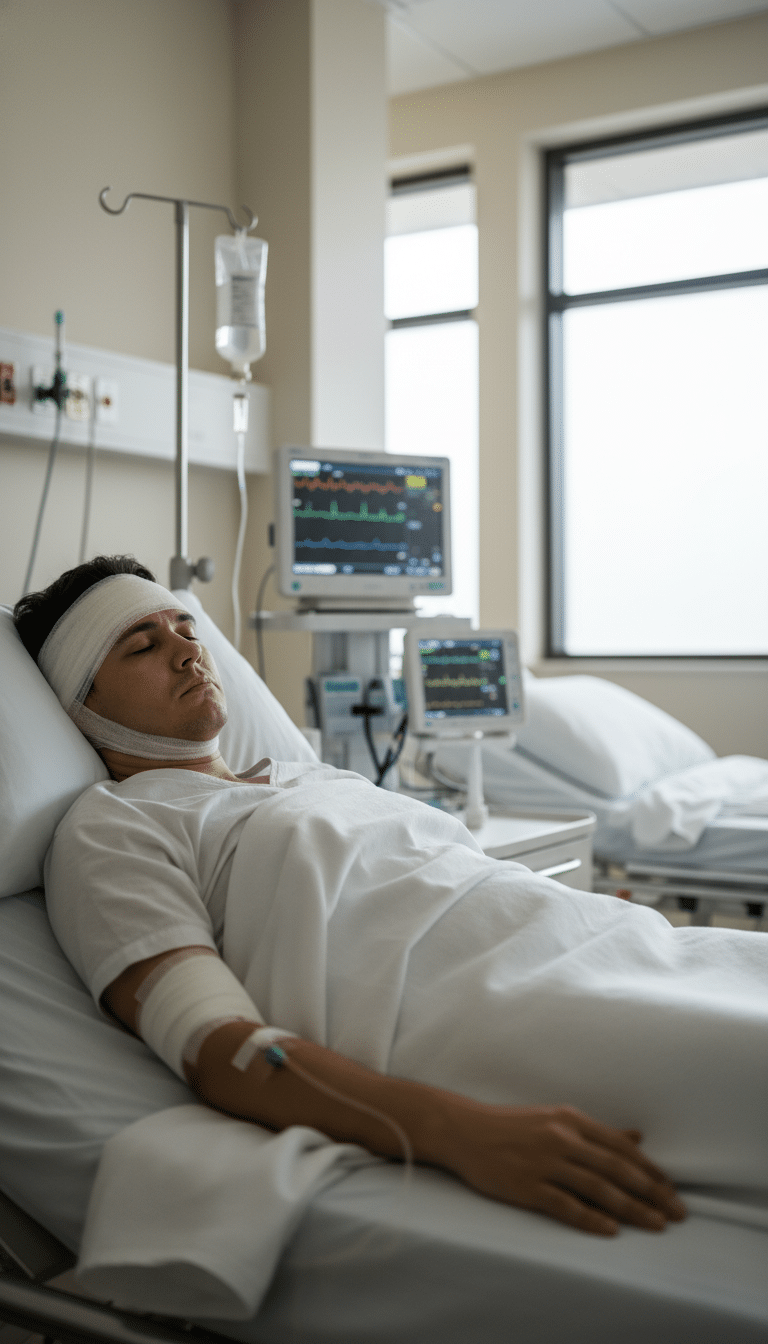
Instacart Delivery Wreck Lawyer in Skiatook, OK | McKay Law
The Basics of Instacart Crash Cases
Instacart has become a major grocery delivery service in Oklahoma, operating through 1099 contractor shoppers using personal vehicles. Similar to other delivery apps, Instacart drivers (called “shoppers”) are classified as independent contractors, which makes determining coverage harder than ordinary crashes. Whether you were hit by an Instacart shopper, were a shopper injured by someone else, or were a pedestrian, insurance turns on what the shopper was doing on the app. McKay Law advocates for Instacart accident victims in Skiatook and across the state.
How Instacart Works
Independent Instacart shoppers:
- Operate in personal vehicles, not Instacart-branded fleet vehicles
- Work as independent contractors
- Accept shopping and delivery offers through the Instacart Shopper app
- Pick up groceries at retailers
- Deliver groceries to customers
- Frequently bundle deliveries
Why Instacart Crashes Happen
- App-related distraction
- Driver fatigue from long shifts
- Rushing delivery windows
- Constant navigation distraction
- Abrupt maneuvers near delivery locations
- Stopping in traffic lanes
- DUI
- Minimal screening
- Poorly maintained personal vehicles
- Heavily loaded cars
Instacart Insurance Coverage by App Status
Like other gig delivery platforms, Instacart coverage depends on the shopper’s app status:
- Off Duty: No Instacart coverage.
- Available but Unmatched: Some contingent coverage, though personal insurance is typically primary.
- Period 2 — Order Accepted, Active Shopping or Delivery: Instacart’s commercial liability coverage applies, usually capped at $1 million.
Who Can Be Held Liable in an Instacart Accident
- The Instacart shopper
- Instacart when an order was being worked
- The driver of another vehicle
- The car maker in defect cases
- Service providers
- A road authority in charge of negligently maintained roads
What These Crashes Do to Victims
- Soft-tissue neck damage
- Spinal trauma
- Head trauma
- Bone breaks
- Damage to internal organs
- Lacerations and facial trauma
- Restraint injuries
- Lower-body trauma
- Psychological injuries
- Death from catastrophic crashes
How These Cases Differ From Ordinary Crash Claims
- Multiple insurance policies in play — personal and commercial coverage may both apply
- 1099 status — Instacart uses contractor status to limit direct liability
- Platform data is decisive — app status at impact determines coverage
- Time-sensitive evidence — electronic records vanish without legal action
- Personal carriers often deny — when commercial use is involved
Building the Evidence
- Legal Obligation — There was a duty of safe operation.
- Breach — The defendant drove negligently.
- That the Conduct Caused the Crash — The negligence produced the wreck and your injuries.
- Quantifiable Losses — The full financial and personal toll.
- Which Insurance Applies — Decisive for coverage.
What Compensation Looks Like
- Medical bills, past and future
- Lost income and loss of earning power
- Damage to belongings
- Non-economic damages
- Loss of enjoyment of life
- Wrongful death damages for surviving family
- Punitive damages in DUI or gross negligence cases
Time Limits to Be Aware Of
The deadline in Oklahoma is two years from the date of the crash to file (Okla. Stat. tit. 12, § 95). Instacart cases demand fast action because app data and delivery records can be deleted within days.
Our Process
We move quickly to send preservation letters to Instacart, identify every applicable insurance policy, defeat coverage disputes between insurers, and treat each matter as trial-ready.
Frequently Asked Questions
Q: An Instacart shopper hit me — who pays?
A: App status decides. Mid-delivery: Instacart’s commercial coverage. App off: personal only.
Q: What does it cost to hire McKay Law?
A: Nothing upfront. No fee unless we recover.
Q: I was shopping for Instacart when another driver hit me — what coverage applies?
A: Depends on your app status. Active order: Instacart coverage may stack with the at-fault driver’s policy. App off: just the at-fault driver and your personal insurance.
Q: Can I sue Instacart directly?
A: Typically tough — shoppers aren’t employees. Insurance access remains.
Q: Should I give the insurance company a recorded statement?
A: Don’t. Refer them to your attorney.
Q: My Instacart shopper said they had no insurance — what do I do?
A: Their personal insurance may apply, plus Instacart’s commercial coverage if they were on an active order.
Q: What is the deadline to file?
A: 2 years from the date of the crash (Okla. Stat. tit. 12, § 95). Act fast — app data disappears quickly.
Compensation After an Instacart Shopper Crash in Skiatook, OK
Instacart’s model isn’t just delivery — it’s shopping plus delivery. That shopping component creates distinctive crash scenarios. Crashes can occur at any point in the shopping-and-delivery process. A local attorney experienced with Instacart cases understands the wrinkles that make Instacart cases different from food delivery platforms.
How Instacart Is Different From Food Delivery Platforms
Instacart shares the gig delivery legal structure with food delivery platforms, key differences create specific case types.
Shoppers, Not Just Drivers
Instacart shoppers actually shop. This distinction matters legally.
Operations involve multiple work environments:
- Inside grocery stores
- In grocery store parking lots
- In transit between locations
- At delivery destinations
Each phase produces distinct case types.
Heavy and Variable Cargo
Shopping orders are typically large, often substantially larger than food delivery orders.
Substantial loads create:
- Handling issues from heavy cargo
- Loading injury potential
- Load shifting hazards
- Mechanical stress from heavy loads
Specific Tipping and Customer Interaction Model
Customer tipping in advance creates distinctive incentives.
Alcohol Delivery
Alcohol may be part of orders. Following alcohol delivery regulations adds compliance dimensions.
Instacart’s Insurance Framework
Instacart classifies shoppers as independent contractors, using a phase-based coverage system.
App Off
With Instacart not active, Standard personal auto coverage controls.
Personal insurance often excludes commercial activity.
App On, Waiting for an Order
Logged in but not actively shopping or delivering.
Limited coverage may apply in this period, with personal insurance responding first.
Active Order — Shopping Phase
While the shopper is actually shopping.
Active coverage applies.
Shopping phase liability is distinctive since the shopper is in multiple environments.
Active Order — Delivery Phase
During delivery.
High-level coverage continues.
Coverage Specifics
Available Instacart coverage provide meaningful coverage during active periods.
Particular policy limits vary by jurisdiction and may change over time.
Who Can Pursue an Instacart Accident Claim?
Other Drivers and Their Passengers
People in vehicles struck by an Instacart shopper can pursue claims through the appropriate coverage layer.
Pedestrians and Cyclists
Walking and cycling victims.
Grocery Store Customers and Employees
Grocery store premises incidents create specific Instacart claim types.
Customers Receiving Deliveries
Delivery-recipient injuries may have viable claims.
Instacart Shoppers Themselves
When another motorist caused the crash, shoppers have multiple recovery options.
Grocery Store Premises Claims
For incidents at grocery stores, Instacart-specific claims interact with premises liability claims against the store.
Distinctive Instacart Case Scenarios
Parking Lot Incidents at Grocery Stores
Parking lot incidents are particularly distinctive.
Common scenarios include:
- Lot-based vehicle incidents
- Cart-related incidents
- Loading injuries
- Surface defects causing falls during loading
In-Store Incidents
In-store crashes generate specific case scenarios.
These cases often involve premises liability claims against the grocery store together with Instacart claims.
Cargo-Related Crashes
Cargo issues create specific case scenarios.
Customer Property Incidents
Customer-property incidents create customer-side claims alongside Instacart claims.
Alcohol Delivery-Related Incidents
Alcohol delivery compliance issues can create additional liability theories.
Instacart-Specific Issues
Customer Pre-Paid Tipping
Customer tipping in advance drives specific shopper behavior.
Multi-Apping
As with DoorDash and Uber Eats, many Instacart shoppers run multiple apps simultaneously.
This creates phase-determination challenges.
Distinctive Distracted Driving Patterns
Instacart’s app workflow drives unique attention demands. Shoppers must manage continuous cognitive load.
Heavy Load Vehicle Handling
Heavy grocery loads affect vehicle handling, impacting vehicle dynamics.
Substitution Decision Pressure
Substitution discussions can create attention demands during shopping that extend into the parking lot and driving phases.
Critical Steps After an Instacart Crash
Identify the Instacart Status
Look for visible Instacart indicators. Instacart shoppers may not have branded vehicles:
- Shopping lists
- App display
- Loaded grocery cargo
- Active delivery materials
Determine the Operational Phase
Identify the operational phase. The phase controls coverage.
Check for Multi-Apping
Confirm whether other apps were in use.
Document the Cargo
Document the cargo can be relevant.
Identify the Grocery Store
Store-area cases, identify the store. Store premises liability may apply.
Get a Police Report
Make sure law enforcement is called.
Document Witnesses
Independent observer details.
Get Medical Attention Immediately
Same-day medical care anchors the claim.
Don’t Negotiate Directly With Instacart or Its Insurers
The platform’s insurers move fast. Direct settlement discussions can permanently damage the case.
Damages Available
Recoverable losses include:
- Past and future medical expenses
- Past and future income loss
- Diminished earning capacity
- Property damage
- Loss of enjoyment of life
- Compensation for fatal crashes
- Punitive damages in cases involving particularly egregious conduct
Attorney Costs
Counsel handling these claims charge no upfront fees. First meetings are no-charge.
Move Quickly on the Digital Trail
The case relies on app data. The full digital record of the order have retention limits.
For multi-app cases, each platform’s data must be separately preserved.
For grocery store-related incidents, premises documentation require legal action to lock down.
OK’s statute of limitations sets a hard cutoff. Connecting with a Skiatook Instacart accident attorney quickly protects every angle of the case.
McKay Law Is Your Skiatook Advocate After A Instacart Accident
Instacart shoppers cover parking lots, neighborhoods, and city streets every day, juggling delivery apps, customer text messages, navigation prompts, and the pressure to complete batches as quickly as possible. That juggling act has a way of escalating into preventable wrecks — rear-end collisions in grocery store lots, distracted-driving crashes between stops, sudden stops at curbside drop-offs, and pedestrian strikes outside customer doors. When an Instacart shopper causes a crash, figuring out which insurance applies is where things get messy. Personal auto policies regularly disclaim coverage for commercial delivery activity, while Instacart’s third-party liability and contingent coverage only kicks in under specific conditions — was the shopper online, en route to a store, shopping for an order, or actively delivering groceries at the moment of impact? At McKay Law, we know how to request app activity logs, batch timestamps, GPS routes, and shopper records to nail down exactly what the driver was doing when the wreck happened — and which insurance policy is on the hook.
Whether you were the driver of another vehicle, a passenger, a pedestrian in a parking lot, or a cyclist, Instacart and its insurance partners will move quickly to minimize what they owe. When you come into the McKay Law family, we match that response with our own — confronting the shopper’s personal carrier, Instacart’s commercial policy, and any third parties whose negligence contributed to the crash. We chase full compensation for emergency care, surgeries, hospitalization, ongoing rehabilitation, prescription costs, future medical needs, vehicle damage, lost wages, reduced future income, and the ongoing hardship of a crash you never asked for. Phone us without waiting at (866) 679-9651 or contact us online to set up your free consultation and place a firm that understands delivery and gig-economy law in your corner.
Video Testimonials






