

“Labor Omnia Vincit” McKay Law
Tahlequah, OK Knee Injury Lawyer
Knee injuries can severely limit your mobility and quality of life in Tahlequah, OK. McKay Law advocates for knee injury victims throughout OK. We handle cases involving ligament tears, cartilage injuries, fractures, and damage to surrounding tissue. Knee trauma is often caused by auto crashes, premises liability incidents, on-the-job accidents, and sports-related trauma. “Dashboard knee” injuries are a major cause of knee trauma. Treatment for knee injuries frequently demands long-term care—including ACL reconstruction, meniscus repair, total or partial knee replacement, arthroscopic surgery, and months of physical therapy. Even after treatment, victims often deal with ongoing medical needs and lasting impact. Many victims can’t return to their previous occupations—requiring lifetime income loss calculations. Insurance companies often try to minimize knee injury claims—claiming MRIs show normal age-related changes. We don’t let them. We partner with medical experts and treating physicians to demonstrate the lifetime cost of your injury. We fight for every dollar including hospital costs, ongoing therapy, lost income, and the lasting effect on your daily activities. Future knee replacement revisions are common—making lifetime cost calculations critical. Every knee injury case is handled on a no-win, no-fee basis—zero upfront cost. Don’t settle before you know the full extent of your future treatment needs. Reach out to McKay Law right away for a free consultation with a Tahlequah, OK personal injury attorney who will fight for the full recovery you deserve.
Settlements Won
0
+
Million Dollars Won
0
+
Google 5 Star Reviews
0
+
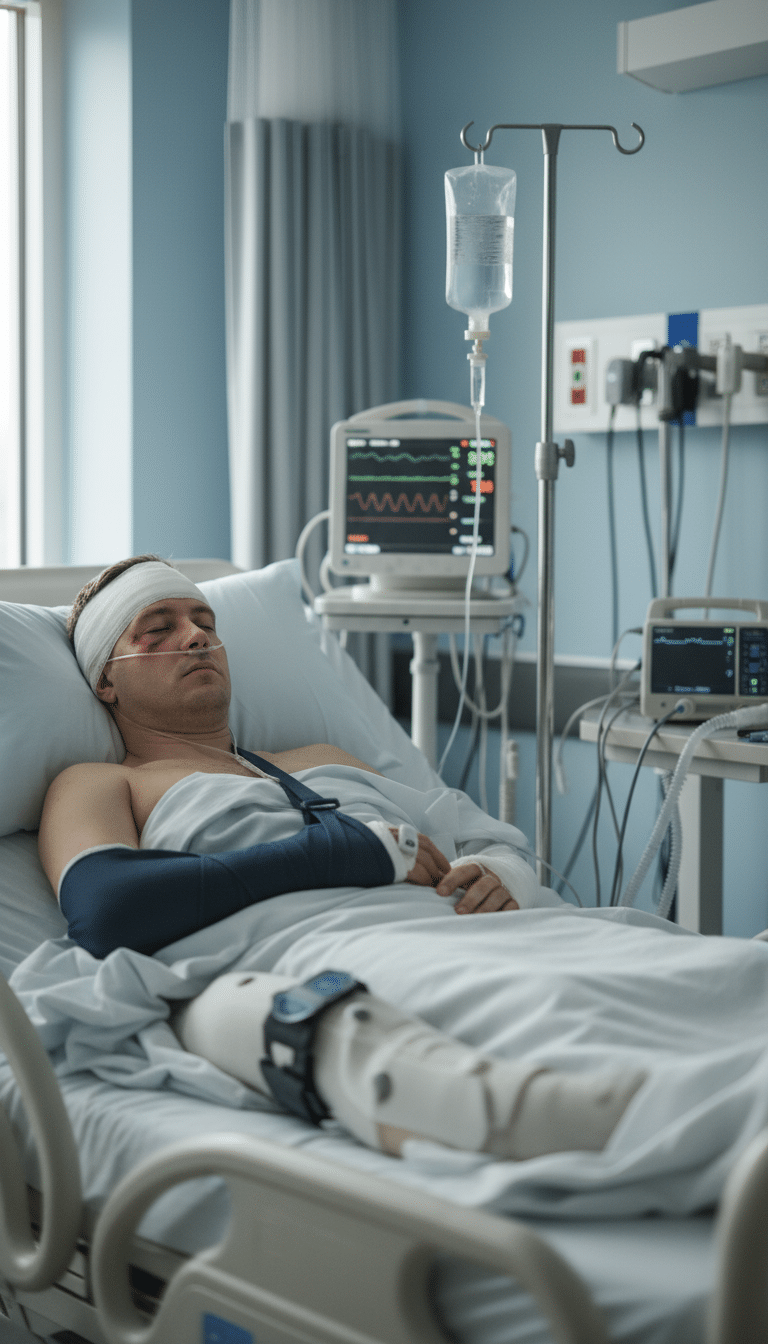
Knee Injury Attorney in Tahlequah, OK | McKay Law
What Is a Knee Injury Claim?
Knee injuries are some of the most life-altering injuries. The knee joint is intricate, so damage to any part causes major impairment. Ligament tears, cartilage damage, and bone fractures frequently demand surgery and extended recovery. Even after months of recovery, the knee often doesn’t fully recover. McKay Law represents knee injury victims in Tahlequah and across the state.
Common Causes of Knee Injuries
- Vehicle crashes
- Dashboard impact injuries
- Slip, trip, and fall accidents
- Industrial and construction incidents
- Recreational facility incidents
- Equipment failures
- Pedestrian and bicycle accidents
- Building site incidents
Common Types of Knee Injuries
Ligament injuries:
Anterior cruciate ligament (ACL) tears
Torn PCL
Medial collateral ligament (MCL) tears
LCL tears
Cartilage injuries:
Meniscal tears
Joint cartilage damage
Knee fractures:
Patella (kneecap) fractures
Tibial plateau injuries
Femoral condyle fractures
Other knee damage:
Dislocated patella
Knee dislocations
Tendon tears
Knee bursitis
Post-traumatic arthritis
Knee Injury Symptoms
- Knee pain
- Knee swelling
- Inability to bear weight
- Walking difficulty
- Limited range of motion
- Knee instability
- Audible or felt pops
- Bruising
- Locking or catching
- Obvious deformity
- Numbness or tingling
Why Knee Injuries Are Particularly Serious
- Mobility-critical injury
- Surgery is often required
- Long recovery times
- Permanent impairment is common
- Career impact for physical work
- Post-traumatic arthritis
- Need for future knee replacement
- Affects all weight-bearing activities
Treatment for Knee Injuries
- Diagnostic imaging
- RICE protocol (rest, ice, compression, elevation)
- Anti-inflammatory medications
- Structured physical therapy
- Cortisone shots
- Knee bracing
- Mobility aids
- Arthroscopic surgery
- ACL reconstruction
- Meniscus repair or removal
- Open surgery for fractures
- Knee arthroplasty
- Revision surgery
- Long-term rehabilitation
Why Insurance Companies Devalue Knee Injury Claims
- Pre-existing condition arguments
- Prior damage arguments
- Disputing the need for surgery
- Pointing to “minor” property damage
- Insurer-friendly doctor exams
- Trying to settle before MRI confirms diagnosis
- Combing through social media
- Disputing the duration of treatment
Who Can Be Held Liable for a Knee Injury
- At-fault motorists
- Landowners
- Companies in workplace injury cases
- Makers of defective products
- Athletic facilities
- Healthcare providers
Building the Evidence
- Legal Obligation — A legal duty applied.
- Negligent Conduct — The defendant failed to meet that duty.
- Causation — The wrongful act led to the injury.
- Damages — Medical costs, lost income, pain and suffering, and other losses.
Damages Available
- Past and future medical expenses
- Pre- and post-operative care
- Joint replacement expenses
- Extended PT expenses
- Brace and assistive device costs
- Lost income and reduced earning capacity, particularly if you can’t return to physical labor
- Pain and suffering
- Loss of enjoyment of life
- Loss of companionship
- Long-term restrictions
- Future medical needs
- Punitive damages in cases of gross negligence
Lasting Effects of Knee Injuries
Even with surgery and rehabilitation, the knee often doesn’t fully recover:
- Permanent loss of range of motion
- Ongoing pain
- Lasting impact on basic activities
- May need knee replacement later
- Higher risk of joint degeneration
- Inability to perform physical labor
- Higher risk of subsequent falls
- Need for ongoing therapy
Oklahoma’s Statute of Limitations
The deadline in Oklahoma is 2 years from the date of the incident to file (Okla. Stat. tit. 12, § 95).
What Working With Us Looks Like
We coordinate with treating orthopedic surgeons and physical therapists to build a complete medical record, push back against pre-existing condition claims, account for lasting damage including future surgery, and prepare every case as if it will go to trial.
Frequently Asked Questions
Q: I have a torn ACL — how much is my case worth?
A: Substantial, depending on treatment. ACL reconstruction cases carry significant value.
Q: What does it cost to hire McKay Law?
A: Zero upfront. We only get paid if we win.
Q: How much is a knee injury case worth?
A: Value turns on diagnosis, treatment, work impact, and lasting damage. Severity drives value — surgery and permanent damage significantly increase the case.
Q: My MRI shows a meniscus tear — what’s my case worth?
A: Depends on whether surgery is needed. Meniscus tears requiring surgery have substantial value; non-surgical tears are typically worth less.
Q: Insurance says my knee problem is from aging — are they right?
A: Often not. Pre-existing degeneration doesn’t mean the accident didn’t cause your injuries — Oklahoma’s eggshell plaintiff rule applies.
Q: Do I need knee surgery to file a claim?
A: Not at all. Surgery isn’t required, but documented treatment is.
Q: Will I need future knee surgery or replacement?
A: Depends on the injury. Many serious knee injuries lead to future joint replacement.
Q: Should I give the insurance company a recorded statement?
A: Don’t. Talk to a lawyer first.
Q: What is the deadline to file?
A: Two years from the date of the incident (Okla. Stat. tit. 12, § 95). Don’t wait — early diagnosis and treatment matter.
Compensation for Knee Injuries in Tahlequah, OK
The knee gets special treatment in injury law for good reason. The knee is the largest joint in the body and bears most of the body’s weight during many activities. When the knee is injured, basic functions become difficult or impossible. The knee’s complex anatomy means multi-structure injuries are common. A Tahlequah knee injury attorney knows how to evaluate the full scope of knee injury harm.
The Knee’s Unique Anatomy
Multiple Structures Working Together
The knee is far more complex than most people realize.
The knee involves:
The Bones
- The thigh bone
- The shin bone
- Secondary lower leg bone
- Patellar bone
Cartilage
- The menisci (two crescent-shaped cushions between femur and tibia)
- Joint surface cartilage
Ligaments
- ACL
- PCL
- Medial collateral ligament (MCL)
- LCL
Tendons
- Quad tendon
- Patellar tendon
- Back thigh tendons
Other Structures
- Bursae
- Lateral knee band
- Knee nerves and vessels
Each of these structures can be injured individually.
Combined Injuries
Multi-structure knee injuries are common. The “unhappy triad” — ACL, MCL, and medial meniscus injuries together — is well-recognized.
Common Knee Injuries
ACL Injuries
ACL injuries are common and often serious. ACL tears typically need reconstruction surgery.
ACL reconstruction surgery using tendon grafts to replace damaged ligament. Recovery is lengthy.
Meniscus Tears
Meniscus tears are a major knee injury type.
Treatment varies by tear type but frequently necessitates arthroscopic intervention.
PCL Injuries
Posterior cruciate ligament injuries cause significant impairment, often resulting from dashboard impact in vehicle crashes.
MCL Injuries
MCL tears may heal with non-surgical treatment.
LCL Injuries
Lateral collateral ligament injuries may require surgical intervention, particularly when part of multi-structure injuries.
Patellar Fractures
Kneecap fractures result from significant impact. Surgical repair often needed.
Patellar Dislocation
Dislocation of the patella can recur if not properly treated.
Tibial Plateau Fractures
Tibial plateau damage can be devastating. Tibial plateau fractures impact the joint surface.
Distal Femur Fractures
Lower thigh bone fractures near the joint require major surgical reconstruction.
Articular Cartilage Damage
Damage to the cartilage covering the joint surfaces accelerates degeneration.
Tendon Injuries
Tendon injuries can cause significant disability.
Bursitis
Bursal inflammation develops following injury.
Dislocation of the Knee
Dislocation of the entire knee joint is a true emergency. Threatens vascular and nerve structures.
Compartment Syndrome
Pressure buildup in muscle compartments requires emergency surgical decompression.
Common Causes of Knee Injuries
Motor Vehicle Accidents
Vehicle accidents frequently cause knee damage.
Vehicle-related knee injuries include:
- Dashboard impact injuries (causing PCL and other injuries)
- Knee contact with the vehicle
- Twisting trauma
- Crush injuries
Slip-and-Falls and Trip-and-Falls
Falls commonly cause knee injuries. Twisting falls produce specific injury patterns.
Workplace Injuries
Workplace incidents generate knee cases.
Sports and Recreational Injuries
Recreation generate knee cases.
Pedestrian and Cyclist Accidents
Pedestrian/cyclist injuries can cause severe knee damage.
Direct Impact Injuries
Knee strikes generate distinct injury types.
Repetitive Trauma
Long-term wear drive cumulative knee injuries.
Treatment for Knee Injuries
Conservative Treatment
Some knee injuries can be treated conservatively. This includes Initial conservative measures, Pain management drugs, PT, Knee bracing, Reduced activity.
Arthroscopic Surgery
Minimally invasive knee surgery treats various knee conditions. Arthroscopic surgery handles meniscus repair or trimming, cartilage procedures, Cruciate reconstruction, debris removal.
Open Surgery
Open surgical procedures for major repairs.
Total Knee Replacement
Total knee replacement may be necessary. Typically reserved for older patients.
Partial Knee Replacement
Unicompartmental knee replacement addresses limited damage.
Cartilage Restoration Procedures
Cartilage repair techniques may help in some cases.
Special Considerations for Knee Injuries
Future Surgery Risk
Many knee injuries carry risk of future surgery. Failed conservative treatment requires surgery. Failed initial surgery may need revision.
Long-Term Arthritis Risk
Knee injuries significantly increase risk of arthritis. Even injuries that appear to heal well may lead to arthritis.
Activity Modification Required
Knee injury patients often must permanently modify activities. Running, jumping, contact sports, heavy lifting may be permanently restricted.
Career Impact
Career impacts are common for active work.
Damages in Knee Injury Cases
Compensation in these cases include:
- Emergency and initial medical care
- Surgical expenses
- Inpatient care
- Physical therapy and rehabilitation
- Continuing care
- Future surgery (often anticipated)
- Additional surgical costs
- Eventual knee replacement
- Earnings affected by injury
- Reduced ability to work
- Non-economic damages
- Loss of consortium
Common Insurance Defenses
“Pre-Existing Conditions”
Prior knee history. MRIs typically show some baseline wear, generating pre-existing arguments. Aggravation is compensable.
“Surgery Wasn’t Necessary”
Defense argues less invasive treatment would have resolved symptoms.
“The Injury Resolved”
Resolution defenses. This defense fails when future surgery is anticipated.
“Comparative Fault”
“You contributed to the injury”.
“Improper Treatment”
Defense argues plaintiff didn’t follow recommended treatment.
Critical Steps After a Knee Injury
Get Immediate Medical Attention
Quick medical attention. Even mild knee pain may signal significant damage.
Get Imaging Studies
Initial imaging, then MRI for detailed soft tissue evaluation. Imaging provides essential evidence.
Follow Through With Recommended Treatment
Continuous medical care protects against defense arguments.
Document Functional Impact
Record real-world impact.
Track Surgical Recovery
Post-surgical tracking, document the full recovery process.
Don’t Sign Releases Without Counsel
Knee injuries often have long-term consequences not immediately apparent. Quick settlements often substantially undervalue knee cases.
Attorney Costs
Counsel experienced with knee injury claims earn fees only on recovery. Expert costs run high reimbursed from the recovery.
Move Quickly
Knee injury cases benefit from prompt legal involvement.
Real-time injury documentation builds stronger cases. OK’s statute of limitations applies regardless.
Getting an attorney involved promptly positions the case for the substantial recovery knee injuries often warrant.
McKay Law Is Your Tahlequah Advocate After A Knee Injury
The knee is one of the most elaborate joints in the body — and one of the most vulnerable to injury when something goes wrong. Torn ACLs, MCL and PCL injuries, meniscus tears, patellar fractures, dislocations, and full ligament ruptures regularly emerge from car crashes when the dashboard drives into the knee, slip-and-falls on hard surfaces, workplace incidents, pedestrian strikes, and sports accidents at poorly maintained facilities. The damage is sudden: a knee that gives out when you stand, swells overnight, locks up without warning, or simply refuses to bear weight. The recovery, on the other hand, is anything but quick — months of physical therapy, surgical reconstruction with hardware that stays in your body, repeated procedures when initial repairs don’t hold, and a long-term risk of arthritis that can plague a victim for decades. At McKay Law, we handle knee injury cases by consulting orthopedic surgeons, sports medicine specialists, and physical therapists who can establish the full extent of the damage and what the future really entails.
Insurance carriers often try to downplay knee claims by leaning on pre-existing wear or arguing the injury would have healed on its own — even when the trauma forever damaged the joint’s stability and function. When you come into the McKay Law family, we refuse those tactics and develop a case that shows what the injury has truly robbed you. We demand maximum compensation for diagnostic imaging, surgery and reconstructive procedures, surgical hardware, hospitalization, ongoing physical therapy, mobility aids, prescription medications, future medical care including potential additional surgeries and joint replacement, lost wages, lost earning capacity for clients in physically demanding jobs, the loss of athletic and recreational activities you once enjoyed, and the persistent suffering and impairment a knee injury imposes. Contact us now at (866) 679-9651 or reach out online to set up your free consultation and bring a firm that takes knee injuries with real weight fighting for you.
Video Testimonials






