

“Labor Omnia Vincit” McKay Law
Yukon, OK Taxi Accident Lawyer
Collisions involving taxis are surprisingly complex in Yukon, OK—whether you were a passenger, another driver, or a pedestrian, sorting out liability and insurance gets complicated fast. McKay Law advocates for taxi accident victims across OK. Taxi crashes differ from typical auto wrecks—cab drivers are usually employees or contractors working for taxi companies. This results in several insurance policies may apply—individual drivers, taxi corporations, fleet owners, and service providers. These crashes typically result from exhausted drivers, rushed driving for more fares, navigation distractions, lack of training, and inadequate vehicle maintenance. Whether you were a passenger injured in a taxi, the taxi company itself may be liable for its driver’s actions under negligent hiring, training, or supervision claims. Our Yukon taxi injury attorneys dig into every facet of your case. We move quickly to preserve evidence—cab company files, driver background information, and on-scene evidence. Taxi accident injuries include whiplash, broken bones, traumatic brain injuries, spinal injuries, internal organ damage, and wrongful death. We pursue full compensation including medical bills, future care, lost wages, lost earning capacity, pain and suffering, mental anguish, and wrongful death damages. Taxi companies and their insurers will often try to deny responsibility—we pursue every avenue to hold them responsible. All cab crash claims is handled on a no-win, no-fee basis—no fees unless we recover. Contact McKay Law today for a free consultation with a Yukon, OK taxi accident lawyer who will pursue every available source of compensation.
Settlements Won
0
+
Million Dollars Won
0
+
Google 5 Star Reviews
0
+
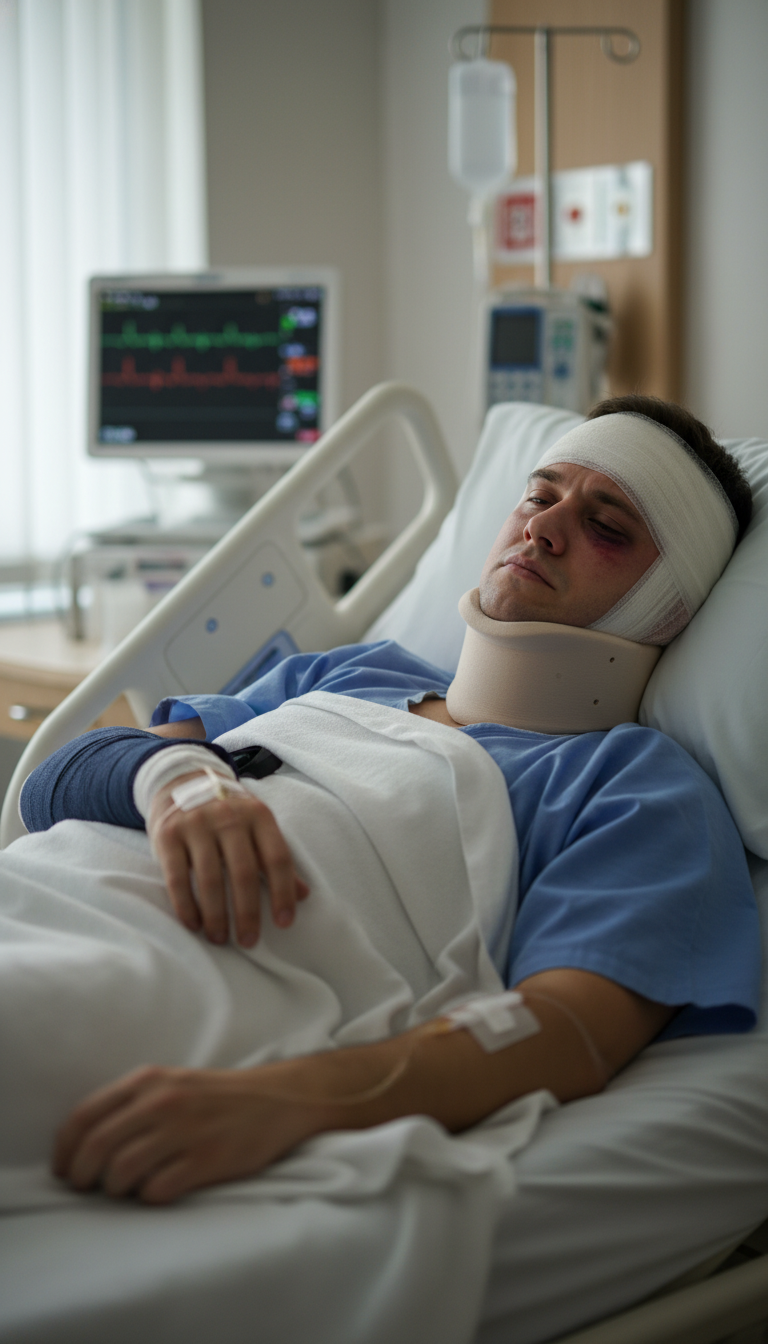
Taxi Accident Lawyer in Yukon, OK | McKay Law
What Is a Taxi Accident Claim?
Taxis have shared the road with passenger vehicles in Oklahoma for decades, and when they crash. Whether you were a passenger in a taxi, another driver, or a pedestrian, taxi crashes raise insurance issues different from ordinary auto accidents. Unlike rideshare companies, taxis usually carry commercial coverage and licensing, which can mean higher insurance limits but more aggressive defense. McKay Law represents taxi accident victims in Yukon and throughout Oklahoma.
Common Causes of Taxi Accidents
- Driver fatigue from long shifts
- Distracted driving
- Rushing through traffic
- Aggressive lane changes
- Sudden stops for passengers
- Alcohol or drug impairment
- Drivers with minimal training
- Defective taxi equipment
- Traffic violations
- Unsafe pickup spots
- Speeding through intersections
Who Was Hurt — Different Claims for Different Victims
- Taxi passengers — typically have the strongest claims since they’re rarely at fault
- Third-party motorists injured by a taxi
- Pedestrians and cyclists injured by a taxi vehicle
- Taxi drivers injured by another driver’s negligence can pursue claims against third parties
- Wrongful death beneficiaries in fatal taxi crashes
Common Injuries From Taxi Accidents
- Cervical strain
- Back and spinal cord injuries
- Head trauma
- Bone breaks
- Internal organ injuries
- Facial injuries from airbags and broken glass
- Shoulder and chest injuries from seatbelts
- Knee, hip, and leg injuries
- Post-traumatic stress and anxiety
- Death from catastrophic crashes
Potential Defendants
- The driver behind the wheel
- The taxi company
- Another at-fault driver
- The automaker in defect cases
- Mechanics whose negligence contributed
- A municipality liable for hazardous roadways
Commercial Coverage for Taxi Companies
Taxi service is a commercial activity, meaning taxi companies must carry commercial-level coverage. Policies generally cover:
- Commercial bodily injury and property damage coverage
- Greater coverage than ordinary auto policies
- Liability for injuries to riders
- UM/UIM for taxi drivers and passengers
The exact limits depend on city, state, and company policies.
Building the Evidence
- A Duty of Care — All drivers must drive with reasonable care.
- Breach — The driver failed to drive reasonably.
- That the Conduct Caused the Crash — The unsafe driving led to the impact.
- Quantifiable Losses — Economic and non-economic harm.
Evidence That Wins Taxi Accident Cases
- Official accident documentation
- Photographs of the scene, damage, and injuries
- Records of the trip and driver
- Video evidence
- Onboard camera footage
- Witness statements
- Records of driver distraction
- EDR readouts
- Driver records
- Vehicle maintenance records
- Treatment documentation
What Compensation Looks Like
- Past and future medical expenses
- Long-term rehabilitation costs
- Lost income and diminished earning ability
- Vehicle and property loss
- Non-economic damages
- Loss of enjoyment of life
- Loss of consortium
- Wrongful death damages in fatal crashes
- Exemplary damages when conduct rises above ordinary negligence
Oklahoma’s Statute of Limitations
The deadline in Oklahoma is two years from the date of the crash to file (Okla. Stat. tit. 12, § 95). Taxi cases benefit from fast action because critical records may be lost without prompt preservation.
What Working With Us Looks Like
We act fast to send preservation letters to the taxi company and all potential defendants, pursue every angle of liability, map every available source of recovery, partner with healthcare providers, and treat each matter as trial-ready.
FAQ
Q: I was a taxi passenger when we crashed — who pays for my injuries?
A: The taxi company’s commercial insurance — and possibly another at-fault driver’s policy.
Q: What does it cost to hire McKay Law?
A: Zero upfront. We only get paid if we win.
Q: Can I sue the taxi company directly?
A: Often yes — unlike rideshare drivers, taxi drivers are usually employees, not independent contractors.
Q: A taxi hit me while I was in another vehicle — what’s my claim?
A: The taxi’s commercial coverage applies, and the company can be sued directly.
Q: Should I give the taxi company’s insurance company a recorded statement?
A: Never. Refer them to your attorney.
Q: How is a taxi case different from a rideshare case?
A: Taxi drivers are usually employees with commercial coverage; rideshare drivers are independent contractors with app-based coverage tied to status.
Q: What is the deadline to file?
A: 2 years from the date of the crash (Okla. Stat. tit. 12, § 95). Don’t wait — records get destroyed.
Compensation After a Taxi Cab Crash in Yukon, OK
Getting hit in or by a taxi puts you in a different category of claim than a standard auto accident. Taxi operators carry duties that exceed those of ordinary drivers. That has real consequences for what you can recover. A Yukon taxi accident lawyer knows how to navigate the layered liability.
Taxis Aren’t Rideshare — The Differences Matter
Rideshare and taxi cases look similar but operate differently. These distinctions affect everything from insurance to procedure.
Common Carrier Status
Taxis are traditional common carriers. Rideshare classification is contested and varies by state.
Heightened Duty of Care
The common carrier standard is the most demanding duty in tort law. This is significantly higher than the ordinary negligence standard.
Driver Classification
Some cab companies use W-2 drivers, others use 1099 lease drivers. That classification drives the liability framework.
Insurance Structure
Taxi liability coverage operates differently than personal auto. Liability minimums are typically much higher than personal vehicle requirements.
Who’s Liable When a Taxi Causes a Crash
The Driver
The cab driver’s direct negligence is the starting point.
The Taxi Company
Cab company exposure varies with the employment structure. For employee drivers, the taxi company is directly liable for the driver’s negligence.
For independent contractor drivers, recovery typically runs through the taxi’s commercial insurance. But the company can still face liability for negligent training.
The Vehicle Owner
Taxi ownership can be split among multiple entities. Liability can spread across these entities.
Other Drivers
When another motorist caused the crash, that driver and their insurer face primary liability. The taxi’s uninsured/underinsured motorist coverage may also apply.
Vehicle and Component Manufacturers
Product failures can implicate equipment manufacturers.
Maintenance Providers
These vehicles wear out quickly. If service deficiencies contribute, the maintenance provider can be liable.
Who Can Bring a Taxi Claim?
Different parties can pursue taxi accident compensation:
- Passengers riding in the cab
- Occupants of vehicles struck by the taxi
- Non-motorists hit by the taxi
- The taxi driver when another motorist caused the crash
Why Passenger Cases Carry Distinct Advantages
Passenger claims in taxi cases, your position is unusually strong. Passenger fault is essentially impossible to establish in most scenarios. The dispute is between insurers, not about your conduct.
Available coverage may include:
- The taxi’s commercial liability policy
- The other driver’s policy if they caused the crash
- The taxi’s UM/UIM coverage
- Your own auto policy’s UM/UIM coverage
Common Taxi Accident Scenarios
Pickup and Drop-Off Collisions
Pickups and drop-offs in traffic lanes generates frequent collisions.
Door-Opening Crashes
Passengers opening doors into bicycle or scooter traffic cause frequent cyclist trauma.
Fatigue-Related Crashes
Long hours behind the wheel. Tired-driver cases may implicate company scheduling practices.
Distracted Driving
Drivers managing multiple devices frequently engage in distracted driving.
Reckless Driving
Cabs pushed for high turnover contribute to taxi accident rates.
Critical Steps After a Taxi Crash
Document the Cab and Driver Information
Get the taxi’s licensing information. Get the driver’s name, license, and the company’s identifying information.
Save Your Trip Records
Receipts, app records, or dispatch records prove your presence.
Get Medical Attention Immediately
Even if symptoms seem mild, prompt medical evaluation is essential.
Don’t Negotiate With the Taxi Company Directly
Taxi operators may offer quick informal resolutions. Talking to the company without legal advice is a common mistake.
Damages in Taxi Accident Cases
Recoverable losses include past and future medical expenses, past and future earnings loss, diminished earning capacity, loss of enjoyment of life, and wrongful death in fatal cases.
Attorney Costs
Counsel in this area earn fees only on successful recovery. First meetings carry no charge.
Don’t Wait
Commercial taxi insurers act fast. They may try to settle the case before you understand its full value. Engaging counsel promptly protects against premature settlement while the evidence and the claim are both at full strength.
McKay Law Is Your Yukon Advocate After A Taxi Accident
When you step into a taxi, you’re placing your safety with the driver and the company to get you where you’re going safely — but that trust is violated every day on streets and highways across the country. Taxi drivers work grueling shifts, often paid in ways that push speed over caution, and the vehicles they drive log hundreds of thousands of miles with maintenance that doesn’t always keep pace. When a crash happens — whether you were a passenger, a pedestrian, a cyclist, or the driver of another vehicle — sorting out liability gets messy because taxi companies, independent operators, drivers, and their respective insurers all have different interests in deflecting responsibility. At McKay Law, we untangle those layers and know which policies apply, which records to request, and how to hold every responsible party accountable.
Taxi cases hinge on details most victims don’t think to preserve — the driver’s hours behind the wheel, the company’s maintenance history on that specific vehicle, the dispatch records, surveillance from inside or near the cab, and any prior complaints against the driver or carrier. When you come into the McKay Law family, we handle all of that while you concentrate on your recovery. We chase compensation for ambulance and ER bills, surgical procedures, ongoing physical therapy, prescription costs, future medical needs, lost wages, diminished earning capacity, and the physical pain and emotional toll that follow a crash you never expected. Contact us without waiting at (866) 679-9651 or reach out online to set up your free consultation and place a firm that knows how to take on taxi companies and their insurers fighting for you.
Video Testimonials






